
Phorium ( New Zealand Flax ) Seed
Jim's Notes:
Phormiums appear to grow well in most types of soil but, as with many other plants, a moist but well-drained soil generally gives best results. In some gardens they are planted along the sides of streams or around pond edges where they seem to grow very well.
They grow best in a sunny position although they will tolerate a fair amount of shade. Their tough leaves are quite resistant to desiccation so in the garden they rarely need any extra watering.
For plants in containers almost any general-purpose potting compost seems to give good results. If peat-based composts are used, it is necessary to add slow-release fertiliser granules, or to feed occasionally with a liquid fertiliser.
When growing well, phormiums soon fill the pot with roots and do not apparently suffer from being pot-bound. However, for best growth it is sensible to move the plant to a larger pot when roots are seen growing out of the bottom holes.
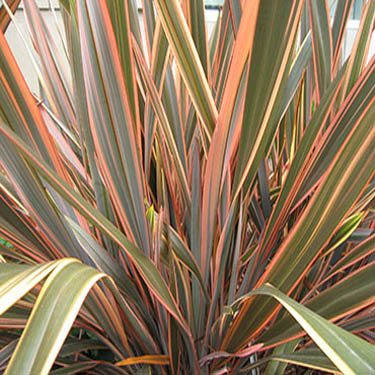
An outstanding ornamental perennial grown for its dramatic sword-like foliage and exceptional architectural beauty. These improved hybrids produce striking clumps of long, gracefully arching leaves in an exciting range of colors that may include rich green, bronze, burgundy, copper, chocolate, red, pink, cream, gold, and variegated combinations. Whether planted as a specimen or massed in the landscape, New Zealand Flax provides bold texture and year-round interest unlike almost any other garden plant.
Native to New Zealand, Phormium tenax has become one of the world's premier foliage plants for modern landscapes, tropical gardens, coastal plantings, and large containers. Mature plants form elegant fountains of colorful foliage that remain attractive throughout every season. During summer, older established plants may also produce tall flower stalks bearing nectar-rich tubular flowers that are highly attractive to birds and beneficial insects.
Garden Uses
New Zealand Flax New Hybrids are excellent for specimen plantings, mixed perennial borders, tropical gardens, architectural landscapes, coastal gardens, xeriscapes, modern designs, commercial landscapes, and large patio containers. Their bold upright habit creates dramatic focal points while contrasting beautifully with finer-textured companion plants.
The colorful foliage pairs exceptionally well with ornamental grasses, cordylines, cannas, agapanthus, yuccas, salvias, lavender, echinacea, succulents, and flowering shrubs. The strong vertical form also makes these hybrids ideal for framing entrances, patios, pools, and garden pathways.
Growing Information
New Zealand Flax grows best in full sun to light partial shade. Full sun generally produces the richest foliage colors, while afternoon shade is beneficial in areas with extremely hot summers. Plants prefer fertile, well-drained soil but readily adapt to a wide range of soil types, including sandy and coastal conditions. Mature plants typically reach 3 to 6 feet tall with a spread of 3 to 5 feet, depending on the hybrid selected.
Sow seeds indoors 8 to 10 weeks before the last expected frost or directly outdoors in mild climates. Cover seeds lightly with soil and maintain temperatures between 65 and 75°F. Germination usually occurs within 14 to 30 days. Young plants develop steadily and become increasingly impressive with each growing season.
Provide regular watering during establishment. Once mature, plants demonstrate excellent drought tolerance, although occasional deep watering during prolonged dry periods keeps foliage looking its best. Remove old or damaged leaves as needed and divide mature clumps every several years if desired.
| Quick Facts | |
|---|---|
| Botanical Name | Phormium tenax |
| Common Name | New Zealand Flax New Hybrids |
| Plant Type | Evergreen perennial |
| Height | 3-6 feet |
| Spread | 3-5 feet |
| Foliage Color | Green, bronze, burgundy, copper, red, cream, gold, pink, and variegated forms |
| Bloom Color | Reddish-orange to yellow tubular flowers on tall spikes |
| Bloom Season | Summer on mature plants |
| Light Requirements | Full sun to light partial shade |
| Water Needs | Moderate; drought tolerant once established |
| Soil Type | Well-drained fertile to average soil |
| USDA Zones | 8-11 |
| Deer Resistant | Yes |
| Container Friendly | Excellent |
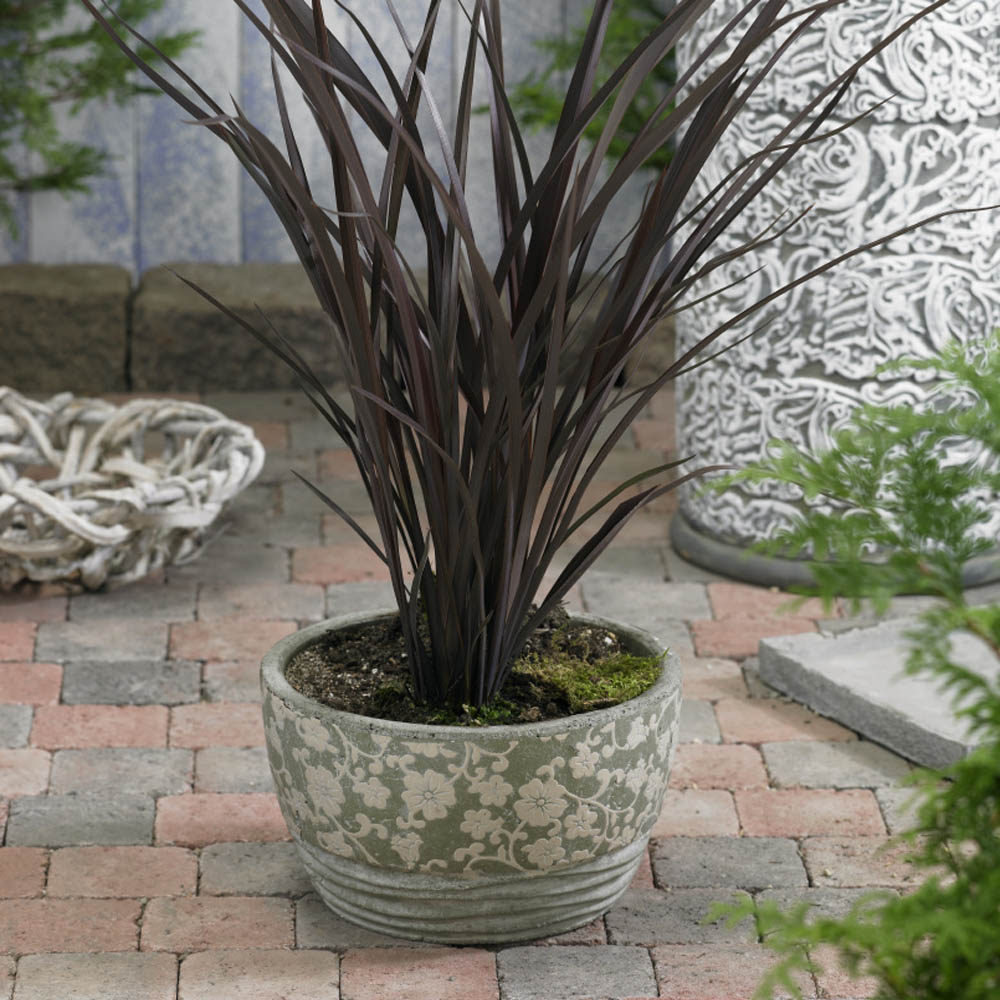
A bold evergreen perennial grown for its dramatic sword-like foliage in rich bronze, burgundy, and deep purple tones. This striking foliage plant brings year-round color, strong vertical structure, and architectural beauty to landscapes, containers, and mixed plantings. Native to New Zealand, Phormium tenax is valued around the world for its durability, coastal tolerance, drought resistance, and ability to create a powerful focal point even when not in bloom.
Forming upright clumps of long, arching leaves, Bronze New Zealand Flax creates the look of a living fountain with deep metallic color. Mature plants may eventually produce tall flower stalks bearing tubular reddish-orange blooms that rise above the foliage and attract nectar-feeding birds and pollinators. Its strong form and rich foliage color make it especially useful in modern gardens, tropical-style landscapes, and large patio containers.
Garden Uses
Bronze New Zealand Flax is ideal for specimen plantings, modern landscapes, tropical gardens, coastal gardens, mixed perennial borders, xeriscapes, foundation plantings, poolside gardens, and large decorative containers. Its bold form creates dramatic contrast when planted beside softer, finer-textured plants.
The bronze-purple foliage pairs beautifully with ornamental grasses, agapanthus, cannas, salvias, lavender, yucca, cordyline, sedum, lantana, echinacea, succulents, and silver or chartreuse foliage plants. It is especially effective as a focal point near patios, entrances, walkways, and garden walls.
Growing Information
Bronze New Zealand Flax grows best in full sun to light partial shade. Full sun usually produces the richest bronze and purple foliage tones, while light afternoon shade may be helpful in very hot inland climates. Plants prefer well-drained soil but tolerate a wide range of conditions, including sandy, average, and coastal soils. Mature plants typically reach 3 to 6 feet tall with a spread of 3 to 5 feet.
Sow seeds indoors 8 to 10 weeks before the final spring frost or outdoors in mild climates after soil has warmed. Cover seeds lightly with soil and maintain temperatures between 65 and 75°F. Germination usually occurs within 14 to 30 days, though some seeds may take longer. Seedlings should be grown on steadily until large enough for transplanting.
Water regularly during establishment. Once mature, plants tolerate dry conditions well, though occasional deep watering during extended drought keeps foliage looking its best. Remove old or damaged leaves at the base as needed. In colder regions, grow in large containers and overwinter in a protected location.
| Quick Facts | |
|---|---|
| Botanical Name | Phormium tenax 'Purpureum' |
| Common Name | Bronze New Zealand Flax, Purple New Zealand Flax |
| Plant Type | Evergreen perennial |
| Height | 3-6 feet |
| Spread | 3-5 feet |
| Foliage Color | Bronze, burgundy, deep purple |
| Bloom Color | Reddish-orange tubular flowers on mature plants |
| Bloom Season | Summer on mature plants |
| Light Requirements | Full sun to light partial shade |
| Water Needs | Moderate; drought tolerant once established |
| Soil Type | Well-drained average, sandy, or coastal soil |
| USDA Zones | 8-11 |
| Deer Resistant | Yes |
| Container Friendly | Excellent |

Contact Us | Privacy Policy | About Us
Serving gardeners since 1992
State of Mississippi Seedmen's Permit #C-391, Ohio 90152, Minnesota 20086777