
Pine Trees ( Pinus Species )
Note: These seeds need to be cold statified before sowing.
We recommend using the Seedman's Cold Stratification Kits for cold stratification, these simple kits make cold stratification very easy and greatly enhances the germination of pines, cedars, junipers and other conifers.
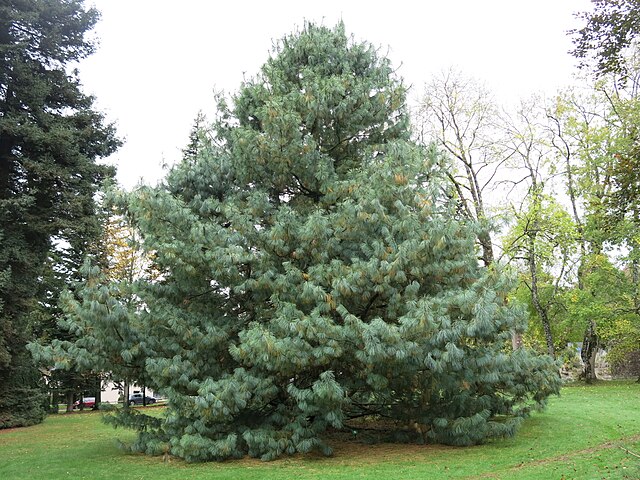
TRZ206 Himalayan White Pine (Pinus wallichiana) is one of the most graceful and elegant pine trees in the world. Native to the majestic Himalayan Mountains of India, Nepal, Bhutan, Pakistan, and Tibet, this beautiful evergreen is admired for its long, silky blue-green needles, sweeping branches, and soft, feathery appearance. Few conifers possess the same combination of refinement, beauty, and landscape presence.
Unlike many pines that appear stiff and rigid, Himalayan White Pine develops a relaxed, flowing form with branches that gracefully arch toward the ground. Its exceptionally long needles, often reaching 6 to 10 inches in length, create a soft texture that moves beautifully in the breeze. As the tree matures, it becomes one of the most striking specimen evergreens available for lawns, parks, and estate landscapes.
- Botanical Name: Pinus wallichiana
- Common Names: Himalayan White Pine, Bhutan Pine, Blue Pine
- Plant Type: Evergreen Conifer
- Mature Height: 50 to 80 feet
- Mature Spread: 25 to 40 feet
- Growth Rate: Moderate to Fast
- Sun Exposure: Full Sun
- USDA Zones: 5-8
Himalayan White Pine is best appreciated as a specimen tree where its unique texture and elegant form can be fully displayed.
- Specimen lawn tree
- Estate landscapes
- Evergreen screening
- Windbreak plantings
- Park landscapes
- Mountain-themed gardens
- Conifer collections
- Large residential properties
This tree develops a broad, graceful canopy and should be planted where it has room to mature naturally. The distinctive drooping branches become increasingly beautiful with age and should not be heavily pruned.
Germination InformationHimalayan White Pine seeds benefit from cold stratification before planting.
- Soak seeds in water for 24 hours.
- Cold stratify for 30 to 60 days at 34-40°F.
- Sow approximately ½ inch deep in well-drained soil.
- Maintain temperatures of 65-75°F.
- Keep soil lightly moist.
- Germination typically occurs within 2 to 8 weeks.
Himalayan White Pine prefers fertile, well-drained soils and performs best where air circulation is good. Once established, it is relatively drought tolerant and requires little maintenance.
- Prefers well-drained soils
- Excellent cold hardiness
- Moderate drought tolerance
- Adaptable to various soil types
- Long-lived landscape tree
Young trees benefit from supplemental watering during prolonged dry periods while establishing their root systems.
Container GrowingSeedlings may be grown in containers during their early years, but Himalayan White Pine eventually develops into a large landscape tree and should be transplanted into a permanent location when young.
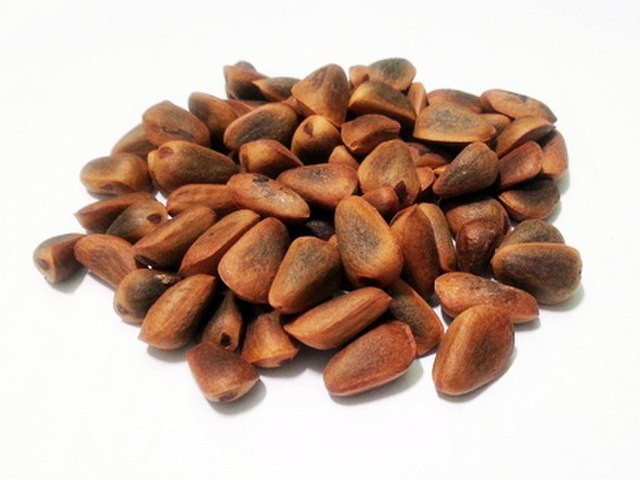
Chinese Pinenut (Pinus koraiensis), also known as Korean Pine, is one of the most valuable and beautiful nut-producing conifers in the world. Native to northern China, Korea, eastern Russia, and parts of Japan, this majestic evergreen combines ornamental beauty with the production of highly prized edible pine nuts. Its handsome blue-green foliage, broad pyramidal form, and exceptional longevity make it a superb specimen tree for large landscapes.
For centuries, the nutritious pine nuts of Korean Pine have been an important food source throughout Asia. Today they remain highly valued in cooking and are often considered among the finest pine nuts available. In addition to its edible crop, the tree provides year-round beauty, wildlife value, and impressive landscape presence.
Plant Characteristics- Botanical Name: Pinus koraiensis
- Common Names: Chinese Pinenut, Korean Pine, Korean Nut Pine
- Plant Type: Evergreen Nut-Producing Conifer
- Mature Height: 50 to 100 feet
- Mature Spread: 25 to 40 feet
- Growth Rate: Moderate
- Sun Exposure: Full Sun
- USDA Zones: 3-7
Chinese Pinenut is both ornamental and productive, making it an outstanding choice for homeowners who appreciate beautiful trees with practical value.
- Specimen lawn tree
- Edible landscape tree
- Nut orchard planting
- Wildlife habitat tree
- Estate landscapes
- Conifer collections
- Windbreaks
- Long-term legacy plantings
Chinese Pinenut is a long-lived tree that rewards patience. While nut production may take several years to begin, mature trees can produce valuable crops for generations. Plant where ample room is available for future growth.
Germination InformationSeeds require cold stratification before planting.
- Soak seeds in water for 24 hours.
- Cold stratify for 60 to 90 days at 34-40°F.
- Sow approximately 1 inch deep.
- Maintain consistent moisture.
- Provide temperatures of 60-75°F after planting.
- Germination typically occurs within several weeks.
Chinese Pinenut thrives in fertile, well-drained soils and cool climates. Once established, it is highly resilient and relatively low maintenance.
- Prefers well-drained soils
- Excellent cold hardiness
- Moderate drought tolerance
- Long-lived species
- Low maintenance once established
Young trees benefit from regular watering during establishment and protection from severe competition by weeds and grass.
Container GrowingSeedlings can be grown in containers during their first few years, but the species ultimately develops into a large landscape tree and should be transplanted to a permanent location while young.
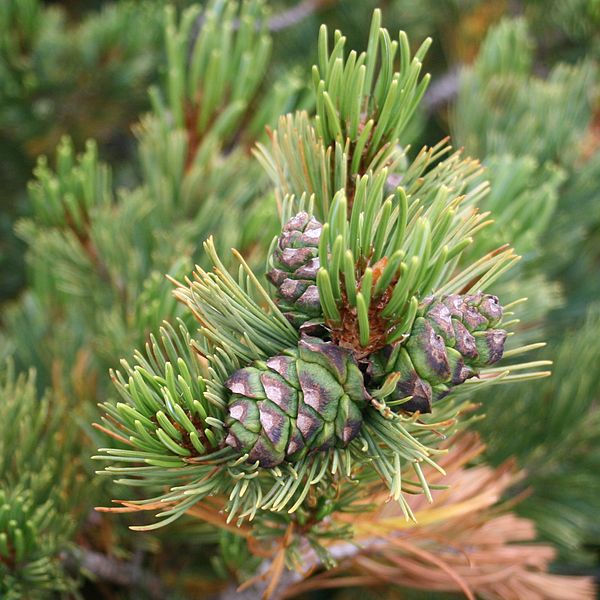
Dwarf Siberian Pine (Pinus pumila) is one of the toughest and most cold-hardy conifers in the world. Native to the harsh mountain slopes, tundra regions, and volcanic landscapes of Siberia, northern Japan, Korea, and far eastern Russia, this remarkable evergreen has evolved to withstand some of the most severe weather conditions found anywhere on Earth. Despite its rugged nature, it forms an attractive, dense, low-growing mound of soft blue-green needles that makes an outstanding ornamental plant for rock gardens, alpine landscapes, and foundation plantings.
Unlike towering forest pines, Dwarf Siberian Pine typically grows as a broad, spreading shrub with multiple stems and gracefully layered branches. Its compact form, attractive foliage, and exceptional hardiness have made it a prized specimen among conifer collectors and gardeners seeking unique evergreen plants.
Plant Characteristics- Botanical Name: Pinus pumila
- Common Names: Dwarf Siberian Pine, Siberian Dwarf Pine, Japanese Stone Pine
- Plant Type: Evergreen Conifer Shrub
- Mature Height: 3 to 10 feet
- Mature Spread: 6 to 15 feet
- Growth Rate: Slow to Moderate
- Sun Exposure: Full Sun
- USDA Zones: 1-7
Dwarf Siberian Pine is ideal for smaller landscapes where a low-growing evergreen is desired. Its naturally compact habit requires little maintenance.
- Rock gardens
- Alpine gardens
- Foundation plantings
- Conifer collections
- Slope stabilization
- Japanese gardens
- Cold-climate landscapes
- Specimen shrub
This species thrives in regions where many ornamental plants struggle. It performs exceptionally well in cold climates and is highly resistant to winter damage, wind, snow, and ice.
Germination InformationDwarf Siberian Pine seeds require cold stratification before planting.
- Soak seeds in water for 24 hours.
- Cold stratify for 60 to 90 days at 34-40°F.
- Sow approximately ½ inch deep.
- Maintain even moisture.
- Provide temperatures of 60-70°F after planting.
- Germination typically occurs within several weeks.
Dwarf Siberian Pine prefers well-drained soils and full sun. It is highly adaptable to poor soils and harsh weather conditions once established.
- Excellent cold hardiness
- Tolerates poor soils
- Wind resistant
- Snow tolerant
- Low maintenance
Avoid overly wet soils, particularly during winter months, as good drainage is important for long-term health.
Container GrowingIts naturally compact size makes Dwarf Siberian Pine one of the better pine species for long-term container culture. Large decorative containers, alpine troughs, and conifer displays are excellent uses for this species.
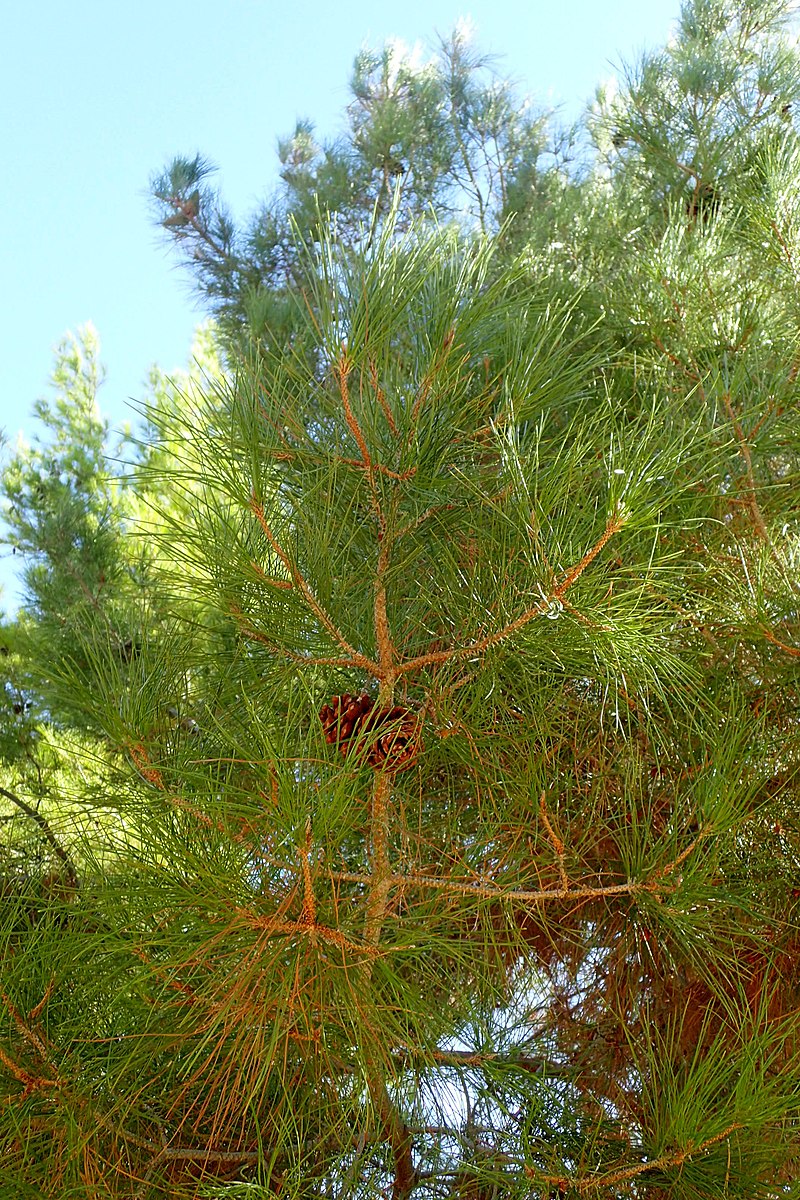
Afghan Christmas Pine (Pinus eldarica), often known as Eldarica Pine, Mondell Pine, or Afghan Pine, is one of the finest evergreen trees for hot, dry climates. Native to the rugged mountains and semi-arid regions of Afghanistan, Pakistan, and Central Asia, this handsome pine is prized for its rapid growth, drought tolerance, attractive form, and rich dark-green foliage. It has become a favorite landscape and Christmas tree species throughout the southern United States and other warm regions where many traditional pines struggle.
Its naturally dense, symmetrical shape and full branching habit create the classic appearance many people associate with a traditional Christmas tree. Combined with exceptional heat tolerance and adaptability, Afghan Christmas Pine has earned a reputation as one of the most dependable evergreen trees for challenging climates.
Plant Characteristics- Botanical Name: Pinus eldarica
- Common Names: Afghan Christmas Pine, Eldarica Pine, Mondell Pine, Afghan Pine
- Plant Type: Evergreen Conifer
- Mature Height: 30 to 60 feet
- Mature Spread: 20 to 35 feet
- Growth Rate: Fast
- Sun Exposure: Full Sun
- USDA Zones: 6-10
Afghan Christmas Pine excels in regions with hot summers, making it a valuable choice for landscapes where many other conifers may struggle.
- Specimen lawn tree
- Evergreen screen
- Windbreak planting
- Christmas tree production
- Large landscape accent
- Rural properties
- Drought-tolerant landscapes
- Commercial plantings
This species performs best in sunny locations with excellent drainage. It is particularly valuable in hot climates, where its tolerance of heat, drought, and poor soils allows it to thrive with minimal maintenance.
Germination InformationAfghan Christmas Pine is relatively easy to grow from seed.
- Soak seeds in water for 24 hours.
- Cold stratification for 30 days may improve germination.
- Sow approximately ½ inch deep.
- Maintain temperatures of 65-75°F.
- Keep soil lightly moist but not waterlogged.
- Germination usually occurs within 2 to 6 weeks.
Afghan Christmas Pine thrives in well-drained soils and full sun. It tolerates heat, drought, wind, and poor soils remarkably well once established.
- Excellent heat tolerance
- Outstanding drought resistance
- Tolerates alkaline soils
- Adaptable to poor soil conditions
- Low maintenance
Young trees benefit from regular watering during establishment, but mature specimens require surprisingly little supplemental irrigation.
Container GrowingSeedlings may be grown in containers during their early years. Due to its rapid growth and eventual size, Afghan Christmas Pine should eventually be planted in a permanent landscape location.
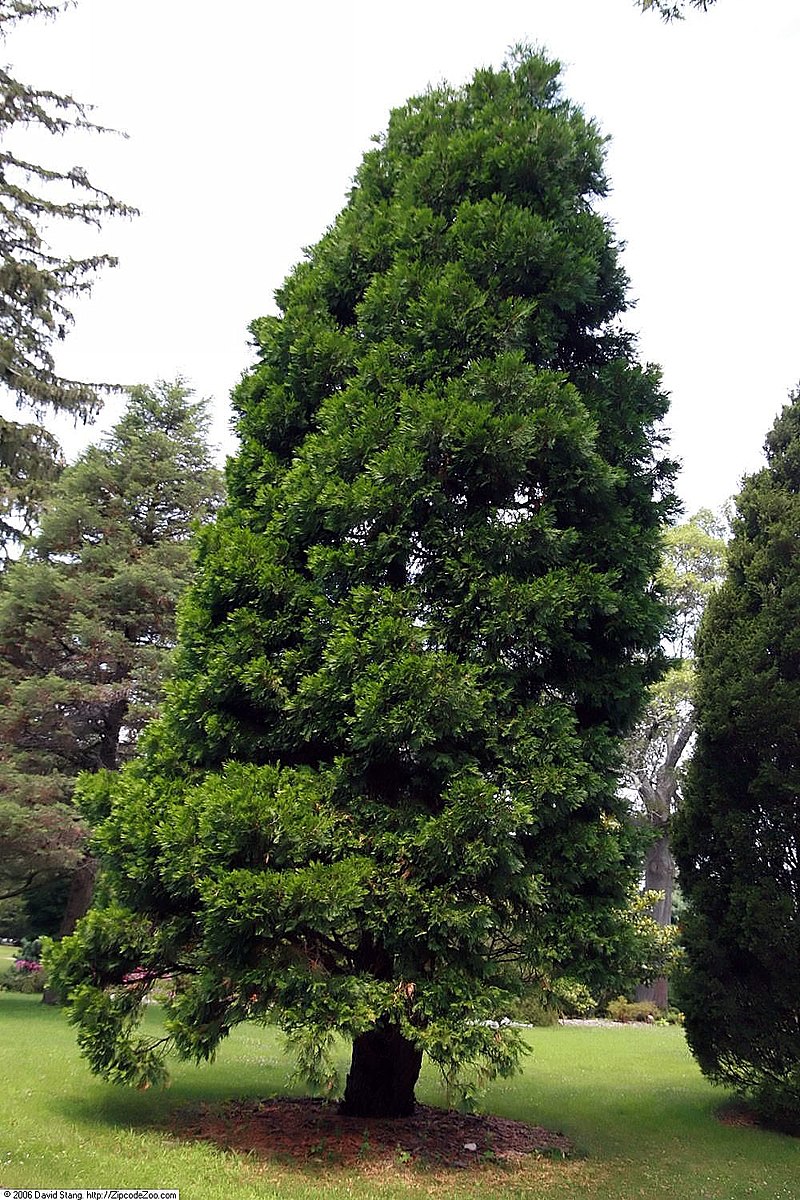
Incense Cedar (Calocedrus decurrens) is one of the most elegant and long-lived evergreen trees of western North America. Native to the mountains of California, Oregon, Nevada, and Baja California, this stately conifer is prized for its graceful pyramidal form, rich green foliage, aromatic wood, and remarkable durability. Despite its common name, Incense Cedar is not a true cedar but belongs to the cypress family, where it stands among the most beautiful ornamental evergreens available.
The tree's soft, drooping sprays of foliage create a refined texture that distinguishes it from many other conifers. As it matures, Incense Cedar develops a majestic, narrow crown and deeply furrowed reddish-brown bark, becoming an impressive specimen capable of enhancing landscapes for generations.
Plant Characteristics- Botanical Name: Calocedrus decurrens
- Common Names: Incense Cedar, California Incense Cedar
- Plant Type: Evergreen Conifer
- Mature Height: 50 to 100 feet
- Mature Spread: 15 to 30 feet
- Growth Rate: Moderate
- Sun Exposure: Full Sun to Partial Shade
- USDA Zones: 5-8
Incense Cedar makes a magnificent specimen tree and is especially effective where a tall, narrow evergreen is desired.
- Specimen lawn tree
- Estate landscapes
- Windbreak plantings
- Privacy screens
- Conifer collections
- Park landscapes
- Mountain-themed gardens
- Long-term legacy tree plantings
Incense Cedar develops a naturally symmetrical form and generally requires little pruning. Its narrow habit allows it to fit into landscapes where broader evergreen species may become too large.
Germination InformationSeeds germinate best after a period of cold stratification.
- Soak seeds in water for 24 hours.
- Cold stratify for 30 to 60 days at 34-40°F.
- Sow lightly on the soil surface or cover very lightly.
- Maintain even moisture.
- Provide temperatures of 60-70°F.
- Germination typically occurs within several weeks.
Incense Cedar prefers well-drained soils and performs exceptionally well in areas with cool winters and dry summers. Once established, it demonstrates excellent drought tolerance.
- Excellent drought tolerance
- Cold hardy
- Adaptable to various soil types
- Low maintenance
- Extremely long-lived
Young trees benefit from regular watering during establishment but become increasingly resilient with age.
Container GrowingSeedlings may be grown in containers during their early years. Due to its eventual size, Incense Cedar is best planted into the landscape while young to allow unrestricted root development.
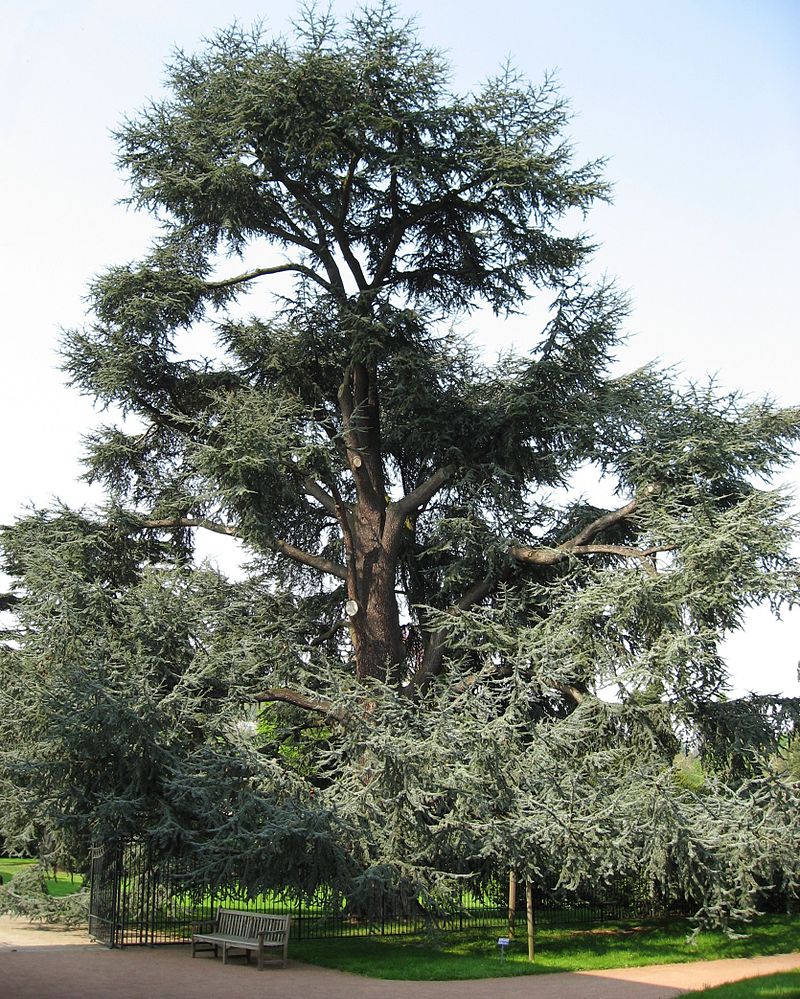
Cedar of Lebanon is one of the most famous and historically significant trees in the world. Native to the mountains of Lebanon, Syria, and parts of Turkey, this majestic evergreen has been admired for thousands of years for its immense size, broad layered branches, fragrant wood, and remarkable longevity.
Young trees develop a handsome pyramidal shape, but with age they transform into one of the most distinctive silhouettes in the plant kingdom. Mature specimens develop massive horizontal branches that spread outward in broad tiers, creating an architectural appearance unlike any other conifer.
In ideal conditions, Cedar of Lebanon may reach heights of 60 to 100 feet and spread equally wide. The rich green to blue-green needles remain attractive year-round, while the rugged bark and massive trunk contribute to its commanding presence.
Few specimen trees convey a greater sense of permanence, dignity, and grandeur than a mature Cedar of Lebanon.
Landscape Uses- Specimen lawn tree
- Estate landscapes
- Historic gardens
- Park plantings
- Memorial plantings
- Large shade tree
- Collector conifer gardens
- Legacy tree plantings
Cedar of Lebanon is best utilized where its mature form can be fully appreciated. Given adequate space, it becomes one of the most impressive landscape trees in existence.
Important Landscape NoteThis species requires significant room for its eventual spread. While growth is moderate during youth, mature trees develop enormous horizontal branches that can extend many feet from the trunk.
Germination Information- Cold stratify seeds for 30-60 days.
- Sow seeds approximately ¼ inch deep.
- Maintain temperatures between 60-75°F.
- Keep evenly moist but not saturated.
- Provide bright indirect light.
- Germination typically occurs within 2-8 weeks.
- Botanical Name: Cedrus libani
- Plant Type: Evergreen Conifer Tree
- USDA Zones: 5-9
- Sun Exposure: Full Sun
- Mature Height: 60-100 Feet
- Mature Spread: 40-80 Feet
- Growth Rate: Moderate
- Soil Preference: Well-drained soils
- Water Requirements: Moderate
Cedar of Lebanon prefers deep, well-drained soils and adapts to a wide variety of conditions once established. Mature trees demonstrate excellent drought tolerance and longevity.
Container GrowingYoung seedlings can be maintained in containers for several years. Due to the tree's eventual size and extensive root system, permanent landscape planting is strongly recommended.
Germination: 30-50%.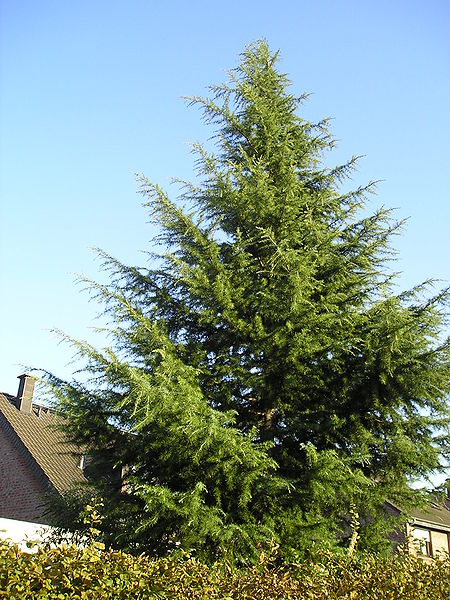
Deodar Cedar is one of the most graceful and majestic evergreen trees in the world. Native to the western Himalayas of India, Pakistan, Nepal, and Afghanistan, this magnificent conifer is admired for its elegant drooping branches, soft blue-green needles, and stately pyramidal form.
The name "Deodar" comes from the ancient Sanskrit phrase Devadaru, meaning "Tree of the Gods," reflecting the reverence this species has received for thousands of years. Young trees develop a perfectly symmetrical pyramidal form with gracefully arching branch tips, while mature specimens become broad, imposing landscape landmarks.
Mature trees commonly reach 50 to 80 feet in cultivation, though ancient specimens in their native mountain habitats may exceed 150 feet in height. The soft, silvery-green to blue-green foliage remains attractive year-round and creates a refined appearance unlike most other conifers.
As a lawn specimen, few evergreens offer the same combination of elegance, beauty, and historical significance.
Landscape Uses- Specimen lawn tree
- Estate landscapes
- Large shade tree
- Evergreen focal point
- Memorial plantings
- Park landscapes
- Collector conifer gardens
- Historic landscapes
Its naturally graceful form makes Deodar Cedar one of the finest specimen conifers for large residential properties and public landscapes.
Important Landscape NoteAllow adequate room for mature growth. Deodar Cedar eventually develops a broad canopy and becomes most impressive when planted where its natural shape can fully develop without crowding.
Germination Information- Cold stratify seeds for 30-60 days.
- Sow approximately ¼ inch deep.
- Maintain temperatures between 60-75°F.
- Keep evenly moist but not saturated.
- Provide bright indirect light.
- Germination generally occurs within 2-6 weeks.
- Botanical Name: Cedrus deodara
- Plant Type: Evergreen Conifer Tree
- USDA Zones: 7-9
- Sun Exposure: Full Sun
- Mature Height: 50-80+ Feet
- Mature Spread: 30-50 Feet
- Growth Rate: Moderate to Fast
- Soil Preference: Well-drained soils
- Water Requirements: Moderate
Deodar Cedar adapts well to many soil types provided drainage is good. Once established, it demonstrates excellent drought tolerance and long-term landscape durability.
Container GrowingYoung plants can be grown in containers for several years and are occasionally used as living holiday trees. Long-term success requires permanent landscape planting due to the tree's eventual size.
Pollinator & Wildlife ValueAlthough wind-pollinated, Deodar Cedar provides valuable habitat for birds and wildlife. The dense evergreen canopy offers nesting locations, winter shelter, and year-round cover.
Mature specimens often become important wildlife refuge trees within the landscape.
Historical & Cultural SignificanceFor centuries, Deodar Cedar has been regarded as sacred throughout portions of the Himalayan region. Ancient temples and religious sites were frequently constructed near these trees, and the durable, fragrant wood was highly prized for building and carving.
Its association with spirituality, strength, and longevity led to its reputation as the "Tree of the Gods." Many historic specimens still stand near temples and mountain villages throughout northern India and Nepal.
The species was introduced into Europe during the nineteenth century and quickly became one of the world's most admired ornamental conifers.
Botanical Facts- Member of the Pine Family (Pinaceae).
- Native to the Himalayan Mountains.
- Name means "Tree of the Gods."
- Produces distinctive upright barrel-shaped cones.
- Features graceful drooping branch tips.
- Can live for several hundred years.
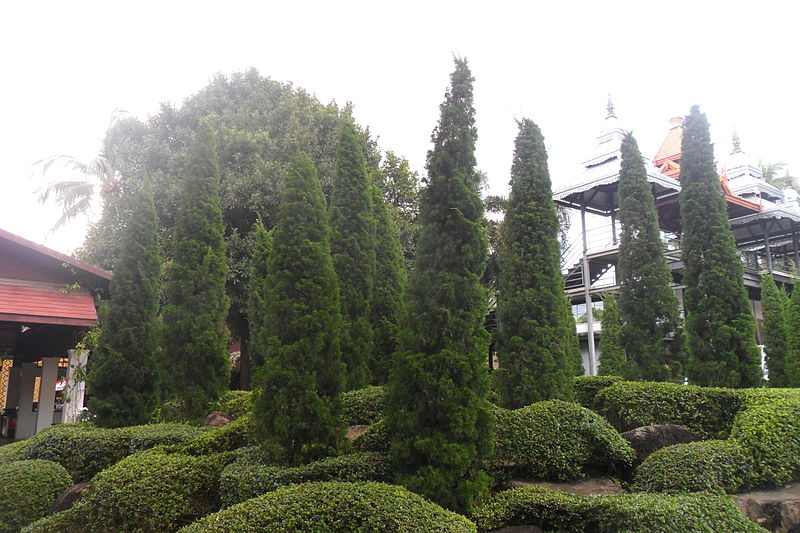
Pyramid Chinese Juniper (Juniperus chinensis) is one of the most dependable and versatile evergreen landscape trees available. Valued for its naturally dense pyramidal shape, attractive blue-green foliage, and remarkable adaptability, this handsome conifer has become a favorite for homeowners, landscapers, and collectors alike. Its formal appearance requires little maintenance, making it an excellent choice for specimen plantings, privacy screens, and architectural accents.
Native to China, Mongolia, Japan, and Korea, Chinese Juniper has been cultivated for centuries and has produced numerous ornamental selections. The Pyramid form offers a classic evergreen silhouette that provides year-round color, structure, and elegance in the landscape.
Plant Characteristics- Botanical Name: Juniperus chinensis
- Common Names: Pyramid Chinese Juniper, Chinese Juniper
- Plant Type: Evergreen Conifer
- Mature Height: 15 to 40 feet
- Mature Spread: 8 to 15 feet
- Growth Rate: Moderate
- Sun Exposure: Full Sun
- USDA Zones: 4-9
The naturally symmetrical form makes Pyramid Chinese Juniper one of the most useful evergreens in landscape design.
- Specimen lawn tree
- Privacy screens
- Property borders
- Foundation plantings
- Formal gardens
- Evergreen accents
- Windbreaks
- Asian-inspired landscapes
Pyramid Chinese Juniper develops its best form in full sun. Its naturally dense growth habit usually eliminates the need for routine pruning, allowing the tree to maintain an attractive appearance with minimal effort.
Germination InformationJuniper seeds naturally possess dormancy mechanisms and may require patience.
- Soak seeds in water for 24 hours.
- Warm stratify for 60-90 days.
- Follow with cold stratification for 90-120 days at 34-40°F.
- Sow in well-drained growing medium.
- Maintain even moisture.
- Germination may occur over an extended period.
Chinese Juniper is exceptionally adaptable and tolerates a wide variety of environmental conditions.
- Excellent drought tolerance
- Adaptable to poor soils
- Cold hardy
- Heat tolerant
- Low maintenance
Once established, the tree requires little supplemental watering and performs well even in challenging locations.
Container GrowingYoung plants can be successfully grown in large containers for many years. The species is also highly regarded as a bonsai subject due to its attractive foliage and adaptability to pruning.
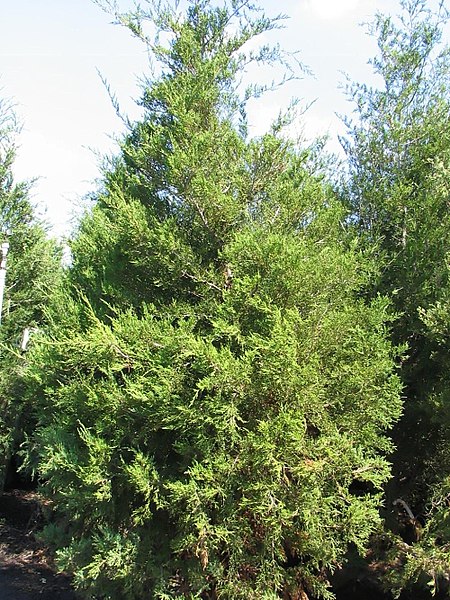
Eastern Red Cedar (Juniperus virginiana) is one of the most useful and adaptable native evergreen trees in North America. Found growing naturally from Canada to the Gulf Coast, this rugged conifer is prized for its year-round beauty, wildlife value, fragrant wood, drought tolerance, and remarkable ability to thrive in difficult conditions. Despite its common name, Eastern Red Cedar is actually a juniper and belongs to the cypress family.
Its dense evergreen foliage ranges from rich green to blue-green, often taking on attractive bronze or purplish tones during winter. Mature female trees produce decorative blue berry-like cones that provide an important food source for birds and wildlife. With its pyramidal form, durability, and low maintenance requirements, Eastern Red Cedar remains one of the finest native landscape trees available.
Plant Characteristics- Botanical Name: Juniperus virginiana
- Common Names: Eastern Red Cedar, Red Juniper, Virginia Juniper
- Plant Type: Evergreen Conifer
- Mature Height: 30 to 60 feet
- Mature Spread: 10 to 25 feet
- Growth Rate: Moderate
- Sun Exposure: Full Sun
- USDA Zones: 2-9
Eastern Red Cedar is exceptionally versatile and adapts to a wide variety of landscape situations.
- Specimen lawn tree
- Windbreaks
- Privacy screens
- Wildlife plantings
- Naturalized landscapes
- Farm and ranch wind protection
- Erosion control projects
- Native tree collections
Eastern Red Cedar thrives where many other trees struggle. It tolerates drought, poor soils, rocky conditions, heat, cold, and wind, making it one of the most dependable native evergreens available.
Germination InformationEastern Red Cedar seeds naturally possess dormancy and benefit from stratification.
- Remove seeds from ripe berries.
- Warm stratify for 60-90 days.
- Follow with cold stratification for 90-120 days.
- Sow in well-drained growing medium.
- Keep evenly moist.
- Germination may occur gradually over several months.
Eastern Red Cedar grows best in full sun and well-drained soils but is highly adaptable to a wide range of conditions.
- Excellent drought tolerance
- Cold hardy
- Heat tolerant
- Tolerates poor soils
- Low maintenance
Once established, the tree typically requires little supplemental watering and performs reliably for decades.
Container GrowingYoung trees may be grown in large containers for several years. The species is also widely used in bonsai due to its attractive bark, evergreen foliage, and adaptability to shaping.
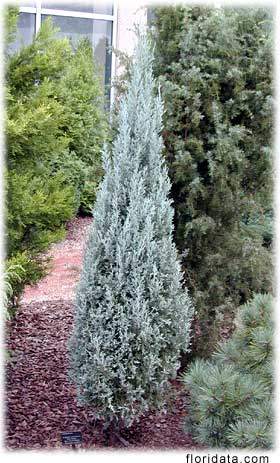
Rocky Mountain Juniper (Juniperus scopulorum) is one of the most rugged, drought-tolerant, and picturesque native evergreens in North America. Found naturally throughout the Rocky Mountains and western United States, this handsome conifer thrives in rocky soils, windswept ridges, and harsh mountain environments where few other trees can survive. Its attractive blue-green foliage, naturally pyramidal shape, and exceptional adaptability have made it a favorite for landscapes, windbreaks, wildlife plantings, and xeriscape gardens.
In the wild, Rocky Mountain Junipers often develop twisted trunks and weathered forms that reflect centuries of exposure to mountain conditions. In cultivation, they typically form elegant, narrow pyramids that provide year-round color and structure while requiring very little maintenance.
Plant Characteristics- Botanical Name: Juniperus scopulorum
- Common Names: Rocky Mountain Juniper, Mountain Red Cedar
- Plant Type: Evergreen Conifer
- Mature Height: 20 to 50 feet
- Mature Spread: 8 to 20 feet
- Growth Rate: Moderate
- Sun Exposure: Full Sun
- USDA Zones: 3-8
Rocky Mountain Juniper is one of the finest evergreens for difficult sites where reliability and low maintenance are priorities.
- Specimen lawn tree
- Windbreaks
- Privacy screens
- Xeriscape gardens
- Wildlife habitat plantings
- Mountain-themed landscapes
- Erosion control projects
- Native tree collections
This species excels in dry climates and poor soils where many landscape trees struggle. Once established, Rocky Mountain Juniper is extremely drought tolerant and requires very little supplemental care.
Germination InformationJuniper seeds naturally possess dormancy and may require patience.
- Remove seeds from ripe berry-like cones.
- Warm stratify for 60-90 days.
- Cold stratify for 90-120 days at 34-40°F.
- Sow in a well-drained growing medium.
- Maintain even moisture.
- Germination may occur gradually over several months.
Rocky Mountain Juniper prefers full sun and excellent drainage. It is highly adaptable to difficult growing conditions.
- Outstanding drought tolerance
- Excellent cold hardiness
- Tolerates poor soils
- Wind resistant
- Low maintenance
Avoid poorly drained sites, as excessive soil moisture is one of the few conditions this species dislikes.
Container GrowingYoung plants can be maintained in containers for several years. The species is also highly valued for bonsai due to its rugged appearance, attractive bark, and natural character.
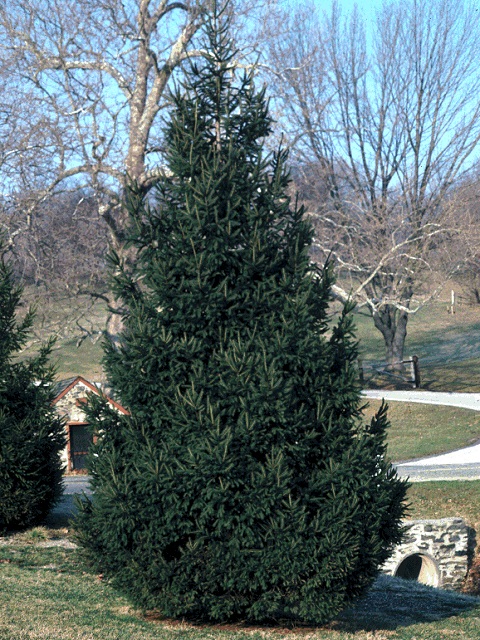
Norway Spruce is one of the most widely planted and recognizable evergreen trees in the world. Native to northern and central Europe, this majestic conifer is admired for its rapid growth, graceful drooping branchlets, rich green foliage, and outstanding adaptability.
Young trees develop a classic pyramidal shape that remains attractive for decades. As they mature, the branches become more horizontal, with secondary branchlets gracefully hanging downward, creating the elegant silhouette for which the species is famous.
Mature specimens commonly reach 60 to 100 feet in height, with exceptional trees growing even larger. The dense evergreen canopy provides year-round color and structure, making Norway Spruce one of the finest specimen trees for lawns, parks, and large landscapes.
Its stately form, dependable growth, and handsome appearance have made it a favorite landscape conifer for centuries.
Landscape Uses- Specimen lawn tree
- Evergreen focal point
- Windbreaks
- Privacy screens
- Estate landscapes
- Park plantings
- Wildlife habitat plantings
- Christmas tree production
As a standalone lawn specimen, Norway Spruce develops into a magnificent evergreen centerpiece that remains attractive throughout the year.
Important Landscape NoteNorway Spruce grows relatively quickly compared to many conifers and should be planted where its eventual height and spread can be accommodated. It performs especially well in cooler climates.
Germination Information- Cold stratify seeds for 30-60 days.
- Sow seeds lightly and cover with a thin layer of growing medium.
- Maintain temperatures between 60-70°F.
- Keep evenly moist.
- Provide bright indirect light.
- Germination generally occurs within 2-6 weeks.
- Botanical Name: Picea abies
- Plant Type: Evergreen Conifer Tree
- USDA Zones: 3-7
- Sun Exposure: Full Sun
- Mature Height: 60-100 Feet
- Mature Spread: 25-40 Feet
- Growth Rate: Fast
- Soil Preference: Well-drained soils
- Water Requirements: Moderate
Norway Spruce adapts to a wide range of soil types and is highly tolerant of cold winters. Once established, it becomes a durable and long-lived landscape tree requiring minimal maintenance.
Container GrowingYoung seedlings may be grown in containers for several years, but the tree's eventual size makes permanent landscape planting the preferred option.
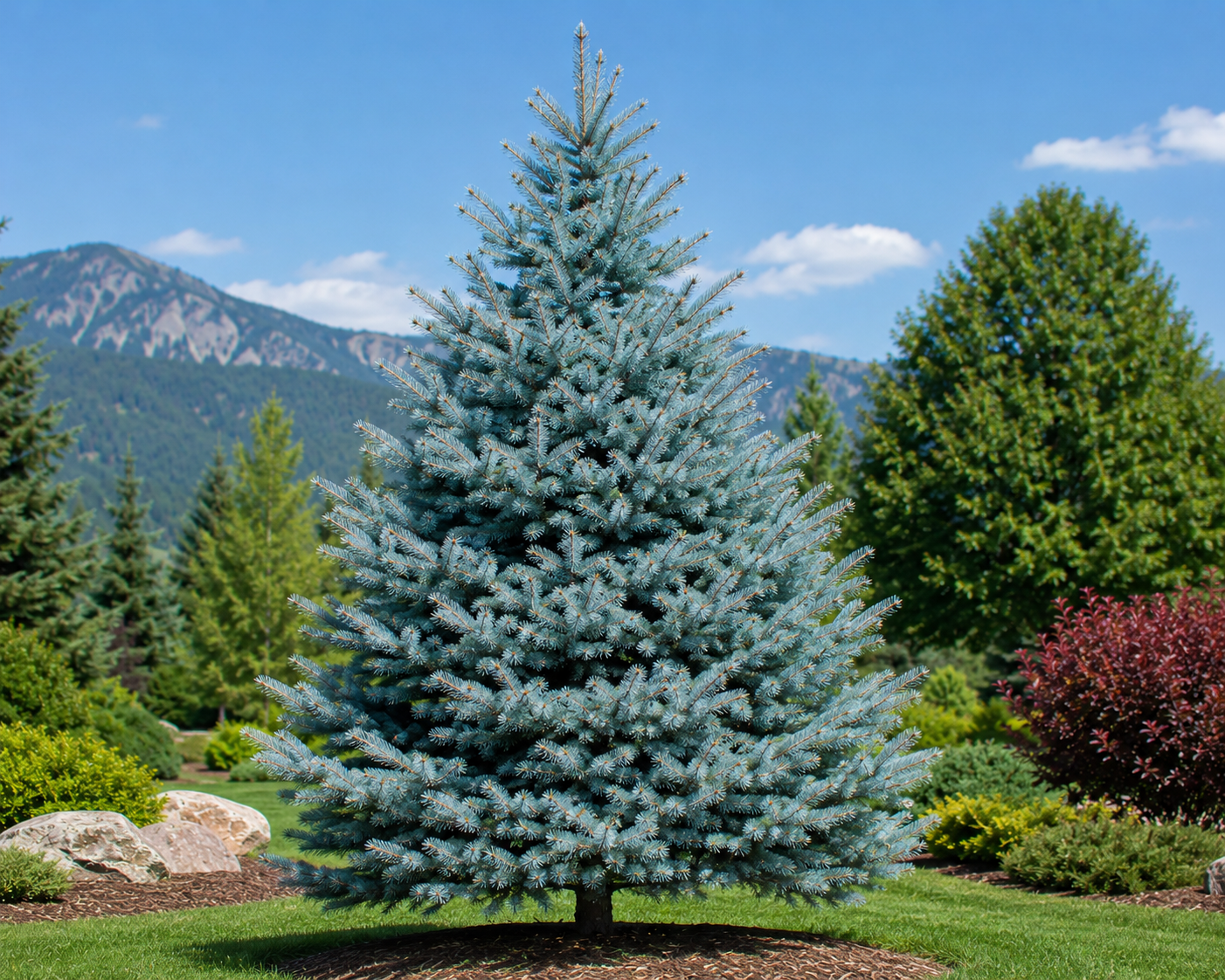
Colorado Blue Spruce (Picea pungens) is one of the most recognizable and beloved evergreen trees in North America. Famous for its striking silvery-blue needles, perfectly symmetrical pyramidal form, and exceptional cold hardiness, this magnificent conifer has become a favorite specimen tree for lawns, parks, and landscapes throughout much of the United States and Canada.
Native to the Rocky Mountains of Colorado, Utah, Wyoming, New Mexico, and Arizona, Colorado Blue Spruce naturally grows along mountain streams and cool slopes. Its intense blue coloration, which can range from blue-green to brilliant silver-blue, makes it one of the most ornamental conifers available. Whether planted as a specimen tree, windbreak, or Christmas tree, it provides year-round beauty and strong architectural presence.
Plant Characteristics- Botanical Name: Picea pungens
- Common Names: Colorado Blue Spruce, Blue Spruce, Colorado Spruce
- Plant Type: Evergreen Conifer
- Mature Height: 40 to 75 feet
- Mature Spread: 15 to 25 feet
- Growth Rate: Moderate
- Sun Exposure: Full Sun
- USDA Zones: 2-7
Colorado Blue Spruce serves as one of the finest specimen conifers available and provides beauty in all seasons.
- Specimen lawn tree
- Christmas tree production
- Windbreaks
- Privacy screens
- Estate landscapes
- Park plantings
- Mountain-themed gardens
- Conifer collections
Colorado Blue Spruce develops its best blue coloration in full sun. Allow sufficient room for the tree to mature naturally, as older specimens become magnificent landscape centerpieces.
Germination InformationSeeds benefit from cold stratification before planting.
- Soak seeds in water for 24 hours.
- Cold stratify for 30 to 60 days at 34-40°F.
- Sow seeds lightly covered with growing medium.
- Maintain temperatures of 60-70°F.
- Keep soil consistently moist but not saturated.
- Germination usually occurs within 2 to 6 weeks.
Colorado Blue Spruce performs best in well-drained soils and full sun. Once established, it is remarkably hardy and relatively low maintenance.
- Exceptional cold hardiness
- Moderate drought tolerance
- Excellent wind resistance
- Long-lived species
- Low maintenance
Good air circulation helps maintain healthy foliage, particularly in humid climates.
Container GrowingYoung trees can be maintained in containers for several years but eventually require landscape planting due to their mature size and extensive root systems.
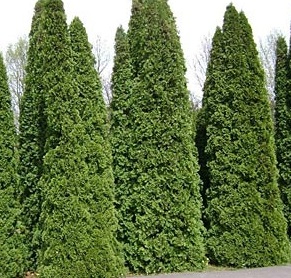
Northern White Cedar is one of North America's most versatile and widely planted evergreen trees. Native to the northeastern United States and Canada, this graceful conifer is prized for its dense evergreen foliage, adaptability, exceptional cold hardiness, and year-round beauty.
In natural settings, Northern White Cedar may reach heights of 40 to 60 feet, though cultivated landscape specimens are often smaller. The tree develops a narrow pyramidal form with flattened sprays of soft, aromatic foliage that maintain a rich green color throughout the growing season and often take on attractive bronze tones during winter.
The fibrous reddish-brown bark and naturally symmetrical shape add to its ornamental appeal. Whether planted as a specimen lawn tree or used in screens and windbreaks, Northern White Cedar provides structure and elegance throughout the year.
Its soft texture and refined appearance make it one of the most valuable evergreen landscape trees available.
Landscape Uses- Specimen lawn tree
- Privacy screens
- Windbreaks
- Foundation plantings
- Wildlife habitat gardens
- Formal landscapes
- Evergreen borders
- Cold-climate landscapes
As a standalone specimen, Northern White Cedar offers year-round color and architectural beauty while requiring relatively little maintenance.
Important Landscape NoteNorthern White Cedar is exceptionally cold hardy and remains attractive throughout severe winters. Its ability to tolerate snow, ice, and harsh northern climates has made it a cornerstone of landscape design across much of North America.
Germination Information- Cold stratify seeds for 30-60 days.
- Sow seeds lightly on the soil surface.
- Cover with a very thin layer of growing medium.
- Maintain temperatures between 60-70°F.
- Keep evenly moist.
- Germination generally occurs within 2-6 weeks.
- Botanical Name: Thuja occidentalis
- Plant Type: Evergreen Conifer Tree
- USDA Zones: 2-7
- Sun Exposure: Full Sun to Partial Shade
- Mature Height: 30-60 Feet
- Mature Spread: 10-20 Feet
- Growth Rate: Moderate
- Soil Preference: Moist, well-drained soils
- Water Requirements: Moderate
Northern White Cedar adapts well to a wide variety of soils and is particularly tolerant of moist locations. Once established, it becomes a dependable and long-lived landscape tree.
Container GrowingYoung plants perform well in containers for several years and are often grown as patio specimens. Long-term growth is best achieved when planted in the landscape where roots have ample room to develop.
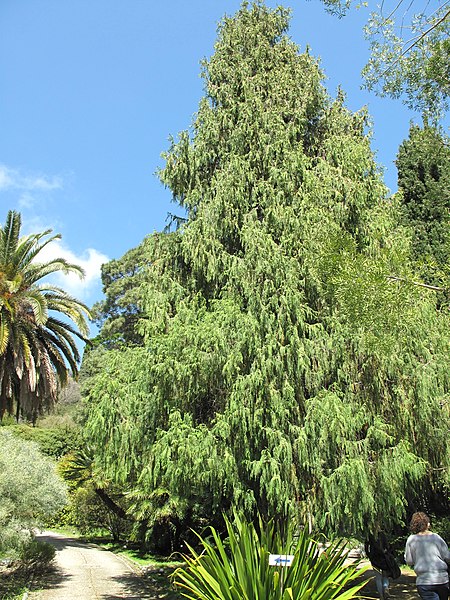
Bhutan Cypress (Cupressus torulosa) is one of the most elegant and sacred evergreen trees of the Himalayan region. Native to the mountainous forests of Bhutan, Nepal, Tibet, and northern India, this magnificent conifer is admired for its graceful drooping branches, soft blue-green foliage, aromatic wood, and impressive stature. In its native homeland, Bhutan Cypress is considered the national tree of Bhutan and is often planted near monasteries, temples, and sacred sites.
Unlike many rigid, formal conifers, Bhutan Cypress develops a graceful, flowing appearance with pendulous branchlets that sway gently in the wind. Its distinctive texture and naturally elegant form make it a standout specimen tree in landscapes and conifer collections.
Plant Characteristics- Botanical Name: Cupressus torulosa
- Common Names: Bhutan Cypress, Himalayan Cypress, Torulosa Cypress
- Plant Type: Evergreen Conifer
- Mature Height: 40 to 80 feet
- Mature Spread: 15 to 30 feet
- Growth Rate: Moderate
- Sun Exposure: Full Sun
- USDA Zones: 7-10
Bhutan Cypress is an outstanding choice for gardeners seeking an unusual and elegant evergreen specimen.
- Specimen lawn tree
- Estate landscapes
- Evergreen screens
- Conifer collections
- Meditation gardens
- Asian-inspired landscapes
- Windbreaks
- Sacred or memorial plantings
Bhutan Cypress develops its most attractive form when given adequate space to mature naturally. Its graceful drooping branches are a major ornamental feature and should not be heavily pruned.
Germination InformationSeeds benefit from cold stratification before planting.
- Soak seeds in water for 24 hours.
- Cold stratify for 30 to 60 days at 34-40°F.
- Sow shallowly in well-drained growing medium.
- Maintain temperatures of 60-70°F.
- Keep soil evenly moist.
- Germination typically occurs within several weeks.
Bhutan Cypress prefers full sun and well-drained soils. Once established, it demonstrates moderate drought tolerance and excellent adaptability.
- Prefers well-drained soil
- Moderately drought tolerant
- Excellent landscape specimen
- Low maintenance once established
- Long-lived evergreen
Young trees benefit from regular watering during establishment and protection from prolonged waterlogged conditions.
Container GrowingSeedlings can be maintained in containers during their early years, but the species ultimately develops into a large landscape tree and should be transplanted to a permanent location while young.