
Seeds for Living Knick Knack Plants
It is also an excellent way to introduce children to the joy of gardening, and the small potted plants make wonderful, thoughtful gifts for the family and your dearest friends.
We have provided a list of our favorite seeds for growing plants in 4-10" pots.
You've probably tried small potted plants from your local garening center in the past, only to find out that they need watering daily, and often die without cause. That is usually because they have been subjected to growth hormones and overfeeding, causing them to become stressed and rootbound. This is not the case when you grow your own plants from seeds.
We've picked out some of our favorite seeds for Living Knick
Knack Plants below, hope you enjoy yours as much as we enjoy
ours!
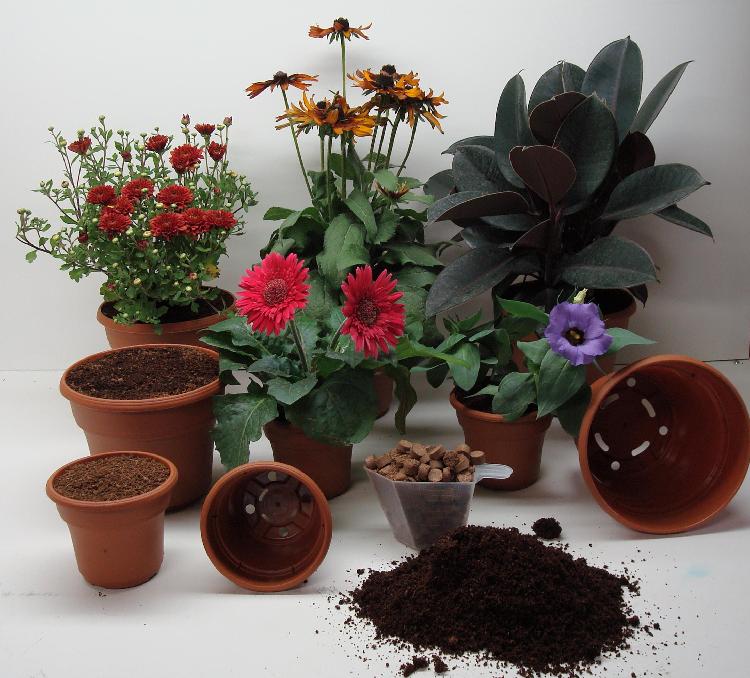
Seeds for Plants that will grow in six inch and four inch pots
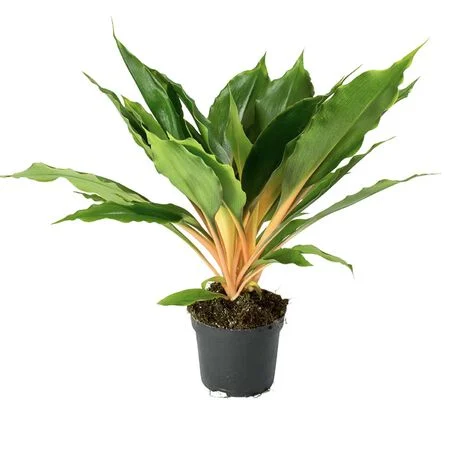
Princess Mabel Spider Plant is a charming and easy-care houseplant selection grown for its graceful, arching foliage and attractive indoor display value. Spider Plants have long been favorites for windowsills, hanging baskets, plant stands, and bright indoor spaces because they are dependable, forgiving, and wonderfully decorative.
With its fountain-like growth habit, Princess Mabel creates a soft, lively look indoors. Mature plants may produce slender stems with small plantlets, often called “spiderettes,” which dangle from the parent plant and give Spider Plants their familiar cascading appearance.
Why Grow Princess Mabel Spider Plant?- Excellent easy-care houseplant for beginners.
- Attractive arching foliage for shelves, tables, and hanging baskets.
- Useful for brightening homes, offices, sunrooms, and patios.
- Can produce baby plantlets that are easy to root and share.
- Adaptable to a range of indoor conditions.
- A classic plant with a fresh, graceful appearance.
Spider Plants are among the most recognizable indoor plants, and Princess Mabel adds that same cheerful, dependable beauty to the home. Its arching leaves give movement and texture to indoor plant displays, while its compact growth makes it suitable for both small and large spaces.
It is especially attractive in hanging containers, where the foliage and plantlets can trail naturally over the edge of the pot.
Growing as a Houseplant- Light: Grows best in bright, indirect light. Avoid intense direct afternoon sun indoors, which may scorch leaves.
- Water: Water when the top inch of soil begins to dry. Spider Plants prefer even moisture but do not like soggy soil.
- Soil: Use a well-draining houseplant potting mix.
- Temperature: Performs well in normal household temperatures.
- Humidity: Average indoor humidity is usually sufficient.
- Fertilizer: Feed lightly during active growth with a diluted houseplant fertilizer.
Princess Mabel Spider Plant is well suited to hanging baskets, decorative pots, pedestal planters, and mixed houseplant groupings. Choose a container with drainage holes and avoid allowing the pot to sit in standing water for long periods.
If the plant produces offsets, these may be left on the plant for a cascading effect or rooted in small pots to start new plants.
PropagationSpider Plants are famous for their easy propagation. Small plantlets can often be rooted by placing them on moist potting mix while still attached to the parent plant, or by cutting them free and planting them separately once small roots have formed.
Seed GerminationSow seeds in a fine, well-draining seed-starting mix. Press lightly into the surface and cover very lightly. Keep warm, evenly moist, and in bright indirect light. Germination time can vary, so patience is helpful. Once seedlings are large enough to handle, transplant carefully into small pots.
Care Notes- Brown leaf tips may occur from dry air, inconsistent watering, or mineral buildup in water.
- Trim damaged leaf tips with clean scissors if desired.
- Repot when roots become crowded or the plant dries too quickly between waterings.
- Use rainwater or filtered water if leaf-tip browning becomes a problem.
Christmas Tree Edible Ornamental Pepper is a colorful compact pepper variety grown for both its attractive display and its edible, spicy fruits. The plants produce an abundance of small upright peppers that mature through shades of cream, yellow, orange, purple, and red, creating a festive multicolor effect that gives this variety its cheerful name. With glossy green foliage and bright cone-shaped fruits held above the leaves, it makes an outstanding container plant for patios, porches, decks, and seasonal garden displays.
This variety is especially useful where ornamental value and kitchen usefulness are both desired. The peppers are decorative enough for planters and holiday-themed displays, yet they are also edible and can be used carefully in cooking wherever a hot pepper accent is wanted. Plants stay manageable in size, making them well suited for pots, mixed containers, raised beds, and small garden spaces.
Garden Uses
Christmas Tree Edible Ornamental Pepper is excellent for containers, patio planters, porch displays, edible landscaping, borders, and small-space gardens. Its upright fruiting habit creates a bright display above the foliage, making it useful as a colorful accent plant among herbs, flowers, and other vegetables. It can also be grown in decorative pots and brought into a bright protected area for short-term seasonal display.
This pepper is a fine choice for gardeners who want an ornamental plant that also provides edible fruit. It pairs well with marigolds, basil, thyme, parsley, alyssum, and compact annual flowers. In mixed containers, it adds height, shine, and vivid color from midsummer into fall.
Growing Information
Start seeds indoors 8 to 10 weeks before the last expected frost. Sow seeds about 1/4 inch deep in a warm seed-starting mix. Pepper seeds germinate best with steady warmth, ideally 75 to 85 degrees F. Germination usually occurs in 10 to 21 days. Keep seedlings in bright light and avoid overwatering.
Transplant outdoors after all danger of frost has passed and nighttime temperatures are consistently warm. Grow in full sun and fertile, well-drained soil. For containers, use a quality potting mix and a pot with good drainage. Keep plants evenly moist, but do not allow the soil to remain soggy. Regular feeding helps maintain strong growth and heavy fruit production.
Peppers can be harvested at any color stage, though flavor and heat often intensify as the fruits mature. Use caution when handling hot peppers, and wash hands after harvesting or cutting the fruits.
Seedman Notes
Christmas Tree Edible Ornamental Pepper is a wonderful choice for customers who enjoy plants that are both attractive and useful. It makes a very showy container plant, especially when grown in a decorative pot near an entryway, patio, or porch. The multicolor peppers give the plant a festive look from summer into fall. While edible, the fruits should be treated as hot peppers and used sparingly until the gardener is familiar with their heat level.
Quick Facts
- Botanical Name: Capsicum annuum
- Common Name: Christmas Tree Edible Ornamental Pepper
- Plant Type: Tender annual vegetable and ornamental
- Height: 12 to 18 inches
- Spread: 12 to 16 inches
- Fruit Color: Cream, yellow, orange, purple, and red
- Fruit Habit: Small upright peppers
- Flavor: Hot pepper
- Sun Requirements: Full sun
- Soil Type: Fertile, well-drained soil or quality potting mix
- Water Needs: Moderate and consistent
- Best Use: Containers, edible landscaping, patio displays, borders
- Pollinator Friendly: Yes
- Good for Containers: Excellent
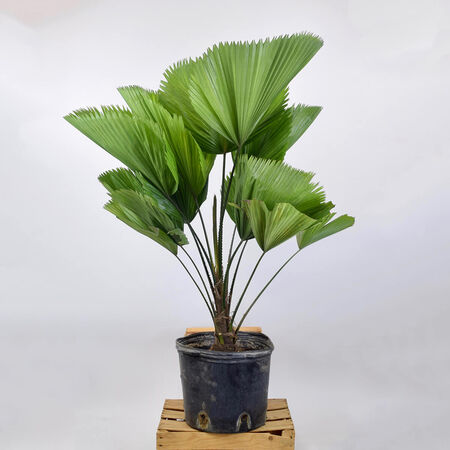
Ruffled Fan Palm is one of the most spectacular and elegant palms that can be grown as a houseplant. Famous for its nearly perfect circular leaves, deeply pleated texture, and rich tropical appearance, Licuala grandis is often considered one of the most beautiful palms in cultivation.
Native to the rainforests of the South Pacific, this remarkable palm brings an unmistakable tropical atmosphere indoors. Its dramatic fan-shaped leaves create an exotic appearance unlike any other palm, making it a prized specimen among collectors and interior plant enthusiasts.
A Masterpiece of NatureThe foliage of Ruffled Fan Palm appears almost handcrafted. Each leaf forms a near-perfect circle with deeply pleated segments radiating outward like an ornamental fan. The result is a dramatic display that immediately captures attention.
Few palms possess foliage as distinctive or visually striking as Licuala grandis.
Growing as a Houseplant- Light: Bright indirect light is ideal.
- Water: Keep soil evenly moist but never soggy.
- Soil: Rich, well-drained potting mix.
- Humidity: Appreciates moderate to high humidity.
- Temperature: Prefers warm conditions year-round.
- Fertilizer: Feed lightly during active growth.
Ruffled Fan Palm adapts exceptionally well to container growing and can remain an attractive indoor specimen for many years. Decorative containers help showcase the dramatic foliage, while proper drainage encourages healthy root development.
Its relatively slow growth makes it particularly suitable for indoor culture compared to many larger palm species.
Indoor Decorating ValueFew houseplants create the same level of visual impact as a healthy Ruffled Fan Palm. Its large circular leaves provide an instant tropical focal point and pair beautifully with orchids, ferns, philodendrons, and other rainforest plants.
Whether displayed in a living room, sunroom, office, or conservatory, this palm immediately elevates the space with its exotic elegance.
Seed GerminationSow seeds in a warm, moist seed-starting medium and maintain high humidity. Consistent warmth is important, as palm seeds generally germinate best under tropical conditions. Germination may require patience, but the resulting plants are well worth the wait.
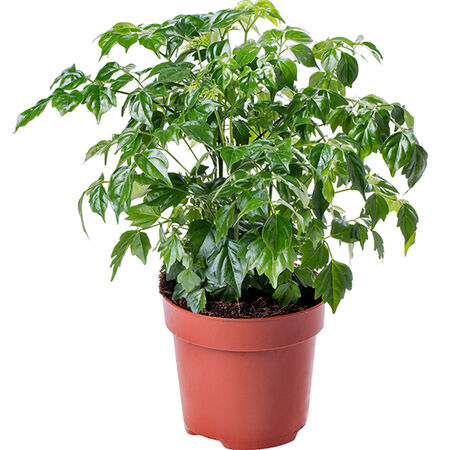
China Doll Plant is one of the most elegant foliage houseplants available, prized for its finely textured, glossy green leaves and graceful tree-like appearance. Known botanically as Radermachera sinica, this beautiful tropical species creates an airy, refined look that brightens homes, offices, sunrooms, and indoor plant collections.
Its delicate, fern-like foliage gives the impression of a miniature indoor tree while maintaining a soft and graceful character. Few houseplants combine such lush tropical beauty with such refined elegance.
Why Grow China Doll Plant?- Beautiful glossy foliage with fine texture.
- Elegant tree-like growth habit.
- Excellent specimen plant for bright interiors.
- Adds a tropical yet sophisticated appearance.
- Long-lived when properly cared for.
- Ideal for homes, offices, and conservatories.
China Doll Plant is native to the warm subtropical regions of southern China and Taiwan. In its natural habitat, it grows as a handsome evergreen tree with glossy foliage and occasional fragrant flowers. Indoors, it develops into an attractive small tree that retains the lush appearance of its tropical origins.
The finely divided leaves create a delicate appearance, but the plant itself is surprisingly sturdy once established.
Growing as a Houseplant- Light: Bright indirect light is ideal.
- Water: Keep evenly moist but never waterlogged.
- Soil: Use a fertile, well-drained houseplant mix.
- Humidity: Appreciates moderate humidity.
- Temperature: Prefers warm temperatures and protection from drafts.
- Fertilizer: Feed lightly during active growth.
China Doll Plants prefer consistency. Once they find a location they like, they often perform beautifully for years. Sudden changes in light, temperature, or watering can sometimes cause temporary leaf drop, but healthy plants generally recover quickly once conditions stabilize.
Regular care and a stable environment are the keys to maintaining a full, lush specimen.
Container CultureChina Doll Plant thrives in containers and can gradually develop into an impressive indoor tree. Decorative pots help showcase its elegant form, while occasional pruning encourages denser branching and a fuller canopy.
Its upright growth habit makes it ideal for corners, entryways, offices, and bright living spaces.
Indoor Decorating ValueThe finely textured foliage of China Doll Plant softens interior spaces and blends beautifully with both tropical and traditional décor. It pairs exceptionally well with larger-leaved houseplants such as Ficus, Philodendrons, and Monsteras, providing an attractive contrast in texture.
Its refined appearance makes it one of the most sophisticated foliage plants available for indoor culture.
Seed GerminationSow seeds in a moist, well-drained seed-starting medium and provide warmth, humidity, and bright indirect light. Keep evenly moist during germination. Seedlings develop steadily and soon produce the attractive divided foliage that characterizes mature plants.
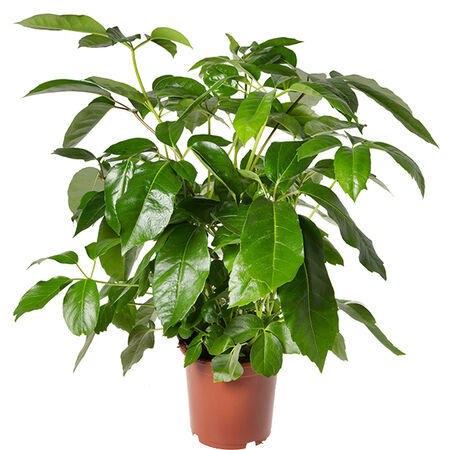
Octopus Plant, a distinctive form of Schefflera, is a striking tropical houseplant admired for its unusual growth habit and glossy umbrella-like foliage. Its nickname comes from the way its long leaf stems radiate outward from the central stem, resembling the tentacles of an octopus reaching in every direction.
Easy to grow, adaptable, and visually unique, Octopus Plant has become a favorite among houseplant enthusiasts seeking something a little different from traditional foliage plants. Its bold form and lush tropical appearance make it an outstanding addition to homes, offices, sunrooms, and conservatories.
A Plant with CharacterUnlike many ordinary foliage plants, Octopus Plant develops a distinctive architectural shape that immediately attracts attention. The long leaf stalks extend outward from the stem, each supporting clusters of glossy leaflets that create an umbrella-like effect.
The unusual arrangement gives the plant a dynamic, sculptural appearance that becomes increasingly impressive as it matures.
The Famous Umbrella LeavesScheffleras are often known as "Umbrella Plants" because their leaflets radiate from a central point much like the ribs of an umbrella. The glossy green foliage creates a lush tropical look that remains attractive throughout the year.
The leaves also help brighten indoor spaces by reflecting available light.
Native Origins Growing as a Houseplant- Light: Bright indirect light is ideal.
- Water: Allow the upper soil surface to dry slightly between waterings.
- Soil: Rich, well-drained potting mix.
- Humidity: Adapts well to average indoor humidity.
- Temperature: Thrives in normal household temperatures.
- Fertilizer: Feed lightly during active growth.
Octopus Plant performs exceptionally well in decorative containers where its unusual structure can be fully appreciated. It can be maintained as a compact tabletop specimen or allowed to develop into a larger floor plant.
Regular pruning encourages branching and helps maintain an attractive shape.
Indoor Decorating ValueThe bold tropical foliage makes Octopus Plant an excellent focal point in interior spaces. It pairs beautifully with palms, ferns, philodendrons, monsteras, and flowering houseplants while adding a strong architectural element to plant collections.
Its distinctive form ensures it rarely goes unnoticed.
A Favorite Office PlantScheffleras have long been popular in offices, hotels, shopping centers, and public buildings because of their attractive appearance and ability to adapt to indoor environments.
Their dependable nature has helped make them one of the world's most widely grown foliage plants.
Seed GerminationSow seeds in a warm, moist growing medium and provide bright indirect light. Maintain consistent moisture and warmth during germination. Seedlings establish steadily and gradually develop the characteristic umbrella-like foliage of mature plants.
Did You Know?The largest Schefflera species can eventually become impressive tropical trees in their native habitats. Indoors, however, they remain manageable and provide decades of attractive foliage when properly cared for.
Octopus Plant combines tropical beauty, unusual architecture, and dependable indoor performance, making it one of the most rewarding foliage plants for homes, offices, and conservatories.
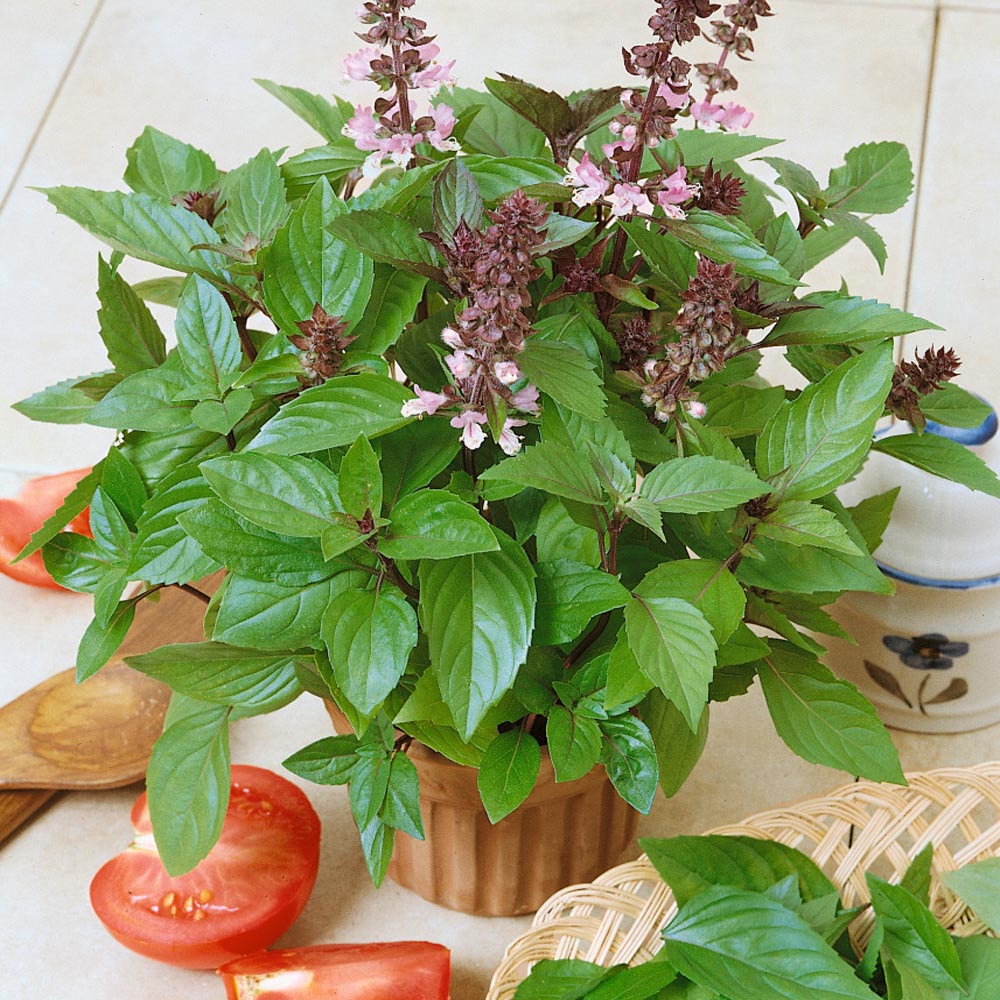
Cinnamon basil has a sweet, spicy aroma that smells and tastes like cinnamon, combined with a hint of mint. The plant has deep green, narrow leaves with reddish-purple veins and grows on striking dark purple stems. It is a heat-loving annual in cooler climates but can be a short-lived perennial in frost-free areas (USDA zones 10-11).
The sweet, cinnamon flavor makes it a great addition to desserts like ice cream, shortbread cookies, or fruit-based dishes. It pairs well with ingredients found in Asian and Indian cuisine, such as in marinades, fried rice, curries, and with roasted vegetables. You can use fresh leaves to make tea or infuse flavors into cocktails and honey.
The fragrant aroma can be enjoyed by using it in potpourri or simply by growing it for its scent. : Like other basils, cinnamon basil is known for its bug-repelling properties.
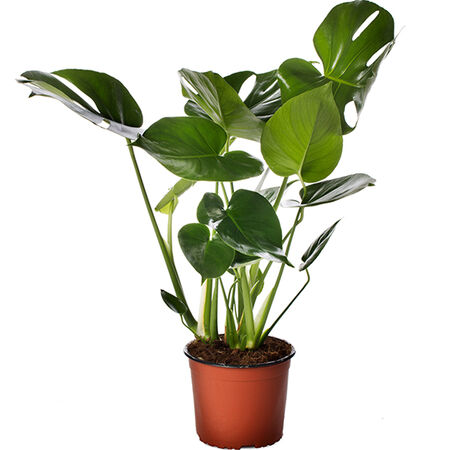
Tauerii Monstera is a rare tropical climbing aroid prized by collectors for its exotic foliage, vigorous growth, and rainforest character. Like many members of the Monstera family, this species develops increasingly impressive leaves as it matures, making it an exciting plant to grow and observe over time.
Native to tropical rainforests, Monstera tauerii naturally climbs trees in search of sunlight, using aerial roots to anchor itself as it ascends into the forest canopy. As a houseplant, it brings a touch of the jungle indoors and makes an outstanding specimen for bright rooms, conservatories, and tropical plant collections.
Why Grow Tauerii Monstera?- Rare and unusual Monstera species.
- Attractive tropical foliage with excellent collector appeal.
- Fast-growing under favorable conditions.
- Can be trained on poles, trellises, or moss supports.
- Adds a lush rainforest appearance to interiors.
- Excellent conversation piece for exotic plant enthusiasts.
In the wild, Monstera species grow beneath towering rainforest trees where humidity remains high throughout the year. Young plants often begin life on the forest floor before climbing upward toward brighter light. This climbing habit allows Monsteras to develop larger leaves as they mature and gain access to better growing conditions.
Tauerii Monstera follows this same strategy, rewarding patient growers with increasingly dramatic growth as the plant establishes itself.
Growing as a Houseplant- Light: Bright indirect light is ideal. Avoid prolonged harsh afternoon sun.
- Water: Water thoroughly when the upper portion of the growing mix begins to dry.
- Soil: Use a loose, well-draining aroid mix containing bark, perlite, and organic matter.
- Humidity: Prefers moderate to high humidity.
- Temperature: Thrives in warm indoor conditions.
- Fertilizer: Feed lightly during active growth.
Tauerii Monstera benefits greatly from a moss pole, plank, trellis, or other climbing structure. Providing support encourages larger foliage and more natural growth. Plants allowed to climb often develop more impressive leaves than those grown trailing from baskets.
Container CultureChoose containers with excellent drainage. Repot as needed when roots become crowded. A chunky aroid mix that balances moisture retention with airflow helps promote healthy root growth and vigorous foliage production.
Because Monsteras are naturally climbing plants, a sturdy support can be installed directly in the container when the plant is young.
Seed GerminationSow seeds in a sterile, well-drained seed-starting medium. Keep consistently warm and moist while maintaining good humidity. Bright indirect light is ideal. Fresh Monstera seed generally germinates more readily than older seed, and seedlings should be protected from drying out during early development.
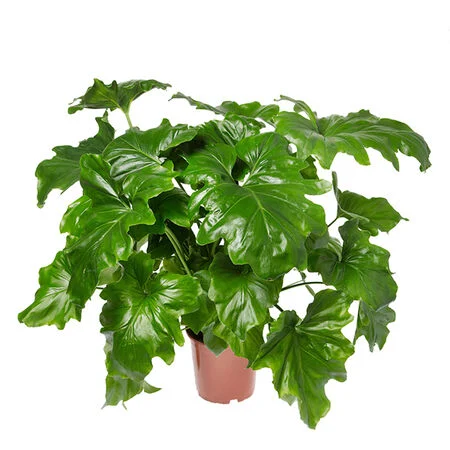
Selloum Philodendron, also known as Tree Philodendron, is one of the most dramatic and impressive foliage plants available for indoor growing. Famous for its enormous, deeply cut tropical leaves, this spectacular plant instantly transforms any room into a lush tropical retreat.
With its bold architectural foliage and vigorous growth, Selloum Philodendron has become a favorite among houseplant enthusiasts, interior designers, and tropical plant collectors. Few houseplants create such a powerful statement while remaining relatively easy to grow.
Why Grow Selloum Philodendron?- Produces huge, deeply lobed tropical leaves.
- Creates an instant jungle-like atmosphere indoors.
- Excellent specimen plant for large rooms and sunrooms.
- Adaptable and relatively easy to grow.
- Long-lived and highly rewarding.
- One of the most dramatic foliage plants available.
- Light: Bright indirect light is ideal.
- Water: Water when the upper portion of the soil begins to dry.
- Soil: Rich, well-drained houseplant mix.
- Humidity: Appreciates moderate to high humidity.
- Temperature: Thrives in warm indoor conditions.
- Fertilizer: Feed lightly during active growth.
Selloum Philodendron grows exceptionally well in large containers. As the plant matures, it develops a sturdy trunk-like base and increasingly dramatic foliage. Periodic repotting allows roots to expand and supports continued vigorous growth.
Because mature plants can become quite large, they are ideal for floor pots, atriums, sunrooms, and spacious living areas.
A Living Piece of the RainforestOne of the most appealing aspects of Selloum Philodendron is its ability to create an authentic tropical look indoors. The deeply divided leaves provide texture, movement, and visual interest unlike almost any other houseplant.
Its foliage casts beautiful shadows and creates the impression of a miniature rainforest within the home.
Seed GerminationSow seeds in a warm, moist seed-starting medium and provide bright indirect light. Maintain consistent moisture and humidity during germination. Young seedlings grow steadily and gradually develop the characteristic deeply lobed leaves that make mature plants so distinctive.
Indoor Decorating ValueSelloum Philodendron is widely regarded as one of the finest statement plants for interior decoration. It pairs beautifully with palms, Monsteras, Bird of Paradise, and other tropical species to create lush indoor displays.
Its bold foliage works equally well in contemporary, traditional, tropical, and modern design settings.
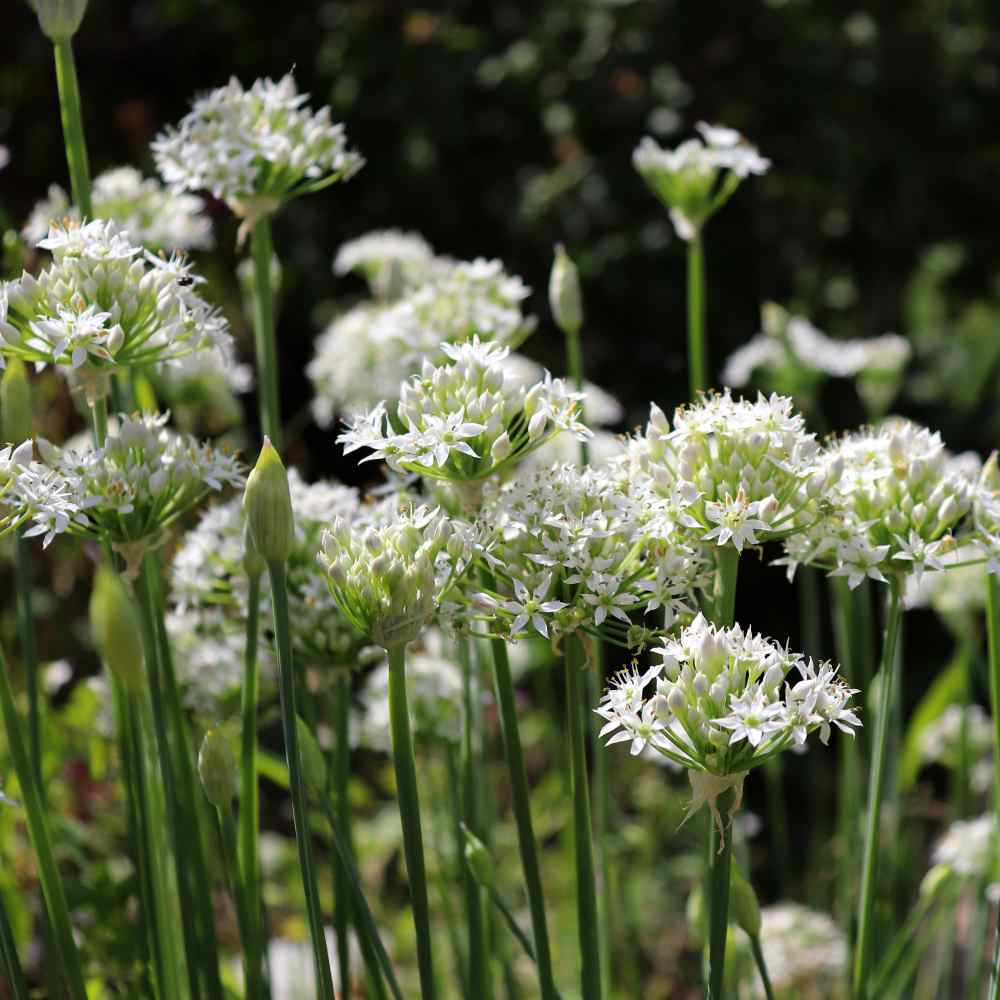
The flowers produced from Garlic Chives herb seeds bloom during the summer months which is much later than traditional chives. These blooms are also edible, and they attract bees as the nectar in this herb is rich. Many gardeners even cut the blooms for indoor flower arrangements. They dry well for dried arrangements too.
Like most of the Allium family, Garlic Chives plants do have a small bulb that can be used like a small green onion. You may harvest these small bulbs while the flower is still a bud. Harvest the leaves as desired once they are about 6 inches long. Pick the leaves from the base by hand. Garlic Chives leaves are very soft and quickly lose freshness. Like Chives, Garlic Chives may be frozen.
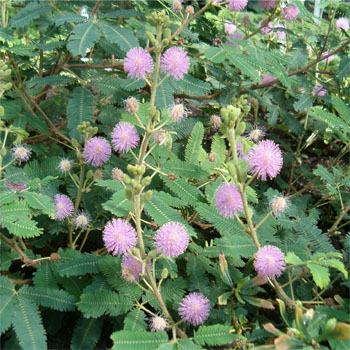
Sensitive Plant is one of the most fascinating and interactive houseplants in the world. Famous for its remarkable ability to fold its leaves when touched, shaken, or disturbed, this unique tropical plant never fails to capture attention. Its delicate fern-like foliage, charming pink puffball flowers, and unusual movement make it one of the most memorable plants a gardener can grow indoors.
Unlike most houseplants, Sensitive Plant actually responds to its environment in ways that can be observed in real time. A gentle touch causes the leaflets to fold inward and the stems to droop temporarily before gradually reopening. This extraordinary behavior makes it a favorite among children, plant collectors, and anyone interested in unusual botanical phenomena.
Indoor Growing InformationSensitive Plant thrives in bright light and appreciates several hours of direct sun each day. A sunny south-facing or east-facing window usually provides ideal growing conditions.
Keep the soil consistently moist but never waterlogged. Unlike drought-tolerant houseplants, Mimosa prefers even moisture and may decline if allowed to dry completely.
Under favorable conditions, plants grow quickly and may reach 12 to 24 inches in height while developing an attractive branching habit.
Container GrowingUse a rich, well-drained potting mix and a container with good drainage. Sensitive Plant adapts very well to container culture and is perfectly suited to windowsills, tabletops, and sunny indoor gardens.
Regular pinching encourages fuller, bushier growth and helps create a more attractive houseplant specimen.
Temperature and HumidityIdeal temperatures range between 65°F and 85°F. Sensitive Plant appreciates moderate to high humidity and generally performs best in warm indoor environments.
Protect plants from cold drafts and temperatures below 55°F.
FlowersThe delightful pink to lavender flower heads resemble tiny powder puffs suspended above the foliage. These spherical blooms appear throughout the growing season and provide an attractive contrast to the delicate green leaves.
The flowers are often followed by small seed pods that can be collected for future planting.
Seed GerminationSeeds benefit from soaking in warm water for 12 to 24 hours before planting. Sow approximately ¼ inch deep in a moist seed-starting mix and maintain temperatures between 70°F and 80°F.
Germination is usually rapid, often occurring within 1 to 3 weeks under warm conditions.
Growing TipWhile it is tempting to trigger the leaf-folding response repeatedly, excessive stimulation can temporarily stress the plant. Allow the foliage time to reopen naturally between demonstrations.
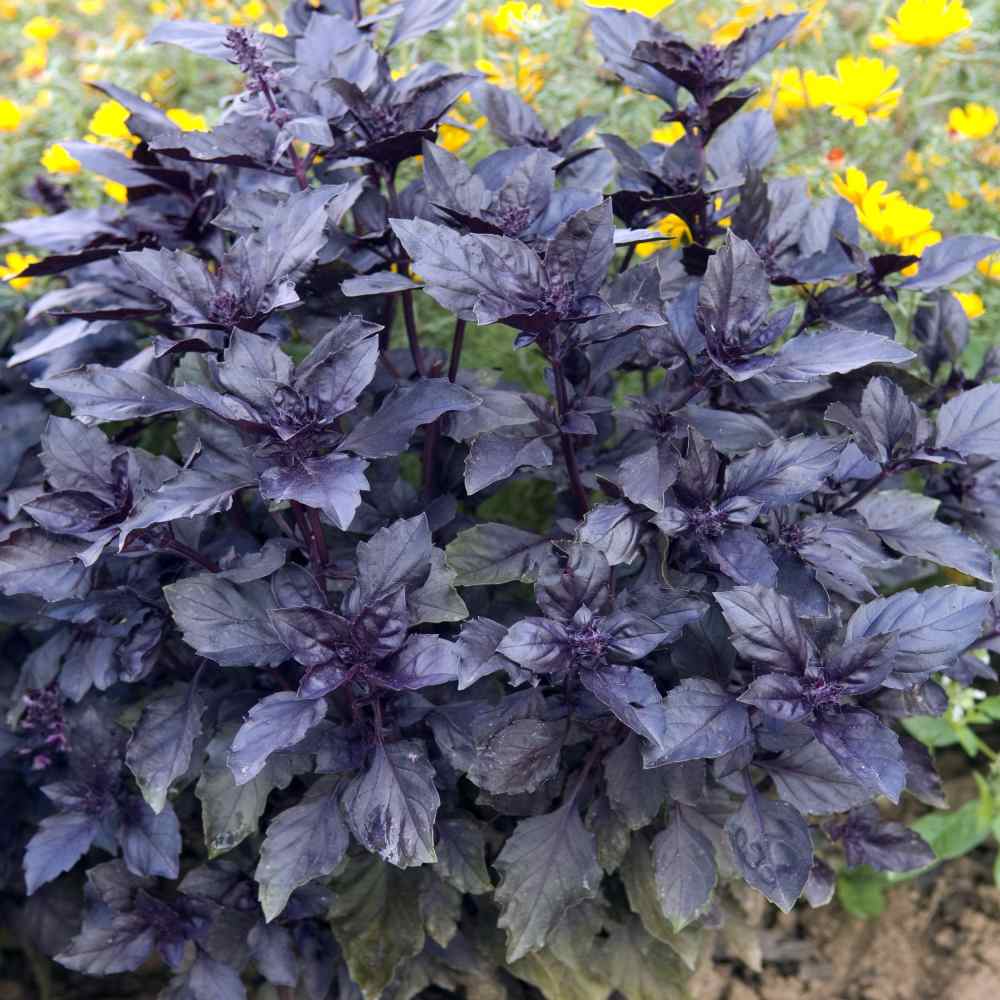
This old time favorite Dark Opal Sweet Basil herb has been delighting gardeners and foodies alike for decades now. Lots of people grow it for its decorative qualities, but it is a culinary wonder. Use its large glossy, purple leaves with large sliced tomatoes for fun contrast and a perfect flavor match that has been used since the turn of the last century! Dark Opal Basil grows best in full sun, but make sure it is fully protected from wind and the elements.
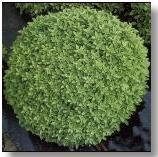
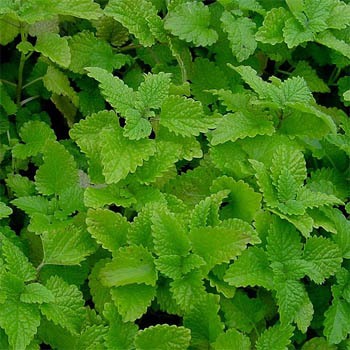
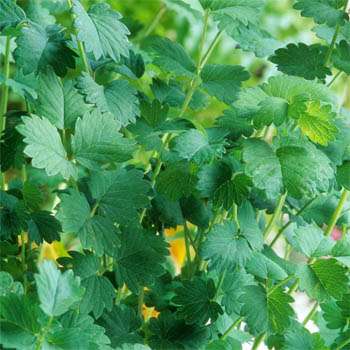
Salad Burnet is a charming perennial herb prized for its attractive fern-like foliage, refreshing cucumber-flavored leaves, and exceptional versatility in the garden. Forming neat mounds of finely divided green foliage, this easy-to-grow herb provides beauty, flavor, and usefulness from spring through fall.
The young leaves have a crisp, mild flavor reminiscent of fresh cucumbers and have been enjoyed for centuries in salads, sandwiches, soups, herb butters, vinegars, and refreshing beverages. Unlike many herbs, Salad Burnet remains tender and flavorful throughout much of the growing season, making it a valuable addition to kitchen gardens and edible landscapes.
During summer, delicate burgundy flower heads are held on slender stems above the foliage, creating an airy, ornamental effect that adds texture and movement to garden beds and containers. The flowers also attract bees and other beneficial pollinators, making Salad Burnet a useful addition to wildlife-friendly gardens.
Its tidy growth habit and attractive foliage make it equally valuable as an ornamental plant. Salad Burnet performs beautifully in herb gardens, cottage gardens, rock gardens, borders, raised beds, and decorative containers where its finely textured leaves provide contrast to broader-leaved plants.
Uses and Benefits- Fresh leaves provide a mild cucumber-like flavor.
- Excellent for salads, sandwiches, soups, and herb blends.
- Traditionally used in flavored vinegars and beverages.
- Attractive fern-like foliage provides season-long interest.
- Useful ornamental herb for borders and containers.
- Pollinator-friendly flowers attract bees and beneficial insects.
- Excellent companion plant for herb and vegetable gardens.
- Drought tolerant once established.
- Suitable for cottage gardens and edible landscapes.
- Easy to grow and long-lived.
- Excellent choice for container gardening.
- Provides fresh harvests throughout the growing season.
Salad Burnet is a hardy perennial in USDA Zones 4-8, returning reliably each year in suitable climates.
Germination Instructions- Sow seeds outdoors in spring after danger of severe frost has passed, or start indoors 6-8 weeks before planting out.
- Plant seeds approximately 1/4 inch deep.
- Maintain temperatures between 60-70°F (16-21°C).
- Keep soil evenly moist during germination.
- Seeds typically germinate in 10-21 days.
- Thin seedlings to allow good airflow and development.
- Transplant carefully to avoid disturbing roots.
- Plant in full sun to partial shade.
- Prefers well-drained soil but adapts to many conditions.
- Harvest young leaves regularly for best flavor.
- Remove flower stems if maximum leaf production is desired.
- Water during extended dry periods.
- Excellent for containers, herb gardens, and edible landscapes.
Combining ornamental beauty, culinary usefulness, pollinator value, and easy maintenance, Salad Burnet is one of the most rewarding herbs for gardeners seeking both beauty and function. Its fresh cucumber flavor and attractive fern-like foliage make it a standout addition to herb gardens, containers, and edible landscapes alike.
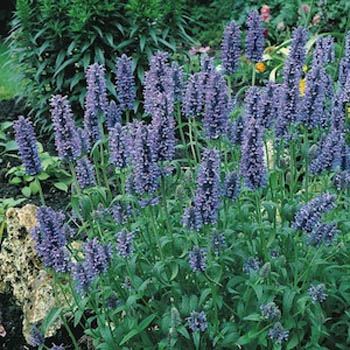
Catnip is a perennial herb from the mint family. It has a square, hairy stalk with typically gray green colored heart shaped leaves that have scalloped edges. Flowers grow in spikes, reaching 1/2 inch in length.
It is best known for its ability to get cats high.
Native to Europe and Asia, catnip became naturalised in North America and Canada after being introduced by the colonists in the 1600s. The name Nepeta is believed to have come from the town of Nepete in Italy, and Cataria is thought to have come from the Latin word for cat.
The active ingredient that causes a high in cats is an essential oil called nepetalactone, which can be found in the leaves and stems of the plant.
Because cats affected by catnip roll on the floor, which mimics a female in estrus, it has been suggested that the plant acts as an aphrodisiac, but this is unlikely, as males react the same way as females. What is probable is the cat is reacting to similar feel good pheromones released during sexual courtship/activity. However, non sexual behaviour including playing, chasing, and hunting can also be observed.
Around 50 to 66% of cats are affected by catnip, and to differing degrees. Kittens younger than eight weeks old aren't able to enjoy its effect; in fact, they show an aversion to it. The response to catnip is mediated through the olfactory system. When nepetalactone enters the cat's nasal passages, it binds to olfactory receptors located at the olfactory epithelium. This stimulates sensory neurons, which trigger neurons in the olfactory bulb to send signals to the brain. The response to catnip is inherited as an autosomal dominant gene, which means the gene only needs to be passed on from one parent.
It's not just domesticated cats who enjoy the effects of catnip; many other wild species of cats also enjoy it. Cats can smell 1 part per billion in the air. Males and females, fertile or desexed there appears to be no one group more readily affected by catnip than another.
A typical response includes sniffing, chewing, licking, head shaking, and chin, cheek, and body rubbing (in that order). Additional responses may include stretching, drooling, jumping, licking, aggression, and hyperactivity. Sniffing that produces the high; it is believed that cats eat catnip to bruise the catnip, thereby releasing more of the nepetalactone. The high produced will usually last between five and ten minutes, followed by a one hour refractory period.
Interestingly, researchers say that nepetalactone is about ten times more effective at repelling mosquitoes than DEET, which is the active ingredient in most insect repellents. It was also discovered that catnip repels cockroaches! Plants aren't alone in containing nepetalactone; some insects and ants also contain it. It's been speculated that this protects them from other insects.
Rats and mice are also believed to have a strong dislike of catnip and will avoid places where it grows.
Is catnip harmful to cats? Catnip is not harmful to your cat. They won't overdose on it. Most cats know when they've had enough and will refuse any further offers.
A perennial best suited for zones 4-9.
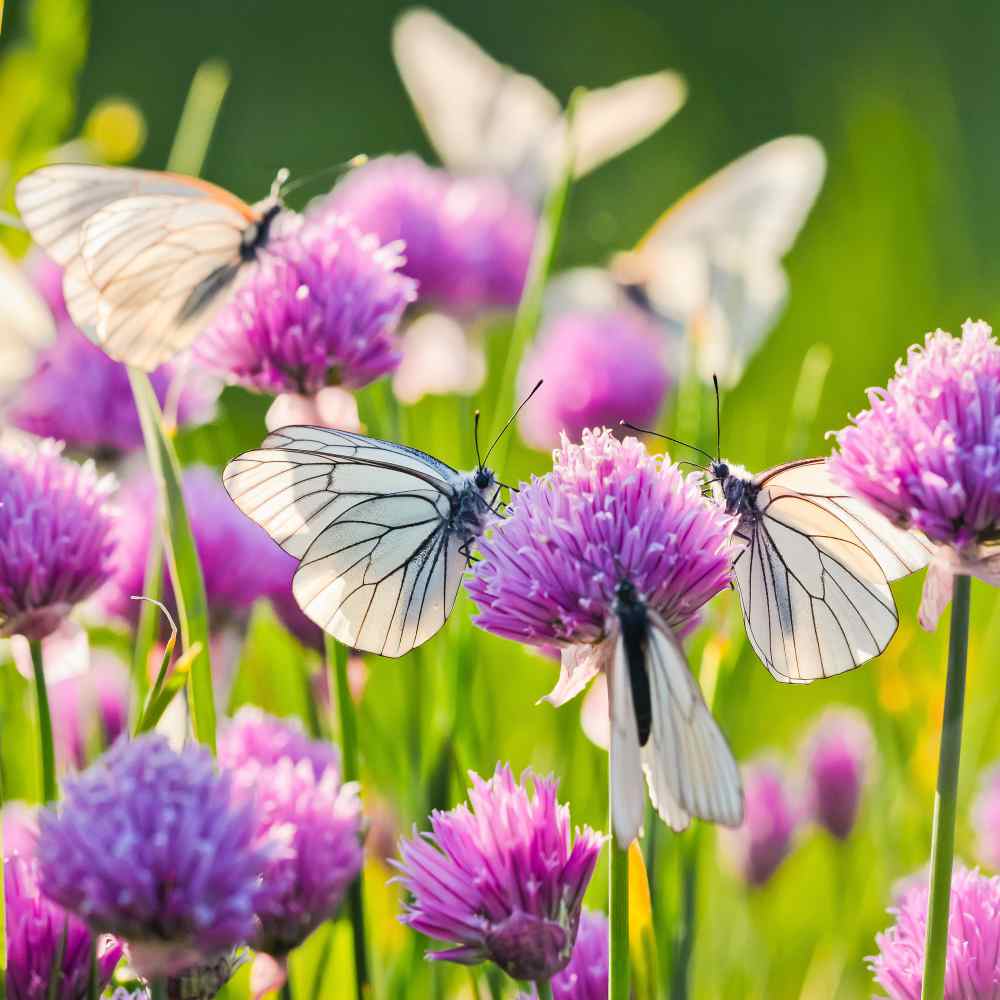
As soon as the leaves have reached several inches in height, you can start harvesting the desired amounts for the kitchen. Cut the leaves with scissors, leaving 1 - 2 inches above the ground. Begin at the outside edge of the plant and work toward the center. Chop the leaves and use fresh or freeze for year-round use.
Chives herb uses include being companion plants to repel insect pests. Plant these herb seeds near almost any plant that is bothered by insect pests and the Chives will instantly drive them away.
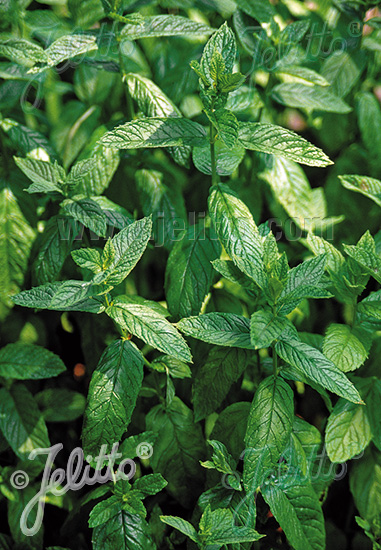
Spearmint has strong flavor and fragrance that is released with simple bruising. It's the best mint variety for hot and cold drinks. Toss bruised leaves into ice water for a refreshing summer drink or add to iced tea. Spearmint is favored for flavoring beverages such as mojito. Also know as Yerba Buena. Spreading plant is great for containers. Tolerates light frost.
A perennial plant for zones 4-9, and can be grown in containers.
Check out our
Complete Knick Knack Plant Growing Guide

Contact Us | Privacy Policy | About Us
Serving gardeners since 1992
State of Mississippi Seedmen's Permit #C-391, Ohio 90152, Minnesota 20086777