Primula Flower Seeds

Primrose flowers bloom in early spring, offering a variety of form, size, and color. They are suitable for use in garden beds and borders as well as in containers, or for naturalizing areas of the lawn. In fact, when given the proper growing conditions, these vigorous plants will multiply each year, adding stunning colors to the landscape. Blooming often lasts throughout summer and in some areas, they will continue to delight the fall season with their outstanding colors. Most primrose flowers seen in gardens are Polyanthus hybrids, which range in color from white, cream and yellow to orange, red and pink. There are also purple and blue primrose flowers. These perennial plants prefer damp, woodland-like conditions.

Sow Primrose seeds in starter trays using a "peaty" potting mix. These seeds need light for germination, so barely cover with peat moss. For December and January blooms, sow in June and July. Keep seeds moist until (and after) germination Fairy Primroses do not like to dry out. In warm conditions, mist spray daily and stand the pot on moist pebbles. Begin to feed when the flower stalks start to develop, and continue to feed every 2 weeks until flowering has finished. Primula Malacoides care includes clipping the spent flowers to prolong bloom time.


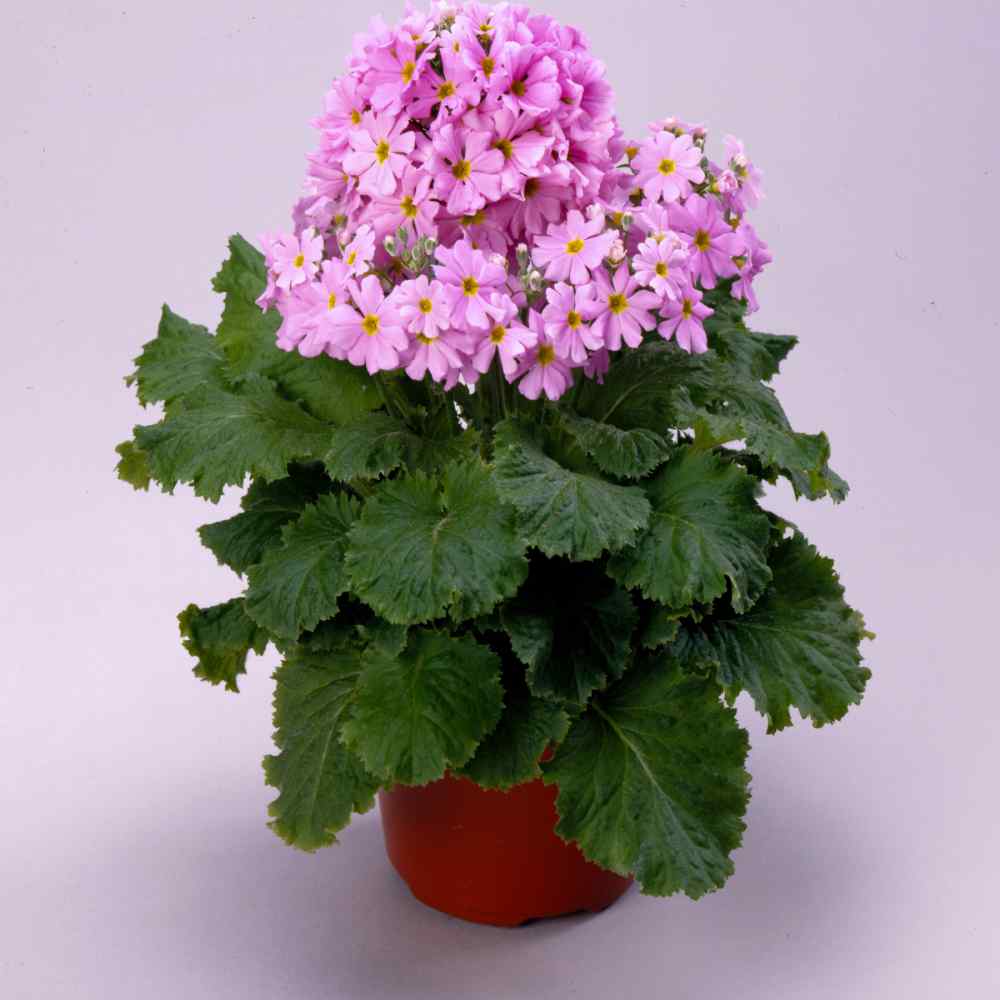
Fairy Pink (Primula Malacoides Pink)
LET726 Fairy Pink (Primula Malacoides Pink)

Fairy Pink (Primula malacoides Pink) is a delightful cool-season flowering perennial that produces clouds of soft pink blossoms held in graceful tiers above attractive rosettes of bright green foliage. Often called Fairy Primrose, this charming species brings early color to the garden when little else is in bloom. Its delicate flowers, long blooming season, and compact habit make it a favorite for woodland gardens, containers, borders, and indoor winter displays.

Garden Uses

Fairy Pink Primrose is an excellent choice for shaded borders, woodland gardens, patio containers, window boxes, edging, and cool-season flower beds. It performs beautifully beneath deciduous trees where it receives filtered spring sunlight before the tree canopy fills in. The soft pink flowers blend well with pansies, violas, forget-me-nots, cyclamen, Iceland poppies, and spring-flowering bulbs.

Growing Information

Sow seeds indoors 10 to 12 weeks before the desired flowering period. Seeds require light for germination, so press them gently onto the surface of a fine, moist seed-starting mix without covering. Maintain temperatures between 60° and 65°F while keeping the soil consistently moist but never waterlogged. Germination typically occurs within 14 to 28 days.

Transplant seedlings after they have developed several true leaves. Grow plants in partial shade or bright filtered light in fertile, humus-rich, well-drained soil that remains evenly moist. Fairy Primrose performs best during cool weather and appreciates protection from intense afternoon sun and prolonged summer heat. Removing spent flower stems encourages continuous blooming.

Pollinator Value

The nectar-rich blossoms attract honeybees, native bees, butterflies, and other early-season pollinators when few other flowers are available. Their extended bloom period provides an important food source during the transition from winter to spring.

Natural Garden Benefits

Fairy Primrose adds valuable early-season color while helping support beneficial insects. Its compact growth habit makes it useful for filling shaded spaces beneath shrubs and trees, while its dense foliage helps shade the soil and conserve moisture. In favorable climates, plants may gently self-seed without becoming invasive.

Historical Significance

Primula malacoides is native to southwestern China, where it grows naturally in cool mountain forests and moist woodland clearings. It was introduced into European gardens during the early twentieth century and quickly became a favorite greenhouse and conservatory plant because of its exceptionally long flowering season and delicate beauty. Today it remains one of the most popular cool-season primroses grown from seed.

Interesting Facts

The species name malacoides means "mallow-like," referring to the soft texture of the foliage. Unlike many primroses that bloom in a single cluster, Fairy Primrose produces flowers in multiple tiers called whorls, giving each plant an elegant, airy appearance. Under cool growing conditions, individual plants may continue flowering for several months.

Seedman Notes

Fairy Pink is one of the finest cool-season flowering primroses available from seed. Its soft pink blooms provide exceptional color during late winter and early spring, both indoors and outdoors. It performs wonderfully in decorative containers and shaded garden beds, rewarding gardeners with months of graceful blossoms when grown in cool, moist conditions.

Quick Facts

Characteristic Details
Botanical Name Primula malacoides Pink
Common Name Fairy Pink Primrose
Plant Type Perennial (often grown as a cool-season annual in warm climates)
Flower Color Soft Pink
Bloom Time Late Winter through Spring
Height 10–18 inches
Spread 8–12 inches
Sun Exposure Partial Shade to Bright Filtered Light
Soil Requirements Rich, moist, well-drained soil
Water Requirements Moderate; prefers consistently moist soil
USDA Zones 8–10 as a perennial; grown as an annual elsewhere
Garden Uses Woodland gardens, containers, borders, window boxes, shaded beds, indoor flowering plants

Seedman Star Ratings

Category Rating
Garden Beauty ★★★★★
Ease of Growing ★★★★☆
Pollinator Attraction ★★★★☆
Shade Garden Performance ★★★★★
Container Performance ★★★★★
Long Bloom Season ★★★★★
  27mg pack ( about 250 tiny seeds ) $4.95
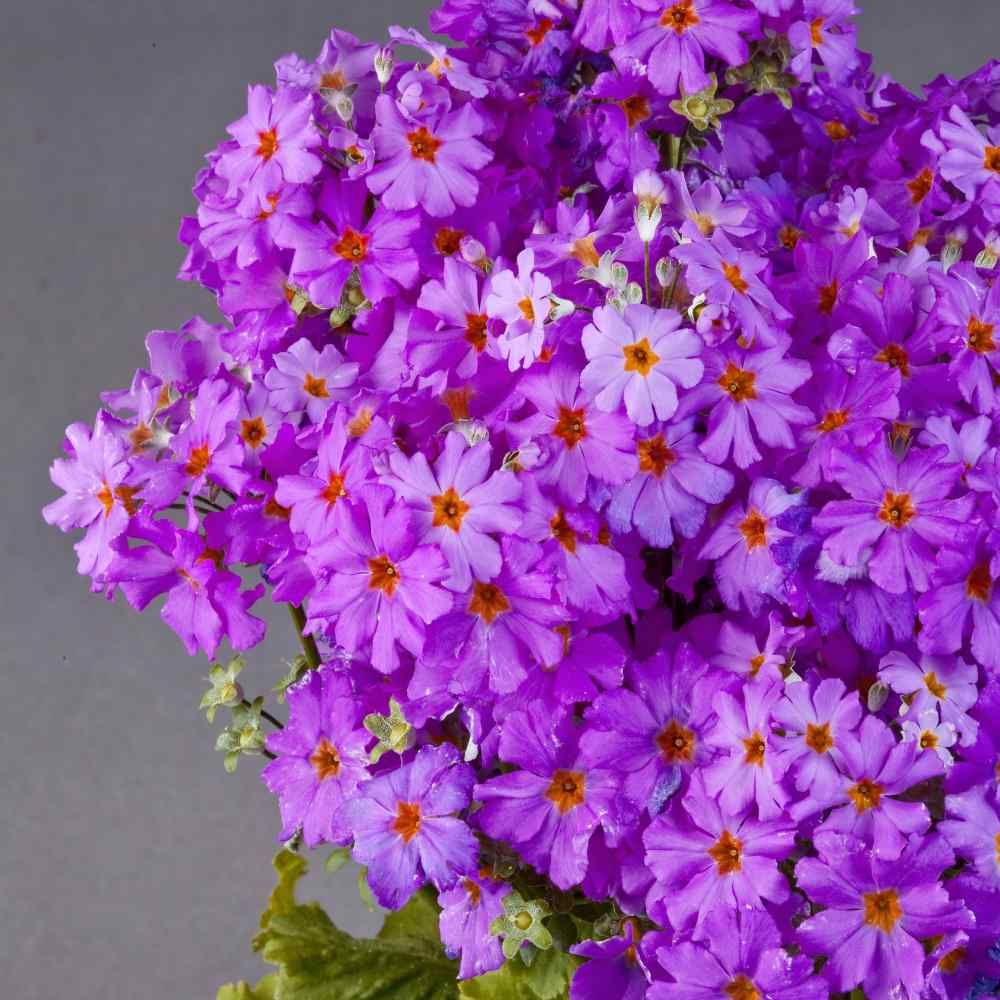
Fairy Lavender (Primula Malacoides Lavender)
LET727 Fairy Lavender (Primula Malacoides Lavender)

Fairy Lavender (Primula malacoides Lavender) is an elegant cool-season perennial admired for its airy tiers of delicate lavender blossoms that seem to float above lush rosettes of soft green foliage. Commonly known as Fairy Primrose, this charming variety provides weeks of color during late winter and spring when many other flowers are just beginning to awaken. Its graceful flower stems, compact habit, and pastel blooms make it a beautiful addition to woodland gardens, shaded borders, patio containers, and indoor displays.

Garden Uses

Fairy Lavender Primrose is ideal for woodland gardens, shaded flower beds, containers, window boxes, borders, and cool-season displays. The soft lavender flowers blend beautifully with pansies, violas, forget-me-nots, cyclamen, Iceland poppies, and spring-flowering bulbs. It is especially effective planted in groups where its delicate flower stems create a cloud of pastel color beneath trees or alongside shaded walkways.

Growing Information

Sow seeds indoors 10 to 12 weeks before the desired flowering season. Seeds require light for best germination, so press them gently onto the surface of a moist seed-starting mix without covering. Maintain temperatures between 60° and 65°F while keeping the growing medium evenly moist. Germination usually occurs within 14 to 28 days.

Once seedlings develop several true leaves, transplant them into fertile, humus-rich, well-drained soil. Grow in partial shade or bright filtered light where plants remain cool throughout the growing season. Fairy Primrose prefers consistent moisture but should never remain in soggy soil. Removing faded flower stems encourages continued blooming and keeps plants looking fresh.

Pollinator Value

The nectar-rich lavender blossoms attract honeybees, native bees, butterflies, and other beneficial insects during the early growing season. Because Fairy Primrose flowers when relatively few other plants are blooming, it provides an important early nectar source for awakening pollinators.

Natural Garden Benefits

Fairy Lavender helps brighten shaded areas while supporting beneficial insect populations. Its compact habit makes it an excellent companion beneath shrubs and deciduous trees, where it helps cover bare soil and retain moisture. In suitable climates, plants may gently self-seed, creating attractive colonies without becoming invasive.

Historical Significance

Primula malacoides is native to the cool mountain woodlands of southwestern China. It became highly prized by European gardeners during the early 1900s as a greenhouse and conservatory favorite because of its long flowering period and delicate beauty. Today it remains one of the most popular primroses grown from seed for cool-season gardens around the world.

Interesting Facts

The species name malacoides refers to the soft texture of its foliage. Unlike many primroses that produce a single flower cluster, Fairy Primrose develops several whorls of blossoms stacked along each flower stem, creating a graceful tiered appearance. Under cool conditions, plants often bloom continuously for several months.

Seedman Notes

Fairy Lavender offers soft, soothing color that pairs beautifully with nearly every other spring flower. Its graceful stems and pastel blossoms are equally attractive in shaded garden beds, decorative patio containers, and bright indoor windows. For the longest display, provide cool growing conditions, rich soil, and consistent moisture throughout the flowering season.

Quick Facts

Characteristic Details
Botanical Name Primula malacoides Lavender
Common Name Fairy Lavender Primrose
Plant Type Perennial (often grown as a cool-season annual in warm climates)
Flower Color Soft Lavender
Bloom Time Late Winter through Spring
Height 10–18 inches
Spread 8–12 inches
Sun Exposure Partial Shade to Bright Filtered Light
Soil Requirements Rich, moist, well-drained soil
Water Requirements Moderate; prefers consistently moist soil
USDA Zones 8–10 as a perennial; grown as an annual elsewhere
Garden Uses Woodland gardens, shaded borders, containers, window boxes, indoor flowering plants

Seedman Star Ratings

Category Rating
Garden Beauty ★★★★★
Ease of Growing ★★★★☆
Pollinator Attraction ★★★★☆
Shade Garden Performance ★★★★★
Container Performance ★★★★★
Long Bloom Season ★★★★★
  18mg pack ( about 150 tiny seeds ) $4.95
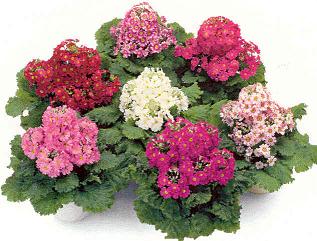
Primula Special Mix
LET705 Primula Special Mix ( Primula malacoides )

Primula Special Mix (Primula malacoides) is a delightful blend of Fairy Primroses that produces elegant tiers of blossoms in shades of pink, lavender, rose, white, and soft lilac. Blooming during the cool months of late winter and spring, these graceful flowers rise above attractive rosettes of bright green foliage, creating a colorful display when few other plants are in bloom. Their compact size, delicate appearance, and long flowering period make them favorites for woodland gardens, containers, borders, and indoor flowering displays.

Garden Uses

Primula Special Mix is ideal for woodland gardens, shaded borders, patio containers, window boxes, edging, and cool-season flower beds. The cheerful blend of pastel colors combines beautifully with pansies, violas, forget-me-nots, cyclamen, Iceland poppies, alyssum, and spring-flowering bulbs. Plants are especially effective when grown in groups, creating a carpet of soft spring color beneath deciduous trees or along shaded pathways.

Growing Information

Start seeds indoors 10 to 12 weeks before the desired flowering season. Since the seeds require light for germination, gently press them onto the surface of moist seed-starting mix without covering. Maintain temperatures between 60° and 65°F while keeping the growing medium consistently moist. Germination generally occurs within 14 to 28 days.

Once seedlings have developed several true leaves, transplant them into fertile, humus-rich, well-drained soil. Grow plants in partial shade or bright filtered light where temperatures remain cool. Fairy Primroses perform best with consistent moisture and protection from hot afternoon sun. Regular removal of spent flower stems encourages continued blooming throughout the season.

Pollinator Value

The colorful flowers provide nectar for honeybees, native bees, butterflies, and other beneficial insects during the important early spring months. Because Primula blooms when relatively few garden plants are flowering, it helps support pollinators emerging from winter dormancy.

Natural Garden Benefits

Primula Special Mix brightens shaded garden areas while providing valuable early-season nectar. The compact foliage helps suppress weeds and conserve soil moisture, making it an excellent companion beneath shrubs and deciduous trees. In mild climates, plants may gently self-seed, producing natural drifts of spring color.

Historical Significance

Primula malacoides is native to the cool mountain forests of southwestern China and has been cultivated for more than a century throughout Europe and North America. It quickly became a favorite greenhouse and conservatory flower because of its long blooming period, delicate beauty, and ability to flower during the cooler months when color was scarce. Today it remains one of the most beloved cool-season primroses for home gardeners.

Interesting Facts

The species name malacoides means "mallow-like," referring to the soft texture of the leaves. Unlike many primroses that bloom in a single cluster, Fairy Primrose produces several stacked whorls of flowers along each stem, creating an elegant layered appearance. Under favorable cool conditions, individual plants often bloom continuously for several months.

Seedman Notes

Primula Special Mix offers one of the finest combinations of pastel spring colors available from seed. The blend provides excellent diversity while maintaining the graceful, airy appearance that makes Fairy Primrose so popular. Whether planted in containers, woodland gardens, or shaded borders, this mixture delivers months of dependable color and outstanding garden performance.

Quick Facts

Characteristic Details
Botanical Name Primula malacoides
Common Name Primula Special Mix, Fairy Primrose Mix
Plant Type Perennial (often grown as a cool-season annual in warm climates)
Flower Color Mixed shades of Pink, Lavender, Rose, White, and Lilac
Bloom Time Late Winter through Spring
Height 10–18 inches
Spread 8–12 inches
Sun Exposure Partial Shade to Bright Filtered Light
Soil Requirements Rich, moist, well-drained soil
Water Requirements Moderate; prefers evenly moist soil
USDA Zones 8–10 as a perennial; grown as an annual elsewhere
Garden Uses Woodland gardens, shaded borders, containers, window boxes, edging, indoor flowering plants

Seedman Star Ratings

Category Rating
Garden Beauty ★★★★★
Ease of Growing ★★★★☆
Pollinator Attraction ★★★★☆
Shade Garden Performance ★★★★★
Container Performance ★★★★★
Long Bloom Season ★★★★★
 3mg pack ( about 50 tiny seeds ) $2.95


All seed packets listed on this page are in stock and ready to ship.