
Cherry Tree Seeds
Important Note: Most of the seeds on this page will
benefit greatly from using the Cold Stratification Kits that we use in our own
greenhouses. We find we receive significantly better and faster
germination results when we use this on prunus seeds.
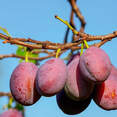
American Plum is a hardy native fruit tree and large shrub found throughout much of the United States and southern Canada. Famous for its clouds of fragrant white spring blossoms and abundant crops of sweet-tart plums, this adaptable species has been an important food source for wildlife and humans for centuries.
In spring, American Plum becomes one of the most beautiful flowering native trees, covering itself with masses of white blossoms before the leaves emerge. By late summer, the branches are laden with colorful fruits ranging from yellow and red to deep crimson, depending upon the individual plant.
Its combination of ornamental beauty, edible fruit, wildlife benefits, and exceptional hardiness has made American Plum one of the most valuable native fruit trees available to gardeners.
Plant Characteristics- Botanical Name: Prunus americana
- Common Names: American Plum, Wild Plum, River Plum
- Plant Type: Deciduous fruit tree or large shrub
- USDA Zones: 3-8
- Height: 10-25 feet
- Spread: 10-20 feet
- Sun Requirements: Full sun
- Flower Color: White
- Bloom Time: Early spring
- Fruit Color: Yellow, red, crimson, or purple-red
The fruits are round, juicy plums with sweet-tart flesh surrounding a central stone. While highly enjoyable fresh, they are especially prized for preserves and traditional recipes.
The fruits typically ripen from midsummer through early fall and are often sweeter after full ripening on the tree.
Important NoteAmerican Plum often spreads by root suckers and can form attractive thickets. This natural growth habit makes it especially useful for wildlife plantings, windbreaks, erosion control, and naturalized landscapes.
Germination Instructions- Cold stratify for 90-120 days at 34-40°F.
- Sow approximately 1 inch deep in a well-drained growing medium.
- Maintain moderate moisture.
- Provide temperatures of 65-75°F after stratification.
- Germination generally occurs during spring warming.
- Transplant seedlings once established.
American Plum grows best in full sun and adapts to a wide range of soil conditions. It tolerates clay soils, sandy soils, periodic drought, and cold winters better than many cultivated plum varieties.
The tree grows relatively quickly and often begins flowering and fruiting at a young age. Because it is native to a broad geographic range, it adapts well to diverse climates and growing conditions.
Minimal maintenance is required once established.
Container GrowingAmerican Plum can be grown in large containers while young but is generally best suited for permanent landscape planting.
- Use deep containers with excellent drainage.
- Provide full sun.
- Water regularly during establishment.
- Prune as needed for size control.
- Transplant to the landscape as the tree matures.
Because of its eventual size and tendency to sucker, long-term field planting is recommended.
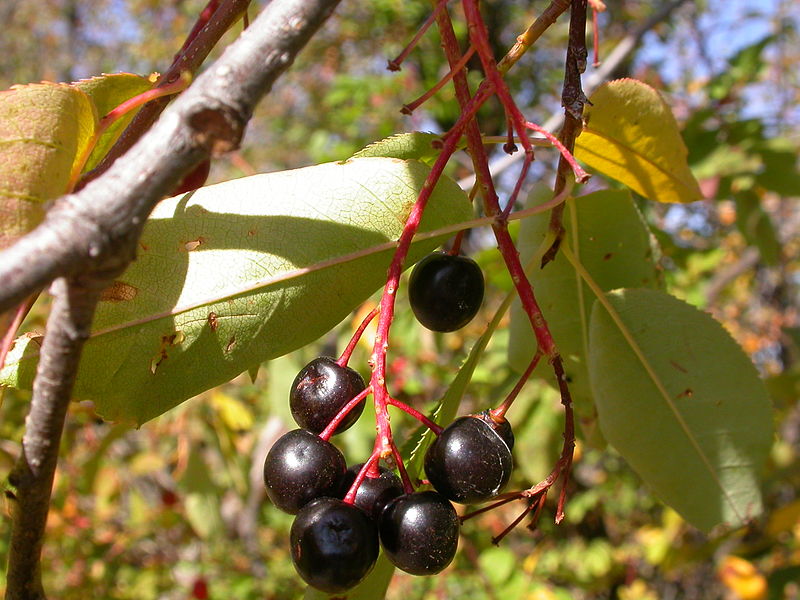
Black Chokecherry is a hardy native fruiting shrub or small tree found throughout much of North America. Famous for its fragrant white flower clusters, glossy black fruits, exceptional wildlife value, and extreme cold hardiness, it has long been one of the continent's most important wild fruit crops.
In spring, the branches become covered with graceful drooping clusters of white blossoms that attract pollinators from great distances. By late summer, these flowers mature into hanging clusters of dark purple-black fruits that have been harvested for generations to make syrups, jellies, wines, and traditional foods.
Its adaptability, productivity, and ecological importance make Black Chokecherry one of the finest native fruiting plants available to gardeners.
Plant Characteristics- Botanical Name: Prunus virginiana
- Common Names: Black Chokecherry, Chokecherry, Virginia Chokecherry
- Plant Type: Deciduous fruiting shrub or small tree
- USDA Zones: 2-7
- Height: 10-30 feet
- Spread: 10-20 feet
- Sun Requirements: Full sun to partial shade
- Flower Color: White
- Bloom Time: Spring
- Fruit Color: Dark purple to black
The fruits grow in long hanging clusters and ripen from red to deep purple-black. Fully ripe fruits possess a rich sweet-tart flavor and are highly valued for processing.
The fruits contain significant amounts of natural pigments and antioxidants, making them popular for both traditional and modern recipes.
Important NoteChokecherries develop their best flavor when fully ripe. Fruits harvested too early can be highly astringent, while fully mature black fruits are considerably sweeter and more flavorful.
Germination Instructions- Remove pits from fully ripe fruits.
- Clean thoroughly and allow to dry briefly.
- Cold stratify for 90-120 days at 34-40°F.
- Sow approximately 1 inch deep in a well-drained growing medium.
- Maintain even moisture.
- Provide temperatures of 65-75°F following stratification.
- Germination typically occurs during spring warming.
- Transplant seedlings once established.
Black Chokecherry is remarkably adaptable and thrives across a wide range of climates and soils. It tolerates cold winters, drought, wind, poor soils, and challenging growing conditions better than many fruiting plants.
Plants often spread by root suckers, forming dense colonies that provide excellent wildlife habitat and erosion control.
Once established, maintenance requirements are minimal.
Container GrowingContainer culture is practical during the seedling and juvenile stages.
- Use deep containers with good drainage.
- Provide full sun for best fruiting.
- Maintain moderate moisture.
- Avoid prolonged root restriction.
- Transplant into the landscape as plants mature.
Permanent landscape planting provides the best long-term results.
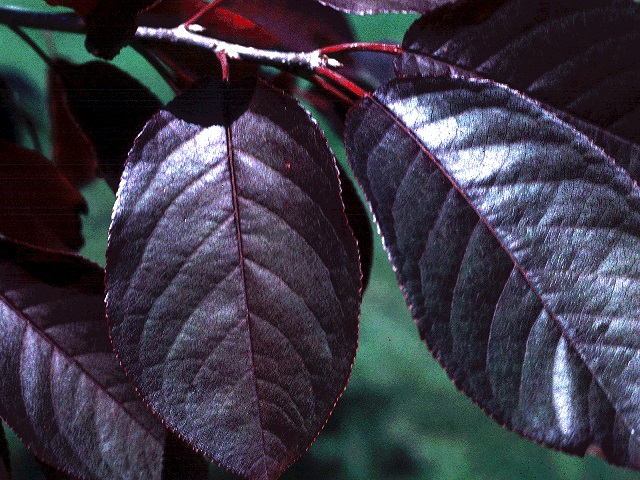
Schubert Chokecherry is a beautiful ornamental selection of the native Chokecherry, prized for its dramatic purple foliage, fragrant white spring flowers, edible fruits, and outstanding wildlife value. Unlike ordinary chokecherries, which retain green leaves throughout the season, Schubert develops striking burgundy-purple foliage after spring, creating a colorful landscape display that lasts for months.
Native chokecherries have long been valued throughout North America for food, wildlife habitat, and ornamental beauty. The Schubert variety enhances these qualities by adding rich ornamental foliage while retaining the hardiness and adaptability that make chokecherries so dependable.
Plant Characteristics- Botanical Name: Prunus virginiana 'Schubert'
- Common Names: Schubert Chokecherry, Canada Red Chokecherry, Purpleleaf Chokecherry
- Plant Type: Deciduous flowering fruit tree
- USDA Zones: 2-7
- Height: 20-30 feet
- Spread: 15-25 feet
- Sun Requirements: Full sun
- Flower Color: White
- Bloom Time: Spring
- Fruit Color: Dark purple to black
- Foliage: Green in spring, maturing to burgundy-purple
The fruits grow in hanging clusters and ripen from red to deep purple-black. While somewhat astringent when eaten fresh, they have long been prized for processing and traditional recipes.
The fruits become sweeter after full ripening and are particularly valued for preserves and specialty products.
Important NoteSchubert Chokecherry is often planted as much for its foliage as its fruit. New leaves emerge green but gradually develop rich reddish-purple coloration that provides season-long landscape interest.
Germination Instructions- Cold stratify for 90-120 days at 34-40°F.
- Sow approximately 1 inch deep in a well-drained medium.
- Maintain even moisture.
- Provide temperatures of 65-75°F after stratification.
- Germination typically occurs during spring warming.
- Transplant seedlings when established.
Schubert Chokecherry grows best in full sun and adapts to a wide variety of soils and climate conditions. It tolerates cold winters, wind, drought, and urban conditions better than many ornamental trees.
The tree develops a rounded crown and attractive branching structure. Once established, it requires relatively little maintenance and remains dependable for many years.
Full sun encourages the richest purple foliage coloration.
Container GrowingYoung trees can be grown in large containers, but landscape planting is recommended for long-term growth.
- Use deep containers with excellent drainage.
- Provide full sun.
- Water regularly during establishment.
- Prune lightly if needed.
- Transplant before roots become restricted.
Permanent landscape planting allows the tree to reach its full ornamental potential.
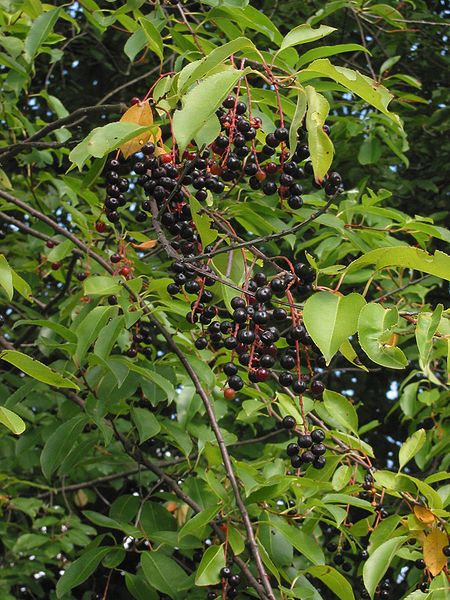
Wild Black Cherry is a large deciduous tree native to eastern and central North America. Famous for its beautiful spring flower clusters, edible fruits, wildlife value, and valuable lumber, it is one of the most important native trees found throughout forests, fencerows, and woodland edges.
In spring, long drooping clusters of fragrant white flowers cover the tree and attract countless pollinators. By late summer, these flowers mature into glossy purple-black cherries that provide food for birds, mammals, and people alike.
Its combination of beauty, ecological importance, and economic value has made Wild Black Cherry one of North America's most significant native tree species.
Plant Characteristics- Botanical Name: Prunus serotina
- Common Names: Wild Black Cherry, Black Cherry, Rum Cherry, Mountain Black Cherry
- Plant Type: Deciduous fruit and timber tree
- USDA Zones: 3-9
- Height: 50-100 feet
- Spread: 30-60 feet
- Sun Requirements: Full sun to partial shade
- Flower Color: White
- Bloom Time: Spring
- Fruit Color: Dark purple to black
The small cherries develop a rich sweet-tart flavor when fully ripe. While somewhat astringent when immature, ripe fruits are highly valued for culinary use.
- Fresh eating
- Jellies and jams
- Syrups
- Wine making
- Pies and desserts
- Traditional recipes
- Wildlife food plantings
- Native edible landscapes
The fruits are also widely harvested by wildlife throughout their native range.
Important NoteOnly the fully ripe fruit flesh is considered edible. Like many members of the cherry family, seeds, leaves, and wilted foliage contain compounds that should not be consumed.
Germination Instructions- Cold stratify for 90-120 days at 34-40°F.
- Sow approximately 1/2 inch deep.
- Maintain even moisture.
- Provide temperatures of 65-75°F after stratification.
- Germination generally occurs in spring.
- Transplant seedlings once well established.
Wild Black Cherry grows best in full sun and fertile, well-drained soil, but it adapts to a wide range of growing conditions. It is relatively fast growing when young and can develop into an impressive shade tree.
Trees tolerate heat, cold, and moderate drought once established.
The species naturally colonizes open fields, forest edges, and disturbed sites.
Container GrowingContainer culture is suitable during the seedling and young tree stages.
- Use deep containers with excellent drainage.
- Provide full sun exposure.
- Water regularly.
- Avoid allowing roots to become pot-bound.
- Transplant into the landscape while young.
Mature trees are best suited for permanent outdoor planting.
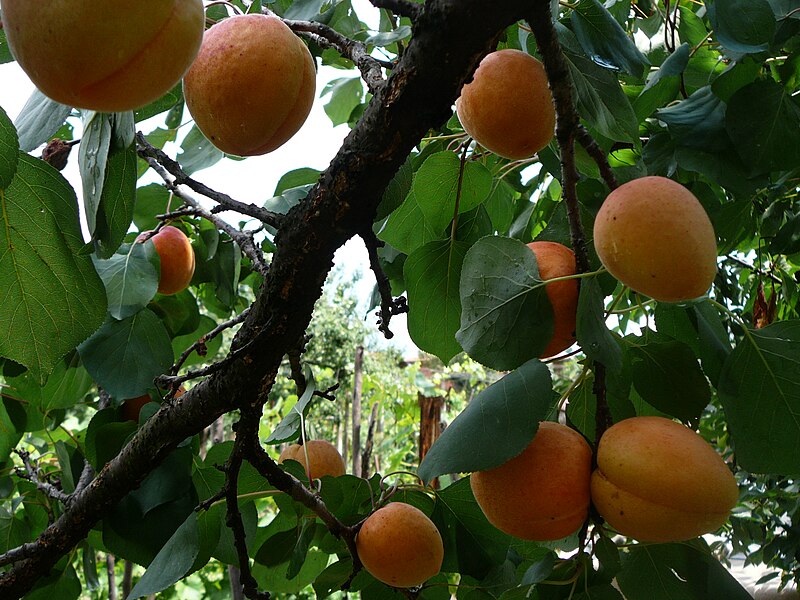

Mandshurian Apricot is an exceptionally cold-hardy apricot native to northeastern China, Manchuria, Korea, and parts of eastern Russia. Renowned for its spectacular spring blossoms, attractive orange fruits, and remarkable ability to withstand severe winter temperatures, this tree has become highly valued by gardeners and fruit breeders alike.
In spring, the bare branches become covered with clouds of pale pink to white blossoms, creating one of the most beautiful displays among hardy fruit trees. By summer, the tree produces crops of golden-orange apricots that can be enjoyed fresh or used in a wide variety of traditional recipes.
Its combination of beauty, fruit production, and extreme cold tolerance makes Mandshurian Apricot one of the finest fruit trees for northern gardens.
Plant Characteristics- Botanical Name: Prunus armeniaca var. mandshurica
- Common Names: Mandshurian Apricot, Manchurian Apricot, Hardy Apricot
- Plant Type: Deciduous fruit tree
- USDA Zones: 3-7
- Height: 15-30 feet
- Spread: 15-25 feet
- Sun Requirements: Full sun
- Flower Color: White to pale pink
- Bloom Time: Early spring
- Fruit Color: Golden orange to orange-red
The fruits resemble traditional apricots but are often somewhat smaller and more intensely flavored. The flesh is sweet, aromatic, and highly versatile.
- Fresh eating
- Jams and preserves
- Dried apricots
- Pies and pastries
- Fruit sauces
- Canning
- Fruit wines
- Homestead orchards
The fruits ripen during summer and are prized for both fresh consumption and processing.
Important NoteMandshurian Apricot is valued primarily for its exceptional cold hardiness. While many apricot varieties suffer winter damage in northern climates, this hardy selection evolved in regions where winter temperatures regularly plunge far below zero.
Germination Instructions- Cold stratify for 90-120 days at 34-40°F.
- Sow approximately 1 inch deep in a well-drained medium.
- Maintain moderate moisture.
- Provide temperatures of 65-75°F after stratification.
- Germination usually occurs during spring warming.
- Transplant seedlings once established.
Mandshurian Apricot grows best in full sun and well-drained soil. It performs particularly well in regions with cold winters and warm summers.
The tree develops an attractive rounded canopy and becomes increasingly ornamental with age. Regular watering during establishment helps ensure vigorous growth, although mature trees become relatively drought tolerant.
Proper air circulation and a sunny planting site help promote healthy growth and fruit production.
Container GrowingYoung trees can be grown in large containers, but permanent landscape planting is recommended.
- Use deep containers with excellent drainage.
- Provide full sun exposure.
- Water consistently during establishment.
- Prune lightly as needed.
- Transplant before root restriction occurs.
Because of its eventual size and fruiting potential, the tree is best suited to orchard or landscape culture.
Landscape Rating: ⭐⭐⭐⭐⭐ (5/5 Stars)
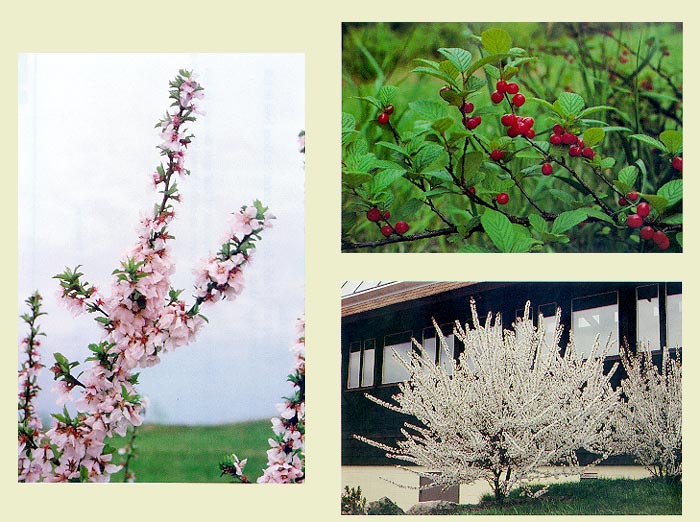
Plant CharacteristicsNanking Cherry is one of the most rewarding multi-purpose landscape shrubs available to gardeners. Native to northern China, Mongolia, and Korea, this hardy species combines spectacular spring flowers, edible fruit, wildlife value, and exceptional cold tolerance in a single ornamental plant.
Typically growing 6 to 10 feet tall and wide, Nanking Cherry forms a dense, rounded shrub that is equally attractive in bloom, fruit, and foliage. In early spring, before many landscape plants awaken from winter dormancy, the branches become covered with masses of soft pink blossoms that create a stunning display.
By early summer, the flowers give way to bright red cherries that resemble miniature pie cherries. The fruits are edible, pleasantly tart-sweet, and highly prized for jams, jellies, sauces, and fresh eating.
As a lawn specimen shrub, Nanking Cherry provides nearly year-round interest while offering both ornamental beauty and an edible harvest.
Landscape Uses- Specimen lawn shrub
- Edible landscape plant
- Flowering accent shrub
- Wildlife gardens
- Pollinator landscapes
- Windbreak plantings
- Naturalized landscapes
- Cold-climate gardens
Its combination of flowers, fruit, and hardiness makes it one of the most versatile landscape shrubs for northern gardeners.
Important Landscape NotePlant more than one Nanking Cherry whenever possible. Cross-pollination between plants generally improves fruit production and results in heavier harvests.
Germination Information- Cold stratify seeds for 90-120 days.
- Sow approximately ½ inch deep.
- Maintain temperatures between 60-75°F after stratification.
- Keep evenly moist.
- Provide bright light.
- Germination may occur over several weeks.
- Botanical Name: Prunus tomentosa
- Plant Type: Deciduous Fruiting Shrub
- USDA Zones: 2-7
- Sun Exposure: Full Sun
- Mature Height: 6-10 Feet
- Mature Spread: 6-10 Feet
- Growth Rate: Moderate
- Soil Preference: Well-drained soils
- Water Requirements: Moderate
Nanking Cherry adapts to a wide range of soil types and is remarkably tolerant of cold winters, drought, and challenging growing conditions once established.
Container GrowingYoung plants can be grown in large containers for several years. Dwarf growth habits and attractive spring flowers make container culture possible where space is limited.
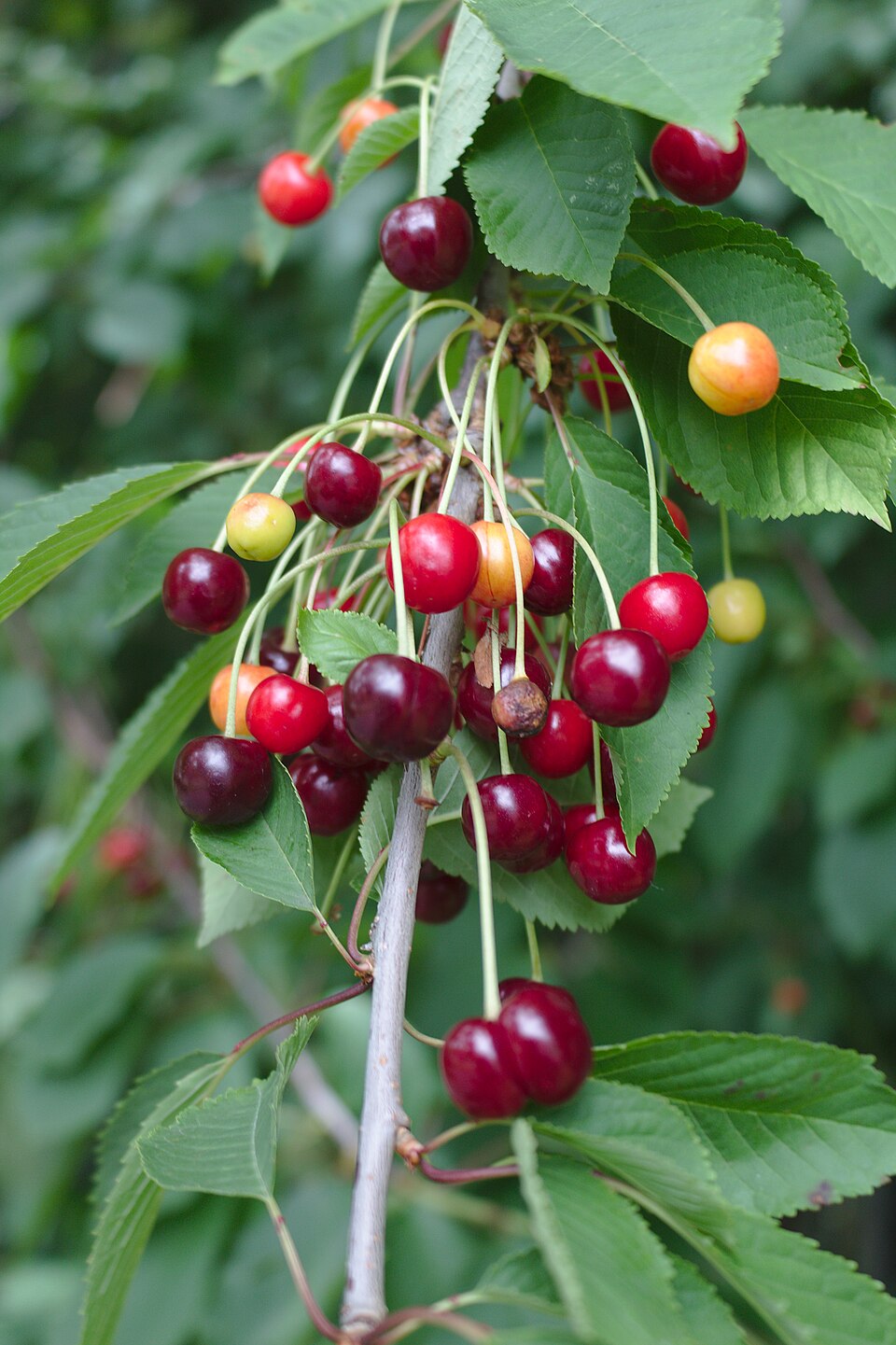
Sweet Cherry is a beautiful deciduous fruit tree prized for its masses of spring blossoms and delicious fruits. Native to Europe, western Asia, and parts of North Africa, it has been cultivated for thousands of years and remains one of the most important fruit crops in the world.
In spring, Sweet Cherry trees become covered with clouds of fragrant white flowers that attract bees and transform orchards into breathtaking displays. By early summer, the branches are loaded with glossy red, dark red, or nearly black cherries depending upon the variety. The fruits are among the most popular fresh fruits worldwide and are equally valued for desserts, preserves, and baking.
Combining ornamental beauty with abundant harvests, Sweet Cherry is one of the most rewarding fruit trees a gardener can grow.
Plant Characteristics- Botanical Name: Prunus avium
- Common Names: Sweet Cherry, Wild Cherry, Bird Cherry
- Plant Type: Deciduous fruit tree
- USDA Zones: 5-8
- Height: 20-50 feet
- Spread: 15-40 feet
- Sun Requirements: Full sun
- Flower Color: White
- Bloom Time: Early to mid spring
- Fruit Color: Red, dark red, burgundy, or nearly black
Sweet Cherries are famous for their juicy flesh, rich sweetness, and refreshing flavor. They are among the most widely consumed fresh fruits in the world.
- Fresh eating
- Pies and pastries
- Jams and preserves
- Fruit sauces
- Desserts
- Dried cherries
- Juices
- Home orchards
Depending on the variety, fruits may range from bright red to deep mahogany and can be exceptionally sweet when fully ripe.
Important NoteMany Sweet Cherry varieties require a second compatible cherry variety for pollination. When planting for fruit production, gardeners should verify pollination requirements for their chosen selections.
Germination Instructions- Cold stratify for 90-120 days at 34-40°F.
- Sow approximately 1 inch deep in a well-drained growing medium.
- Keep evenly moist.
- Provide temperatures of 65-75°F after stratification.
- Germination usually occurs in spring.
- Transplant seedlings when well established.
Sweet Cherry performs best in full sun and fertile, well-drained soil. Trees appreciate good air circulation and benefit from locations protected from late spring frosts.
Once established, trees are relatively easy to maintain and can remain productive for decades. Proper pruning encourages strong structure, improves airflow, and helps maximize fruit production.
Regular watering during fruit development helps produce larger, higher-quality cherries.
Container GrowingTraditional Sweet Cherry trees are generally too large for permanent container culture, but young trees can be grown in containers temporarily.
- Use deep containers with excellent drainage.
- Provide full sun.
- Water consistently.
- Transplant to a permanent location as the tree matures.
- Dwarf selections are better suited for long-term container growing.
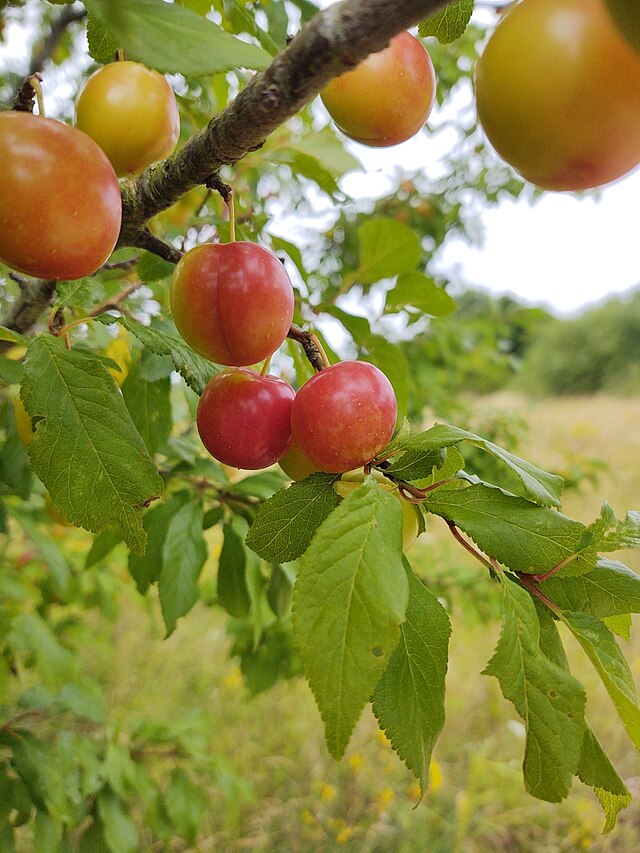
Myrobalan Plum, sometimes called Cherry Plum, is a beautiful and highly adaptable fruit tree native to southeastern Europe and western Asia. Valued for its attractive spring blossoms, colorful fruits, and exceptional hardiness, it has become one of the most widely planted plum species in both ornamental landscapes and fruit-growing regions.
In early spring, the tree is often covered with masses of white or pale pink flowers before the leaves emerge. By summer, these blossoms mature into small round fruits ranging in color from yellow and orange to deep red and purple, depending upon the strain.
Its beauty, productivity, and importance in fruit breeding have made Myrobalan Plum one of the most influential plum species in cultivation.
Plant Characteristics- Botanical Name: Prunus cerasifera
- Common Names: Myrobalan Plum, Cherry Plum
- Plant Type: Deciduous fruit tree
- USDA Zones: 4-8
- Height: 15-30 feet
- Spread: 15-25 feet
- Sun Requirements: Full sun
- Flower Color: White to pale pink
- Bloom Time: Early spring
- Fruit Color: Yellow, orange, red, or purple
The fruits are small, juicy plums with a sweet-tart flavor. Flavor varies considerably among seedlings, with some producing excellent dessert-quality fruits.
- Fresh eating
- Jams and jellies
- Fruit preserves
- Sauces
- Baking
- Wildlife food source
- Homemade wines
- Ornamental landscapes
The fruits ripen during summer and often appear in abundance on mature trees.
Important NoteMyrobalan Plum is one of the most commonly used plum rootstocks in commercial horticulture. Its vigor, adaptability, and compatibility with many plum varieties have made it invaluable to orchard production.
Germination Instructions- Cold stratify for 90-120 days at 34-40°F.
- Sow approximately 1 inch deep.
- Maintain even moisture.
- Provide temperatures of 65-75°F after stratification.
- Germination usually occurs during spring warming.
- Transplant seedlings once well established.
Myrobalan Plum is highly adaptable and tolerates a wide range of soils and growing conditions. It performs best in full sun with well-drained soil but can tolerate less-than-ideal conditions better than many fruit trees.
Trees grow rapidly and often begin flowering at a relatively young age.
Regular pruning helps maintain shape and improve fruit production.
Container GrowingYoung trees may be grown in large containers during establishment.
- Use deep containers with good drainage.
- Provide full sun exposure.
- Water regularly.
- Fertilize during active growth.
- Transplant before roots become crowded.
Permanent landscape planting is recommended for mature trees.
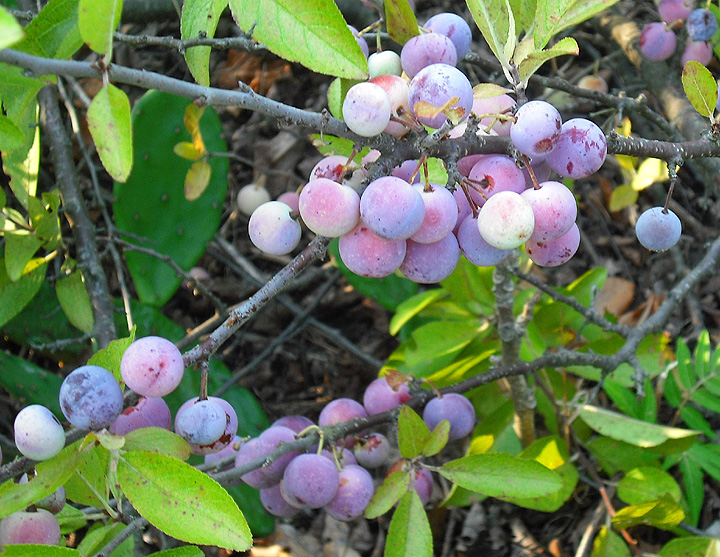
Beach Plum is a hardy native fruiting shrub found naturally along the Atlantic Coast of North America. Famous for its ability to thrive in coastal dunes and sandy soils, this rugged plant produces fragrant spring flowers followed by attractive purple fruits that have been enjoyed for generations.
Growing where many other fruit plants struggle, Beach Plum has adapted to salt spray, ocean winds, drought, and poor soils. Its beautiful blossoms, edible fruits, and exceptional wildlife value have made it increasingly popular in edible landscapes, native plant gardens, and coastal restoration projects.
Today, Beach Plum is considered one of the finest native fruiting shrubs for gardeners seeking beauty, resilience, and productivity.
Plant Characteristics- Botanical Name: Prunus maritima
- Common Names: Beach Plum, Coastal Plum
- Plant Type: Deciduous fruiting shrub
- USDA Zones: 3-8
- Height: 4-8 feet
- Spread: 5-10 feet
- Sun Requirements: Full sun
- Flower Color: White
- Bloom Time: Early spring
- Fruit Color: Purple, blue-purple, or reddish-purple
The fruits are small plums with juicy flesh and a sweet-tart flavor that improves after full ripening. While some fruits are pleasant fresh, Beach Plum is especially prized for preserves and specialty products.
- Fresh eating
- Jellies and jams
- Preserves
- Beach Plum wine
- Fruit sauces
- Pies and desserts
- Syrups
- Specialty regional products
The fruits typically ripen in late summer and often develop their best flavor after exposure to cool autumn nights.
Important NoteBeach Plum is one of the most salt-tolerant fruiting shrubs available. It thrives in coastal environments where many traditional fruit trees fail, making it an outstanding choice for seaside landscapes.
Germination Instructions- Cold stratify for 90-120 days at 34-40°F.
- Sow approximately 1 inch deep in a well-drained growing medium.
- Maintain moderate moisture.
- Provide temperatures of 65-75°F after stratification.
- Germination generally occurs during spring warming.
- Transplant seedlings when well established.
Beach Plum thrives in full sun and well-drained soils, particularly sandy conditions. It tolerates drought, salt spray, strong winds, and poor soils better than most fruiting shrubs.
Once established, plants require very little maintenance and can live for many years. The shrubs naturally form dense colonies through suckering, making them excellent for erosion control and naturalized plantings.
Good sunlight exposure encourages the heaviest flowering and fruit production.
Container GrowingBeach Plum can be grown in large containers, especially while young.
- Use containers with excellent drainage.
- Provide full sun.
- Use a sandy, well-drained growing medium.
- Water during establishment.
- Transplant as plants mature.
Long-term landscape planting generally provides the best fruit production and growth.
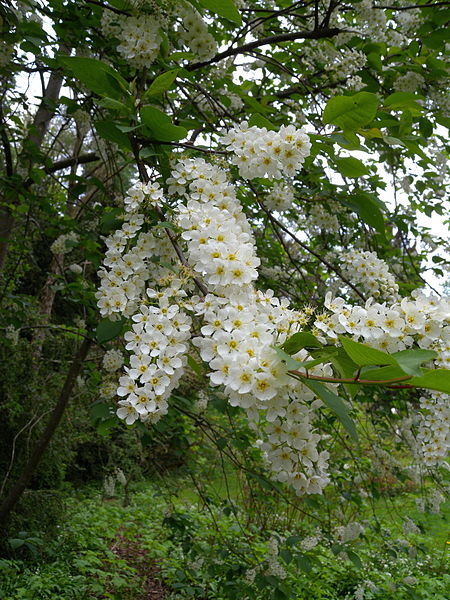
European Bird Cherry is a beautiful flowering tree native to Europe and northern Asia. Valued for its graceful form, fragrant spring blossoms, colorful fruits, and wildlife benefits, it has been a cherished ornamental and woodland tree for centuries.
Mature specimens typically reach 20 to 50 feet in height with a rounded crown and attractive branching structure. In spring, the tree becomes covered with long, pendulous clusters of creamy white flowers that create a spectacular floral display and fill the air with a sweet fragrance.
Following bloom, small dark purple to black cherries develop in hanging clusters. These fruits are especially attractive to birds, giving rise to the common name "Bird Cherry."
As a specimen lawn tree, European Bird Cherry provides four-season interest through flowers, fruit, foliage, and attractive bark.
Landscape Uses- Specimen lawn tree
- Flowering accent tree
- Wildlife landscapes
- Naturalized plantings
- Woodland gardens
- Pollinator gardens
- Estate landscapes
- Historic gardens
The tree's graceful flowers and excellent wildlife value make it a wonderful choice for both ornamental and ecological landscapes.
Important Landscape NoteEuropean Bird Cherry performs particularly well in cooler climates and appreciates adequate moisture during establishment. It is an excellent choice for northern gardens.
Germination Information- Cold stratify seeds for 90-120 days.
- Sow approximately ½ inch deep.
- Maintain temperatures between 60-75°F after stratification.
- Keep soil evenly moist.
- Provide bright light.
- Germination may occur over several weeks to months.
- Botanical Name: Prunus padus
- Plant Type: Deciduous Flowering Tree
- USDA Zones: 3-7
- Sun Exposure: Full Sun to Partial Shade
- Mature Height: 20-50 Feet
- Mature Spread: 15-35 Feet
- Growth Rate: Moderate
- Soil Preference: Moist, fertile, well-drained soils
- Water Requirements: Moderate
European Bird Cherry adapts well to a variety of soils and thrives in cool-temperate climates. It performs especially well near streams, woodland edges, and moist landscape settings.
Container GrowingYoung seedlings may be grown in containers for several years, but mature trees are best planted in the landscape where their canopy can fully develop.

Oriental Flowering Cherry is one of the most celebrated ornamental trees in the world. Native to Japan, Korea, and parts of China, this magnificent flowering cherry is prized for its breathtaking spring display of blossoms that transform the landscape into a cloud of pink and white color.
Mature trees typically reach 20 to 40 feet in height with a graceful rounded crown. During much of the year, the tree provides attractive green foliage and elegant branching structure, but its true glory arrives in spring when thousands of blossoms emerge simultaneously.
The flowers range from soft pink to rich rose shades depending on the variety and often appear before the leaves fully emerge. Many selections produce double blooms that create exceptionally dramatic floral displays.
As a specimen lawn tree, Oriental Flowering Cherry delivers one of the most spectacular spring flowering performances available in ornamental horticulture.
Landscape Uses- Specimen lawn tree
- Flowering accent tree
- Estate landscapes
- Memorial gardens
- Japanese-style gardens
- Park plantings
- Spring display gardens
- Street tree plantings
Few trees can equal the visual impact of a mature flowering cherry in full bloom.
Important Landscape NotePlant Oriental Flowering Cherry where its spring bloom display can be viewed from windows, patios, walkways, or gathering areas. The flowering season is relatively brief but unforgettable.
Germination Information- Cold stratify seeds for 60-90 days.
- Sow approximately ¼ to ½ inch deep.
- Maintain temperatures between 65-75°F after stratification.
- Keep soil evenly moist.
- Provide bright light.
- Germination generally occurs within 1-3 months.
- Botanical Name: Prunus serrulata
- Plant Type: Deciduous Flowering Tree
- USDA Zones: 5-8
- Sun Exposure: Full Sun
- Mature Height: 20-40 Feet
- Mature Spread: 20-35 Feet
- Growth Rate: Moderate
- Soil Preference: Rich, well-drained soils
- Water Requirements: Moderate
Oriental Flowering Cherry thrives in fertile, well-drained soil and benefits from consistent moisture during establishment. Full sun encourages the heaviest flowering displays.
Container GrowingYoung trees may be grown in large containers for several years, but mature specimens are best appreciated as landscape trees where their canopy and flowering display can fully develop.

Contact Us | Privacy Policy | About Us
Serving gardeners since 1992
State of Mississippi Seedmen's Permit #C-391, Ohio 90152, Minnesota 20086777