
Rain Forest Plant Seeds from around the World
We have carefully selected the following Rain Forest specimens for their ability to be grown indoors. These plants are unique and hold their own special place in nature. We hope that you will share the beauty and wonder of these plants with your friends and family.
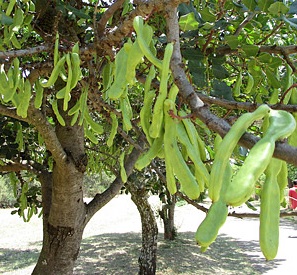
The Carob Tree is one of the oldest cultivated food trees in the world, valued for thousands of years for its sweet edible pods, drought tolerance, and exceptional longevity. Native to the Mediterranean region, Ceratonia siliqua is an attractive evergreen tree that produces nutritious chocolate-flavored pods while thriving in hot, dry climates where many other food crops struggle.
Carob pods contain a naturally sweet pulp that has been used for centuries as a food source. The dried pods are often ground into Carob Powder, a caffeine-free alternative to cocoa that is widely used in baking, beverages, desserts, and health foods. Unlike chocolate, carob contains no caffeine and is naturally sweet, requiring less added sugar in recipes.
In addition to its edible value, the Carob Tree is highly ornamental, developing a broad, dense canopy of glossy evergreen foliage that provides excellent shade. Mature trees can live for centuries and become impressive landscape specimens while continuing to produce heavy crops of pods.
Uses- Carob powder production.
- Caffeine-free chocolate substitute.
- Baking and desserts.
- Livestock feed.
- Wildlife food source.
- Shade tree.
- Drought-tolerant landscaping.
- Mediterranean gardens.
- Scarify seeds by lightly nicking or sanding the seed coat.
- Soak seeds in warm water for 24 hours.
- Sow seeds 1/2 to 1 inch deep in a well-drained growing medium.
- Maintain temperatures between 70-85°F (21-29°C).
- Keep soil lightly moist but never waterlogged.
- Provide bright light after germination.
- Germination typically occurs within 2-6 weeks.
- Transplant seedlings once well established.
- Botanical Name: Ceratonia siliqua
- Plant Type: Evergreen fruit and shade tree
- USDA Zones: 8-11
- Sun Exposure: Full sun
- Soil: Well-drained soil; tolerant of poor soils
- Water: Low to moderate once established
- Height: 30-50 feet
- Spread: 30-40 feet
- Growth Rate: Moderate
- Lifespan: Often 100+ years
Carob Trees thrive in warm climates and are exceptionally tolerant of heat, drought, rocky soils, and coastal conditions. Once established, they require very little maintenance and are considered one of the most dependable food-producing trees for dry regions.
Nutritional BenefitsCarob pods are rich in dietary fiber, calcium, potassium, antioxidants, and natural sugars. Carob powder is often used as a nutritious alternative to cocoa and has become popular among health-conscious consumers because it is naturally caffeine-free and low in fat.
Special Features- Produces sweet edible pods.
- Source of caffeine-free carob powder.
- Extremely drought tolerant.
- Long-lived evergreen tree.
- Excellent shade producer.
- Low-maintenance once established.
- Suitable for poor soils.
- Historic Mediterranean food crop.
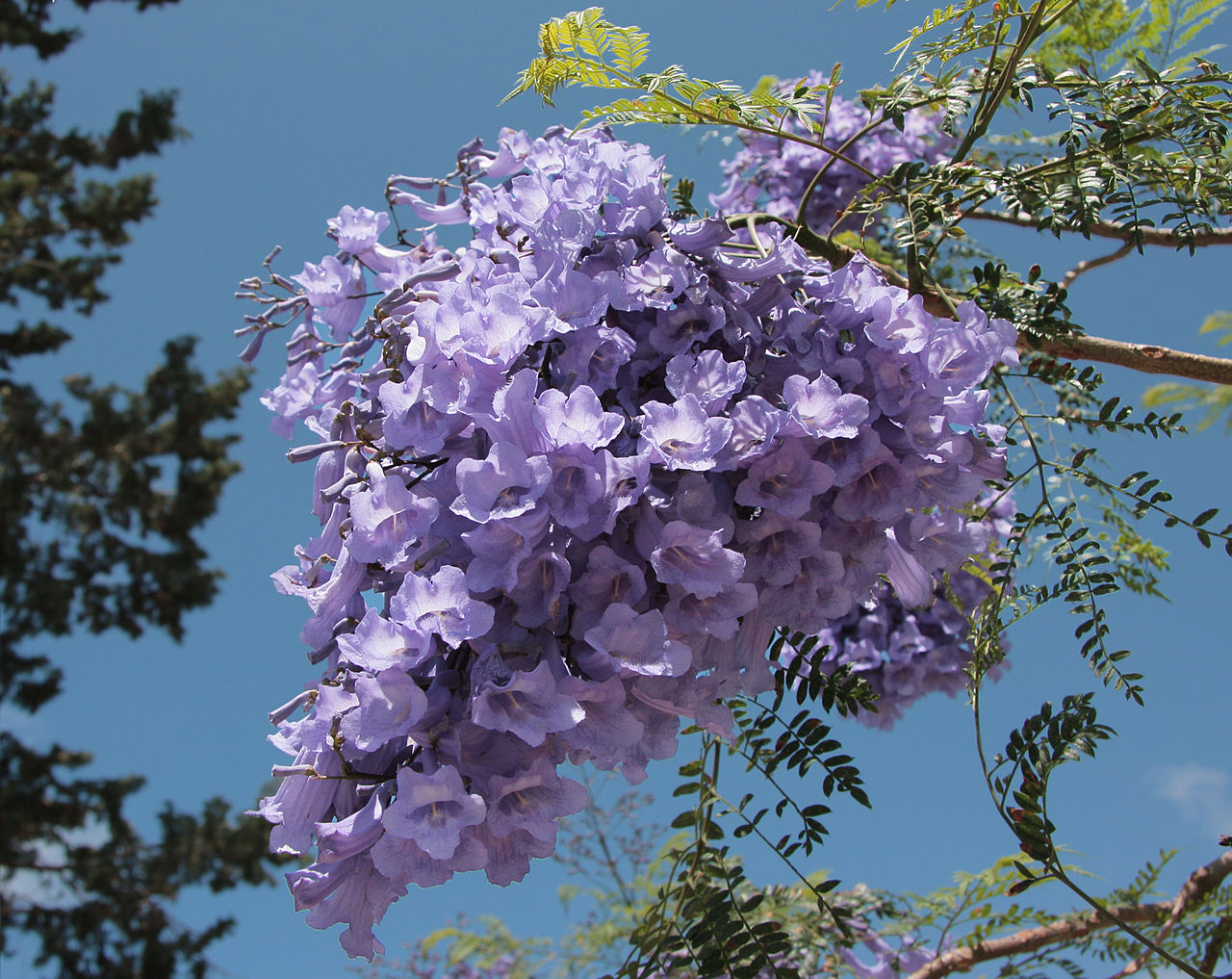

The tree grows to a height of up to 60 or so feet tall in it's native climate, but also makes a good tub plant when young for cooler climates. Its bark is thin and grey-brown, smooth when the tree is young but eventually becoming finely scaly. The twigs are slender and slightly zigzag; they are a light reddish-brown. The flowers are up to 2 inches long, and are grouped in 12 inch panicles. They appear in spring and early summer, and last for up to two months. They are followed by woody seed pods, about 2 inches in diameter, which contain numerous flat, winged seeds. The blue jacaranda is cultivated for the sake of its large compound leaves, as well as it's flowers.
The blue jacaranda has been cultivated in almost every part of the world where there is no risk of frost; established trees, however, tolerate brief spells of temperatures down to around 19 °F. In the US, in areas where winter temperatures can dip to 10 °F for several-hour periods, the mature tree survives with little or no visible damage. Even when young trees are damaged by a hard frost and suffer dieback, they will often rebound from the roots and grow in a shrub-like, multi-stemmed form.
_in_Funchal,_january_2017.jpg)
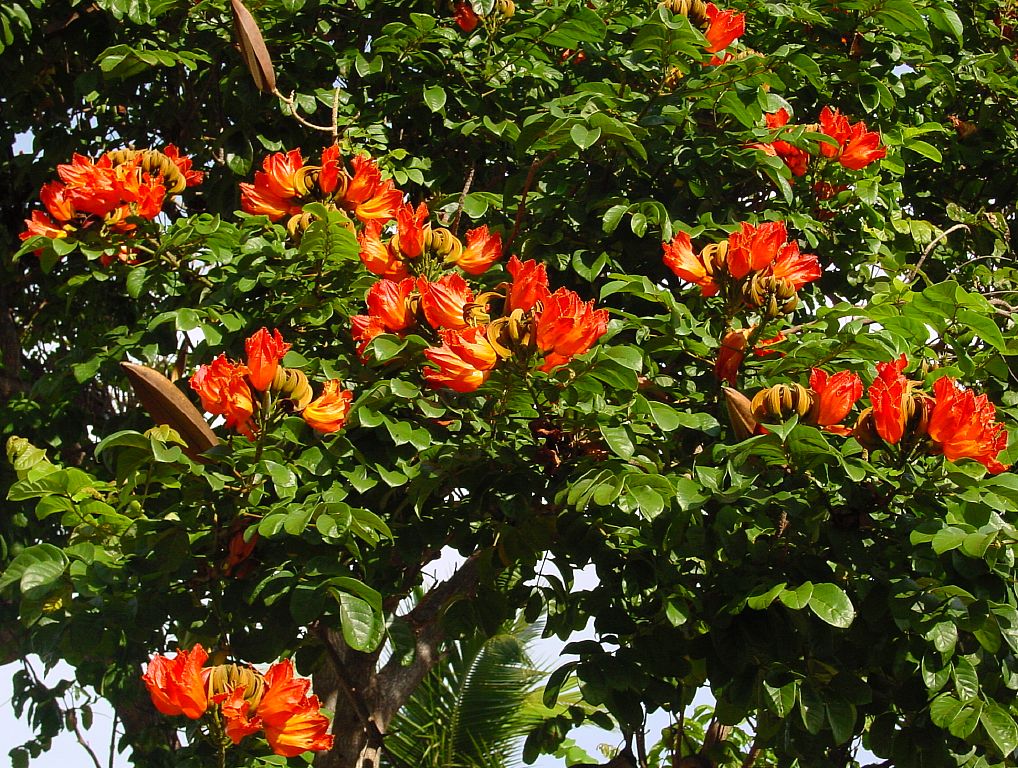
African Tulip Tree is one of the most spectacular flowering trees found in tropical and subtropical landscapes. Native to tropical Africa, this fast-growing ornamental species is renowned for its enormous clusters of brilliant orange-red flowers that create a dazzling display visible from great distances.
Mature trees typically reach 40 to 80 feet in height and develop a broad, rounded canopy that provides generous shade. The glossy dark green foliage forms an attractive backdrop that makes the vivid flowers appear even more brilliant.
The large tulip-shaped blossoms are among the most distinctive flowers produced by any tree. During peak bloom, entire branches may become covered with fiery orange and scarlet flower clusters, transforming the tree into a living flame of color.
As a specimen lawn tree, African Tulip Tree creates one of the most dramatic flowering displays available for warm-climate landscapes.
African Tulip Tree grows rapidly and develops a broad canopy. Plant where its spectacular bloom display can be viewed from a distance and where mature growth can be accommodated.
Germination Information- Sow seeds on the soil surface or lightly cover.
- Use a well-drained seed-starting mix.
- Maintain temperatures between 75-85°F.
- Keep evenly moist.
- Provide bright light.
- Germination generally occurs within 2-6 weeks.
- Botanical Name: Spathodea campanulata
- Plant Type: Tropical Flowering Tree
- USDA Zones: 10-12
- Sun Exposure: Full Sun
- Mature Height: 40-80 Feet
- Mature Spread: 30-60 Feet
- Growth Rate: Fast
- Soil Preference: Well-drained soils
- Water Requirements: Moderate
African Tulip Tree thrives in warm climates with abundant sunshine. Once established, it tolerates seasonal dry periods while continuing to provide impressive flowering displays.
Container GrowingYoung plants may be grown in large containers for several years, but their rapid growth eventually requires permanent planting in the landscape.
Its brilliant floral display has earned it numerous common names, including Flame of the Forest, Fireball Tree, Fountain Tree, and Scarlet Bell Tree.
Today it remains one of the most admired flowering trees in tropical horticulture.
When viewed during peak bloom, a mature African Tulip Tree can appear as though it is on fire with color. The massive clusters of scarlet-orange blossoms rise above the canopy like glowing torches, creating a display that rivals many of the world's most famous flowering trees. For sheer visual impact, few tropical species can equal the unforgettable beauty of African Tulip Tree.
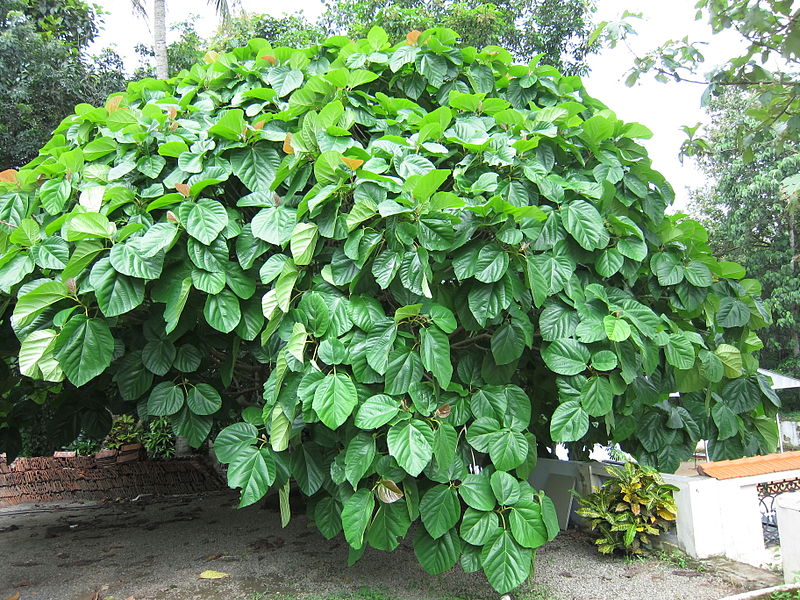

Elephant Ear Fig is one of the most dramatic foliage plants that can be grown indoors. Famous for its enormous rounded leaves that can resemble elephant ears, this tropical fig creates an instant focal point wherever it is displayed. The lush foliage, bold texture, and impressive size give it a distinctly tropical appearance that rivals many of the most popular indoor specimen plants.
Native to tropical regions of Asia, Ficus auriculata combines the toughness of other ficus species with some of the largest leaves found in the genus. Young plants adapt remarkably well to container culture and make outstanding houseplants for bright rooms, sunrooms, and conservatories.
Indoor Growing InformationElephant Ear Fig thrives in bright indirect light and benefits from several hours of gentle morning sun. A location near a bright south-facing or east-facing window provides ideal conditions. While it tolerates moderate light, brighter conditions encourage stronger growth and larger leaves.
Keep the soil consistently moist but never saturated. Allow the upper inch of soil to dry slightly between waterings. Consistent moisture encourages healthy foliage development and vigorous growth.
Young plants grow relatively quickly and can become impressive specimens within a few years.
Container GrowingUse a large container with excellent drainage and a rich, fertile potting mix. The plant develops an extensive root system and appreciates adequate growing space.
Container-grown plants can be maintained through occasional pruning and shaping. Regular repotting helps sustain vigorous growth and encourages larger leaves.
As plants mature, they become excellent floor specimens capable of transforming an ordinary room into a tropical retreat.
Temperature and HumidityIdeal temperatures range between 65°F and 85°F. Elephant Ear Fig enjoys warm conditions and should be protected from temperatures below 55°F.
Moderate to high humidity promotes the healthiest foliage. Bathrooms, sunrooms, and rooms with humidifiers often provide ideal environments.
Seed GerminationSow seeds on the surface of a moist seed-starting mix and press lightly into the growing medium. Do not cover deeply, as light helps promote germination. Maintain temperatures between 75°F and 85°F while keeping the medium consistently moist.
Provide bright light and warm conditions after seedlings emerge.
Houseplant Uses- Tropical floor specimen.
- Sunroom centerpiece plant.
- Large foliage display.
- Conservatory collection plant.
- Architectural interior accent.
- Collector's tropical fig.
Throughout tropical Asia, Elephant Ear Fig has long been valued for both ornamental and practical purposes. In some regions, the fruits are consumed fresh or cooked, while the plant itself is admired for its dramatic appearance.
Botanical gardens worldwide frequently showcase this species because of its remarkable foliage and unusual fruiting habit.
Growing TipRotate the container regularly to encourage balanced growth and symmetrical leaf development. Occasional cleaning of the leaves helps maintain their glossy appearance and improves light absorption.
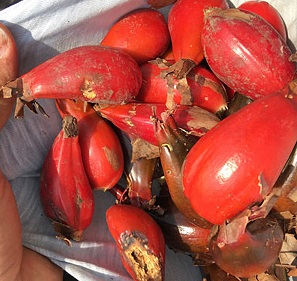
Seed of Heaven is a rare and fascinating tropical plant belonging to the ginger family (Zingiberaceae). Native to the rainforests of tropical Africa, Aframomum species are prized for their lush ornamental foliage, exotic seed pods, and aromatic seeds that have been valued for centuries in traditional culinary and cultural uses. For collectors of unusual tropical plants, Seed of Heaven represents one of the more intriguing and rewarding species available from seed.
Growing from underground rhizomes, this vigorous perennial develops large, attractive leaves that create a lush jungle-like appearance. Mature plants produce unusual flowering structures near the base of the plant, followed by brilliant red seed capsules that split open to reveal glossy black seeds. The striking fruits create a dramatic display that is both ornamental and highly distinctive.
In its native habitat, Aframomum thrives in warm, humid rainforest conditions and can form impressive clumps over time. Gardeners in tropical and subtropical regions can grow it outdoors, while those in cooler climates often cultivate it in greenhouses, sunrooms, or large containers that can be protected during cold weather.
Germination Instructions- Soak seeds in warm water for 24-48 hours before sowing.
- Sow seeds 1/4 inch deep in a well-drained seed-starting mix.
- Maintain soil temperatures between 75-85°F (24-29°C).
- Keep the growing medium consistently moist but never waterlogged.
- Provide high humidity during germination.
- Place containers in bright indirect light.
- Germination may occur within several weeks but can be irregular and may require patience.
- Botanical Name: Aframomum species
- Plant Type: Tropical perennial
- Family: Ginger Family (Zingiberaceae)
- USDA Zones: 10-12
- Sun Exposure: Partial shade to filtered sunlight
- Soil: Rich, organic, well-drained soil
- Water: Regular moisture
- Height: Varies by species, often 4-10 feet
- Growth Habit: Clump-forming from rhizomes
Seed of Heaven thrives in warm temperatures, high humidity, and fertile soil rich in organic matter. Protect plants from frost and cold winds. Regular watering and occasional feeding during active growth will help maintain lush foliage and encourage vigorous development.
Container GrowingSeed of Heaven adapts well to large containers, making it an excellent choice for greenhouse culture or seasonal patio displays. Use a rich, moisture-retentive potting mix with excellent drainage. Containers should be large enough to accommodate the expanding rhizome system. In cooler climates, bring plants indoors before temperatures fall below 50°F (10°C).
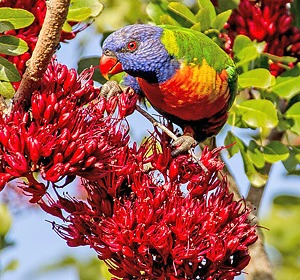
Drunken Parrot Tree is one of the most spectacular flowering trees of southern Africa, famous for its brilliant red blossoms, wildlife activity, and unusual common name. This handsome evergreen to semi-evergreen tree typically grows 20 to 40 feet tall in cultivation, forming a rounded crown with attractive dark green compound foliage.
During the blooming season, the tree becomes covered with dense clusters of vivid crimson to scarlet-red flowers. These nectar-rich blooms often drip with sweet liquid, attracting birds, butterflies, bees, and other wildlife. The flowers are followed by flat brown seed pods that split open when mature to reveal hard seeds.
Its bold color, manageable size, and wildlife appeal make Drunken Parrot Tree an outstanding specimen for warm-climate lawns and tropical-style landscapes.
The combination of brilliant red flowers and active bird visitation gives this tree exceptional display value during bloom season.
Important Landscape NoteDrunken Parrot Tree is best suited to warm, frost-free or nearly frost-free climates. It should be planted in a sunny, protected location with adequate space for its rounded canopy to develop.
Germination Information- Scarify the hard seed coat before sowing.
- Soak seeds in warm water for 12-24 hours.
- Sow approximately ½ inch deep in a well-drained medium.
- Maintain temperatures between 70-85°F.
- Keep lightly moist but not waterlogged.
- Germination usually occurs within 2-6 weeks.
- Botanical Name: Schotia brachypetala
- Plant Type: Evergreen to Semi-Evergreen Flowering Tree
- USDA Zones: 9-11
- Sun Exposure: Full Sun to Light Shade
- Mature Height: 20-40 Feet
- Mature Spread: 20-35 Feet
- Growth Rate: Moderate
- Soil Preference: Well-drained soils
- Water Requirements: Moderate once established
Drunken Parrot Tree adapts to a variety of well-drained soils and performs best with regular moisture during establishment. Mature trees tolerate periods of dryness but flower best when not subjected to severe drought.
Container GrowingYoung trees can be grown in large containers for several years and make unusual patio or greenhouse specimens. In colder climates, container culture allows the plant to be protected during winter, although long-term growth is best in the landscape where hardy.
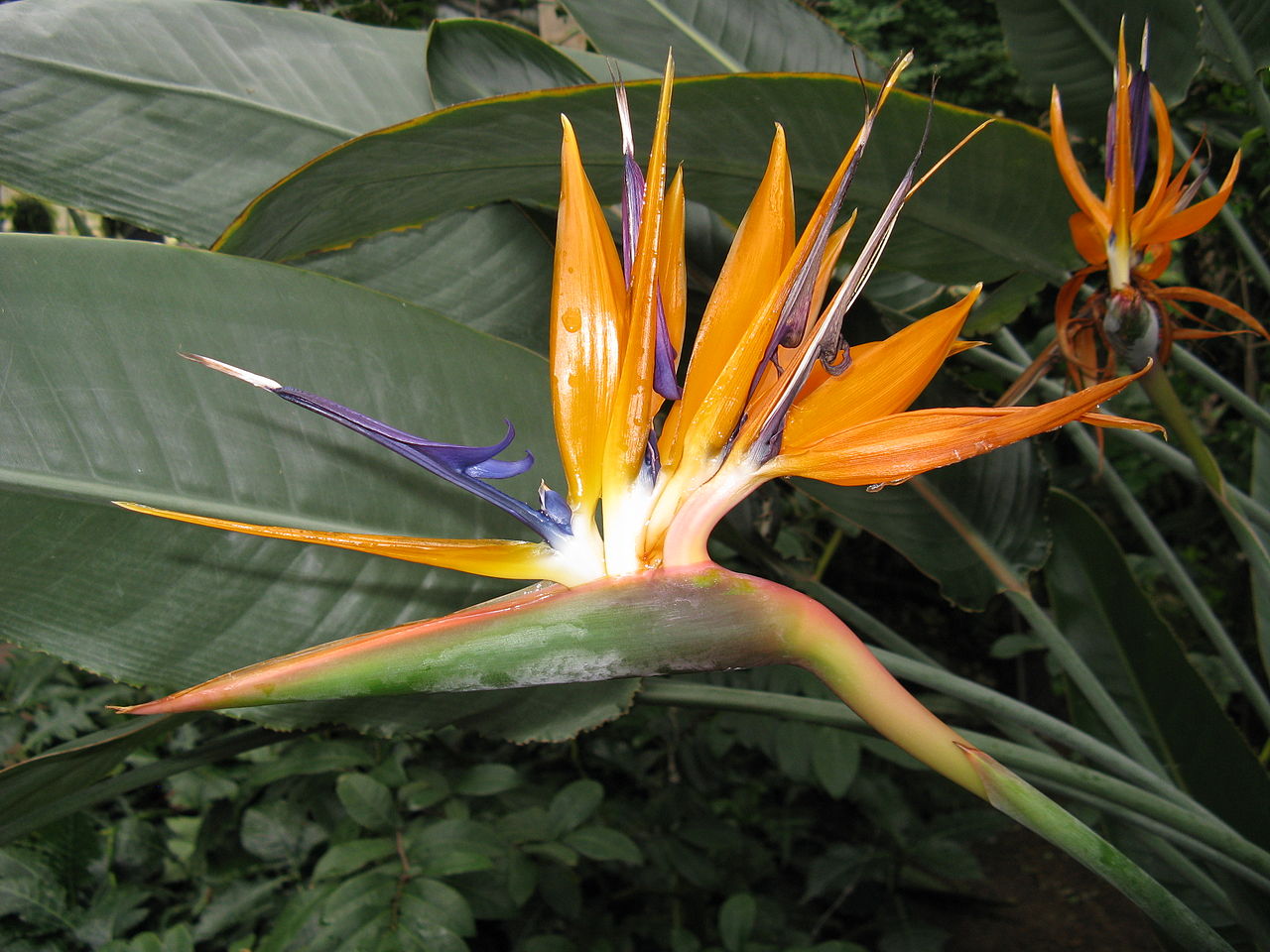
Bird of Paradise is one of the world's most recognizable and spectacular tropical flowering plants. Native to South Africa, this evergreen perennial is celebrated for its extraordinary blooms that resemble brightly colored tropical birds in flight. The striking orange sepals and vivid blue petals emerge from a boat-shaped bract, creating one of the most dramatic flowers found in ornamental horticulture.
Its bold banana-like foliage provides year-round architectural interest, while the long-lasting flowers make it a favorite for tropical gardens, resort landscapes, and cut flower arrangements. Few plants convey a tropical atmosphere as effectively as Bird of Paradise.
Plant Characteristics- Botanical Name: Strelitzia reginae
- Common Names: Bird of Paradise, Crane Flower
- Plant Type: Evergreen tropical perennial
- Mature Height: 3 to 6 feet
- Mature Spread: 4 to 6 feet
- Growth Rate: Moderate
- USDA Zones: 9 to 11
- Flower Color: Orange, blue, and purple
- Foliage: Large paddle-shaped evergreen leaves
Bird of Paradise is ideal for tropical borders, foundation plantings, poolside landscapes, courtyard gardens, patio containers, and resort-style landscapes. It is particularly effective when planted in groups where the dramatic flowers can create a stunning display.
The bold foliage provides a lush tropical appearance even when the plant is not blooming.
Germination InformationBird of Paradise seeds germinate slowly but reliably with patience.
- Remove any orange seed tufts before planting.
- Soak seeds in warm water for 24 to 48 hours.
- Sow approximately 1/2 inch deep.
- Use a well-drained germination mix.
- Maintain temperatures between 75 and 85°F.
- Keep soil consistently moist.
- Germination may take 1 to 6 months.
Bird of Paradise grows best in full sun to partial shade. In cooler climates, full sun encourages the best flowering, while light afternoon shade may be beneficial in extremely hot regions.
The plant prefers rich, well-drained soil and regular watering during active growth. Once established, it becomes moderately drought tolerant and requires relatively little maintenance.
Mature plants often produce flowers for many months each year under favorable conditions.
Container GrowingBird of Paradise is one of the finest tropical plants for container culture. Large decorative containers placed on patios, pool decks, and entryways showcase both the foliage and flowers beautifully.
Plants often bloom particularly well when slightly root-bound, making them excellent long-term container specimens.
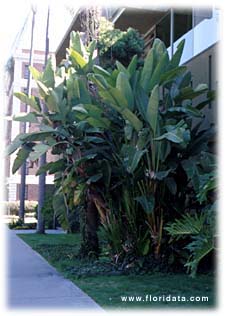
Giant White Bird of Paradise is one of the most impressive tropical landscape plants available. Native to the coastal forests of South Africa, this magnificent species develops into a towering clump of banana-like foliage that can reach the height of a small tree. Its enormous paddle-shaped leaves create an instant tropical effect, while the dramatic white and blue flowers add an exotic touch unlike any other landscape plant.
Often mistaken for a banana tree, Giant White Bird of Paradise grows much larger than its famous cousin, Strelitzia reginae, and is prized for creating lush tropical screens, resort-style plantings, and spectacular focal points in warm-climate gardens.
Plant Characteristics- Botanical Name: Strelitzia nicolai
- Common Names: Giant White Bird of Paradise, Wild Banana, Natal Wild Banana
- Plant Type: Evergreen tropical perennial
- Mature Height: 20 to 30 feet
- Mature Spread: 10 to 15 feet
- Growth Rate: Fast
- USDA Zones: 9 to 11
- Flower Color: White with blue-purple accents
- Foliage: Massive banana-like evergreen leaves
Giant White Bird of Paradise is widely used as a tropical screen, privacy planting, architectural accent, poolside specimen, resort landscape feature, and dramatic focal point.
Its towering foliage creates a lush backdrop for flowering plants and can quickly transform ordinary landscapes into tropical showpieces.
Germination InformationSeeds germinate best when fresh and properly prepared.
- Remove the orange seed tuft before planting.
- Soak seeds in warm water for 24 to 48 hours.
- Sow approximately 1/2 inch deep.
- Use a well-drained germination mix.
- Maintain temperatures between 75 and 85°F.
- Keep soil consistently moist.
- Germination typically occurs within 1 to 3 months.
Giant White Bird of Paradise thrives in full sun to partial shade and prefers rich, fertile, well-drained soils. Regular watering during establishment encourages rapid growth and lush foliage.
Once established, plants tolerate drought reasonably well but perform best with supplemental moisture during prolonged dry periods.
Wind may naturally split older leaves, creating the classic tropical appearance often seen in mature specimens.
Container GrowingYoung plants can be grown successfully in large containers for several years. However, because of their eventual size, mature specimens are best suited to landscape planting.
Large decorative containers are often used in commercial settings, resorts, and conservatories to showcase the plant's dramatic foliage.
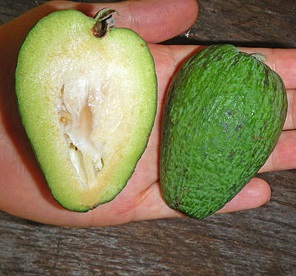
The pinkish flowers have prominent red stamens and are followed by plum-sized, yellowish green fruits that are amazingly delicious, highly aromatic, lightly acidic and remind of pineapple and strawberries. They are eaten raw or used in jams, juices or sauces.
Hardy to zone 8.
Please check out our Complete Rainforest Plants Growing Guide

Contact Us | Privacy Policy | About Us
Serving gardeners since 1992
State of Mississippi Seedmen's Permit #C-391, Ohio 90152, Minnesota 20086777