
Ratibida Seed ( Perennial )
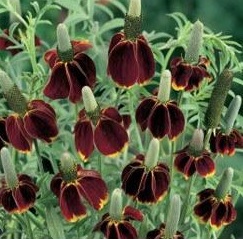
Mexican Hat (Ratibida columnaris) is a distinctive native wildflower known for its tall central cones and drooping petals that resemble tiny sombreros. The flowers often appear in warm shades of mahogany, red-brown, yellow, or bicolor combinations, rising above finely divided, fern-like foliage. Tough, drought tolerant, and long blooming, Mexican Hat is an excellent choice for wildflower meadows, prairie gardens, xeriscapes, pollinator plantings, and naturalized borders.
Garden Uses
Mexican Hat is ideal for native plant gardens, prairie plantings, wildflower meadows, dry borders, pollinator gardens, roadside-style plantings, and low-water landscapes. Its unusual flower form adds movement and character to informal gardens, while the airy foliage blends well with grasses, black-eyed Susan, blanket flower, purple coneflower, yarrow, coreopsis, and other sun-loving perennials. It is especially effective when planted in groups or allowed to naturalize.
Growing Information
Sow seeds directly outdoors in fall or early spring, or start indoors 6 to 8 weeks before the last expected frost. For improved germination, seed may benefit from a brief cold, moist stratification period. Press seed lightly into the soil surface and cover only very thinly. Keep moist until germination, which usually occurs in 10 to 21 days under favorable conditions.
Plants grow best in full sun and well-drained soil. Mexican Hat tolerates poor, rocky, sandy, or dry soils and should not be overwatered or overfertilized. Rich soil can produce overly lush growth with fewer flowers. Once established, plants are quite drought tolerant and require very little care. Deadheading may prolong bloom, while leaving seed heads in place can encourage natural reseeding and provide food for birds.
Quick Facts
| Characteristic | Details |
|---|---|
| Botanical Name | Ratibida columnaris |
| Common Name | Mexican Hat |
| Plant Type | Short-lived perennial wildflower |
| Flower Color | Mahogany, red-brown, yellow, or bicolor |
| Bloom Time | Summer to early fall |
| Height | 18 to 36 inches |
| Spread | 12 to 18 inches |
| Sun Exposure | Full sun |
| Soil Requirements | Well-drained, sandy, rocky, or average soil |
| Water Requirements | Low to moderate; drought tolerant once established |
| USDA Zones | 3 to 9 |
| Garden Uses | Wildflower meadows, prairie gardens, xeriscapes, pollinator gardens, dry borders, naturalized plantings |

Contact Us | Privacy Policy | About Us
Serving gardeners since 1992
State of Mississippi Seedmen's Permit #C-391, Ohio 90152, Minnesota 20086777