
Seeds for Rock Garden Plants
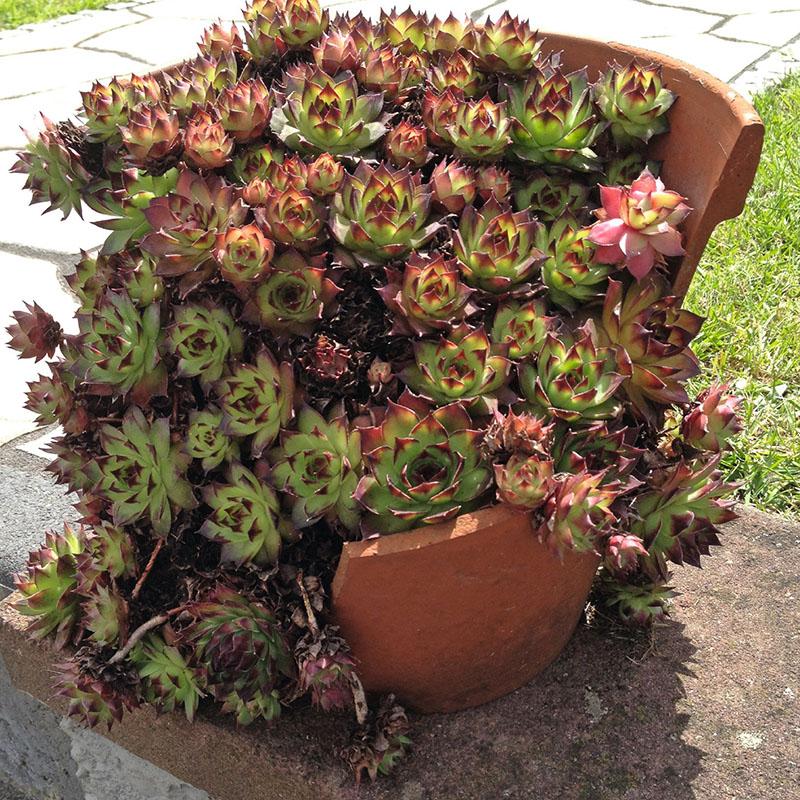
Sempervivum Hippie Chicks are excellent structural plants for rock gardens, dry stone walls, containers, and green-roof plantings. And they are deer resistant. Low growing plant 3-5 inches tall. Perennial for zones 3-9.
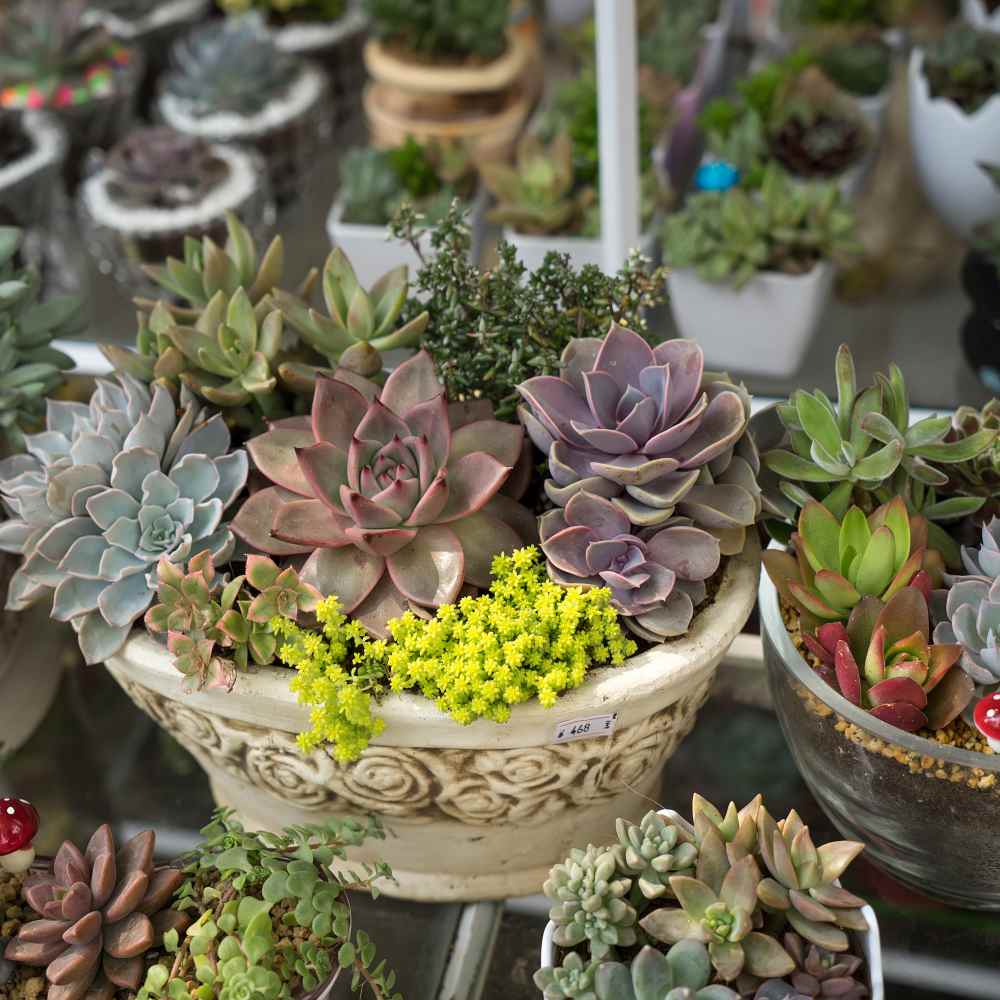
Grow Sempervivum succulent plants in full sun to partial shade and in well-drained soil. In the South, Sempervivum Hens and Chicks can profit from partial shade. The rosettes die after flowering but are replaced by new rosettes on lateral runners. Sempervivum is an old-time favorite used in concrete planters on either side of the front entry or as a great ground cover plant. Great in window boxes or niches. They require little water or attention to thrive.
These outdoor succulents are known for their charming appearance and extreme durability. They resemble an unfurled rose with accenets of colors and can form dense mats that accent gardens and arrangements. Perennial for zones 3-10.
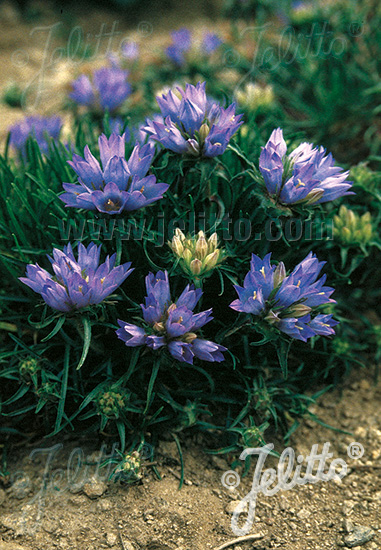
Drought-tolerant; it is also suitable for xeriscaping. Kin to the Campanulas and found on limestone slopes from the Mediterranean to eastern Europe, this superb perennial demands well drained, even gritty, soil.
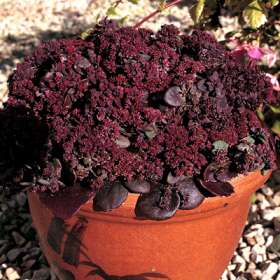
Each multi-seed pellet contains several seeds.
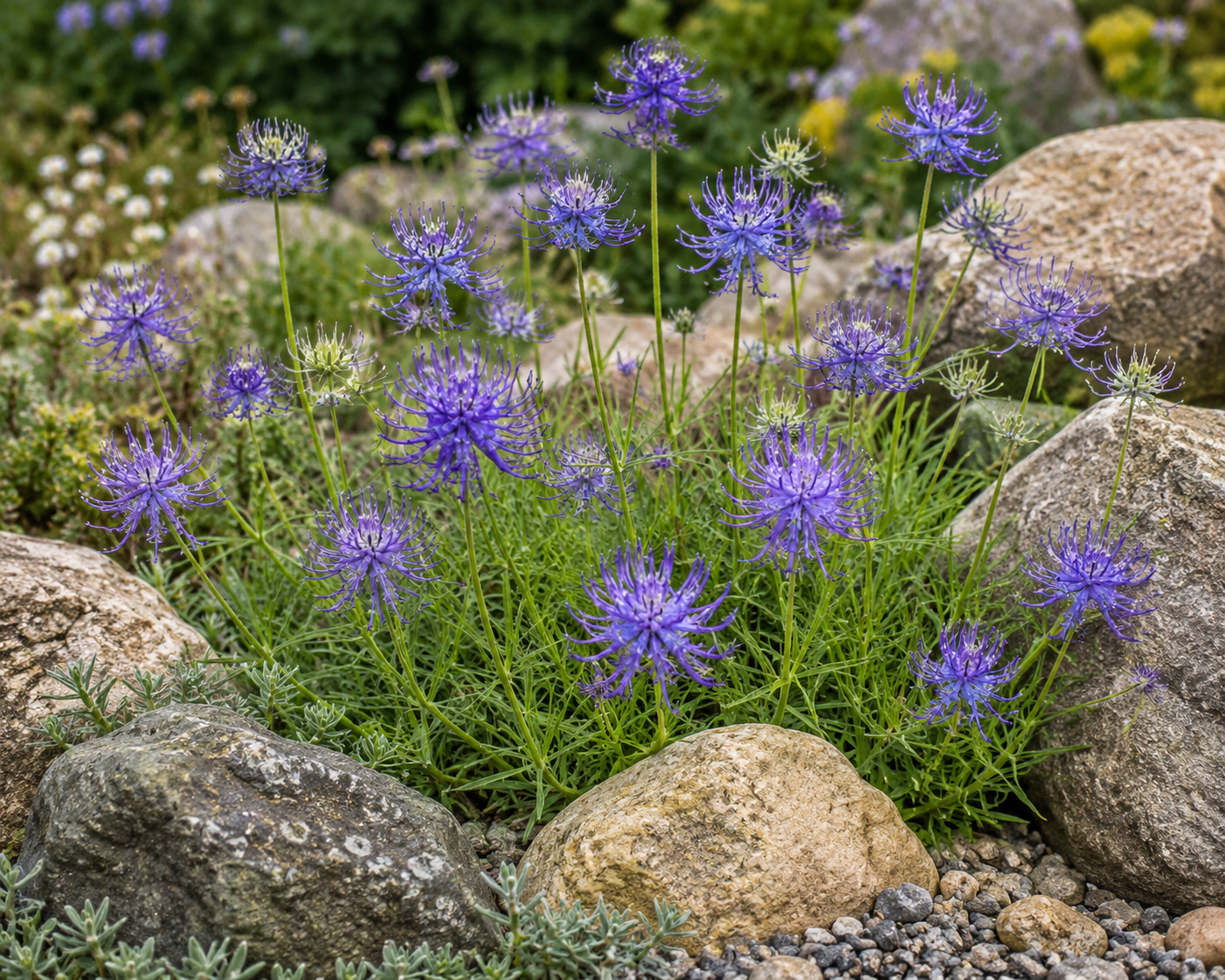
Horned Rampion (Phyteuma scheuchzeri) is an unusual alpine perennial treasured for its distinctive deep violet-blue flowers that resemble clusters of delicate horns or miniature fireworks. Native to the rocky mountain slopes of the European Alps, this charming species brings an authentic alpine character to rock gardens, crevice gardens, trough plantings, and well-drained borders. Its compact size and unique blooms make it an excellent conversation piece among collectors of rare mountain plants.
Growing only 6 to 12 inches tall, Horned Rampion forms neat clumps of narrow green foliage that remain attractive throughout the growing season. During late spring and early summer, sturdy stems produce striking upright flower heads composed of slender, curved petals that gradually unfurl into their unusual horn-like appearance. The rich violet-blue blossoms contrast beautifully against stone, gravel, and other low-growing alpine plants, adding texture as well as color to the landscape.
This hardy perennial thrives in full sun to light afternoon shade and prefers sharply drained, gritty soil that closely mimics its native mountain habitat. Once established, it tolerates dry periods remarkably well, making it ideal for rock gardens where excessive moisture can be detrimental. Raised beds, stone walls, alpine troughs, and gravel gardens all provide excellent growing conditions, especially in regions with cool summers.
Easy to grow from seed with a period of cool, moist stratification, Horned Rampion gradually develops into long-lived clumps that require very little maintenance. Its compact habit allows it to fit naturally among dwarf campanulas, saxifrages, aubrietas, dianthus, and other alpine treasures. Whether planted in a traditional rock garden or displayed in a decorative stone trough, this uncommon perennial rewards gardeners with one of the most distinctive floral displays found among alpine plants.
Specifications:
Botanical Name: Phyteuma scheuchzeri
Common Name: Horned Rampion
Plant Type: Hardy perennial
Height: 6–12 inches
Spread: 8–12 inches
Light: Full sun to light afternoon shade
Soil: Sharp-draining, gritty, moderately fertile soil
Water Needs: Low to moderate; avoid poorly drained soils
Bloom Time: Late spring to early summer
Flower Color: Deep violet-blue
Uses: Rock gardens, alpine gardens, stone troughs, crevice gardens, gravel gardens, borders
Hardiness: USDA Zones 4–8
Seedman Notes:
Horned Rampion is a true alpine gem for gardeners seeking unusual rock garden plants. Its fascinating horn-shaped flowers, compact habit, and excellent hardiness make it a rewarding addition to alpine collections where its distinctive blooms stand out beautifully among rocks and other miniature mountain perennials.
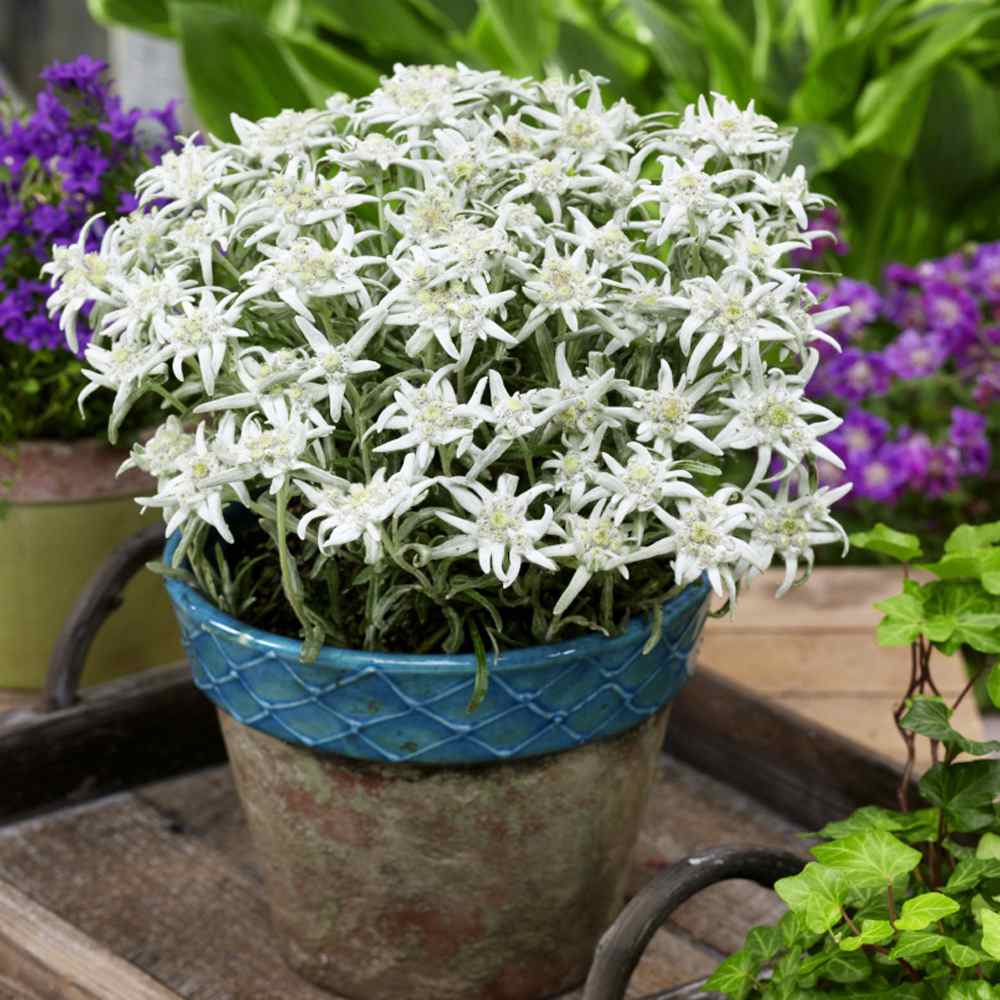
The Edelweiss flower is good for cutting, and it can be used in fresh or dried arrangements. Europeans historically have used the Edelweiss herb as a tea to treat diarrhea and dysentery. Edelweiss herb plants are also used widely as a cosmetic cream to aid healing and control facial wrinkles.
The Edelweiss Leontopodium Alpinum plant is low-growing and makes nice compact border plants. They will sometimes self-seed and come back even stronger the following spring. Best in regions with cool summers. Drought-tolerant once established.
Perennial plant for zones 3-9.
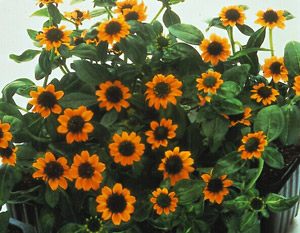
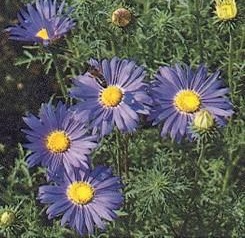
Excellent plant for borders, roadsides, xeriscapes, rock gardens.
Adaptable to a variety of garden conditions, it is drought-tolerant when established and an excellent choice for xeric gardens, natural or prairie gardens, meadows, hillsides, or hard to maintain areas. The plant often reseeds and grow in following years. You will enjoy its cheerful beauty and the way it attracts bees and butterflies.
For zones 3-10.
Seedman Basic Info:
Grows about 12 to 18 inches tall, will germinate in about 15-45 days depending on soil and weather conditions, germinates best if soil temperature is in the 56-65°F range.
Cover seeds about 1/8" deep, blooms from May to September.
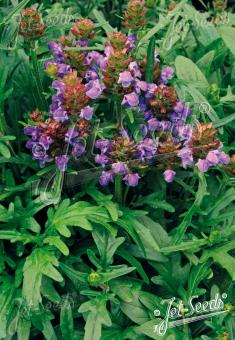
Prunella x webbiana 'Blue Spider' is a charming, low-growing perennial groundcover prized for its unusual whorls of bright blue to blue-purple flowers. Compact, tidy, and easy to enjoy, this attractive self-heal variety brings a soft natural look to borders, rock gardens, containers, cottage gardens, and pollinator plantings.
Plants form a spreading mat of attractive foliage, staying low while sending up colorful flower spikes from late spring into summer. The blooms are especially appealing to bees, butterflies, and other beneficial pollinators, making 'Blue Spider' a useful choice for gardeners who want beauty and wildlife value in a small space.
This hardy perennial performs well in full sun to partial shade and prefers well-drained soil. Once established, it is easy to maintain and can be lightly trimmed after flowering to encourage a neat appearance. Its compact habit also makes it excellent for edging pathways, filling gaps between taller perennials, or softening the front of flower beds.
- Botanical Name: Prunella x webbiana 'Blue Spider'
- Common Name: Blue Spider Self-Heal
- Plant Type: Hardy perennial groundcover
- Flower Color: Blue to blue-purple
- Bloom Season: Late spring through summer
- Height: About 6 to 8 inches
- Light: Full sun to partial shade
- Uses: Groundcover, borders, rock gardens, containers, pollinator gardens, cottage gardens
- Pollinator Value: Attracts bees, butterflies, and beneficial insects
Prunella 'Blue Spider' is a wonderful choice for gardeners looking for a dependable, compact flowering perennial with vivid blue blooms and excellent pollinator appeal.
Note: These seeds need to be cold statified before sowing for best germination.
We recommend using the Seedman's Cold Stratification Kits for cold stratification.
A perennial for zones 4-9.
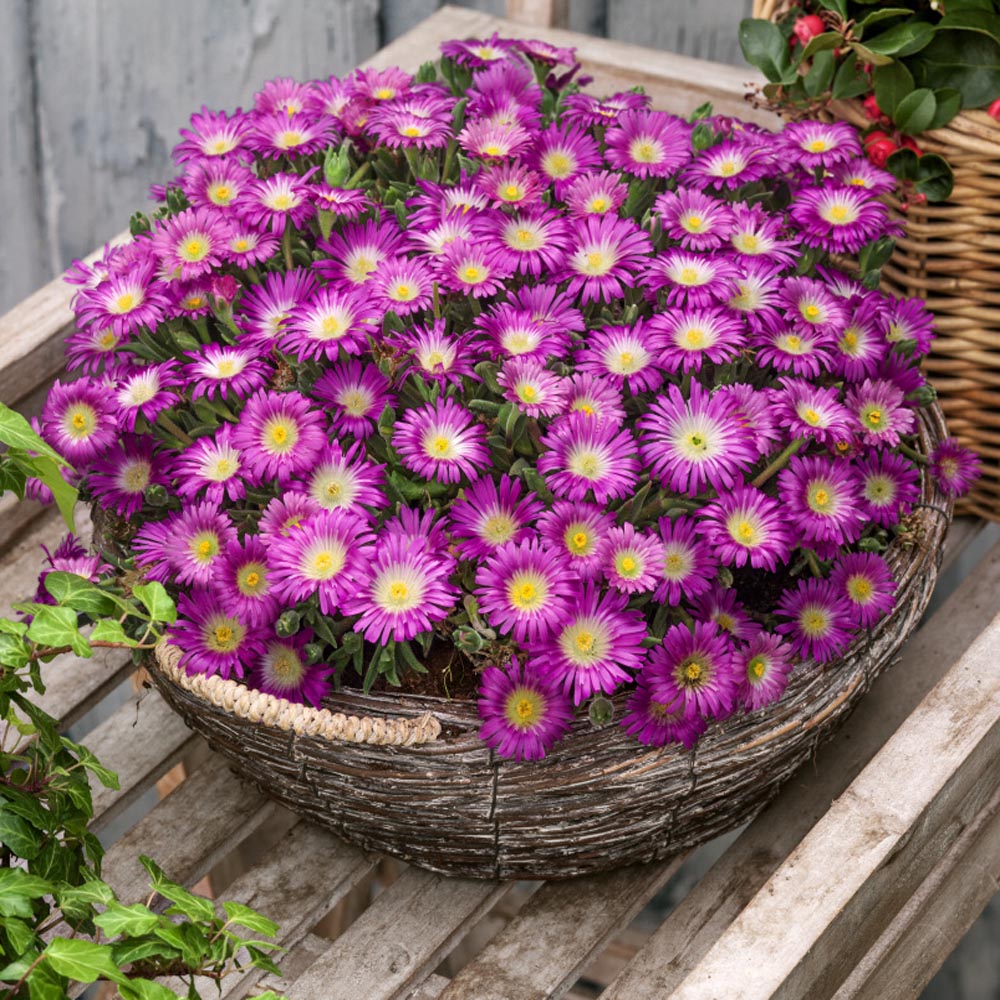
Table Mountain has foliage that is deep green, almost succulent looking and extremely shiny. The blooms are 1 - 2 inches across and cover the foliage, opening in the morning and closing in the evening. Ice Plants make a great under planting for roses and taller shrubs. They also work well in a container as long as their situation is sunny and well-draining.
Pelleted seeds for easy sowing.
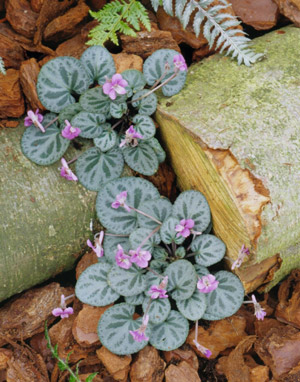
A plant of many uses, mass as a ground cover for small areas. Filler between stepping stones. Leave undisturbed and allow it to spread in native plant gardens or naturalized areas. Rock gardens.
Highly decorative dark foliage, a "Walk on" plant. Perennial, hardy to zone 3.
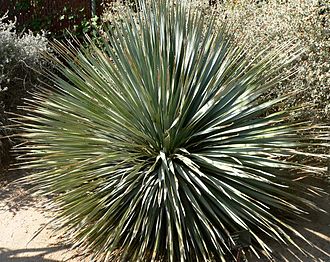
The flowering stem grows above the foliage, to a height of 16 feet tall. The stem is topped by a long plume of straw-colored small flowers. The color of the flower determinate the gender of the plant, being mostly white colored for males and purple-pink for females.
It is grown as an ornamental plant, valued in xeriscaping. As it does not tolerate extended frosts, in temperate regions it is usually grown under glass. It has gained the Royal Horticultural Society's Award of Garden Merit.
The alcoholic drink sotol, the northern cousin to tequila and mezcal, is made from the fermented inner cores of the desert spoon. It is the state drink of the Mexican states of Chihuahua, Durango, and Coahuila.
It was also used by the natives of the region for food and fiber. Its flower stalk can be used as a fire plow.
Cold hardy to 10 degrees.
The Tarahumara and Pima Bajo peoples of the Sierra Madre Occidental of Chihuahua weave baskets from the leaves after they strip off the spines from the leaf margins. They also employ the expanded leaf bases in making large artificial flowers as holiday decorations.
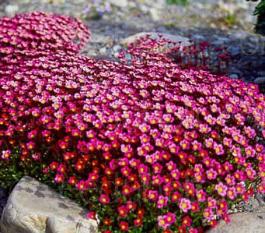
Also, known as Mossy Saxifrage or Purple Robe ground cover, Saxifrages grow well in containers, beds, rock gardens, and anywhere a low-growing, spreading ground cover plant is desired. Mossy Saxifrage plants prefer well-drained soil and full sun to partial shade conditions. Purple Robe does not do well in the hot humid areas. It is both deer and rabbit resistant.
Grows about 6 inches tall, a perennial hardy for zones 4-9. Very tiny seeds! About the size of petunia seeds.
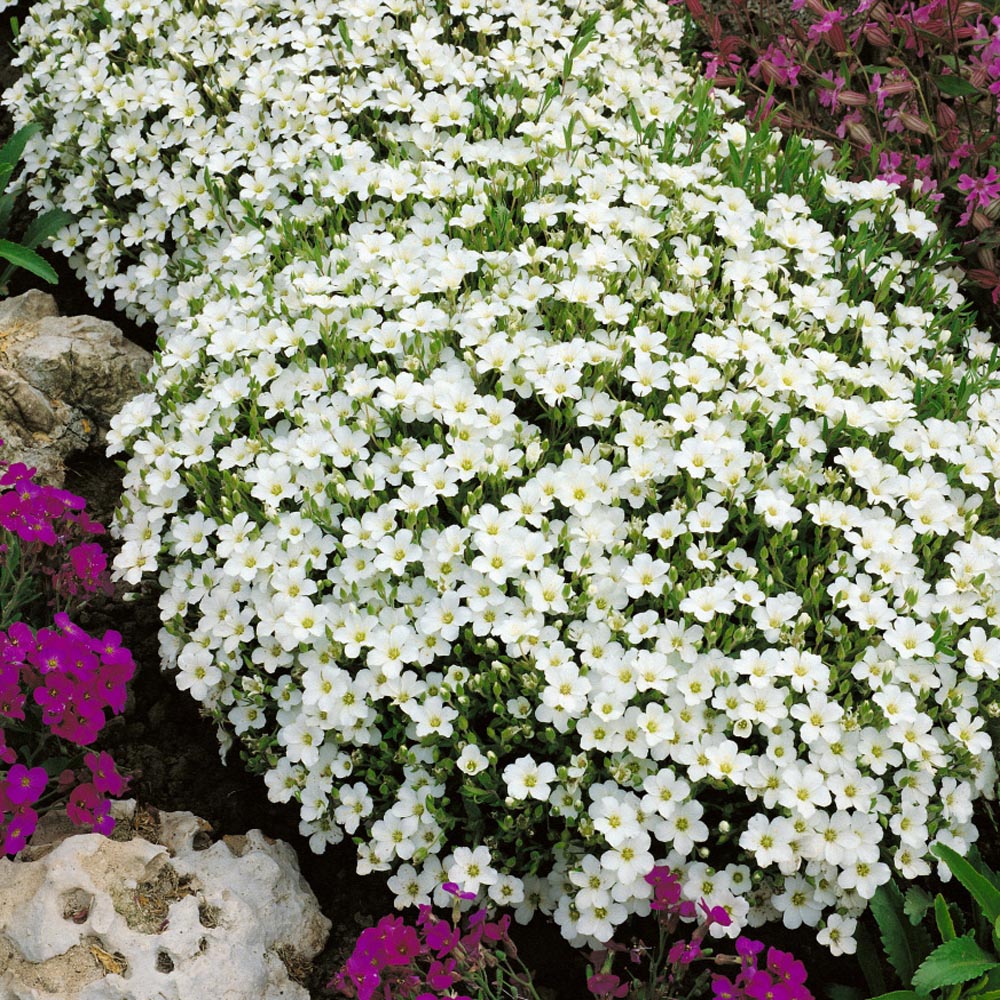
Great for edging paths, between flagstones, in walls, a ground cover, or trough gardens. Plants prefer well-drained soil and full sun to partial shade. Divide these ground cover plants in spring or early fall.
Sow seeds indoors 4-6 weeks before last frost. Transplant seedlings when danger of frost as passed. Arenaria ground cover plants are fairly drought tolerant once established. Sometimes they are used as a lawn substitute. Zones 3-8, grows about 4 inches tall.
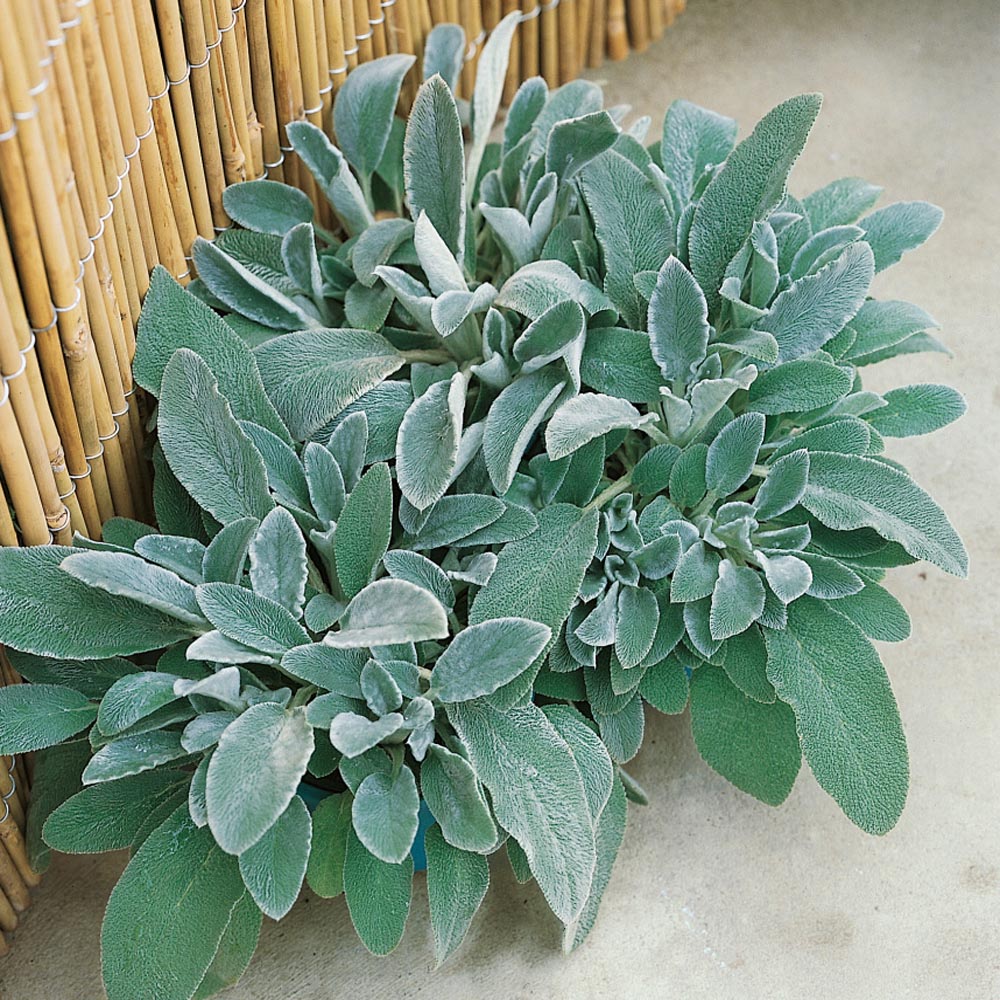
Lamb's Ear attracts bees, butterflies, and hummingbirds with its purple flower spikes in late spring and early summer.
Lamb's Ear is very adaptive. It is drought tolerant enough for a rock garden setting, and it is also a good choice for growing in hot, humid summers where some plants can lose their form. Lamb's Ear ground cover makes a perfect companion plant for a rose garden.
Grow this hardy perennial flower in full sun to partial shade and in well-drained soil. It is a reliable performer that needs little care. Lamb's Ear uses include edging the border of the garden or as a general ground cover. It is a ready self-seeder, and also spreads by roots making it ideal for ground cover. A perennial for zones 4-8, grows about 16 inches tall.
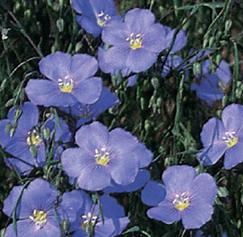
Blue Flax was discovered by Meriwether Lewis on the Lewis and Clark Expedition in the late 1700's, thus the name. For zones 3-10.
Seedman Basic Info:
Grows about 12 to 24 inches tall, will germinate in about 15-60 days depending on soil and weather conditions, germinates best if soil temperature is in the 65-70°F range.
Cover seeds about 1/16" deep, blooms from May to September.
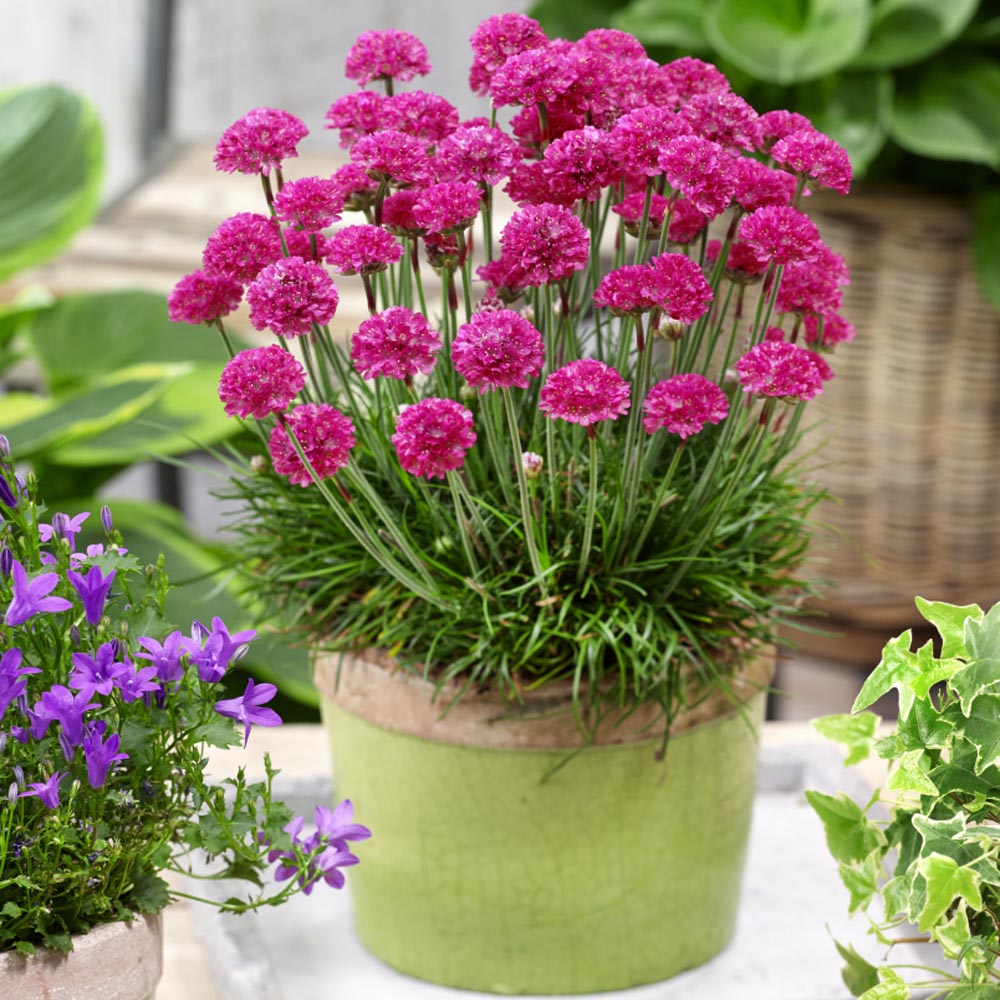
An excellent cutflower. Attracts bees and butterflies. As an ornamental plant, Sea Thrift has already been used in our gardens for a long time. Because of the habitat requirements, it is well-suitable for rockeries, nature-near gardens, heather gardens or beach gardens. If it feels good, it sows itself and appears in many locations.
Armeria Maritima is tolerant of dry, poor and even salty soils. Armeria Sea Pink grows readily from flower seed, and does well in full sun and well-drained soil. It is very drought tolerant and an excellent choice for rock gardens.
Height: 8-10 inches. USDA Zones: 3 - 9
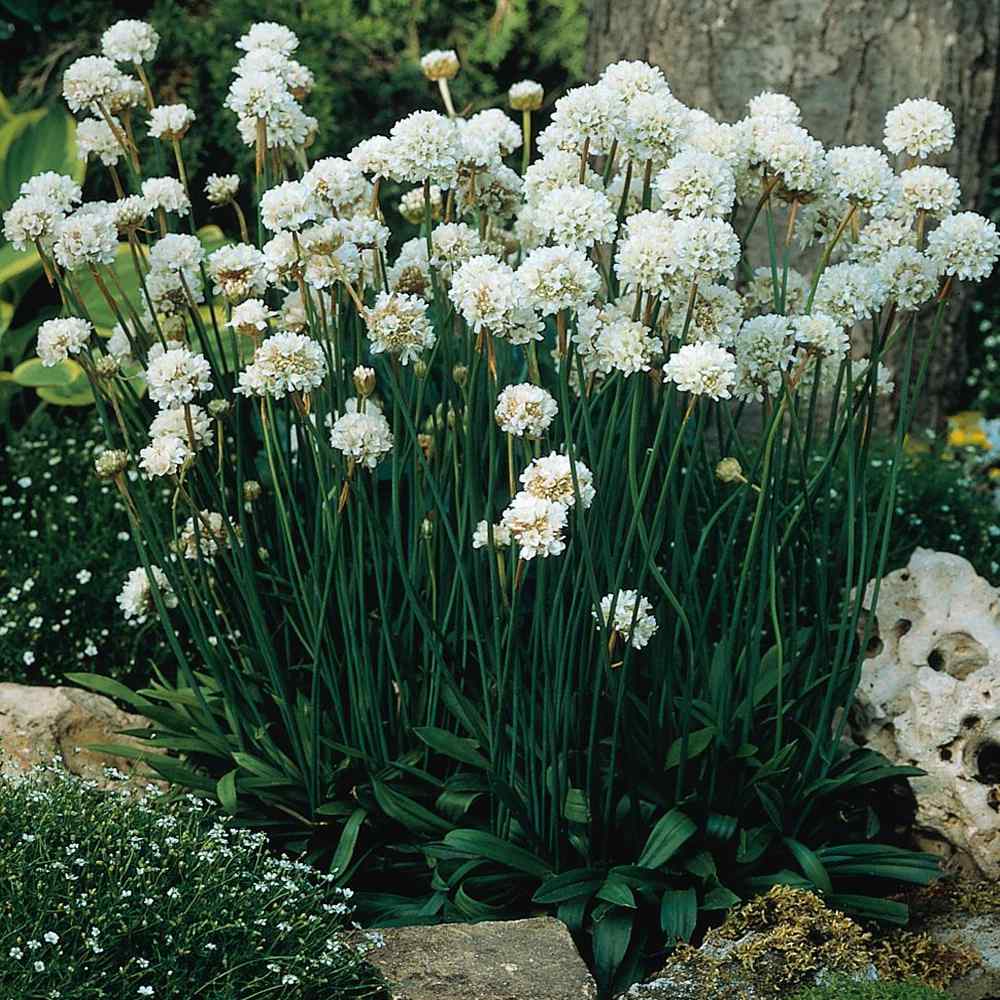
A good cut flower. Attracts bees and butterflies. A versatile little flower that can be planted in containers, the rock garden or the front of the border. Height: 6 inches. USDA Zones: 3 - 7
Growing Lemon Catnip is a wonderful way to bring a lemony scent to your landscape or garden, and it's a reliable plant giving years of pleasure. Start these flower seeds indoors in late winter for transplanting out after frosts have passed.
A perennial best suited for zones 4-9.
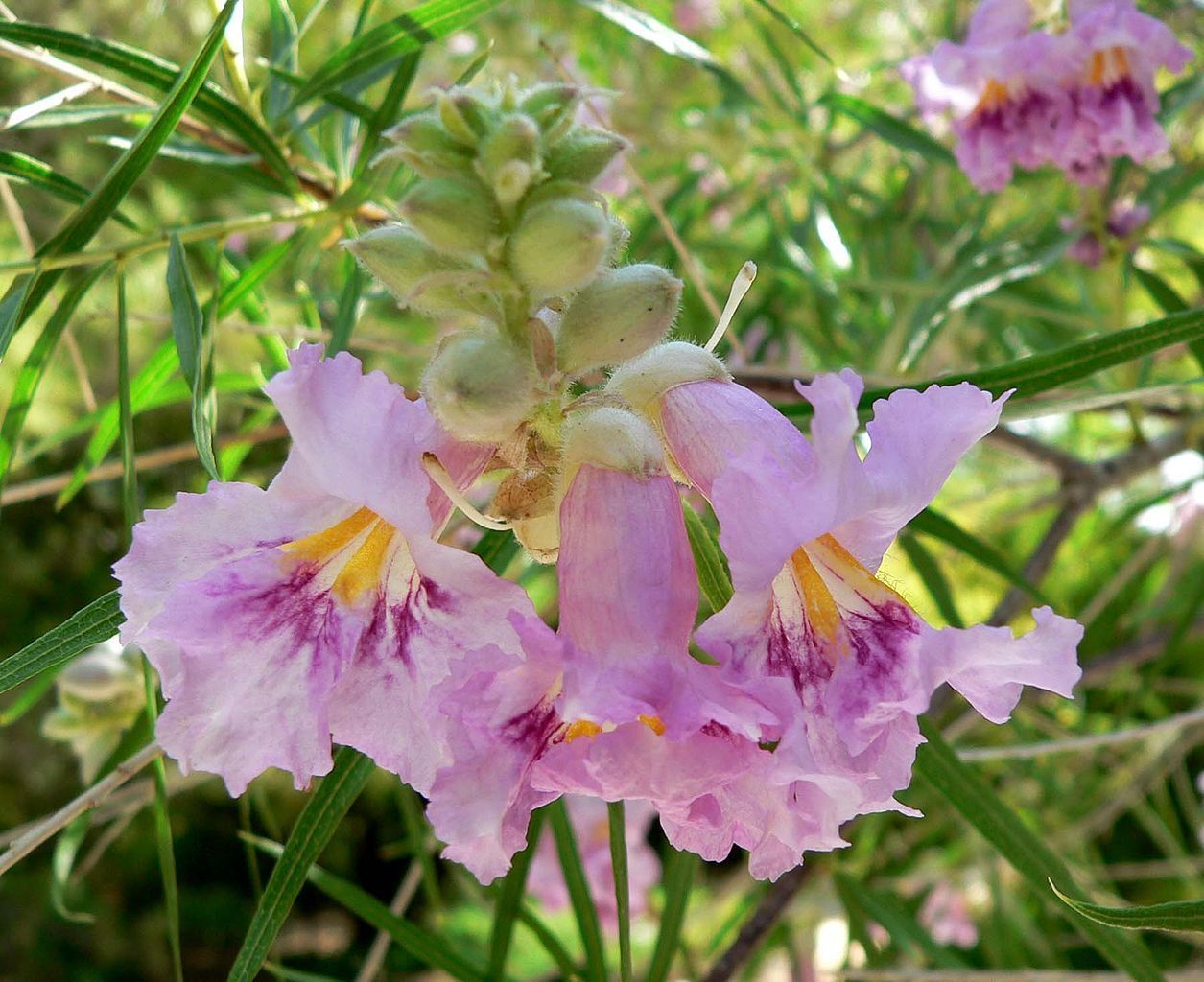
The Penstemon like flowers are fragrant, pink to lavender. They appear in May and keep coming until September or frost. Likes moderate water and sun. Does best inland and in desert.
This is a great plant for a bird garden, rock garden, xeriscape or lawn specimen. Best suited for zones 6-10.
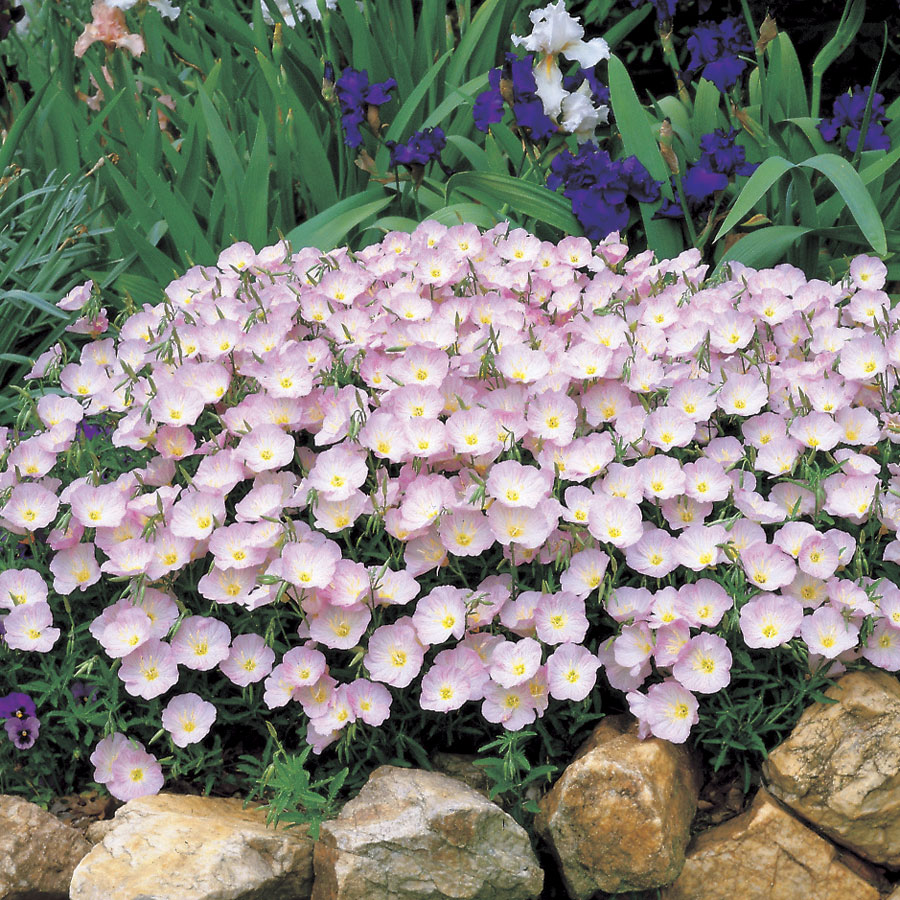
10" tall x 18" wide plants are care free plant for most gardens with soft pink blooms. A heat loving plant that thrives in sunny, dry areas along baking south and west facing walls and pavement areas. Spreading rapidly on shallow roots when the hot summer weather arrives, give this beauty plenty of room to grow as it will overrun smaller, less vigorous plants. Preferring unimproved, well-drained soils, this plant requires little extra water once established. Not generally recommended for gardeners living in cold, short season climates.
Perhaps best grown in areas where plants can spread without intruding on other plantings. Meadows. Wildflower gardens. Roadsides. Informal naturalized areas. Site carefully if planting in beds, borders or rock gardens.
A perennial best suited for zones 5-8.
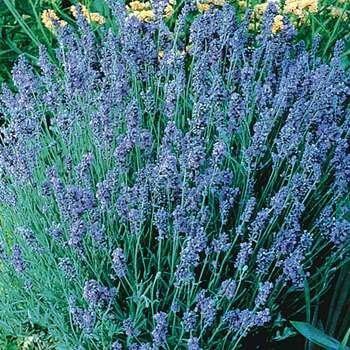
Most lavenders make you wait, but Lavender Lady is a game-changer. It is one of the few varieties that blooms in its very first year from seed. You don't have to wait seasons for that iconic purple haze; you can enjoy it this summer.
Why Lavender Lady is a Garden Royalty: The Purest Aroma: As an English Lavender, it carries the sweetest, most refined scent of the species—perfect for aromatherapy, lavender sachets, or culinary use in shortbreads and teas.
A Sea of Blue-Purple: It produces dense, uniform spikes of deep lavender-blue flowers that stand proudly above mounded, silvery-green foliage.
Compact & Tidy: Growing to a perfectly manageable 10–12 inches, it is ideal for low hedges, edging garden paths, or spilling over the sides of patio containers.
A "Triple Threat" Perennial: It is deer-resistant, drought-tolerant, and a magnet for pollinators. Bees and butterflies will treat your garden like a five-star resort.
Lavender Lady isn’t just for looking at. Harvest the stems to create stunning fresh bouquets, or dry them to keep your linens smelling fresh all winter long. It’s the ultimate "stress-relief" plant—simply brush against the foliage as you walk by to release a wave of calming perfume.
Why settle for ordinary greenery when you can have a first-year floral masterpiece?
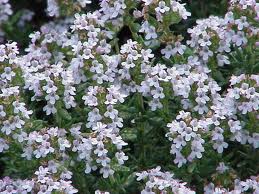
English Thyme is one of the most versatile and beloved culinary herbs in the world. This hardy perennial forms a dense mound of tiny aromatic leaves that provide exceptional flavor for soups, stews, poultry, vegetables, sauces, and countless traditional recipes. Its compact habit and attractive evergreen foliage also make it a beautiful addition to containers, herb gardens, borders, and rock gardens.
Beyond its culinary value, English Thyme is highly prized for its role in supporting pollinators. During summer, plants become covered with masses of delicate pink to lavender flowers that attract bees, butterflies, and other beneficial insects. The nectar-rich blooms provide an important food source while adding color and charm to the garden.
English Thyme is also valued as a companion plant in vegetable and herb gardens. Its fragrant foliage is traditionally planted near crops to help attract pollinators and beneficial insects while contributing to a healthy and diverse garden environment. The low-growing habit makes it an excellent choice for edging garden beds, pathways, and raised vegetable gardens.
Drought tolerant once established and exceptionally easy to grow, English Thyme thrives in containers and sunny locations where its fragrance can be enjoyed throughout the growing season.
Hardiness Zones:English Thyme is a perennial in USDA Zones 5-9, returning year after year with minimal care.
Germination Instructions:- Start seeds indoors 6-8 weeks before the last expected frost or sow outdoors after danger of frost has passed.
- Sow seeds on the surface of the soil and press lightly into place.
- Do not cover deeply, as light aids germination.
- Maintain temperatures between 65-75°F (18-24°C).
- Keep the growing medium lightly moist.
- Seeds typically germinate in 14-28 days.
- Provide bright light after germination.
- Transplant outdoors once seedlings are well established.
- Plant in full sun for maximum flavor and flowering.
- Prefers well-drained soil and tolerates poor, rocky conditions.
- Excellent for containers, herb gardens, borders, and rock gardens.
- Drought tolerant once established.
- Harvest regularly to encourage dense, bushy growth.
- Flowers attract bees, butterflies, and other beneficial pollinators.
- Useful companion plant for vegetable and herb gardens.
Combining culinary excellence, ornamental beauty, pollinator value, and companion planting benefits, English Thyme is one of the most rewarding herbs for both beginning and experienced gardeners.
Please check out our Complete Rock Garden Plant Growing Guide

Contact Us | Privacy Policy | About Us
Serving gardeners since 1992
State of Mississippi Seedmen's Permit #C-391, Ohio 90152, Minnesota 20086777