
Rosa Seeds
Note: These seeds need to be cold statified before sowing.
We recommend using the Seedman's Cold Stratification Kits for cold stratification.
Tips for propagation by Seed: Most rose seeds often take one to two years to germinate because of an immature embryo and a hardened seed coat. To reduce the waiting period, scarify the seed, then cold stratify for 30 days, then place in damp peat at a temperature of 80 to 90 degrees for four to five months by which the seed should began to germinate. Place the seedlings into individual pots when they are large enough to handle.
Due to the difficulty in germinating some of these seeds, we make no warranty other than to replace seeds that do not germinate.
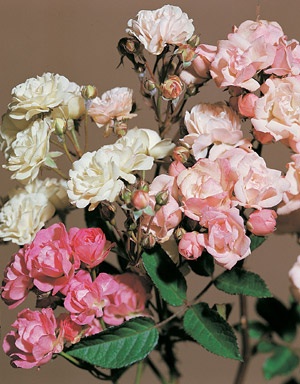
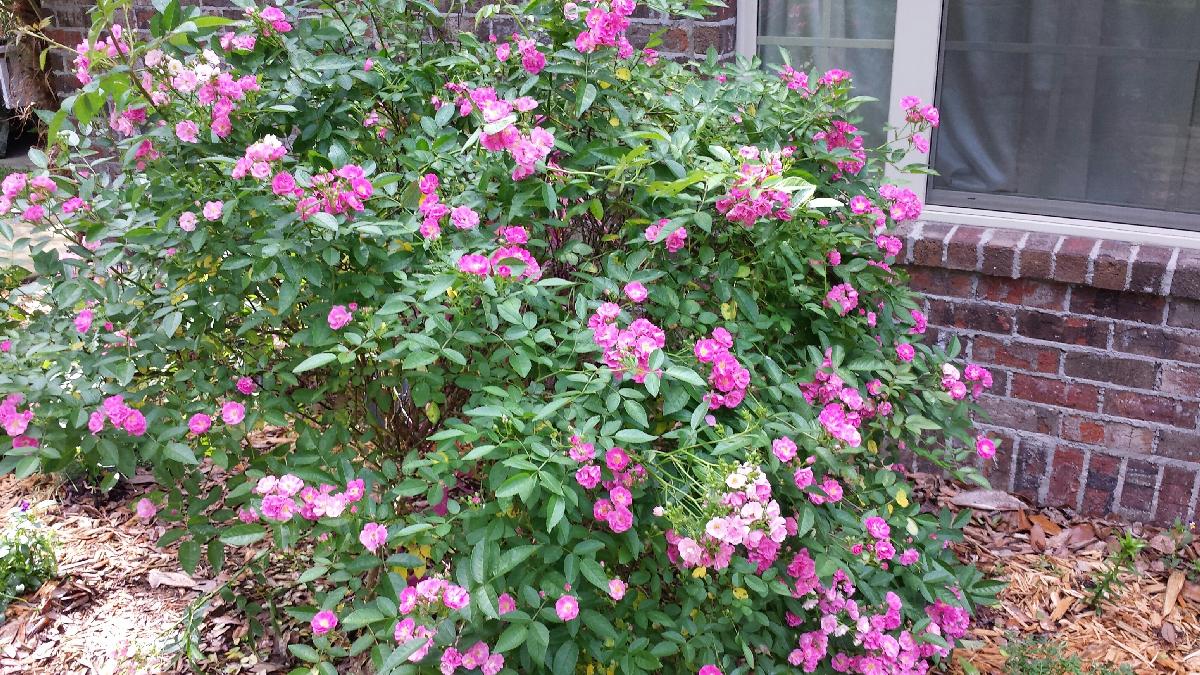
Angel Wings Miniature Rose is a delightful seed-grown rose that produces an abundance of charming miniature blooms on compact, well-branched plants. Unlike most roses that are propagated from cuttings or grafts, Angel Wings can be grown directly from seed, allowing gardeners to enjoy the timeless beauty of roses with surprising ease. The dainty blossoms appear in soft shades of pink, rose, and white, often with a light fragrance, creating a cheerful display from late spring until frost.
Thriving in full sun and fertile, well-drained soil, Angel Wings develops into neat plants that are ideal for borders, containers, patios, and small garden spaces. The compact growth habit and continuous blooming nature make it especially rewarding for gardeners with limited space. Regular deadheading encourages an even heavier flush of flowers, while established plants reward minimal care with months of colorful blooms.
Angel Wings is equally at home in cottage gardens, patio containers, window boxes, and formal flower beds where its miniature blossoms can be appreciated up close. The petite flowers also make charming additions to small floral arrangements, while the plants provide season-long color without requiring the space of full-sized shrub roses. Its ease of growth from seed makes it an excellent introduction to roses for beginning gardeners as well as a rewarding choice for experienced rose enthusiasts.
Angel Wings deserves its place in this collection because it makes one of the world's most treasured flowers accessible to gardeners who enjoy raising plants from seed. Its compact habit, continuous flowering, and classic rose beauty combine with unusual ease of culture to create a plant that is both elegant and practical. Few seed-grown roses offer such dependable performance while capturing the timeless charm that has made roses beloved for centuries.
Seedman Notes: Angel Wings is one of the few roses commonly grown from seed, making it a unique and rewarding addition to any flower garden. It performs beautifully in containers, borders, and patio plantings where its miniature blooms can be enjoyed throughout the season. Remove spent flowers regularly to encourage continuous blooming and provide fertile, well-drained soil for the best display.
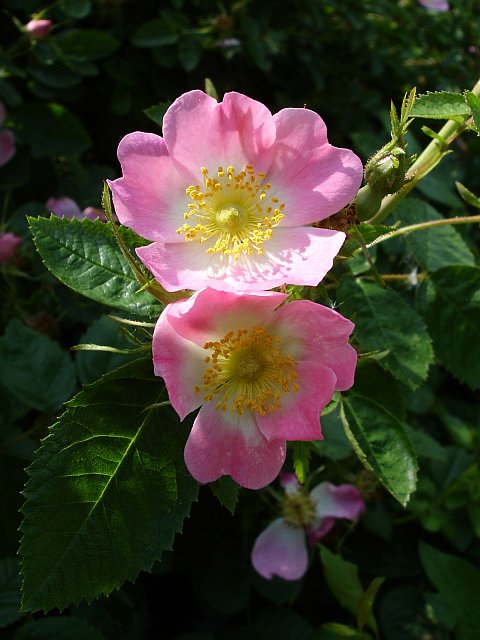
English Dog Rose is a graceful, old-world species rose celebrated for its simple beauty, delightful fragrance, and brilliant scarlet rose hips that brighten the landscape long after the flowers have faded. Native to Europe and western Asia, this vigorous shrub produces elegant, single pink blossoms with golden centers that capture the timeless charm of wild roses. Its arching branches and natural appearance make it an excellent choice for hedgerows, wildlife plantings, and informal cottage gardens.
Thriving in full sun and well-drained soil, English Dog Rose develops into a hardy, long-lived shrub with exceptional adaptability. The fragrant spring and early summer flowers are followed by abundant oval rose hips that ripen to vivid shades of orange-red and scarlet in autumn. These colorful fruits persist well into winter, extending the ornamental season while providing an important food source for wildlife.
English Dog Rose is especially valuable for natural hedges, country gardens, wildlife borders, and restoration projects where its graceful form and seasonal beauty can be fully appreciated. The fragrant blossoms attract a wide variety of pollinating insects, while the vitamin C-rich hips have long been harvested for teas, syrups, jams, and traditional herbal uses. Its vigorous growth and dense branching also provide valuable nesting cover for songbirds and other small wildlife.
English Dog Rose deserves its place in this collection because it represents the timeless beauty of the wild roses from which many modern garden roses have descended. Its fragrant flowers, colorful hips, exceptional hardiness, and outstanding wildlife value make it far more than simply an ornamental shrub. For gardeners seeking a rose with history, beauty, and ecological importance, English Dog Rose remains one of the finest species roses available.
Seedman Notes: Plant English Dog Rose where it has room to develop its natural arching form, making it ideal for hedgerows, wildlife gardens, and informal landscape plantings. Allow the colorful hips to remain on the plants through autumn and winter to support birds and extend seasonal interest. Few roses combine historical significance, ornamental beauty, and wildlife value as completely as this classic species rose.
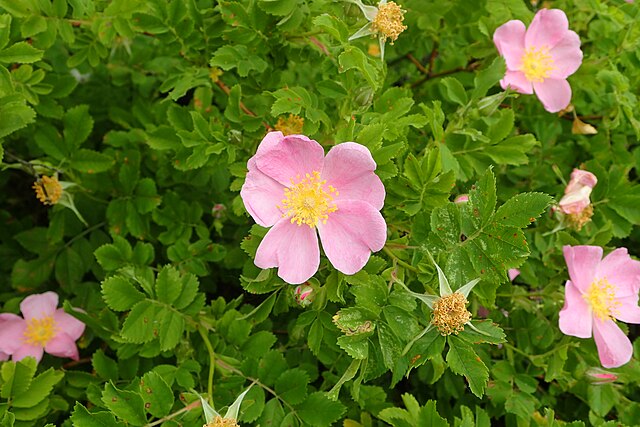
Arkansas Rose is a hardy North American native species that brings natural beauty to the landscape with its fragrant pink blossoms, glossy green foliage, and brilliant scarlet rose hips. Growing as a compact, spreading shrub, it produces an abundance of single flowers with bright golden centers that bloom from late spring into early summer. Its rugged nature and prairie heritage make it an outstanding choice for naturalized gardens, native landscapes, and wildlife plantings.
Thriving in full sun and well-drained soil, Arkansas Rose is exceptionally tolerant of heat, drought, cold winters, and a wide range of growing conditions. The plants gradually spread by underground suckers to form attractive colonies, making them especially useful for stabilizing banks, creating informal hedgerows, and restoring native habitats. After flowering, the brilliant red rose hips develop during late summer and remain attractive well into autumn.
Arkansas Rose is especially valuable in prairie gardens, wildlife borders, native plant landscapes, and country gardens where its natural character can be fully appreciated. The fragrant blossoms attract a wide variety of pollinating insects, while the nutritious rose hips provide an important food source for birds and other wildlife. The dense, thorny branches also create excellent nesting habitat and protective cover, making this one of the finest native shrubs for supporting local ecosystems.
Arkansas Rose deserves its place in this collection because it showcases the rugged beauty and ecological importance of America's native roses. Its fragrant flowers, colorful hips, exceptional hardiness, and remarkable adaptability make it equally valuable as an ornamental landscape plant and a wildlife shrub. For gardeners seeking a rose that combines natural elegance with outstanding environmental benefits, Arkansas Rose is an exceptional choice.
Seedman Notes: Plant Arkansas Rose where it has room to spread naturally into attractive colonies, making it ideal for prairie plantings, native landscapes, wildlife gardens, and erosion control. Allow the colorful hips to remain through autumn and winter to support birds and extend seasonal interest. Few native shrubs provide such an outstanding combination of ornamental beauty, durability, and wildlife value.