
Rudbeckia ( Black-Eyed Susan ) Seeds
They are characterised by their colourful daisy-like flowers surrounding a prominent conical disk.
Rudbeckias can be annuals, biennials or herbaceous perennials, the annuals grown as half-hardy annuals, sown indoors in warmth. The annual varieties may survive from year to year if left in the garden, but flowering may be reduced in subsequent years.
Although yellow is the prominent colour, in recent years numerous red- and orange-flowered varieties have been produced.
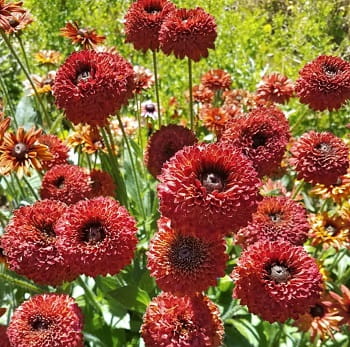
A dramatic selection developed from the popular Sahara series, chosen for its taller, sturdy stems and magnificent dark-colored flowers. Plants reach approximately 30 inches tall and produce an intriguing mixture of semi-double to fully double blooms in rich shades ranging from cranberry and wine-red to deep burgundy. Individual flowers can vary in color and form, giving a planting the sophisticated, almost antique appearance that has made Sahara-type Rudbeckias so popular with gardeners and floral designers. The combination of unusually dark flowers and increased stem length makes Tall N Dark outstanding for cottage gardens, mixed borders, mass plantings and especially the cutting garden.
Grow Sahara Tall N Dark in full sun and fertile, well-drained soil with moderate moisture. Plants tolerate summer heat well once established and develop their strongest stems and heaviest flowering when given plenty of sunlight and good air circulation. Unlike compact bedding Rudbeckias, the approximately 30-inch stems give this selection enough height to mingle naturally with ornamental grasses, coneflowers, salvias and other summer perennials while also providing excellent stems for bouquets. Regular cutting or removal of faded flowers encourages continued bloom production, and the cranberry, burgundy and mahogany tones are especially useful for late-summer and autumn floral arrangements.
Sow seed on the surface of a fine, moist, well-drained seed-starting medium and cover only lightly. Maintain temperatures around 68-75°F, consistent moisture and good light until germination, which commonly occurs in approximately 7-14 days under favorable conditions. Provide young plants with strong light and good air circulation, then transplant outdoors after they have been hardened off and severe frost danger has passed.
Seedman Notes: Sahara Tall N Dark takes one of the most appealing features of the original Sahara—the wonderfully variable, old-fashioned double and semi-double flowers—and combines it with taller, stronger stems and a much darker color range. The cranberry-to-burgundy blooms should be particularly valuable to cut-flower growers, where their unusual colors can provide a striking contrast to gold, cream, peach and green flowers. Since plants are grown from seed, some natural variation should be expected and is part of the charm of this selection.
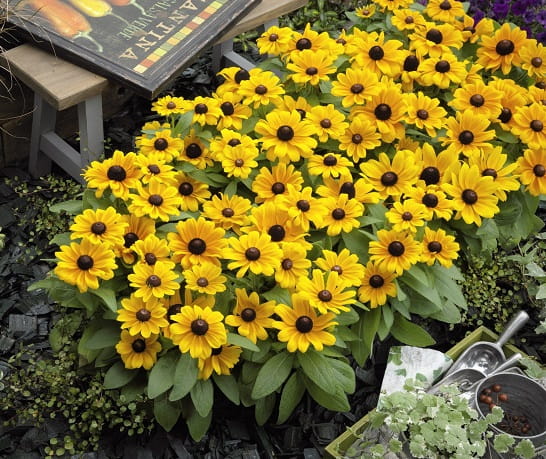
Claire Orange F1 Rudbeckia (Rudbeckia hirta) is an exciting new breeding breakthrough and the world's first pollen-free F1 hybrid Rudbeckia. Plants produce an abundance of brilliant, clear orange flowers surrounding exceptionally clean, dark central cones, creating a striking display without the pollen normally associated with traditional Rudbeckia blooms. Claire Orange is naturally compact, well branched and uniform, generally reaching about 12 to 15 inches tall with a spread of approximately 12 inches. Its tidy habit and heavy flower production make it outstanding for sunny borders, mass plantings, patio containers and combination planters, while its early flowering and long season of color keep plants attractive from late spring through summer and into fall.
Grow Claire Orange in full sun and fertile, well-drained soil with moderate, consistent moisture. This variety was specifically selected for exceptional vigor along with impressive heat and disease tolerance, allowing plants to maintain their appearance through challenging summer conditions. The compact growth requires little maintenance and fits particularly well into containers and smaller garden spaces where taller Rudbeckias can become overwhelming. Because the flowers are pollen-free, their dark central eyes remain remarkably clean as the blooms mature, and the sterile character also contributes to a longer-lasting floral display. Claire Orange performs beautifully planted individually in containers but becomes especially impressive when several plants are grouped together to create a mass of glowing orange color.
Sow seed on the surface of a fine, moist, well-drained seed-starting medium and cover only very lightly, since Rudbeckia seed benefits from light during germination. Maintain temperatures around 68-72°F and consistent moisture until seedlings emerge, typically within approximately 7-14 days under favorable conditions. Provide seedlings with strong light and good air circulation, then transplant outdoors after they have been hardened and danger of severe frost has passed.
Seedman Notes: Claire Orange is much more than another new Rudbeckia color. Its distinction as the first pollen-free F1 hybrid Rudbeckia represents a genuine advance in flower breeding, combining clean flowers, compact growth, heavy blooming, heat tolerance and strong garden performance in a single seed-grown variety. Its selection as a 2026 All-America Selections National Winner provides additional confirmation that this is an introduction worth watching—and one we expect gardeners will quickly notice.
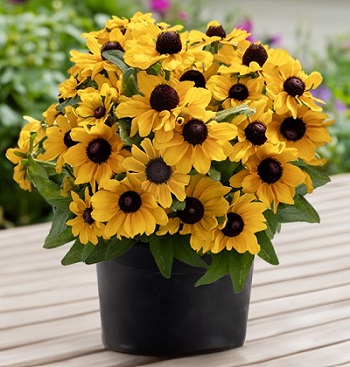
A charming dwarf selection of the beloved Black-Eyed Susan, producing cheerful golden-yellow flowers with rich chocolate-brown centers on compact, well-branched plants. Growing only about a foot tall, Tablemate delivers the same bright prairie beauty as its taller relatives while fitting perfectly into containers, borders, rock gardens, and small garden spaces. Its long bloom season, easy care, and exceptional pollinator value make it a favorite for both beginning and experienced gardeners.
Garden Uses
Tablemate is perfect for patio containers, window boxes, edging, cottage gardens, pollinator gardens, rock gardens, and the front of perennial borders. Its compact habit makes it especially useful where traditional Black-Eyed Susans would be too tall. The bright yellow flowers combine beautifully with purple salvia, blue lobelia, lavender, dianthus, gaillardia, coreopsis, and ornamental grasses. The blooms are also excellent for small fresh-cut arrangements.
Growing Information
Sow seeds indoors 6 to 8 weeks before the last spring frost or sow directly outdoors after danger of frost has passed. Cover seed lightly with soil and keep evenly moist during germination. Seeds usually sprout within 7 to 21 days at temperatures between 70° and 75°F.
Plant in full sun in average, well-drained soil. Tablemate tolerates heat, humidity, and short periods of drought once established. Deadheading spent flowers encourages continuous blooming from early summer well into fall, although allowing some flowers to mature will provide seed for birds and may encourage gentle self-seeding.
Quick Facts
| Characteristic | Details |
|---|---|
| Botanical Name | Rudbeckia hirta |
| Common Name | Tablemate Black-Eyed Susan |
| Plant Type | Short-lived Perennial |
| Flower Color | Golden Yellow with Dark Brown Center |
| Bloom Time | Early Summer through Fall |
| Height | 10–14 inches |
| Spread | 10–12 inches |
| Sun Exposure | Full Sun |
| Soil Requirements | Average, well-drained soil |
| Water Requirements | Moderate; drought tolerant once established |
| USDA Zones | 3–9 |
| Garden Uses | Containers, borders, edging, rock gardens, pollinator gardens, cottage gardens, cut flowers |
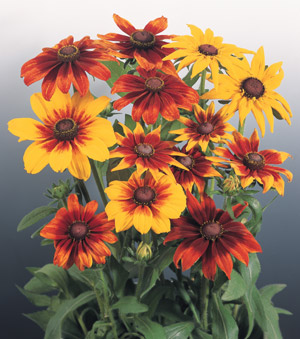
A spectacular Black-Eyed Susan selection that produces large, daisy-like blooms in a rich blend of golden yellow, bronze, mahogany, rust, orange, red, and bicolor shades. Each flower is unique, creating a constantly changing display that captures the warm colors of autumn from midsummer through frost. This easy-to-grow native wildflower is prized for its long bloom season, outstanding pollinator value, and ability to thrive in a wide range of garden conditions.
Garden Uses
Autumn Colors is ideal for perennial borders, cottage gardens, prairie plantings, pollinator gardens, wildflower meadows, cutting gardens, and naturalized landscapes. The warm mix of flower colors blends beautifully with ornamental grasses, purple coneflowers, blanket flowers, salvia, asters, and goldenrod. Its long, sturdy stems make excellent cut flowers for fresh arrangements, while the colorful blooms provide months of vibrant garden interest.
Growing Information
Sow seeds indoors 6 to 8 weeks before the last spring frost or sow directly outdoors after all danger of frost has passed. Cover seeds lightly with soil and keep evenly moist until germination. Seedlings usually emerge within 7 to 21 days at temperatures between 70° and 75°F.
Plant in full sun for the best flowering, although plants tolerate light afternoon shade in warmer climates. Autumn Colors thrives in average, well-drained soil and adapts well to clay, sandy, or rocky conditions. Once established, plants require little supplemental watering and tolerate summer heat exceptionally well. Deadheading promotes additional blooms, while leaving some seed heads provides food for birds during fall and winter.
Quick Facts
| Characteristic | Details |
|---|---|
| Botanical Name | Rudbeckia hirta |
| Common Name | Autumn Colors Black-Eyed Susan |
| Plant Type | Short-lived Perennial |
| Flower Color | Mixed shades of Yellow, Gold, Bronze, Orange, Rust, Mahogany, Red, and Bicolor |
| Bloom Time | Early Summer through Frost |
| Height | 24–36 inches |
| Spread | 12–18 inches |
| Sun Exposure | Full Sun |
| Soil Requirements | Average, well-drained soil |
| Water Requirements | Moderate; drought tolerant once established |
| USDA Zones | 3–9 |
| Garden Uses | Borders, prairie gardens, wildflower meadows, pollinator gardens, cutting gardens, naturalized areas |
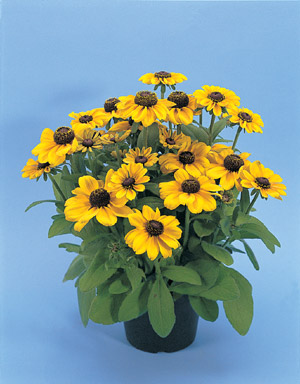
A compact, award-winning Black-Eyed Susan that produces an abundance of brilliant golden-yellow flowers with rich chocolate-brown centers. Unlike traditional varieties that can grow several feet tall, Toto Gold forms neat, bushy plants only about 12 to 16 inches high, making it ideal for containers, borders, edging, and smaller gardens. Its nonstop blooms, excellent weather tolerance, and long flowering season make it one of the finest dwarf Rudbeckias available.
Garden Uses
Toto Gold is perfect for patio containers, window boxes, front borders, cottage gardens, pollinator gardens, rock gardens, and mass plantings. Its compact habit allows it to fit beautifully into small garden spaces while providing months of cheerful color. It combines exceptionally well with blue salvia, purple verbena, lavender, coreopsis, gaillardia, ornamental grasses, and other sun-loving annuals and perennials.
Growing Information
Sow seeds indoors 6 to 8 weeks before the final spring frost or sow directly outdoors after all danger of frost has passed. Cover seeds lightly with fine soil and maintain even moisture during germination. Seedlings generally emerge within 7 to 21 days when temperatures remain between 70° and 75°F.
Plant in full sun for the best flowering and strongest stems. Toto Gold grows well in average, well-drained garden soil and tolerates clay, sandy, or rocky conditions. Once established, plants are quite heat and drought tolerant. Deadheading spent blooms encourages continuous flowering throughout summer and into autumn, although leaving some seed heads provides food for goldfinches and other songbirds.
Quick Facts
| Characteristic | Details |
|---|---|
| Botanical Name | Rudbeckia hirta |
| Common Name | Toto Gold Black-Eyed Susan |
| Plant Type | Short-lived Perennial |
| Flower Color | Golden Yellow with Dark Brown Center |
| Bloom Time | Early Summer through Frost |
| Height | 12–16 inches |
| Spread | 10–14 inches |
| Sun Exposure | Full Sun |
| Soil Requirements | Average, well-drained soil |
| Water Requirements | Moderate; drought tolerant once established |
| USDA Zones | 3–9 |
| Garden Uses | Containers, borders, edging, pollinator gardens, rock gardens, mass plantings |
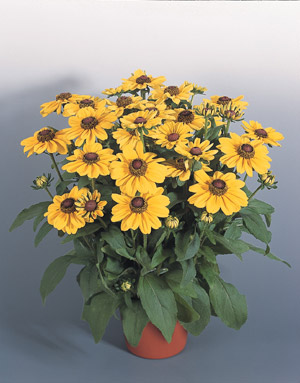
A delightful dwarf Black-Eyed Susan that brightens the garden with soft lemon-yellow petals surrounding rich chocolate-brown centers. This compact variety offers the same rugged durability and long bloom season as traditional Rudbeckias but on tidy, bushy plants that rarely exceed 16 inches in height. Its gentle pastel coloring provides a fresh, elegant alternative to the deeper gold varieties while remaining just as attractive to pollinators and equally easy to grow.
Garden Uses
Toto Lemon is an excellent choice for containers, window boxes, front borders, edging, cottage gardens, pollinator gardens, and rock gardens. Its soft yellow flowers blend beautifully with blue salvia, purple verbena, lavender, white daisies, pink echinacea, ornamental grasses, and silver foliage plants. The compact plants also make outstanding additions to mixed patio containers and small urban gardens where space is limited.
Growing Information
Sow seeds indoors 6 to 8 weeks before the last expected spring frost or sow directly outdoors after all danger of frost has passed. Cover seeds lightly with fine soil and keep evenly moist during germination. Seeds generally sprout within 7 to 21 days when temperatures remain between 70° and 75°F.
Grow plants in full sun for the heaviest flowering. Toto Lemon performs well in average, well-drained soil and adapts to sandy, rocky, or clay soils provided drainage is adequate. Once established, plants tolerate heat and short periods of drought with ease. Removing faded flowers encourages continuous blooming from early summer until frost, while allowing some seed heads to mature provides winter food for birds.
Quick Facts
| Characteristic | Details |
|---|---|
| Botanical Name | Rudbeckia hirta |
| Common Name | Toto Lemon Black-Eyed Susan |
| Plant Type | Short-lived Perennial |
| Flower Color | Soft Lemon Yellow with Dark Brown Center |
| Bloom Time | Early Summer through Frost |
| Height | 12–16 inches |
| Spread | 10–14 inches |
| Sun Exposure | Full Sun |
| Soil Requirements | Average, well-drained soil |
| Water Requirements | Moderate; drought tolerant once established |
| USDA Zones | 3–9 |
| Garden Uses | Containers, borders, edging, cottage gardens, pollinator gardens, rock gardens |
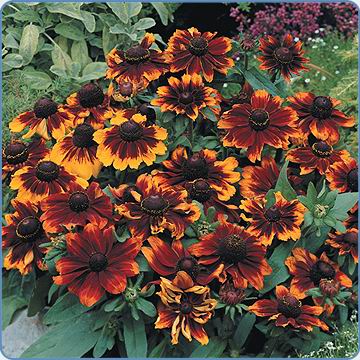
A beautiful dwarf Black-Eyed Susan that produces an abundance of richly colored blooms in warm shades of mahogany, bronze, rust, golden yellow, and deep orange. The striking flowers feature prominent dark brown centers and cover the compact, bushy plants from early summer until frost. Growing only 12 to 16 inches tall, Toto Rustic combines the rugged durability of native Rudbeckias with a compact size that is ideal for containers, borders, and smaller gardens.
Garden Uses
Toto Rustic is an excellent choice for patio containers, window boxes, front borders, cottage gardens, pollinator gardens, rock gardens, and colorful mass plantings. The rich autumn-like flower colors pair beautifully with ornamental grasses, purple salvia, blue asters, blanket flowers, sedum, and ornamental millet. Its sturdy stems also make attractive additions to small fresh-cut bouquets and late-season floral arrangements.
Growing Information
Sow seeds indoors 6 to 8 weeks before the final spring frost or sow directly outdoors after danger of frost has passed. Cover seeds lightly with fine soil and maintain consistent moisture until germination. Seedlings typically emerge within 7 to 21 days when temperatures remain between 70° and 75°F.
Plant in full sun where plants receive at least six hours of direct sunlight daily. Toto Rustic grows well in average, well-drained soil and tolerates clay, sandy, or rocky conditions. Once established, plants are highly tolerant of summer heat and brief dry periods. Deadheading spent flowers encourages continuous blooming, while allowing a few seed heads to mature provides food for goldfinches and other songbirds.
Quick Facts
| Characteristic | Details |
|---|---|
| Botanical Name | Rudbeckia hirta |
| Common Name | Toto Rustic Black-Eyed Susan |
| Plant Type | Short-lived Perennial |
| Flower Color | Mahogany, Bronze, Rust, Orange, and Golden Yellow with Dark Brown Centers |
| Bloom Time | Early Summer through Frost |
| Height | 12–16 inches |
| Spread | 10–14 inches |
| Sun Exposure | Full Sun |
| Soil Requirements | Average, well-drained soil |
| Water Requirements | Moderate; drought tolerant once established |
| USDA Zones | 3–9 |
| Garden Uses | Containers, borders, edging, cottage gardens, pollinator gardens, rock gardens, mass plantings |
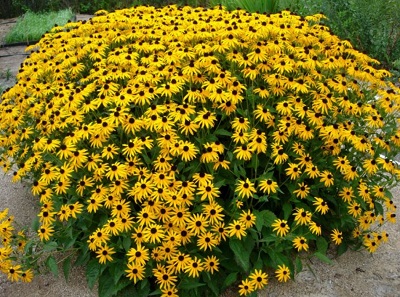
One of the world's most celebrated perennial Black-Eyed Susans, prized for its brilliant golden-yellow flowers, bold dark brown centers, and exceptionally long bloom season. Introduced to American gardens in the mid-20th century, this award-winning selection forms vigorous clumps that produce hundreds of cheerful daisy-like blooms from midsummer well into autumn. Its outstanding reliability, disease resistance, and pollinator value have made Goldsturm a cornerstone of perennial gardens around the globe.
Garden Uses
Goldsturm is ideal for perennial borders, cottage gardens, pollinator gardens, prairie plantings, naturalized landscapes, and mass plantings. Its upright habit and brilliant flowers make it an outstanding companion for purple coneflowers, Russian sage, ornamental grasses, asters, sedum, gaillardia, yarrow, and salvias. The sturdy stems also make excellent cut flowers, while the persistent seed heads provide winter interest long after the blooms have faded.
Growing Information
Sow seeds indoors 8 to 10 weeks before the final spring frost or sow directly outdoors after danger of frost has passed. Cover seeds lightly with fine soil and keep evenly moist during germination. Seedlings generally emerge within 10 to 21 days at temperatures between 68° and 75°F.
Plant in full sun for maximum flowering, although plants tolerate light afternoon shade in warmer climates. Goldsturm grows best in fertile, well-drained soil but adapts readily to average garden conditions, including clay and sandy soils. Once established, plants tolerate heat, humidity, and moderate drought remarkably well. Divide mature clumps every four to five years to maintain vigor. Deadheading encourages additional blooms, although leaving seed heads in place benefits birds during fall and winter.
Quick Facts
| Characteristic | Details |
|---|---|
| Botanical Name | Rudbeckia fulgida ssp. sullivantii 'Goldsturm' |
| Common Name | Goldsturm Black-Eyed Susan |
| Plant Type | Hardy Perennial |
| Flower Color | Golden Yellow with Dark Brown Center |
| Bloom Time | Mid-Summer through Fall |
| Height | 24–30 inches |
| Spread | 18–24 inches |
| Sun Exposure | Full Sun to Light Partial Shade |
| Soil Requirements | Average to fertile, well-drained soil |
| Water Requirements | Moderate; drought tolerant once established |
| USDA Zones | 3–9 |
| Garden Uses | Perennial borders, pollinator gardens, prairie plantings, cottage gardens, mass plantings, cut flowers |
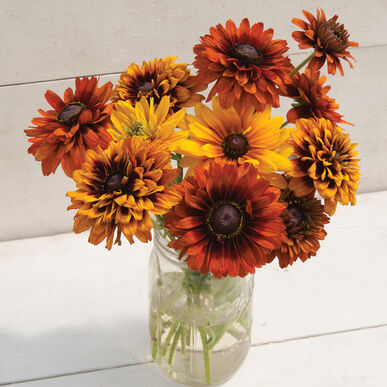
An award-winning Black-Eyed Susan that produces an extraordinary display of large, fully double, semi-double, and single blooms in rich shades of golden yellow, orange, bronze, mahogany, russet, burgundy, and deep red. Many flowers feature dramatic bicolor patterns surrounding dark chocolate centers, creating one of the most colorful Rudbeckia mixtures available. Blooming continuously from midsummer until frost, Cherokee Sunset brings vibrant prairie-inspired beauty to gardens while attracting a wealth of pollinators.
Garden Uses
Cherokee Sunset Mix is an outstanding choice for perennial borders, cottage gardens, cutting gardens, prairie plantings, pollinator gardens, and naturalized landscapes. The large, richly colored blooms create spectacular mass plantings and combine beautifully with ornamental grasses, purple coneflowers, salvias, asters, gaillardia, sedum, and coreopsis. The long-lasting flowers are excellent for fresh bouquets and continue to add interest after blooming through attractive seed heads.
Growing Information
Sow seeds indoors 6 to 8 weeks before the final spring frost or sow directly outdoors after all danger of frost has passed. Cover seeds lightly with fine soil and keep evenly moist during germination. Seeds typically germinate within 7 to 21 days when temperatures remain between 70° and 75°F.
Plant in full sun for the best flowering and strongest stems. Cherokee Sunset thrives in average, well-drained soil and adapts well to sandy, clay, or moderately poor soils. Once established, plants tolerate heat, humidity, and periods of drought with ease. Deadheading encourages continuous flowering, although leaving some seed heads in place provides valuable winter food for birds and allows gentle self-seeding.
Quick Facts
| Characteristic | Details |
|---|---|
| Botanical Name | Rudbeckia hirta |
| Common Name | Cherokee Sunset Mix Black-Eyed Susan |
| Plant Type | Short-lived Perennial |
| Flower Color | Gold, Yellow, Orange, Bronze, Mahogany, Burgundy, Red, and Bicolor Mix |
| Bloom Time | Mid-Summer through Frost |
| Height | 24–30 inches |
| Spread | 16–20 inches |
| Sun Exposure | Full Sun |
| Soil Requirements | Average, well-drained soil |
| Water Requirements | Moderate; drought tolerant once established |
| USDA Zones | 3–9 |
| Garden Uses | Perennial borders, cottage gardens, cutting gardens, pollinator gardens, prairie plantings, naturalized landscapes |
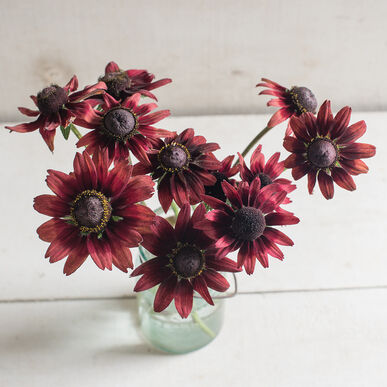
A breathtaking Black-Eyed Susan that stands apart with its rich, velvety cherry-red blooms—one of the deepest red flower colors available in the Rudbeckia family. The large daisy-like flowers are accented by dark chocolate-brown centers, creating a dramatic contrast that lasts from midsummer until frost. This award-winning variety combines the rugged durability of native Black-Eyed Susans with an elegant color rarely seen in perennial gardens, making it an outstanding choice for borders, cutting gardens, and pollinator plantings.
Garden Uses
Cherry Brandy is perfect for perennial borders, cottage gardens, cutting gardens, pollinator gardens, prairie-style plantings, and decorative containers. The rich cherry-red flowers pair beautifully with ornamental grasses, purple coneflowers, blue salvias, lavender, white Shasta daisies, gaillardia, and golden Coreopsis. Its unusual coloring also makes it a favorite for fresh-cut bouquets and late-season floral arrangements.
Growing Information
Sow seeds indoors 6 to 8 weeks before the last expected spring frost or sow directly outdoors after danger of frost has passed. Cover seeds lightly with fine soil and keep evenly moist during germination. Seedlings typically emerge within 7 to 21 days at temperatures between 70° and 75°F.
Plant in full sun for the best flower color and strongest stems. Cherry Brandy grows well in average, well-drained soil and adapts readily to sandy, rocky, or clay soils with good drainage. Once established, plants tolerate heat, humidity, and short periods of drought. Deadheading encourages continuous blooming throughout the season, while leaving some seed heads provides winter food for songbirds.
Quick Facts
| Characteristic | Details |
|---|---|
| Botanical Name | Rudbeckia hirta |
| Common Name | Cherry Brandy Black-Eyed Susan |
| Plant Type | Short-lived Perennial |
| Flower Color | Deep Cherry Red with Dark Brown Center |
| Bloom Time | Mid-Summer through Frost |
| Height | 20–24 inches |
| Spread | 12–18 inches |
| Sun Exposure | Full Sun |
| Soil Requirements | Average, well-drained soil |
| Water Requirements | Moderate; drought tolerant once established |
| USDA Zones | 3–9 |
| Garden Uses | Borders, cottage gardens, pollinator gardens, cutting gardens, prairie plantings, containers |
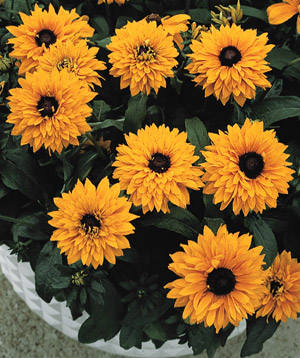
A delightful compact Black-Eyed Susan that produces an abundance of bright golden-yellow blooms with rich chocolate-brown centers throughout the summer and into autumn. Its well-branched habit and uniform growth create a tidy mound covered with cheerful flowers that brighten borders, containers, and cottage gardens alike. Combining the rugged nature of North America's native Black-Eyed Susan with a compact, floriferous habit, Goldilocks is an excellent choice for gardeners seeking dependable color with minimal maintenance.
Garden Uses
Goldilocks is ideal for patio containers, window boxes, edging, perennial borders, pollinator gardens, cottage gardens, and rock gardens. Its manageable size allows it to fit neatly into smaller landscapes while producing an impressive display of flowers. The brilliant golden blooms pair beautifully with blue salvias, purple coneflowers, lavender, gaillardia, ornamental grasses, asters, and white daisies. It is also an excellent cut flower for cheerful summer bouquets.
Growing Information
Sow seeds indoors 6 to 8 weeks before the final spring frost or sow directly outdoors after all danger of frost has passed. Cover seeds lightly with fine soil and maintain consistent moisture during germination. Seedlings generally emerge within 7 to 21 days when temperatures remain between 70° and 75°F.
Grow Goldilocks in full sun for the heaviest flowering and strongest plants. It performs well in average, well-drained soil and adapts readily to sandy, rocky, or clay soils with good drainage. Once established, plants tolerate summer heat and moderate drought with ease. Removing faded blooms encourages additional flowering throughout the season, although leaving some seed heads provides valuable food for songbirds during autumn and winter.
Quick Facts
| Characteristic | Details |
|---|---|
| Botanical Name | Rudbeckia hirta |
| Common Name | Goldilocks Black-Eyed Susan |
| Plant Type | Short-lived Perennial |
| Flower Color | Golden Yellow with Dark Brown Center |
| Bloom Time | Early Summer through Frost |
| Height | 14–20 inches |
| Spread | 12–16 inches |
| Sun Exposure | Full Sun |
| Soil Requirements | Average, well-drained soil |
| Water Requirements | Moderate; drought tolerant once established |
| USDA Zones | 3–9 |
| Garden Uses | Containers, borders, edging, pollinator gardens, cottage gardens, rock gardens, cut flowers |
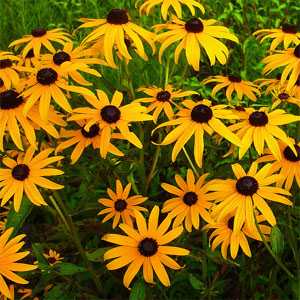
One of North America's most beloved native wildflowers, celebrated for its brilliant golden-yellow petals surrounding a bold, dark chocolate-brown center cone. Blooming continuously from early summer until frost, this cheerful perennial fills gardens, meadows, and roadsides with vibrant color while providing exceptional value to pollinators and songbirds. Its adaptability, long flowering season, and carefree nature have made it a classic favorite in both formal landscapes and naturalized wildflower plantings.
Garden Uses
Common Black-Eyed Susan is ideal for perennial borders, wildflower meadows, prairie gardens, cottage gardens, pollinator plantings, cutting gardens, roadside plantings, and naturalized landscapes. Its bright flowers combine beautifully with purple coneflowers, ornamental grasses, blazing star, asters, blanket flowers, yarrow, and salvias. The sturdy blooms are excellent for fresh-cut arrangements and the attractive seed heads provide winter interest long after flowering has finished.
Growing Information
Sow seeds indoors 6 to 8 weeks before the last expected spring frost or sow directly outdoors after danger of frost has passed. Cover seeds lightly with fine soil and keep evenly moist during germination. Seeds generally sprout within 7 to 21 days when temperatures remain between 70° and 75°F.
Plant in full sun for the heaviest flowering, although plants will tolerate light afternoon shade. Common Black-Eyed Susan thrives in average, well-drained soil and adapts readily to clay, sandy, rocky, or moderately poor soils. Once established, it tolerates heat, humidity, and periods of drought with ease. Deadheading encourages continued flowering, while allowing seed heads to mature provides food for birds and promotes natural reseeding.
Quick Facts
| Characteristic | Details |
|---|---|
| Botanical Name | Rudbeckia hirta |
| Common Name | Common Black-Eyed Susan |
| Plant Type | Short-lived Perennial / Biennial |
| Flower Color | Golden Yellow with Dark Brown Center |
| Bloom Time | Early Summer through Frost |
| Height | 24–36 inches |
| Spread | 12–18 inches |
| Sun Exposure | Full Sun to Light Partial Shade |
| Soil Requirements | Average, well-drained soil |
| Water Requirements | Moderate; drought tolerant once established |
| USDA Zones | 3–9 |
| Garden Uses | Wildflower meadows, prairie gardens, pollinator gardens, cottage gardens, borders, cut flowers, naturalized landscapes |
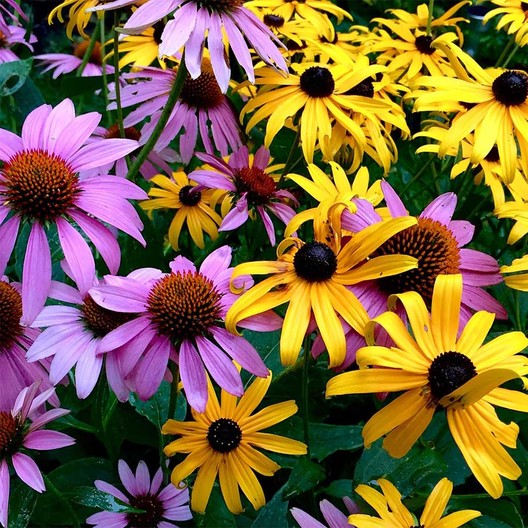
Dynamic Duo Echinacea combines two of North America's most beloved native wildflowers into one spectacular, easy-to-grow blend. Large rose-purple coneflowers with bold coppery-orange centers mingle beautifully with cheerful golden-yellow Black Eyed Susans, creating a dazzling display of contrasting colors that blooms from early summer well into fall. This long-flowering mixture provides continuous waves of color while attracting butterflies, bees, hummingbirds, and songbirds, making it an outstanding choice for pollinator gardens, prairie plantings, and low-maintenance perennial landscapes.
Garden Uses:
Dynamic Duo is perfect for perennial borders, butterfly gardens, prairie gardens, native plant landscapes, wildflower meadows, cottage gardens, roadside plantings, and naturalized areas. The striking combination of purple and golden-yellow flowers creates instant visual impact while blending beautifully with ornamental grasses, Coreopsis, Gaillardia, Monarda, Liatris, Salvias, Yarrow, and native asters. The flowers are also excellent for fresh bouquets, while the seed heads provide winter interest and wildlife value.
Growing Information:
Sow seeds directly outdoors in fall or spring, or cold-stratify before indoor sowing for best germination. Seeds generally germinate within 10-21 days at temperatures between 65-70°F. Plants thrive in full sun and adapt well to average, well-drained soils, including clay, sandy, and rocky conditions. Once established, both species become highly drought tolerant and require very little maintenance. Deadheading encourages additional blooms, while leaving some seed heads intact provides valuable food for birds during autumn and winter.
Quick Facts:
| Botanical Names: | Echinacea purpurea & Rudbeckia hirta |
| Common Name: | Dynamic Duo Echinacea & Black Eyed Susan Mix |
| Plant Type: | Hardy perennial and reseeding native wildflower blend |
| Height: | 24-48 inches |
| Spread: | 18-24 inches per plant |
| Bloom Colors: | Rose-purple and golden yellow with dark cone centers |
| Bloom Season: | Early summer through fall |
| Light Requirements: | Full sun |
| Soil Requirements: | Average, well-drained soil |
| USDA Zones: | 3-9 |
| Uses: | Pollinator gardens, prairie plantings, native landscapes, perennial borders, butterfly gardens, wildflower meadows, cut flowers |

Contact Us | Privacy Policy | About Us
Serving gardeners since 1992
State of Mississippi Seedmen's Permit #C-391, Ohio 90152, Minnesota 20086777