
Sage Seeds
Sage has a long history of medicinal and culinary uses. It's most well-known use is in Thanksgiving dressing! It's also a very attractive, evergreen perennial that produces mauve colored flowers during the blooming season.
It is an excellent ground cover for edging sidewalks or garden pathways where its attractive foliage and flowers can be appreciated. Many people also dry sage for creating aromatic wreaths and dried flower arrangements. It's such a versatile plant, growing in a rock garden or bordering an herb garden and so easy to start from seeds.
Temperature: 60 - 70F
Average Germ Time: 14 - 21 days
Light Required: Yes
Depth: Press seed onto surface of soil, cover lightly with peat moss
Sowing Rate: 1 seed per 2 inches
Moisture: Keep moist until germination
Plant Spacing: Rows 18 inches a part; thin seedlings 12 inches
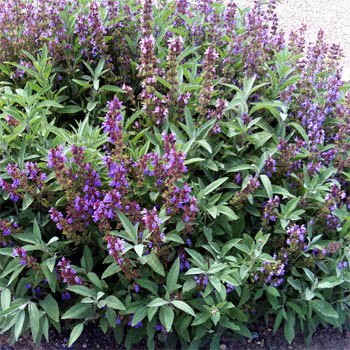
The soft, textured leaves release a rich fragrance when touched and are widely used in cooking. In addition to its culinary value, Sage produces spikes of lavender-blue flowers that attract bees, butterflies, and other beneficial pollinators, making it both useful and beautiful.
Its compact, shrubby growth habit and drought tolerance make Sage an excellent choice for containers, patios, decks, and sunny herb gardens.
Uses- Fresh and dried leaves for seasoning poultry, meats, stuffing, vegetables, and soups.
- Popular ingredient in herb blends and traditional recipes.
- Attractive ornamental foliage for containers and borders.
- Lavender-blue flowers attract pollinators and beneficial insects.
- Excellent for herb gardens, cottage gardens, and edible landscapes.
- Suitable for drying and long-term storage.
Sage grows exceptionally well in containers. Choose a pot at least 12–14 inches in diameter with excellent drainage. Use a well-draining potting mix and avoid overly wet conditions.
Place containers in a location that receives at least 6–8 hours of direct sunlight daily. Sage prefers slightly dry soil and performs best when allowed to dry somewhat between waterings. Regular pruning and harvesting encourage compact growth and help maintain a neat, attractive plant.
Because of its evergreen nature in mild climates, Sage provides year-round interest and harvests in many regions.
Germination Instructions- Sow seeds on the surface of moist seed-starting mix.
- Cover lightly with fine soil or vermiculite.
- Maintain temperatures between 65–75°F (18–24°C).
- Keep soil evenly moist during germination.
- Seeds typically germinate in 10–21 days.
- Provide bright light after seedlings emerge.
- Transplant when plants have developed several sets of true leaves.
- Botanical Name: Salvia officinalis
- Common Name: Sage
- Plant Type: Perennial Herb
- Height: 18–30 inches
- Spread: 18–36 inches
- Sun Exposure: Full Sun
- Water Requirements: Low to Moderate
- Soil: Well-draining, moderately fertile soil
- USDA Zones: 5–9
- Container Size: 12–14 inches minimum diameter
Begin harvesting leaves once plants are well established. Individual leaves or entire stems may be cut as needed throughout the growing season. Harvesting regularly encourages bushier growth and provides a continual supply of fresh foliage.
Leaves may be used fresh or dried for long-term storage. For maximum flavor, harvest before flowering, although flowering plants remain attractive and beneficial to pollinators.
Why Grow Sage?Sage combines beauty, fragrance, culinary usefulness, and drought tolerance in one easy-to-grow herb. Its attractive silver-green foliage, pollinator-friendly flowers, and excellent performance in containers make it a valuable addition to patios, herb gardens, and edible landscapes. Whether grown for cooking, ornamental appeal, or pollinator support, Sage remains one of the most rewarding herbs for home gardeners.
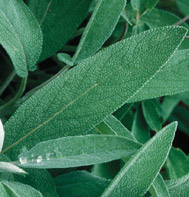
A selected form of common culinary sage valued for its strong fragrance, high essential oil content, and excellent usefulness in the herb garden. Like traditional Sage, it produces attractive gray-green, aromatic leaves that are widely used fresh or dried for seasoning, herbal blends, and fragrant garden plantings.
This variety is especially appreciated by gardeners who want a productive, richly aromatic sage for kitchen use. Its compact, shrubby growth habit makes it well suited to containers, patio herb gardens, raised beds, and sunny borders.
In addition to its culinary value, Extrakta Sage is an attractive ornamental herb. Its textured foliage provides beautiful contrast in mixed containers, and when allowed to flower, it produces blooms that are loved by bees and other beneficial pollinators.
Uses- Fresh or dried leaves for seasoning poultry, meats, vegetables, stuffing, soups, and sauces.
- Excellent choice for drying because of its strong aroma and flavor.
- Useful in herb blends, savory dishes, and traditional recipes.
- Attractive silver-green foliage for containers and herb gardens.
- Flowers attract bees, butterflies, and other beneficial insects.
- Good choice for fragrant patio plantings and edible landscapes.
Extrakta Sage grows very well in containers when given full sun and excellent drainage. Choose a container at least 12–14 inches wide with drainage holes. Use a light, well-draining potting mix and avoid heavy soils that stay wet for long periods.
Place the container where the plant receives at least 6–8 hours of direct sunlight daily. Sage prefers slightly dry conditions once established, so water thoroughly and then allow the soil surface to dry before watering again. Overwatering should be avoided, especially in cool or humid weather.
Regular trimming encourages a fuller, bushier plant and provides a steady supply of flavorful leaves throughout the growing season.
Germination Instructions- Sow seeds on the surface of moist seed-starting mix.
- Cover lightly with fine soil or vermiculite.
- Maintain temperatures of 65–75°F (18–24°C).
- Keep soil evenly moist but not soggy until germination occurs.
- Seeds usually germinate in 10–21 days.
- Provide bright light after seedlings emerge.
- Transplant seedlings once they have developed several sets of true leaves.
- Botanical Name: Salvia officinalis
- Common Name: Extrakta Sage
- Plant Type: Perennial Herb
- Height: 18–30 inches
- Spread: 18–24 inches
- Sun Exposure: Full Sun
- Water Requirements: Low to Moderate
- Soil: Well-draining, moderately fertile soil
- USDA Zones: 5–9
- Container Size: 12–14 inches minimum diameter
Begin harvesting leaves once plants are well established. Pick individual leaves or cut small stems as needed throughout the growing season. Regular harvesting helps keep the plant compact and encourages new growth.
For drying, harvest stems in the morning after dew has evaporated. Hang small bundles in a warm, dry, well-ventilated location out of direct sunlight. Once dry, strip the leaves from the stems and store them in an airtight container.
Why Grow Extrakta Sage?Extrakta Sage is an excellent choice for gardeners who want a flavorful, aromatic, and dependable culinary sage. Its strong fragrance, attractive foliage, pollinator-friendly flowers, and excellent container performance make it a valuable addition to any sunny herb garden. Easy to grow and useful year after year, Extrakta Sage is both practical and beautiful.
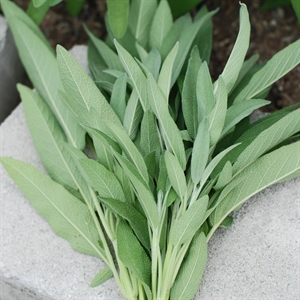
A dependable and flavorful form of common sage, grown for its aromatic gray-green leaves, compact habit, and excellent kitchen usefulness. This classic Mediterranean herb is prized for its savory flavor and is especially popular in poultry dishes, stuffing, sausage, soups, vegetables, and herb blends.
With its soft, textured foliage and naturally attractive shape, Ceres Culinary Sage is both useful and ornamental. It grows beautifully in containers, raised beds, herb gardens, and sunny borders, providing a steady supply of fresh leaves throughout the growing season.
Uses- Fresh or dried leaves for seasoning poultry, meats, stuffing, vegetables, soups, and sauces.
- Excellent culinary herb for traditional savory recipes.
- Useful in herb blends, marinades, and homemade seasoning mixes.
- Attractive gray-green foliage for containers and edible landscapes.
- Lavender-blue flowers attract bees, butterflies, and beneficial insects.
- Good choice for drying and year-round kitchen use.
Ceres Culinary Sage grows very well in containers when given full sun and excellent drainage. Use a container at least 12–14 inches wide with drainage holes. A light, well-draining potting mix is best, as sage does not like heavy, wet soil.
Place the container where the plant receives 6–8 hours of direct sunlight daily. Water thoroughly, then allow the soil surface to dry slightly before watering again. Once established, sage is fairly drought tolerant and prefers slightly dry conditions over constant moisture.
Pinch or trim plants regularly to encourage compact, bushy growth and a steady supply of tender leaves.
Germination Instructions- Sow seeds on the surface of moist seed-starting mix.
- Cover lightly with fine soil or vermiculite.
- Maintain temperatures of 65–75°F.
- Keep soil evenly moist but not waterlogged.
- Seeds typically germinate in 10–21 days.
- Provide bright light once seedlings emerge.
- Transplant seedlings after they have several sets of true leaves.
- Botanical Name: Salvia officinalis
- Common Name: Ceres Culinary Sage
- Plant Type: Perennial Herb
- Height: 18–30 inches
- Spread: 18–24 inches
- Sun Exposure: Full Sun
- Water Requirements: Low to Moderate
- Soil: Well-draining, moderately fertile soil
- USDA Zones: 5–9
- Container Size: 12–14 inches minimum diameter
Begin harvesting leaves once plants are well established. Pick individual leaves or cut short stems as needed throughout the growing season. Regular harvesting encourages fresh new growth and helps keep the plant full and attractive.
For drying, cut stems in the morning after dew has evaporated. Hang small bundles in a warm, dry, well-ventilated area out of direct sunlight. Once dry, strip the leaves from the stems and store them in an airtight container.
Why Grow Ceres Culinary Sage?Ceres Culinary Sage is a practical and attractive herb for any sunny garden. Its rich flavor, fragrant foliage, pollinator-friendly flowers, and excellent container performance make it a favorite for cooks and gardeners alike. Easy to grow and useful fresh or dried, it is a dependable addition to patio herb gardens, kitchen gardens, and edible landscapes.

Contact Us | Privacy Policy | About Us
Serving gardeners since 1992
State of Mississippi Seedmen's Permit #C-391, Ohio 90152, Minnesota 20086777