
Sagina Seed ( Perennial )
Transplant into the garden 6 - 9 inches apart. Seeds can be direct sown into the garden ( but best started inside ) or in-between stones. The seeds must be kept moist continuously. It will be adaptable to mostly sunny locations in cooler climates or partial shade in warmer climates. Irish Moss ground cover needs moisture retentive, gritty, well-drained soil. The plants are hardy above -30F degrees.
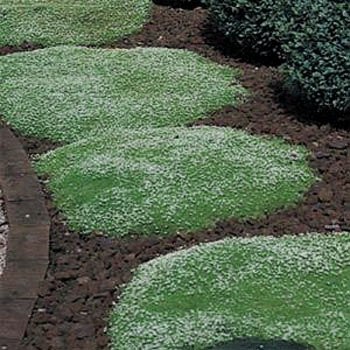
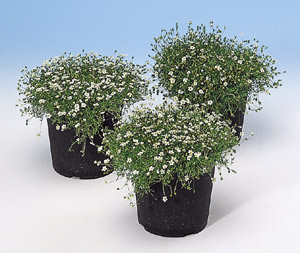
Irish Moss (Sagina subulata) is a beautiful, low-growing evergreen perennial that forms dense, velvety carpets of emerald-green foliage accented by tiny, star-shaped white flowers in late spring and early summer. Despite its common name, Irish Moss is not a true moss but a hardy flowering plant that creates the same lush, moss-like appearance. It is one of the finest ground covers for filling spaces between stepping stones, edging pathways, softening rock gardens, and creating miniature garden landscapes.
Garden Uses
Irish Moss is ideal for rock gardens, alpine gardens, fairy gardens, miniature landscapes, borders, edging, pathways, and planting between stepping stones or pavers. Its dense, cushion-like foliage creates a beautiful living carpet that contrasts wonderfully with larger perennials, ornamental grasses, dwarf conifers, and natural stone. It also performs exceptionally well in trough gardens, containers, and as an attractive lawn substitute in lightly trafficked areas.
Growing Information
Sow seeds indoors 8 to 10 weeks before the last spring frost or sow outdoors after danger of frost has passed. Scatter seeds over the surface of a moist seed-starting mix and press them gently into the soil without covering deeply, as light aids germination. Maintain temperatures between 60° and 70°F while keeping the growing medium evenly moist. Germination usually occurs within 14 to 21 days.
Transplant seedlings into full sun in cooler climates or partial afternoon shade in warmer regions. Irish Moss prefers fertile, well-drained soil with consistent moisture but does not tolerate standing water. Once established, plants spread gradually into soft, dense mats. Occasional trimming after flowering helps maintain a neat appearance and encourages fresh growth.
Pollinator Value
The tiny white flowers attract small native bees, hoverflies, and other beneficial pollinating insects. Although the blooms are delicate, they provide an early-season nectar source that complements larger flowering perennials in rock and woodland gardens.
Natural Garden Benefits
Irish Moss forms a dense living carpet that suppresses weeds, helps reduce soil erosion, and conserves soil moisture. Its evergreen foliage provides year-round interest in many climates, while its shallow root system makes it ideal for planting in shallow soils, crevices, and rock gardens. Once established, it requires very little maintenance beyond occasional watering during extended dry periods.
Historical Significance
Native to western and central Europe, including Ireland and Scotland, Sagina subulata has long been admired for its ability to create lush green carpets in cool, moist environments. Although often associated with traditional Irish gardens because of its appearance, it naturally occurs throughout much of Europe and has become a favorite ornamental ground cover around the world.
Interesting Facts
Despite being called Irish Moss, this plant belongs to the pink family (Caryophyllaceae) rather than the true mosses. Under ideal growing conditions, individual plants slowly merge together to form seamless green cushions that resemble thick velvet. The tiny white flowers often appear so abundantly that they seem to float above the foliage like scattered stars.
Seedman Notes
Irish Moss is one of our favorite living ground covers for adding elegance to rock gardens and pathways. Its rich green foliage remains attractive nearly year-round, while the delicate white flowers add a touch of sparkle each spring. Whether planted between stepping stones, cascading over rocks, or filling miniature landscapes, it creates a timeless, natural appearance that only improves with age.
Quick Facts
| Characteristic | Details |
|---|---|
| Botanical Name | Sagina subulata |
| Common Name | Irish Moss |
| Plant Type | Evergreen Perennial Ground Cover |
| Flower Color | White |
| Bloom Time | Late Spring to Early Summer |
| Height | 1–2 inches |
| Spread | 12–18 inches |
| Sun Exposure | Full Sun to Partial Shade |
| Soil Requirements | Moist, fertile, well-drained soil |
| Water Requirements | Moderate; prefers consistent moisture |
| USDA Zones | 4–8 |
| Garden Uses | Rock gardens, pathways, stepping stones, fairy gardens, edging, containers, ground cover |
Important Note: These are very tiny seeds, even smaller than tobacco or petunia seeds. They are easily germinated by following instructions above, but they must be started inside and transplanted outside as "plugs". These will not germinate well outside, except in some instances where they are sowed between flagstones.
These pelleted seeds make for easy sowing and germination were smaller amounts of seeds are needed. Each pack contains over 150 pelleted seeds. Seeds are shipped in protective plastic vial.

Contact Us | Privacy Policy | About Us
Serving gardeners since 1992
State of Mississippi Seedmen's Permit #C-391, Ohio 90152, Minnesota 20086777