
Salvia Flower Seeds
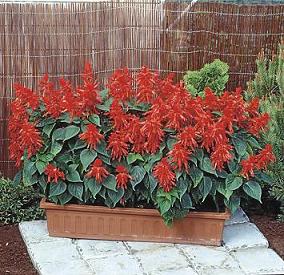
Lighthouse Red (Salvia splendens) is a striking perennial salvia that produces brilliant scarlet-red flower spikes held above neat, dark green foliage from late spring until frost. Bred for outstanding uniformity, vigorous growth, and exceptional weather tolerance, the Lighthouse Series delivers continuous color throughout the growing season. The vivid red blooms create dramatic focal points in garden beds, containers, and mass plantings while attracting hummingbirds, butterflies, and other valuable pollinators.
Garden Uses
Lighthouse Red is ideal for borders, bedding displays, patio containers, window boxes, pollinator gardens, cottage gardens, and public landscapes. Its bold scarlet flower spikes create excellent contrast with blue salvias, white alyssum, silver dusty miller, yellow marigolds, purple petunias, and ornamental grasses. Large group plantings produce spectacular blocks of brilliant color that remain attractive from early summer until frost.
Growing Information
Start seeds indoors 8 to 10 weeks before the final spring frost. Sow seeds on the surface of a moist seed-starting mix and lightly press them into the soil, as light improves germination. Maintain temperatures between 70° and 75°F while keeping the growing medium consistently moist. Seeds usually germinate within 10 to 20 days.
Transplant seedlings outdoors after all danger of frost has passed and nighttime temperatures remain above 50°F. Grow plants in full sun to light partial shade in fertile, well-drained soil. Lighthouse Red tolerates summer heat well but performs best with regular watering during extended dry periods. Removing spent flower spikes encourages continuous blooming and keeps plants looking neat throughout the season.
Quick Facts
| Characteristic | Details |
|---|---|
| Botanical Name | Salvia splendens |
| Common Name | Lighthouse Red Salvia |
| Plant Type | Tender Perennial (grown as an annual in most climates) |
| Flower Color | Brilliant Scarlet Red |
| Bloom Time | Late Spring through Frost |
| Height | 14–18 inches |
| Spread | 10–14 inches |
| Sun Exposure | Full Sun to Partial Shade |
| Soil Requirements | Fertile, well-drained soil |
| Water Requirements | Moderate; prefers evenly moist soil |
| USDA Zones | 10–11 (grown as an annual elsewhere) |
| Garden Uses | Bedding, borders, containers, pollinator gardens, mass plantings, cottage gardens |
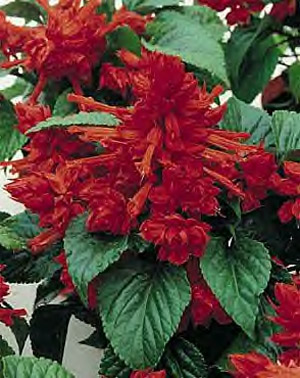
St. John's Fire (Salvia splendens) is a classic scarlet flowering salvia renowned for its brilliant crimson flower spikes and exceptional garden performance. Producing dense spikes of vivid red blooms above deep green foliage, this long-blooming variety creates bold splashes of color from late spring until the first frost. Its compact, well-branched habit and outstanding heat tolerance make it one of the finest choices for bedding displays, containers, borders, and pollinator gardens.
Garden Uses
St. John's Fire is an outstanding choice for flower beds, mass plantings, borders, patio containers, window boxes, cottage gardens, and public landscapes. The brilliant red flower spikes create dramatic focal points and pair beautifully with white alyssum, blue lobelia, silver dusty miller, yellow marigolds, purple petunias, and ornamental grasses. Large plantings produce an eye-catching display that remains colorful throughout the growing season.
Growing Information
Start seeds indoors 8 to 10 weeks before the last expected spring frost. Sow seeds on the surface of a moist seed-starting mix and press them gently into the soil without covering heavily, as light aids germination. Maintain temperatures between 70° and 75°F while keeping the growing medium consistently moist. Germination usually occurs within 10 to 20 days.
Transplant seedlings outdoors after all danger of frost has passed and nighttime temperatures remain above 50°F. Grow plants in full sun to light partial shade in fertile, well-drained soil. Water regularly during extended dry periods, especially in containers. Removing spent flower spikes encourages continual blooming and promotes fuller, bushier plants.
Quick Facts
| Characteristic | Details |
|---|---|
| Botanical Name | Salvia splendens |
| Common Name | St. John's Fire Salvia |
| Plant Type | Tender Perennial (grown as an annual in most climates) |
| Flower Color | Brilliant Scarlet Red |
| Bloom Time | Late Spring through Frost |
| Height | 18–24 inches |
| Spread | 12–16 inches |
| Sun Exposure | Full Sun to Partial Shade |
| Soil Requirements | Fertile, well-drained soil |
| Water Requirements | Moderate; prefers evenly moist soil |
| USDA Zones | 10–11 (grown as an annual elsewhere) |
| Garden Uses | Bedding plants, borders, containers, pollinator gardens, mass plantings, cottage gardens |
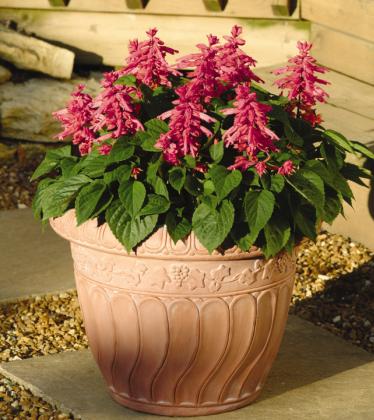
Vista Rose (Salvia splendens) is a beautiful flowering salvia that produces elegant rose-pink flower spikes above dense, deep green foliage from late spring until frost. A standout member of the Vista Series, this variety is prized for its exceptional branching, heavy flowering, and outstanding garden performance. The soft rose blooms offer a refreshing alternative to traditional scarlet salvias while still attracting hummingbirds, butterflies, and beneficial pollinators throughout the growing season.
Garden Uses
Vista Rose is ideal for flower beds, borders, patio containers, window boxes, cottage gardens, pollinator gardens, and mass landscape plantings. Its soft rose-pink flower spikes blend beautifully with white alyssum, blue lobelia, lavender, silver dusty miller, purple petunias, begonias, and ornamental grasses. The compact, uniform plants create striking displays whether planted individually or in large drifts.
Growing Information
Start seeds indoors 8 to 10 weeks before the final spring frost. Sow seeds on the surface of moist seed-starting mix and gently press them into the soil without covering deeply, as light aids germination. Maintain temperatures between 70° and 75°F while keeping the growing medium evenly moist. Germination generally occurs within 10 to 20 days.
Transplant seedlings outdoors after all danger of frost has passed and nighttime temperatures remain above 50°F. Plant in full sun to partial shade in fertile, well-drained soil. Water regularly during extended dry periods, especially when grown in containers. Removing faded flower spikes encourages continuous blooming and promotes fuller plants throughout the season.
Quick Facts
| Characteristic | Details |
|---|---|
| Botanical Name | Salvia splendens |
| Common Name | Vista Rose Salvia |
| Plant Type | Tender Perennial (grown as an annual in most climates) |
| Flower Color | Rose Pink |
| Bloom Time | Late Spring through Frost |
| Height | 16–20 inches |
| Spread | 12–16 inches |
| Sun Exposure | Full Sun to Partial Shade |
| Soil Requirements | Fertile, well-drained soil |
| Water Requirements | Moderate; prefers evenly moist soil |
| USDA Zones | 10–11 (grown as an annual elsewhere) |
| Garden Uses | Borders, bedding, containers, pollinator gardens, cottage gardens, mass plantings |
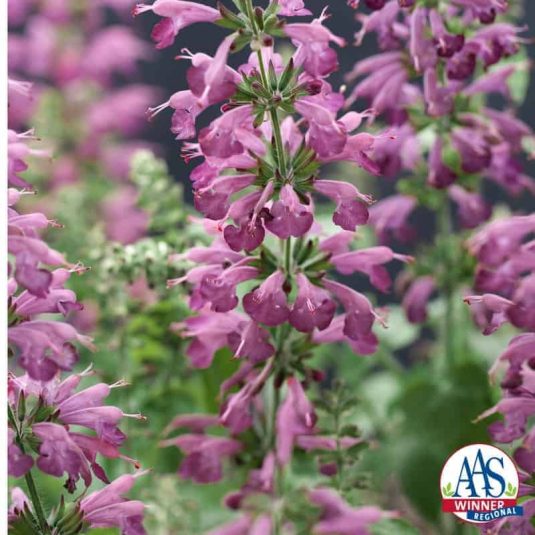
Summer Jewel Lavender (Salvia coccinea) is a beautiful compact flowering sage that produces masses of soft lavender flower spikes from late spring until frost. A member of the award-winning Summer Jewel Series, this variety is prized for its early flowering, compact branching habit, and exceptional ability to attract hummingbirds, butterflies, and beneficial pollinators. Its delicate lavender blooms provide a refreshing color that blends effortlessly with both annual and perennial gardens while thriving through the heat of summer.
Garden Uses
Summer Jewel Lavender is an excellent choice for borders, pollinator gardens, cottage gardens, patio containers, window boxes, butterfly gardens, and naturalized plantings. The soft lavender flower spikes combine beautifully with white cosmos, yellow coreopsis, purple verbena, pink zinnias, gaura, ornamental grasses, and other salvias. Its compact habit also makes it an excellent filler for mixed containers and small garden spaces.
Growing Information
Sow seeds indoors 6 to 8 weeks before the final spring frost or sow directly outdoors after all danger of frost has passed. Press seeds lightly into the surface of moist seed-starting mix and cover very lightly. Maintain temperatures between 70° and 75°F while keeping the growing medium consistently moist. Germination usually occurs within 10 to 21 days.
Transplant seedlings into full sun or light partial shade after frost danger has passed. Plants thrive in average, well-drained soil and tolerate heat, humidity, and occasional drought once established. Regular deadheading encourages continual blooming, although allowing some flower spikes to mature will often encourage gentle self-seeding in favorable climates.
Quick Facts
| Characteristic | Details |
|---|---|
| Botanical Name | Salvia coccinea |
| Common Name | Summer Jewel Lavender Salvia |
| Plant Type | Tender Perennial (often grown as an annual) |
| Flower Color | Soft Lavender |
| Bloom Time | Late Spring through Frost |
| Height | 16–20 inches |
| Spread | 12–16 inches |
| Sun Exposure | Full Sun to Partial Shade |
| Soil Requirements | Average, well-drained soil |
| Water Requirements | Moderate; drought tolerant once established |
| USDA Zones | 8–11 (grown as an annual elsewhere) |
| Garden Uses | Pollinator gardens, borders, containers, cottage gardens, butterfly gardens, naturalized plantings |
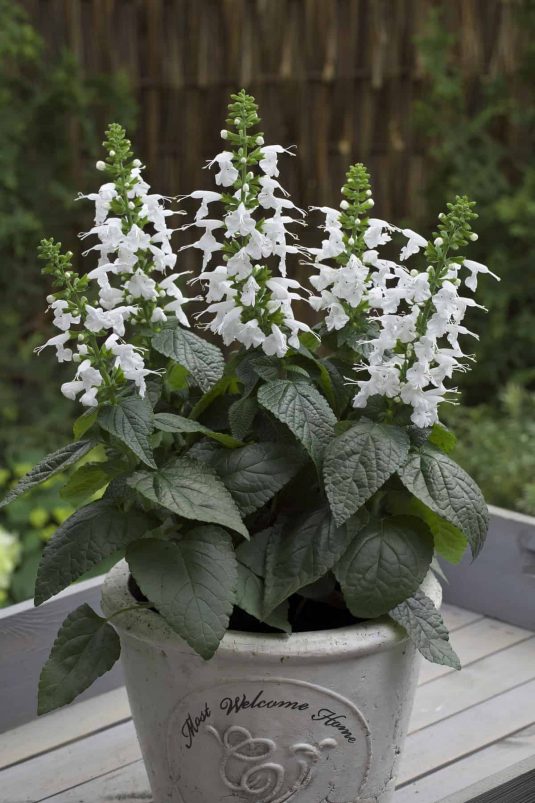
Summer Jewel White (Salvia coccinea) is an elegant flowering sage that produces pristine white flower spikes continuously from late spring until frost. A standout member of the award-winning Summer Jewel Series, this compact variety combines exceptional branching, early flowering, and remarkable heat tolerance with pure white blossoms that brighten any garden. Its graceful blooms provide a striking contrast to darker flowers while attracting hummingbirds, butterflies, bees, and other beneficial pollinators throughout the growing season.
Garden Uses
Summer Jewel White is ideal for borders, cottage gardens, pollinator gardens, patio containers, window boxes, butterfly gardens, and mixed landscape plantings. The brilliant white flower spikes complement virtually every flower color, pairing especially well with red salvias, blue lobelia, purple verbena, pink zinnias, yellow coreopsis, and silver foliage plants such as Dusty Miller. Large groupings create an elegant display that remains fresh and colorful throughout the summer.
Growing Information
Sow seeds indoors 6 to 8 weeks before the final spring frost or sow directly outdoors after all danger of frost has passed. Press seeds lightly onto the surface of moist seed-starting mix and cover only very lightly, as light improves germination. Maintain temperatures between 70° and 75°F while keeping the growing medium evenly moist. Germination generally occurs within 10 to 21 days.
Transplant seedlings outdoors after frost danger has passed. Grow plants in full sun to light partial shade in well-drained soil. Summer Jewel White tolerates heat, humidity, and brief dry periods once established, although regular watering promotes the heaviest flowering. Removing spent flower spikes encourages continuous blooming from late spring until the first hard frost.
Quick Facts
| Characteristic | Details |
|---|---|
| Botanical Name | Salvia coccinea |
| Common Name | Summer Jewel White Salvia |
| Plant Type | Tender Perennial (often grown as an annual) |
| Flower Color | Pure White |
| Bloom Time | Late Spring through Frost |
| Height | 16–20 inches |
| Spread | 12–16 inches |
| Sun Exposure | Full Sun to Partial Shade |
| Soil Requirements | Average, well-drained soil |
| Water Requirements | Moderate; drought tolerant once established |
| USDA Zones | 8–11 (grown as an annual elsewhere) |
| Garden Uses | Borders, containers, pollinator gardens, cottage gardens, butterfly gardens, mass plantings, moon gardens |
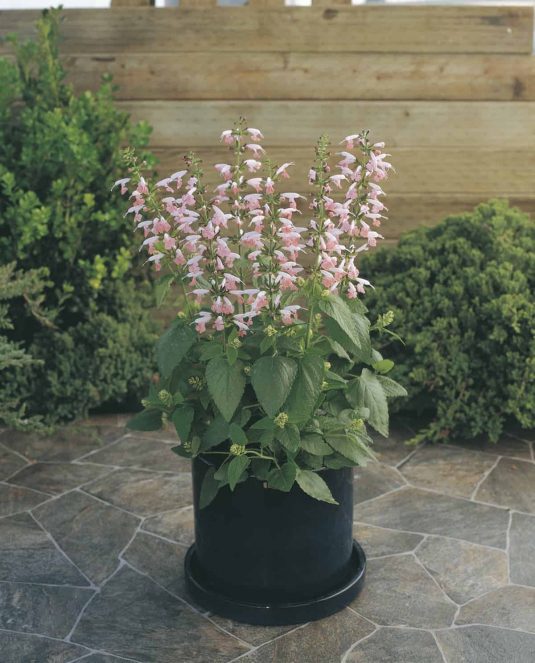
Summer Jewel Pink (Salvia coccinea) is a delightful flowering sage that produces an abundance of soft rosy-pink flower spikes from late spring until frost. Part of the award-winning Summer Jewel Series, this compact variety is valued for its early flowering, excellent branching, and exceptional garden performance even during the hottest summer weather. The graceful pink blooms add a gentle splash of color to flower beds and containers while attracting hummingbirds, butterflies, bees, and other beneficial pollinators all season long.
Garden Uses
Summer Jewel Pink is an excellent choice for cottage gardens, pollinator gardens, mixed borders, patio containers, window boxes, butterfly gardens, and mass plantings. The delicate pink flower spikes pair beautifully with white alyssum, lavender, blue salvia, purple verbena, cosmos, zinnias, gaura, and ornamental grasses. Its compact, naturally branching habit makes it especially useful for smaller gardens and colorful mixed containers.
Growing Information
Sow seeds indoors 6 to 8 weeks before the final spring frost or sow directly outdoors after all danger of frost has passed. Press seeds lightly onto the surface of moist seed-starting mix and cover only very lightly, as light aids germination. Maintain temperatures between 70° and 75°F while keeping the growing medium evenly moist. Germination usually occurs within 10 to 21 days.
After danger of frost has passed, transplant seedlings into full sun or light partial shade. Plants thrive in average, well-drained soil and tolerate heat, humidity, and occasional drought once established. Regular deadheading encourages continuous flowering, although allowing a few flower spikes to mature often results in gentle self-seeding in favorable climates.
Quick Facts
| Characteristic | Details |
|---|---|
| Botanical Name | Salvia coccinea |
| Common Name | Summer Jewel Pink Salvia |
| Plant Type | Tender Perennial (often grown as an annual) |
| Flower Color | Soft Rose Pink |
| Bloom Time | Late Spring through Frost |
| Height | 16–20 inches |
| Spread | 12–16 inches |
| Sun Exposure | Full Sun to Partial Shade |
| Soil Requirements | Average, well-drained soil |
| Water Requirements | Moderate; drought tolerant once established |
| USDA Zones | 8–11 (grown as an annual elsewhere) |
| Garden Uses | Borders, containers, pollinator gardens, butterfly gardens, cottage gardens, mass plantings |
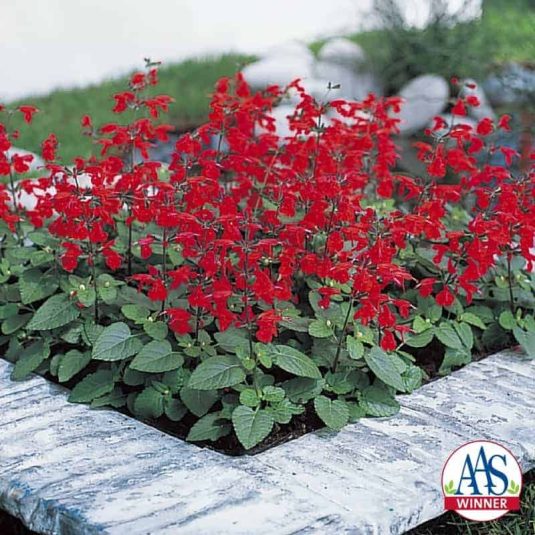
Summer Jewel Red (Salvia coccinea) is the brilliant scarlet member of the award-winning Summer Jewel Series, producing vibrant red flower spikes continuously from late spring until frost. This compact, well-branched variety is prized for its exceptionally early flowering, outstanding heat tolerance, and remarkable ability to attract hummingbirds and butterflies. With its nonstop display of fiery red blooms and carefree nature, Summer Jewel Red is an excellent choice for colorful borders, containers, pollinator gardens, and mass landscape plantings.
Garden Uses
Summer Jewel Red is ideal for pollinator gardens, flower beds, borders, patio containers, window boxes, cottage gardens, butterfly gardens, and mass plantings. Its vivid scarlet flower spikes combine beautifully with white alyssum, blue lobelia, yellow marigolds, silver dusty miller, purple petunias, ornamental grasses, and blue salvias. Planting several together creates a brilliant display that remains colorful throughout the growing season.
Growing Information
Sow seeds indoors 6 to 8 weeks before the last expected spring frost or sow directly outdoors after all danger of frost has passed. Press seeds gently onto the surface of moist seed-starting mix and cover only very lightly, as light aids germination. Maintain temperatures between 70° and 75°F while keeping the growing medium evenly moist. Germination usually occurs within 10 to 21 days.
Transplant seedlings outdoors after frost danger has passed and nighttime temperatures remain above 50°F. Plant in full sun to light partial shade in fertile, well-drained soil. Summer Jewel Red tolerates heat, humidity, and brief periods of drought once established. Deadheading spent flower spikes encourages continuous flowering throughout the season and promotes a fuller, bushier plant.
Quick Facts
| Characteristic | Details |
|---|---|
| Botanical Name | Salvia coccinea |
| Common Name | Summer Jewel Red Salvia |
| Plant Type | Tender Perennial (often grown as an annual) |
| Flower Color | Brilliant Scarlet Red |
| Bloom Time | Late Spring through Frost |
| Height | 16–20 inches |
| Spread | 12–16 inches |
| Sun Exposure | Full Sun to Partial Shade |
| Soil Requirements | Average, well-drained soil |
| Water Requirements | Moderate; drought tolerant once established |
| USDA Zones | 8–11 (grown as an annual elsewhere) |
| Garden Uses | Pollinator gardens, borders, containers, butterfly gardens, cottage gardens, mass plantings |
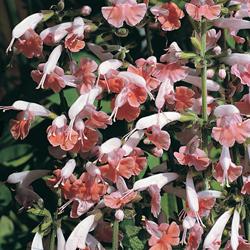
Cherry Blossom (Salvia coccinea) is a lovely flowering sage known for its soft pink and white blossoms that resemble a shower of miniature cherry blooms. This charming selection produces graceful flower spikes from late spring until frost, bringing a light, airy look to borders, containers, cottage gardens, and pollinator plantings. With its long bloom season, heat tolerance, and strong attraction to hummingbirds and butterflies, Cherry Blossom is both beautiful and highly useful in the summer garden.
Garden Uses
Cherry Blossom is ideal for pollinator gardens, cottage gardens, mixed borders, patio containers, window boxes, butterfly gardens, and informal flower beds. Its soft pink and white flowers blend beautifully with lavender, blue salvia, white alyssum, purple verbena, pink zinnias, ornamental grasses, cosmos, and gaura. The delicate coloring makes it especially valuable where a softer, romantic garden effect is desired.
Growing Information
Sow seeds indoors 6 to 8 weeks before the last expected spring frost, or sow directly outdoors after all danger of frost has passed. Press seeds lightly into moist seed-starting mix and cover only very lightly. Maintain temperatures between 70° and 75°F and keep the growing medium evenly moist. Germination usually occurs within 10 to 21 days.
Transplant outdoors after frost danger has passed and the soil has warmed. Grow in full sun to light partial shade in average, well-drained soil. Cherry Blossom tolerates heat, humidity, and brief dry periods once established, though regular watering encourages the best flowering. Removing spent flower spikes promotes continuous bloom through summer and into fall.
Quick Facts
| Characteristic | Details |
|---|---|
| Botanical Name | Salvia coccinea |
| Common Name | Cherry Blossom Salvia |
| Plant Type | Tender Perennial, often grown as an annual |
| Flower Color | Pink and White |
| Bloom Time | Late Spring through Frost |
| Height | 18–24 inches |
| Spread | 12–18 inches |
| Sun Exposure | Full Sun to Partial Shade |
| Soil Requirements | Average, well-drained soil |
| Water Requirements | Moderate; drought tolerant once established |
| USDA Zones | 8–11 as a perennial; grown as an annual elsewhere |
| Garden Uses | Pollinator gardens, borders, containers, cottage gardens, butterfly gardens, mass plantings |
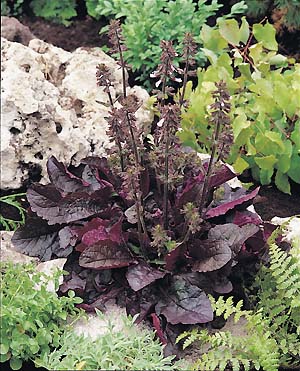
Purple Volcano Sage (Salvia lyrata 'Purple Volcano') is a striking native perennial prized for its dramatic deep burgundy to purple foliage and elegant spikes of lavender-blue flowers that rise above the colorful leaves in spring and early summer. This improved selection of the North American Lyreleaf Sage combines outstanding ornamental beauty with exceptional durability, making it an excellent choice for pollinator gardens, woodland edges, native landscapes, and low-maintenance perennial borders. Even when not in bloom, the richly colored foliage provides months of garden interest.
Garden Uses
Purple Volcano Sage is perfect for native plant gardens, woodland borders, pollinator gardens, cottage gardens, perennial beds, rain gardens, rock gardens, and naturalized landscapes. The dramatic purple foliage provides an excellent contrast to golden foliage plants, ornamental grasses, white daisies, coneflowers, coral bells, and spring-flowering bulbs. It is also highly effective when mass planted as a colorful groundcover beneath shrubs or deciduous trees.
Growing Information
Sow seeds indoors 8 to 10 weeks before the last spring frost or sow outdoors in fall or early spring. Lightly cover the seeds with fine soil and maintain consistent moisture during germination. Germination generally occurs within 14 to 28 days at temperatures between 65° and 70°F. Fall sowing often produces excellent natural germination after winter chilling.
Plant in full sun to partial shade in well-drained soil. Purple Volcano Sage adapts well to clay, sandy, or average garden soils and tolerates occasional wet conditions once established. Although drought tolerant after establishment, it performs best with moderate moisture during extended dry periods. Remove spent flower spikes if desired, although allowing plants to self-seed lightly helps establish attractive natural colonies.
Quick Facts
| Characteristic | Details |
|---|---|
| Botanical Name | Salvia lyrata 'Purple Volcano' |
| Common Name | Purple Volcano Sage, Purple Volcano Lyreleaf Sage |
| Plant Type | Hardy Native Perennial |
| Flower Color | Lavender Blue |
| Foliage Color | Deep Purple to Burgundy |
| Bloom Time | Spring to Early Summer |
| Height | 12–18 inches in bloom |
| Spread | 12–18 inches |
| Sun Exposure | Full Sun to Partial Shade |
| Soil Requirements | Average, well-drained soil; adaptable to clay and sandy soils |
| Water Requirements | Moderate; drought tolerant once established |
| USDA Zones | 5–9 |
| Garden Uses | Native gardens, pollinator gardens, woodland borders, groundcover, rain gardens, perennial beds |
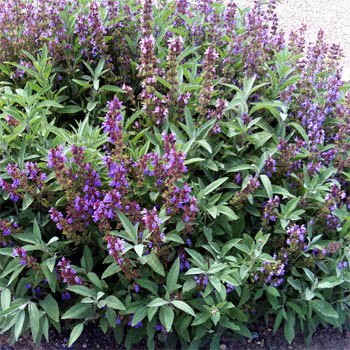
Sage (Salvia officinalis) is one of the world's oldest and most treasured culinary herbs, valued for centuries for its wonderfully aromatic silver-green leaves and rich, earthy flavor. Native to the Mediterranean region, Common Sage is an attractive evergreen perennial that produces soft gray-green foliage and spikes of lavender-blue flowers that attract bees and butterflies. While indispensable in the kitchen for seasoning poultry, pork, stuffing, and savory dishes, Sage is equally at home in herb gardens, ornamental borders, and pollinator plantings.
Garden Uses
Sage is an excellent addition to culinary herb gardens, kitchen gardens, raised beds, cottage gardens, pollinator gardens, and decorative containers. Its attractive silvery foliage provides year-round interest and pairs beautifully with rosemary, thyme, oregano, lavender, chives, parsley, and flowering perennials. Sage also works well as a low border plant where its fragrant leaves can be enjoyed whenever brushed against.
Growing Information
Sow seeds indoors 6 to 8 weeks before the final spring frost or sow directly outdoors after danger of frost has passed. Cover seeds lightly with fine soil and maintain temperatures between 65° and 70°F while keeping the soil evenly moist. Germination generally occurs within 10 to 21 days.
Plant Sage in full sun and well-drained soil. It thrives in moderately fertile soils and prefers slightly dry conditions once established. Avoid overly rich or constantly wet soils, which can shorten the plant's lifespan. Regular harvesting encourages bushier growth, while light pruning in early spring helps maintain a compact, productive plant. Mature plants benefit from being divided or replaced every few years for maximum vigor.
Quick Facts
| Characteristic | Details |
|---|---|
| Botanical Name | Salvia officinalis |
| Common Name | Common Sage, Culinary Sage |
| Plant Type | Evergreen Culinary Perennial Herb |
| Flower Color | Lavender Blue |
| Foliage | Fragrant Silver-Green Leaves |
| Bloom Time | Late Spring to Early Summer |
| Height | 18–30 inches |
| Spread | 18–24 inches |
| Sun Exposure | Full Sun |
| Soil Requirements | Well-drained, moderately fertile soil |
| Water Requirements | Low to Moderate; drought tolerant once established |
| USDA Zones | 4–8 |
| Garden Uses | Culinary herb gardens, kitchen gardens, containers, borders, pollinator gardens, Mediterranean gardens |
| Culinary Uses | Stuffing, poultry, pork, sausage, soups, roasted vegetables, herb butter, sauces |
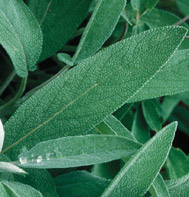
Extrakta Sage (Salvia officinalis 'Extrakta') is a premium culinary sage selected for its exceptionally high concentration of aromatic essential oils and intensely flavorful silver-green leaves. This vigorous perennial herb produces attractive, velvety foliage with a rich, earthy fragrance that is prized by chefs, home gardeners, and herb enthusiasts alike. Whether harvested fresh or dried, Extrakta Sage delivers outstanding flavor for poultry, stuffing, sausage, roasted vegetables, sauces, and countless savory dishes while also serving as a beautiful ornamental plant in herb and perennial gardens.
Garden Uses
Extrakta Sage is ideal for culinary herb gardens, kitchen gardens, raised beds, decorative containers, cottage gardens, pollinator gardens, and Mediterranean-style landscapes. Its attractive gray-green foliage contrasts beautifully with rosemary, thyme, lavender, oregano, chives, parsley, and flowering salvias. The evergreen foliage provides year-round structure and fragrance, making it equally valuable as an ornamental border plant.
Growing Information
Sow seeds indoors 6 to 8 weeks before the final spring frost or sow outdoors after danger of frost has passed. Cover seeds lightly with fine soil and maintain temperatures between 65° and 70°F while keeping the growing medium evenly moist. Germination generally occurs within 10 to 21 days.
Plant in full sun in well-drained soil. Extrakta Sage thrives in moderately fertile soils and performs best when not overwatered. Once established, plants tolerate drought remarkably well and require little maintenance beyond occasional harvesting and light spring pruning. Harvest leaves regularly to encourage dense branching and vigorous new growth. Replacing or dividing older plants every four to five years helps maintain maximum productivity.
Quick Facts
| Characteristic | Details |
|---|---|
| Botanical Name | Salvia officinalis 'Extrakta' |
| Common Name | Extrakta Sage |
| Plant Type | Evergreen Culinary Perennial Herb |
| Flower Color | Lavender Blue |
| Foliage | Highly Aromatic Silver-Green Leaves |
| Bloom Time | Late Spring to Early Summer |
| Height | 18–30 inches |
| Spread | 18–24 inches |
| Sun Exposure | Full Sun |
| Soil Requirements | Well-drained, moderately fertile soil |
| Water Requirements | Low to Moderate; drought tolerant once established |
| USDA Zones | 4–8 |
| Garden Uses | Culinary herb gardens, kitchen gardens, containers, borders, pollinator gardens, Mediterranean gardens |
| Culinary Uses | Poultry seasoning, stuffing, sausage, pork, roasted vegetables, soups, sauces, herb butter |

Contact Us | Privacy Policy | About Us
Serving gardeners since 1992
State of Mississippi Seedmen's Permit #C-391, Ohio 90152, Minnesota 20086777