
Sedum and Sempervivum Seed ( Perennial )

Alleviate Flooding
Following a heavy rainfall a green roof will initially retain more rain than a conventional roof. This minimizes the initial heavy runoff, which can cause localized flooding and put pressure on the sewage system. The remaining water then drains off more slowly, allowing more rain to remain in the natural water cycle and less in the sewage system.
Noise Reduction
The soft layer of sedum blanket growing on a green roof has the affect of absorbing sound, as opposed to hard conventional roofs which can reflect it. In an already noisy urban environment this is certainly beneficial. The same layer improves the buildings sound insulation properties, reducing sound pollution within the building.
Thermal Insulation
The addition of a green roof layer to a property increases its thermal insulation properties, making it warmer in winter, cooler in summer and reducing energy costs.
Natural Habitat for Animals and Plants
Green roofs can help compensate for the loss of green surfaces, sacrificed to building developments. This helps to provide an environment for the development of wildlife, especially bird, plant and insect life, increasing the biodiversity in our towns and cities.
Improving Building Aesthetics
The clever use of a green roof can help a large and small buildings blend into a surrounding green landscape, minimizing the impact it has on the immediate environment. Green roofs can be used to soften ugly flat roofs on extensions, garages, sheds etc. helping them blend more easily into their surrounding environment. Where a building is located in a more urban landscape, the addition of a green roof can introduce a very welcome green interlude in a heavily built up area, where green spaces are few and far between, substituting in some way for the loss of a previous greener landscape.
Perennial Sedum plants have been one of the best choices for green roofs due to the fact that it is an extremely adaptable plant. Its special properties include:
Low Maintenance once established sedum forms a tightly knit sedum carpet, which allows little room for the development of weeds and can be left largely unattended. This makes it perfect for use on sedum roofs.
Low Growing sedum is a low growing plant, which generally reaches a height of 2 inches to 5 inches (up to 12 inches when in flower). It does not become overgrown and does not require regular cutting or pruning ideal when used on a sedum roof.
Colorful Hues by mixing a number of different varieties of sedum together as in this Sedum Roof Garden Mix, the sedum turf will have a beautiful mix of colors (greens, yellows, reds and purples) and textures. As an evergreen it continues to provide a changing display of color throughout the winter months. When used to create a sedum roof it will provide a beautifully changing display throughout the year.
Roof Garden Mix (Sedum Mix) is a premium collection of colorful, low-growing succulent perennials specially selected for creating beautiful, environmentally friendly living roofs and drought-resistant landscapes. This attractive mixture combines a wide range of sedum species and varieties with foliage in shades of emerald green, blue-green, chartreuse, bronze, burgundy, and crimson. During the growing season, the dense carpet of succulent foliage is topped with cheerful clusters of star-shaped flowers in white, yellow, pink, and rosy red, providing months of color while thriving in conditions that challenge most other plants.
Garden UsesRoof Garden Mix is ideal for green roofs, living roof systems, rock gardens, alpine gardens, retaining walls, stone troughs, fairy gardens, dry slopes, pathways, containers, and between stepping stones. Its spreading habit creates a durable, living carpet that softens stonework and suppresses weeds while adding year-round texture and seasonal color. The mix pairs beautifully with Sempervivum, creeping thyme, hardy ice plants, dwarf ornamental grasses, saxifrages, and other drought-tolerant perennials.
Growing InformationSow seeds indoors 8 to 10 weeks before the final spring frost or sow outdoors after danger of frost has passed. Because the seeds are extremely small, sow them on the surface of a fine, well-drained seed-starting mix and gently press them into the soil without covering deeply. Light aids germination. Maintain temperatures between 65° and 72°F while keeping the surface lightly moist until seedlings emerge, usually within 14 to 28 days.
Transplant seedlings into full sun and sharply drained soil once they have developed several true leaves. Sedums thrive in sandy, gravelly, rocky, or otherwise lean soils where drainage is excellent. Once established, they require very little supplemental watering and actually perform best when not overwatered. For rooftop applications, use an engineered green roof growing medium designed to provide proper drainage while minimizing weight.
Quick Facts| Characteristic | Details |
|---|---|
| Botanical Name | Sedum species mix |
| Common Name | Roof Garden Mix |
| Plant Type | Succulent Perennial Groundcover Mix |
| Flower Color | Mixed White, Yellow, Pink, and Red depending on variety |
| Foliage Color | Green, Blue-Green, Bronze, Burgundy, Chartreuse, and Crimson |
| Bloom Time | Late Spring through Early Fall |
| Height | 2–6 inches |
| Spread | 6–24 inches depending on species |
| Sun Exposure | Full Sun |
| Soil Requirements | Lean, sandy, gravelly, sharply drained soil |
| Water Requirements | Very Low; highly drought tolerant once established |
| USDA Zones | Generally 3–9 depending on species |
| Garden Uses | Green roofs, rock gardens, alpine gardens, containers, fairy gardens, retaining walls, pathways, dry slopes, and groundcover plantings |
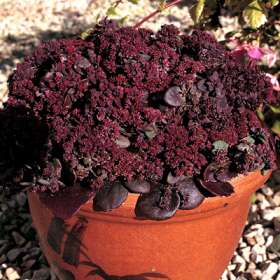
A charming, low-growing perennial stonecrop selected for its attractive succulent foliage, dependable hardiness, and long-lasting seasonal interest. Supplied as convenient multi-seed pellets, each pellet produces a small cluster of seedlings that quickly develops into a dense mound of colorful foliage topped with clusters of delicate rosy-pink, star-shaped flowers. This hardy sedum is perfectly suited for rock gardens, alpine plantings, green roofs, containers, and other sunny locations where its beauty and remarkable durability truly shine.
Garden UsesTurkish Delight is an excellent choice for rock gardens, alpine gardens, green roofs, fairy gardens, troughs, retaining walls, dry slopes, edging, containers, and planting between stepping stones. Its compact, spreading habit creates attractive mats that soften hard surfaces while providing year-round texture. It combines beautifully with Sempervivum, creeping thyme, hardy ice plants, dwarf ornamental grasses, saxifrages, and other drought-tolerant perennials.
Growing InformationMulti-seed pellets simplify sowing by combining several tiny seeds into a single pellet. Sow pellets on the surface of a fine, well-drained seed-starting mix and gently press them into the soil without covering deeply, as light improves germination. Keep the growing medium evenly moist while maintaining temperatures between 65° and 72°F. Germination usually occurs within 14 to 28 days.
Once seedlings have developed several true leaves, transplant the small clumps into full sun and sharply drained soil. Sedum ussuriense thrives in lean, sandy, rocky, or gravelly soils where drainage is excellent. Once established, it requires very little supplemental watering and tolerates extended periods of drought with ease. Avoid heavy clay soils or excessive watering, which can reduce vigor and compact growth.
Quick Facts| Characteristic | Details |
|---|---|
| Botanical Name | Sedum ussuriense |
| Common Name | Turkish Delight Stonecrop |
| Plant Type | Hardy Succulent Perennial |
| Flower Color | Rosy Pink |
| Foliage Color | Green with Bronze to Burgundy Autumn Color |
| Bloom Time | Mid to Late Summer |
| Height | 3–6 inches |
| Spread | 10–18 inches |
| Sun Exposure | Full Sun |
| Soil Requirements | Lean, sandy, gravelly, sharply drained soil |
| Water Requirements | Low; highly drought tolerant once established |
| USDA Zones | 4–8 |
| Garden Uses | Rock gardens, alpine gardens, green roofs, containers, fairy gardens, edging, troughs, dry slopes |
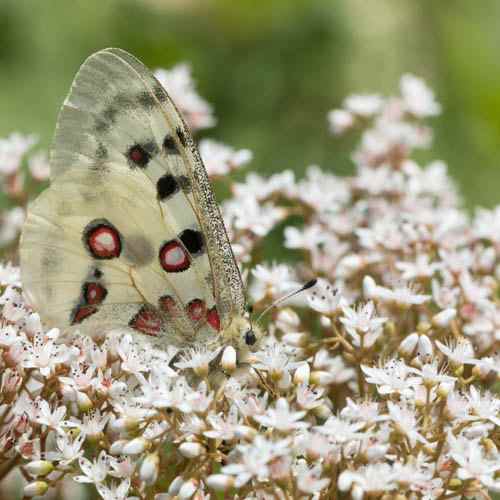
A vibrant, low-growing perennial stonecrop celebrated for its brilliant seasonal foliage, cheerful golden flowers, and exceptional durability. This improved selection of Goldmoss Stonecrop forms a dense carpet of succulent foliage that begins the season bright green before developing spectacular shades of bronze, copper, orange, crimson, and burgundy as cooler autumn weather arrives. In late spring and early summer, masses of tiny, star-shaped golden-yellow flowers completely cover the foliage, creating a dazzling display that attracts pollinators while providing year-round beauty in even the toughest growing conditions.
Garden UsesOktoberfest is ideal for rock gardens, alpine gardens, green roofs, fairy gardens, retaining walls, stone pathways, dry slopes, containers, edging, and planting between stepping stones. Its dense, creeping habit creates a colorful living carpet that softens hard landscapes while suppressing weeds and reducing soil erosion. It combines beautifully with Sempervivum, creeping thyme, hardy ice plants, saxifrages, dwarf ornamental grasses, and other drought-tolerant perennials.
Growing InformationSow seeds indoors 8 to 10 weeks before the final spring frost or sow outdoors after danger of frost has passed. Scatter seeds over the surface of a fine, well-drained seed-starting mix and gently press them into the soil without covering deeply, as light encourages germination. Maintain temperatures between 65° and 72°F while keeping the surface lightly moist. Germination generally occurs within 14 to 28 days.
Transplant seedlings into full sun and sharply drained soil once established. Oktoberfest thrives in lean, sandy, gravelly, or rocky soils and performs best where drainage is excellent. Once established, it requires very little watering and easily tolerates prolonged drought, poor soils, wind, and summer heat. Avoid rich soils and excessive irrigation, which can produce overly lush growth and reduce the brilliant foliage coloration.
Quick Facts| Characteristic | Details |
|---|---|
| Botanical Name | Sedum acre 'Oktoberfest' |
| Common Name | Oktoberfest Stonecrop |
| Plant Type | Evergreen Succulent Perennial Groundcover |
| Flower Color | Golden Yellow |
| Foliage Color | Green changing to Bronze, Copper, Orange, Crimson, and Burgundy in Autumn |
| Bloom Time | Late Spring to Early Summer |
| Height | 2–4 inches |
| Spread | 12–24 inches |
| Sun Exposure | Full Sun |
| Soil Requirements | Lean, sandy, gravelly, sharply drained soil |
| Water Requirements | Very Low; highly drought tolerant once established |
| USDA Zones | 3–9 |
| Garden Uses | Rock gardens, alpine gardens, green roofs, retaining walls, containers, fairy gardens, pathways, dry slopes, and groundcover plantings |
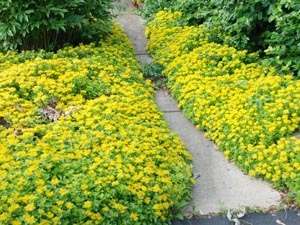
A beautiful, hardy succulent perennial that forms dense mats of glossy green foliage topped by brilliant clusters of bright golden-yellow flowers in late spring and early summer. Native to eastern Asia, this vigorous stonecrop is prized for its exceptional drought tolerance, attractive year-round foliage, and ability to thrive in difficult growing conditions where many other plants struggle. As temperatures cool in autumn, the foliage often develops rich bronze and reddish highlights, extending its ornamental appeal well beyond the flowering season.
Garden UsesYellow Stonecrop is an outstanding choice for rock gardens, alpine gardens, green roofs, retaining walls, dry slopes, fairy gardens, edging, pathways, containers, and planting between stepping stones. Its spreading habit quickly forms an attractive living carpet that softens stonework while helping suppress weeds and stabilize shallow soils. It combines beautifully with Sempervivum, creeping thyme, hardy ice plants, saxifrages, dwarf ornamental grasses, and other drought-tolerant perennials.
Growing InformationSow seeds indoors 8 to 10 weeks before the last spring frost or sow outdoors after danger of frost has passed. Scatter seeds over the surface of a fine, well-drained seed-starting mix and gently press them into the soil without covering deeply, as light promotes germination. Maintain temperatures between 65° and 72°F while keeping the soil lightly moist. Germination typically occurs within 14 to 28 days.
Transplant seedlings into full sun and sharply drained soil once established. Yellow Stonecrop performs best in sandy, gravelly, or rocky soils with excellent drainage and tolerates poor soils remarkably well. Once established, plants require very little supplemental watering and thrive through prolonged periods of heat and drought. Avoid overly rich or poorly drained soils, which may reduce vigor and increase the risk of root problems.
Quick Facts| Characteristic | Details |
|---|---|
| Botanical Name | Sedum ellacombianum |
| Common Name | Yellow Stonecrop |
| Plant Type | Hardy Succulent Perennial Groundcover |
| Flower Color | Bright Golden Yellow |
| Foliage Color | Glossy Green with Bronze to Reddish Autumn Highlights |
| Bloom Time | Late Spring to Early Summer |
| Height | 4–6 inches |
| Spread | 12–24 inches |
| Sun Exposure | Full Sun |
| Soil Requirements | Lean, sandy, gravelly, sharply drained soil |
| Water Requirements | Very Low; highly drought tolerant once established |
| USDA Zones | 4–9 |
| Garden Uses | Rock gardens, alpine gardens, green roofs, retaining walls, containers, pathways, fairy gardens, dry slopes, and groundcover plantings |
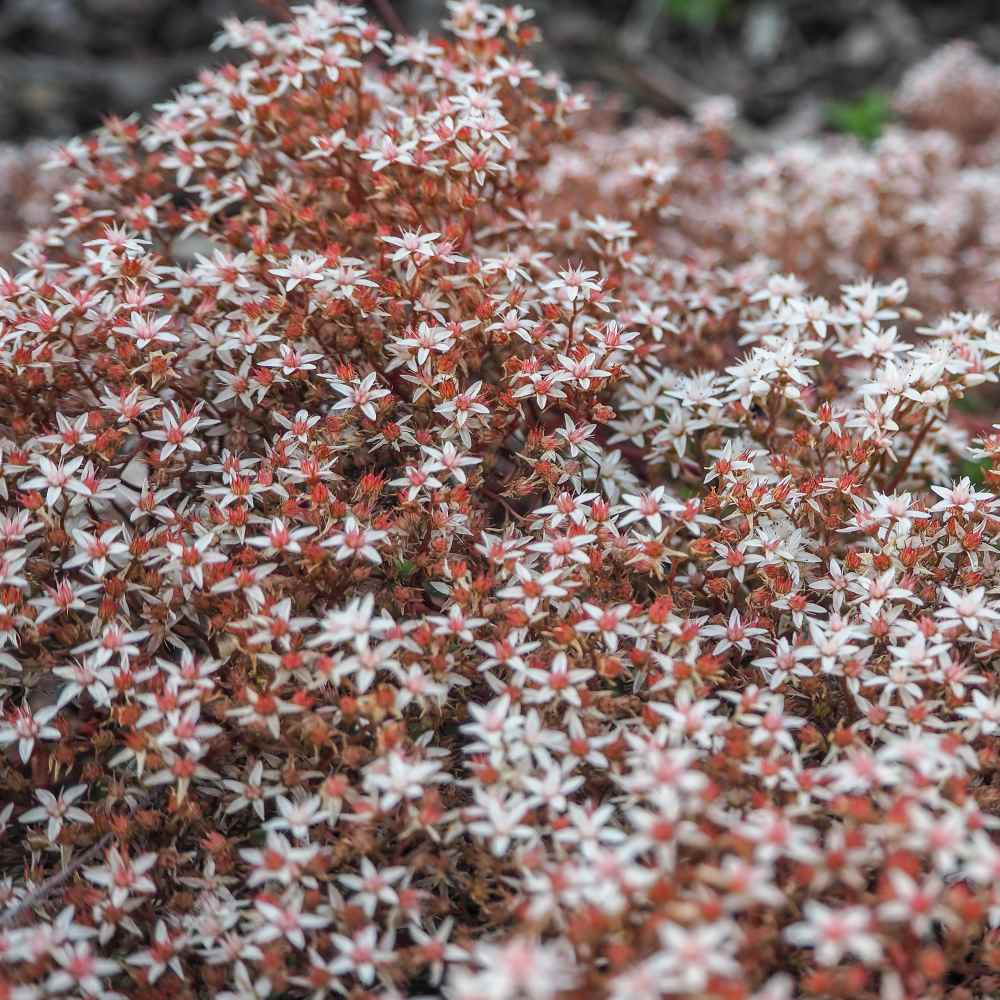
A charming, low-growing perennial succulent that forms lush carpets of rounded green foliage connected by slender creeping stolons. Native to the cool mountain regions of eastern Asia, this attractive stonecrop spreads naturally to create a dense groundcover that is beautifully accented by clusters of delicate rosy-pink, star-shaped flowers in late summer. Unlike many sun-loving sedums, Stolon Stonecrop is unusually tolerant of partial shade, making it an excellent choice for woodland edges, shaded rock gardens, and other difficult locations where few succulent groundcovers perform well.
Garden UsesStolon Stonecrop is ideal for rock gardens, woodland gardens, shaded alpine plantings, fairy gardens, retaining walls, containers, edging, pathways, and as a living groundcover beneath shrubs and small trees. Its creeping stolons allow it to gradually fill open spaces while creating an attractive green carpet. It pairs beautifully with hostas, ferns, heucheras, creeping phlox, ajuga, dwarf ornamental grasses, and other shade-tolerant perennials.
Growing InformationSow seeds indoors 8 to 10 weeks before the final spring frost or sow outdoors after danger of frost has passed. Scatter seeds over the surface of a fine, well-drained seed-starting mix and gently press them into the soil without covering deeply, as light promotes germination. Keep the growing medium evenly moist while maintaining temperatures between 65° and 72°F. Germination generally occurs within 14 to 28 days.
Transplant seedlings into well-drained soil in full sun, partial shade, or bright woodland conditions. Unlike many stonecrops, Sedum stoloniferum appreciates some afternoon shade in warmer climates while still requiring excellent drainage. Once established, plants tolerate short periods of drought but benefit from occasional watering during prolonged dry weather. The creeping stolons gradually root as they spread, allowing plants to naturally form attractive colonies.
Quick Facts| Characteristic | Details |
|---|---|
| Botanical Name | Sedum stoloniferum |
| Common Name | Stolon Stonecrop |
| Plant Type | Hardy Succulent Perennial Groundcover |
| Flower Color | Rosy Pink |
| Foliage Color | Bright Green with Bronze to Reddish Autumn Tones |
| Bloom Time | Late Summer to Early Fall |
| Height | 3–6 inches |
| Spread | 12–24 inches or more by creeping stolons |
| Sun Exposure | Full Sun to Partial Shade |
| Soil Requirements | Well-drained, sandy, gravelly, or average garden soil |
| Water Requirements | Low to Moderate; drought tolerant once established |
| USDA Zones | 4–9 |
| Garden Uses | Rock gardens, woodland gardens, fairy gardens, containers, edging, pathways, shaded groundcover, retaining walls |
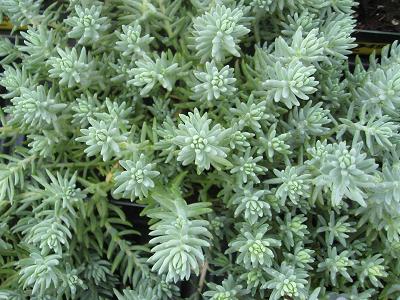
Also known as Blue Spruce Stonecrop, is an outstanding evergreen succulent perennial admired for its striking blue-green needle-like foliage that closely resembles the branches of a miniature Colorado Blue Spruce. Forming dense, spreading mats of colorful foliage, this exceptionally hardy sedum produces brilliant golden-yellow star-shaped flowers in early summer that create a spectacular contrast against the cool blue foliage. Its rugged nature, outstanding drought tolerance, and year-round beauty make it one of the finest groundcovers for rock gardens, green roofs, borders, and water-wise landscapes.
Garden UsesBlue Spruce Sedum is perfect for rock gardens, alpine gardens, green roofs, retaining walls, dry slopes, fairy gardens, edging, containers, pathways, and planting between stepping stones. Its evergreen blue foliage provides year-round color while cascading beautifully over rocks and walls. It pairs exceptionally well with Sempervivum, creeping thyme, hardy ice plants, ornamental grasses, lavender, dwarf conifers, and other drought-tolerant perennials.
Growing InformationSow seeds indoors 8 to 10 weeks before the final spring frost or sow outdoors after danger of frost has passed. Scatter seeds over the surface of a fine, well-drained seed-starting mix and gently press them into the soil without covering deeply, as light aids germination. Maintain temperatures between 65° and 72°F while keeping the soil lightly moist. Germination generally occurs within 14 to 28 days.
Transplant seedlings into full sun and sharply drained soil. Blue Spruce Sedum thrives in sandy, gravelly, rocky, or otherwise lean soils and performs best where drainage is excellent. Once established, it requires very little supplemental watering and tolerates heat, drought, wind, poor soils, and exposed growing conditions with ease. Avoid overly fertile soils or excessive watering, which can reduce its compact habit and vibrant blue coloration.
Quick Facts| Characteristic | Details |
|---|---|
| Botanical Name | Sedum reflexum |
| Common Name | Blue Spruce Sedum, Blue Spruce Stonecrop |
| Plant Type | Evergreen Succulent Perennial Groundcover |
| Flower Color | Bright Golden Yellow |
| Foliage Color | Blue-Green |
| Bloom Time | Early to Mid-Summer |
| Height | 4–8 inches |
| Spread | 12–24 inches |
| Sun Exposure | Full Sun |
| Soil Requirements | Lean, sandy, gravelly, sharply drained soil |
| Water Requirements | Very Low; highly drought tolerant once established |
| USDA Zones | 3–9 |
| Garden Uses | Rock gardens, alpine gardens, green roofs, retaining walls, containers, pathways, edging, xeriscapes, and groundcover plantings |
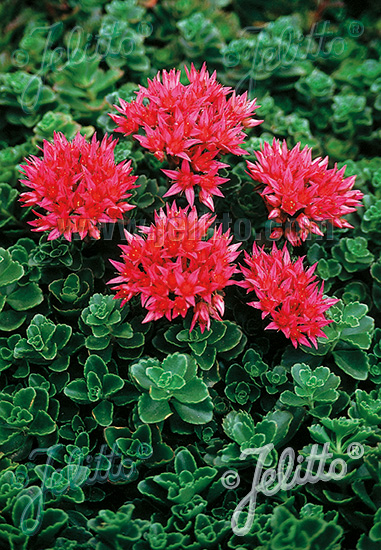
A colorful, low-growing perennial stonecrop known for its dense carpet of rounded succulent leaves and showy clusters of bright rosy-pink flowers. This dependable groundcover spreads neatly to form attractive mats that look beautiful spilling over rocks, edging pathways, filling dry borders, or brightening containers. Tough, drought tolerant, and easy to grow, Summer Glory provides months of texture and seasonal color while thriving in sunny, well-drained locations where many other plants struggle.
Garden UsesSummer Glory is ideal for rock gardens, alpine gardens, green roofs, retaining walls, dry slopes, edging, containers, fairy gardens, pathways, and groundcover plantings. Its spreading habit softens stonework and helps fill bare spaces with attractive succulent foliage. It combines beautifully with Sempervivum, creeping thyme, Blue Spruce Sedum, hardy ice plants, dwarf ornamental grasses, lavender, and other drought-tolerant perennials.
Growing InformationSow seeds indoors 8 to 10 weeks before the final spring frost or sow outdoors after danger of frost has passed. Scatter seeds over the surface of a fine, well-drained seed-starting mix and gently press them into the soil without covering deeply, as light helps germination. Maintain temperatures between 65° and 72°F while keeping the surface lightly moist. Germination generally occurs within 14 to 28 days.
Transplant seedlings into full sun and sharply drained soil once they are large enough to handle. Summer Glory grows best in sandy, gravelly, rocky, or lean garden soils with excellent drainage. Once established, it requires very little watering and tolerates heat, wind, drought, and poor soil with ease. Avoid heavy, wet soils or excessive fertilizer, which can lead to weak growth and reduced winter hardiness.
< Quick Facts| Characteristic | Details |
|---|---|
| Botanical Name | Sedum spurium |
| Common Name | Summer Glory Stonecrop |
| Plant Type | Hardy Succulent Perennial Groundcover |
| Flower Color | Rosy Pink to Bright Pink |
| Foliage Color | Green with possible Bronze or Red tones in cool weather |
| Bloom Time | Summer |
| Height | 3–6 inches |
| Spread | 12–24 inches |
| Sun Exposure | Full Sun |
| Soil Requirements | Lean, sandy, gravelly, sharply drained soil |
| Water Requirements | Low; drought tolerant once established |
| USDA Zones | 3–9 |
| Garden Uses | Rock gardens, alpine gardens, green roofs, containers, edging, dry slopes, retaining walls, pathways, and groundcover plantings |
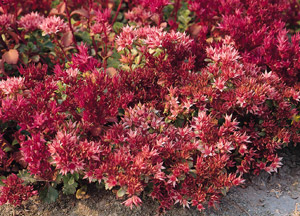
A dramatic, low-growing perennial groundcover prized for its deep burgundy-red foliage, spreading habit, and clusters of bright rosy-pink flowers. This colorful stonecrop forms dense mats of succulent leaves that become especially rich in color during cool weather, creating a bold carpet of red, bronze, and purple tones. Tough, drought tolerant, and easy to grow, Dragon's Blood is one of the most popular sedums for rock gardens, green roofs, edging, containers, and dry sunny landscapes.
Garden UsesDragon's Blood Stonecrop is ideal for rock gardens, alpine gardens, green roofs, retaining walls, dry slopes, edging, containers, fairy gardens, pathways, and groundcover plantings. Its rich red foliage creates striking contrast with silver foliage plants, blue-green sedums, creeping thyme, Sempervivum, hardy ice plants, ornamental grasses, and pale stone. It is especially effective when allowed to spill over rocks, walls, or container edges.
Growing InformationSow seeds indoors 8 to 10 weeks before the final spring frost or sow outdoors after danger of frost has passed. Scatter seeds over the surface of a fine, well-drained seed-starting mix and gently press them into the soil without covering deeply, as light helps germination. Maintain temperatures between 65° and 72°F while keeping the surface lightly moist. Germination generally occurs within 14 to 28 days.
Transplant seedlings into full sun and sharply drained soil once they are large enough to handle. Dragon's Blood performs best in lean, sandy, gravelly, or rocky soils with excellent drainage. Once established, it requires very little watering and tolerates heat, drought, wind, and poor soil with ease. Avoid wet, heavy soil or excessive fertilizer, which can weaken plants and reduce the intensity of foliage color.
Quick Facts| Characteristic | Details |
|---|---|
| Botanical Name | Sedum spurium |
| Common Name | Dragon's Blood Stonecrop |
| Plant Type | Hardy Succulent Perennial Groundcover |
| Flower Color | Rosy Pink to Bright Pink |
| Foliage Color | Deep Red, Burgundy, Bronze, and Purple-red tones |
| Bloom Time | Summer |
| Height | 3–6 inches |
| Spread | 12–24 inches |
| Sun Exposure | Full Sun |
| Soil Requirements | Lean, sandy, gravelly, sharply drained soil |
| Water Requirements | Low; drought tolerant once established |
| USDA Zones | 3–9 |
| Garden Uses | Rock gardens, alpine gardens, green roofs, containers, edging, dry slopes, retaining walls, pathways, and groundcover plantings |
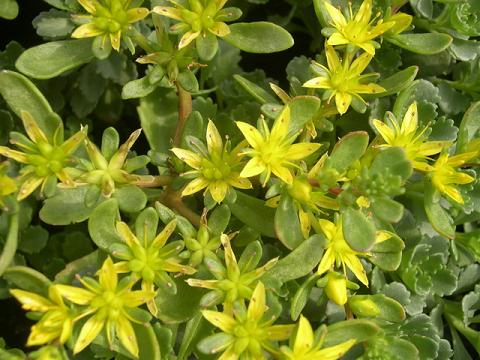
A hardy, low-growing perennial stonecrop prized for its brilliant golden-yellow flowers, attractive scalloped succulent foliage, and outstanding drought tolerance. Forming neat mounds that gradually spread into dense colonies, this colorful sedum provides season-long interest with rich green foliage that often develops bronze and reddish highlights during cool autumn weather. Its cheerful blooms, rugged nature, and ease of care make it an excellent choice for rock gardens, borders, green roofs, containers, and water-wise landscapes.
Garden UsesCzar's Gold Sedum is an excellent choice for rock gardens, alpine plantings, retaining walls, green roofs, edging, dry slopes, fairy gardens, containers, and sunny perennial borders. Its compact growth habit makes it especially attractive along pathways or cascading gently over rocks and stone walls. It combines beautifully with Sempervivum, Blue Spruce Sedum, creeping thyme, hardy ice plants, lavender, dwarf ornamental grasses, and other drought-tolerant perennials.
Growing InformationSow seeds indoors 8 to 10 weeks before the final spring frost or sow outdoors after danger of frost has passed. Scatter seeds over the surface of a fine, well-drained seed-starting mix and gently press them into the soil without covering deeply, as light encourages germination. Maintain temperatures between 65° and 72°F while keeping the growing medium lightly moist. Germination generally occurs within 14 to 28 days.
Transplant seedlings into full sun and sharply drained soil once established. Czar's Gold thrives in sandy, gravelly, rocky, or otherwise lean soils where drainage is excellent. Once established, it tolerates drought, heat, poor soils, and exposed conditions with very little maintenance. Avoid excessive watering or overly fertile soil, as these conditions can reduce flowering and produce weaker growth.
Quick Facts| Characteristic | Details |
|---|---|
| Botanical Name | Sedum selskianum 'Czar's Gold' |
| Common Name | Czar's Gold Sedum |
| Plant Type | Hardy Succulent Perennial |
| Flower Color | Bright Golden Yellow |
| Foliage Color | Rich Green with Bronze to Reddish Autumn Highlights |
| Bloom Time | Mid to Late Summer |
| Height | 6–8 inches |
| Spread | 12–18 inches |
| Sun Exposure | Full Sun |
| Soil Requirements | Lean, sandy, gravelly, sharply drained soil |
| Water Requirements | Low; highly drought tolerant once established |
| USDA Zones | 3–9 |
| Garden Uses | Rock gardens, alpine gardens, green roofs, borders, containers, retaining walls, edging, xeriscapes, and groundcover plantings |
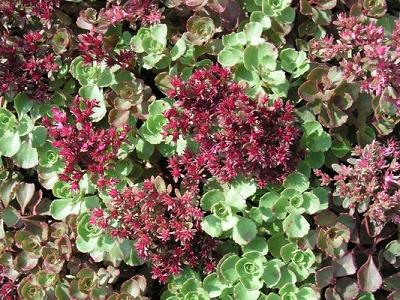
A beautiful, low-growing perennial stonecrop that forms a dense mat of rich purple to burgundy succulent foliage, creating a colorful living carpet throughout the growing season. During summer, clusters of bright rosy-pink, star-shaped flowers rise just above the foliage, producing a striking contrast that attracts bees and butterflies. Exceptionally hardy and drought tolerant, Purple Carpet is one of the finest groundcovers for rock gardens, green roofs, borders, containers, and other sunny locations where dependable, low-maintenance color is desired.
Garden UsesPurple Carpet is ideal for rock gardens, alpine gardens, green roofs, retaining walls, dry slopes, edging, pathways, fairy gardens, containers, and mass groundcover plantings. Its deep purple foliage creates outstanding contrast with silver foliage plants, golden sedums, creeping thyme, Sempervivum, Blue Spruce Sedum, ornamental grasses, and flowering perennials. It is especially attractive when allowed to cascade naturally over stone walls or spill from decorative containers.
Growing InformationSow seeds indoors 8 to 10 weeks before the final spring frost or sow outdoors after danger of frost has passed. Scatter seeds over the surface of a fine, well-drained seed-starting mix and gently press them into the soil without covering deeply, as light promotes germination. Maintain temperatures between 65° and 72°F while keeping the soil lightly moist. Germination generally occurs within 14 to 28 days.
Transplant seedlings into full sun and sharply drained soil once they have developed several true leaves. Purple Carpet thrives in sandy, gravelly, rocky, or lean garden soils where drainage is excellent. Once established, plants tolerate drought, heat, wind, and poor soils with very little care. Bright sunlight encourages the deepest purple foliage coloration, while excessive fertilizer or overly wet soil can reduce both foliage color and plant vigor.
Quick Facts| Characteristic | Details |
|---|---|
| Botanical Name | Sedum spurium |
| Common Name | Purple Carpet Stonecrop |
| Plant Type | Hardy Succulent Perennial Groundcover |
| Flower Color | Rosy Pink |
| Foliage Color | Deep Purple, Burgundy, and Plum |
| Bloom Time | Summer |
| Height | 3–6 inches |
| Spread | 12–24 inches |
| Sun Exposure | Full Sun |
| Soil Requirements | Lean, sandy, gravelly, sharply drained soil |
| Water Requirements | Low; highly drought tolerant once established |
| USDA Zones | 3–9 |
| Garden Uses | Rock gardens, alpine gardens, green roofs, containers, edging, retaining walls, pathways, dry slopes, and groundcover plantings |

Contact Us | Privacy Policy | About Us
Serving gardeners since 1992
State of Mississippi Seedmen's Permit #C-391, Ohio 90152, Minnesota 20086777