
Acacia Gum Arabic Seeds
Landscape Rating: ⭐⭐⭐⭐⭐ (5/5 Stars)
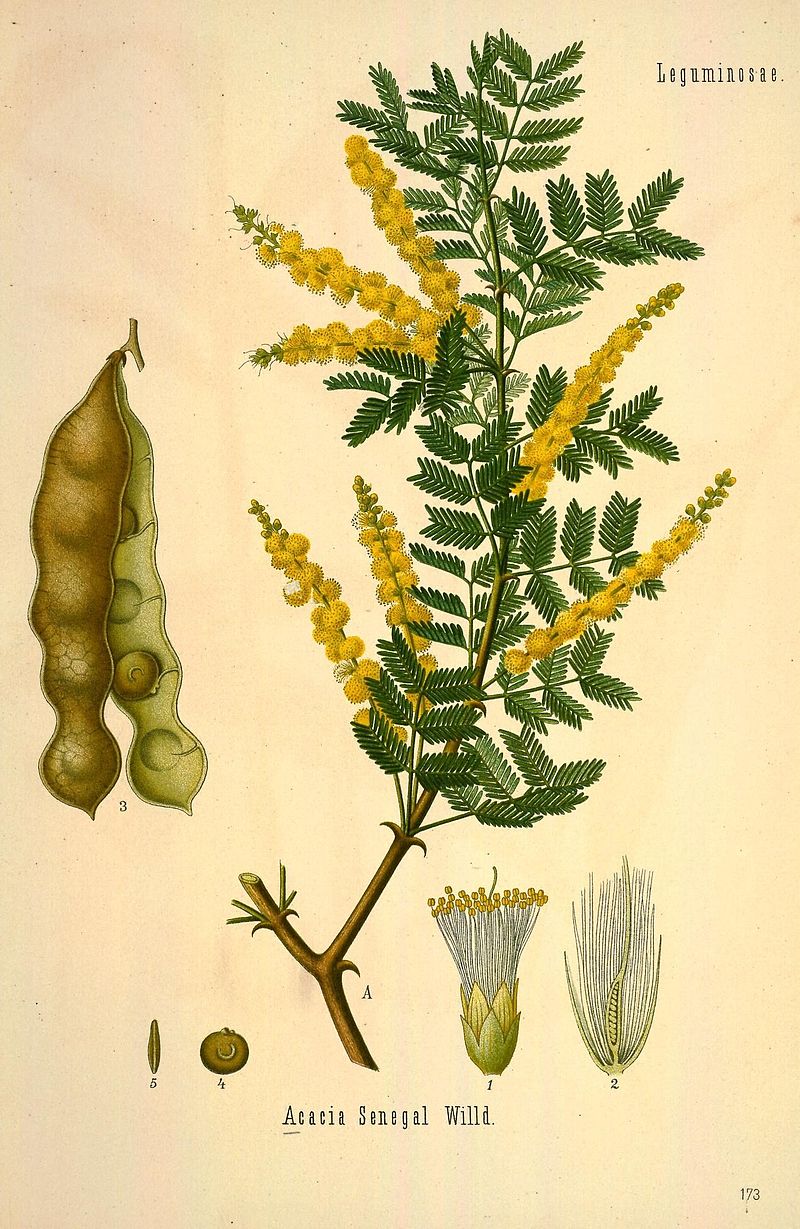
Plant CharacteristicsGum Arabic Tree is one of the most historically important and economically valuable acacias in the world. Native to the dry savannas and semi-desert regions of Africa and the Middle East, this elegant small tree is best known as the primary source of natural Gum Arabic, a product used for thousands of years in foods, medicines, inks, paints, and countless commercial applications.
Mature trees typically reach 15 to 30 feet in height with a graceful, open canopy and finely textured foliage. The delicate, feathery leaves create a soft appearance that contrasts beautifully with the rugged bark and branching structure.
During the flowering season, clusters of creamy white to pale yellow blossoms appear along the branches, attracting pollinators and adding subtle beauty to the landscape. These are followed by distinctive seed pods that contribute additional ornamental interest.
Its drought tolerance, attractive form, and fascinating historical significance make Gum Arabic Tree an outstanding specimen for warm-climate landscapes.
Landscape Uses- Specimen lawn tree
- Xeriscape landscapes
- Desert gardens
- Wildlife plantings
- Savanna-style landscapes
- Historic collections
- Educational gardens
- Drought-tolerant shade tree
The open canopy creates filtered shade while maintaining an elegant, airy appearance throughout the landscape.
Important Landscape NoteGum Arabic Tree is exceptionally adapted to hot, dry climates and often performs best where many traditional landscape trees struggle. Excellent drainage is essential for long-term success.
Germination Information- Scarify seeds by lightly nicking or sanding the seed coat.
- Soak seeds in warm water overnight.
- Sow approximately ¼ inch deep.
- Maintain temperatures between 75-90°F.
- Keep soil lightly moist.
- Germination generally occurs within 1-3 weeks.
- Botanical Name: Acacia senegal
- Plant Type: Evergreen to Semi-Evergreen Tree
- USDA Zones: 9-11
- Sun Exposure: Full Sun
- Mature Height: 15-30 Feet
- Mature Spread: 15-25 Feet
- Growth Rate: Moderate
- Soil Preference: Sandy, rocky, well-drained soils
- Water Requirements: Low
Gum Arabic Tree thrives in heat, drought, and poor soils. Once established, it becomes remarkably resilient and requires very little supplemental irrigation.
Container GrowingYoung plants can be maintained in large containers for several years. Mature specimens are best planted in the landscape where their root systems and canopy can fully develop.
Pollinator & Wildlife ValueThe flowers attract bees, butterflies, and beneficial insects. Birds frequently utilize the canopy for shelter and nesting.
As a nitrogen-fixing species, the tree also improves soil quality and contributes to ecosystem health.
Historical & Cultural SignificanceFor thousands of years, Gum Arabic Tree has been one of humanity's most useful plants. The natural gum harvested from its bark was used by ancient Egyptians in inks, cosmetics, medicines, and even the preparation of mummies.
Throughout history, Gum Arabic became a major commodity traded across Africa, the Middle East, and Europe. It remains an important ingredient in food products, pharmaceuticals, soft drinks, watercolors, printing processes, and confectionery products.
The tree has played a significant role in commerce and culture across several continents for centuries.
Botanical Facts- Member of the Legume Family (Fabaceae).
- Primary source of commercial Gum Arabic.
- Native to Africa and the Arabian Peninsula.
- Highly drought tolerant.
- Fixes atmospheric nitrogen.
- Produces fragrant cream-colored flowers.
Few trees can match the historical importance of Acacia senegal. Its graceful appearance, drought resistance, and fascinating connection to world commerce make it an outstanding specimen tree for educational gardens and warm-climate landscapes.
Additional Seedman NoteMany people encounter Gum Arabic every day without realizing it. The natural gum harvested from Acacia senegal has been used in everything from ancient Egyptian inks to modern soft drinks, candies, watercolor paints, pharmaceuticals, and postage stamps. Few landscape trees possess a legacy that spans more than 4,000 years of human history while remaining as useful today as they were in ancient times.
For over a thousand more unique seed varieties, all in stock and ready to ship, visit our Seed Catalog Index Page .

Contact Us | Privacy Policy | About Us
Serving gardeners since 1992
State of Mississippi Seedmen's Permit #C-391, Ohio 90152, Minnesota 20086777