
Perfume Acacia Seeds
Acacia farnesiana — fragrant Sweet Acacia seeds for warm-climate gardens, pollinator plantings, xeriscape landscapes, and container culture.
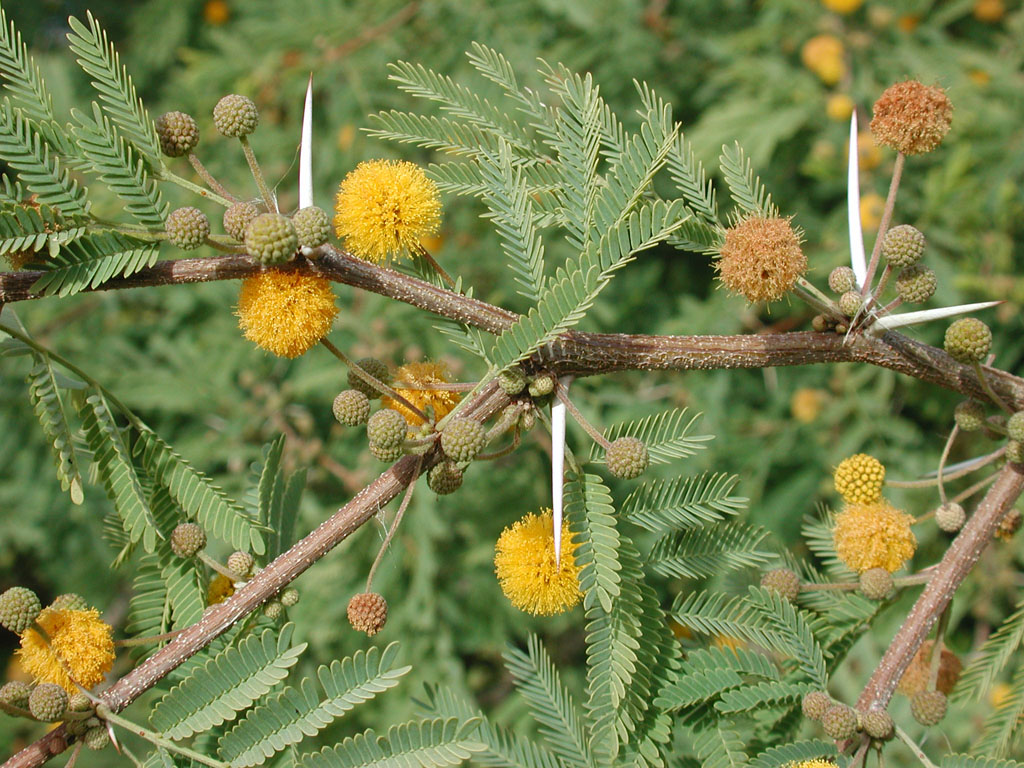
Landscape Rating: ⭐⭐⭐⭐⭐ (5/5 Stars)
Plant CharacteristicsPerfume Acacia is one of the most fragrant flowering trees in the world. Native to tropical and subtropical regions of the Americas, this elegant small tree has been cultivated for centuries because of its intensely sweet perfume, attractive foliage, and exceptional drought tolerance.
Mature specimens typically reach 15 to 25 feet in height with a rounded, spreading canopy. The finely divided fern-like foliage creates a delicate texture that remains attractive throughout the year in warm climates.
During flowering season, the branches become adorned with hundreds of bright golden-yellow puffball blossoms. While the flowers are small, their fragrance is extraordinary, often carrying considerable distances on warm breezes. The scent is rich, sweet, and often compared to violets, honey, and fine perfume.
As a specimen lawn tree, Perfume Acacia provides year-round beauty while filling the landscape with one of nature's finest fragrances.
Landscape Uses- Specimen lawn tree
- Fragrant garden focal point
- Xeriscape landscapes
- Mediterranean gardens
- Pollinator gardens
- Courtyard plantings
- Wildlife landscapes
- Estate gardens
Perfume Acacia is particularly effective when planted near patios, walkways, windows, and outdoor seating areas where its fragrance can be fully enjoyed.
Important Landscape NotePlant Perfume Acacia where air currents can carry the fragrance through the garden. During bloom season, even a single tree can perfume a large portion of the landscape.
Germination Information- Scarify seeds by lightly nicking or sanding the seed coat.
- Soak seeds in warm water overnight.
- Sow approximately ¼ inch deep.
- Maintain temperatures between 70-90°F.
- Keep soil lightly moist.
- Germination generally occurs within 1-4 weeks.
- Botanical Name: Acacia farnesiana
- Plant Type: Evergreen to Semi-Evergreen Flowering Tree
- USDA Zones: 8-11
- Sun Exposure: Full Sun
- Mature Height: 15-25 Feet
- Mature Spread: 15-25 Feet
- Growth Rate: Moderate
- Soil Preference: Well-drained soils
- Water Requirements: Low
Perfume Acacia thrives in heat, drought, and poor soils. Once established, it becomes one of the most dependable flowering trees for warm, dry climates.
Container GrowingYoung plants may be grown in large containers for several years. Container-grown specimens often make outstanding patio plants where their fragrance can be enjoyed up close.
Pollinator & Wildlife ValueThe fragrant flowers attract bees, butterflies, and numerous beneficial pollinating insects. Birds often utilize the dense branching structure for nesting and shelter.
The tree's flowering period provides an important nectar source when many other plants are not in bloom.
Historical & Cultural SignificancePerfume Acacia has a rich history in the fragrance industry. For centuries, its blossoms were harvested and processed into perfumes and scented oils prized throughout Europe, the Middle East, and the Americas.
The flowers became especially important in the famous perfume-making region of Grasse, France, where they contributed to some of the world's most celebrated fragrances.
Its sweet scent has made it a favorite ornamental tree in gardens for hundreds of years.
Botanical Facts- Member of the Legume Family (Fabaceae).
- Produces intensely fragrant yellow flowers.
- Native to tropical and subtropical America.
- Highly drought tolerant once established.
- Often called Sweet Acacia.
- Historically used in perfume production.
Few landscape trees can match the fragrance of Perfume Acacia. Combined with its attractive foliage, drought tolerance, and brilliant flowers, it is one of the finest ornamental trees available for warm-climate gardens.
Additional Seedman NoteAmong flowering trees, Perfume Acacia is often considered one of the true aristocrats of fragrance. Long before modern perfumes existed, its blossoms were prized for their rich scent and harvested to create luxurious oils and fragrances. Even today, a blooming Sweet Acacia can transform an entire garden into a naturally scented retreat.
For over a thousand more unique seed varieties, all in stock and ready to ship, visit our Seed Catalog Index Page.

Contact Us | Privacy Policy | About Us
Serving gardeners since 1992
State of Mississippi Seedmen's Permit #C-391, Ohio 90152, Minnesota 20086777