
Sweet Thorn Acacia Seeds
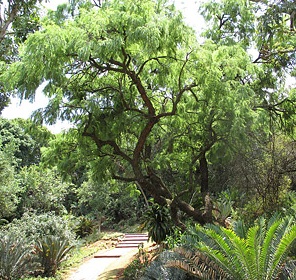
Landscape Rating: ⭐⭐⭐⭐⭐ (5/5 Stars)
Plant CharacteristicsSweet Thorn is one of Africa's most beloved flowering trees. Native to southern Africa, this hardy and adaptable species is famous for its fragrant golden blossoms, graceful canopy, and ability to thrive under difficult growing conditions.
Mature trees typically reach 20 to 40 feet in height with a rounded crown that provides welcome shade across the landscape. The finely divided foliage creates a soft, feathery appearance similar to many of the world's most ornamental acacias.
During the flowering season, the canopy becomes decorated with hundreds of bright golden puffball blossoms. These flowers are highly fragrant and often fill the surrounding landscape with a sweet honey-like scent.
The attractive foliage, brilliant flowers, and elegant form make Sweet Thorn a beautiful specimen lawn tree in warm climates.
Landscape Uses- Specimen lawn tree
- Shade tree
- Wildlife landscapes
- Pollinator gardens
- Drought-tolerant gardens
- Savanna-style plantings
- Estate landscapes
- Naturalized landscapes
Its graceful canopy and dependable flowering display make Sweet Thorn a valuable ornamental tree as well as an important wildlife plant.
Important Landscape NoteSweet Thorn develops protective thorns along its branches. While these contribute to wildlife value and historical grazing protection, placement should be considered in areas with heavy pedestrian traffic.
Germination Information- Scarify seeds by lightly nicking or sanding the seed coat.
- Soak seeds in warm water overnight.
- Sow approximately ¼ inch deep.
- Maintain temperatures between 70-90°F.
- Keep soil lightly moist.
- Germination typically occurs within 1-3 weeks.
- Botanical Name: Acacia karroo
- Plant Type: Evergreen to Semi-Evergreen Flowering Tree
- USDA Zones: 8-11
- Sun Exposure: Full Sun
- Mature Height: 20-40 Feet
- Mature Spread: 20-35 Feet
- Growth Rate: Moderate to Fast
- Soil Preference: Highly adaptable
- Water Requirements: Low
Sweet Thorn tolerates drought, heat, poor soils, and seasonal dry conditions. Once established, it becomes an exceptionally resilient landscape tree.
Container GrowingYoung seedlings may be grown in large containers during their early years, but mature specimens are best planted in the landscape where their canopy can fully develop.
Pollinator & Wildlife ValueThe nectar-rich flowers attract bees, butterflies, and countless beneficial pollinators. In its native habitat, Sweet Thorn is considered one of the most important nectar-producing trees.
The foliage, flowers, and seed pods support numerous wildlife species, while birds frequently use the tree for nesting and shelter.
Historical & Cultural SignificanceThroughout southern Africa, Sweet Thorn has long been recognized as an important tree for livestock, wildlife, and traditional communities. The flowers provide valuable nectar resources, while the foliage and pods have historically served as forage for grazing animals.
The tree's ability to thrive in challenging environments has made it an important component of African savanna ecosystems.
It remains one of the most familiar and admired acacias across much of its native range.
Botanical Facts- Member of the Legume Family (Fabaceae).
- Native to southern Africa.
- Produces highly fragrant golden flowers.
- Develops prominent protective thorns.
- Excellent nectar source for pollinators.
- Fixes atmospheric nitrogen.
Sweet Thorn combines beauty, fragrance, drought tolerance, and wildlife value into a single landscape tree. Its golden blossoms and graceful form make it one of the finest ornamental acacias available for warm-climate gardens.
Additional Seedman NoteIn parts of Africa, beekeepers highly value Sweet Thorn because of the exceptional honey produced from its blossoms. During flowering season, mature trees often hum with activity as bees gather nectar from thousands of fragrant golden flowers, creating one of nature's most impressive pollinator displays.
For over a thousand more unique seed varieties, all in stock and ready to ship, visit our Seed Catalog Index Page .

Contact Us | Privacy Policy | About Us
Serving gardeners since 1992
State of Mississippi Seedmen's Permit #C-391, Ohio 90152, Minnesota 20086777