
Purple Leaf Japanese Maple Seeds
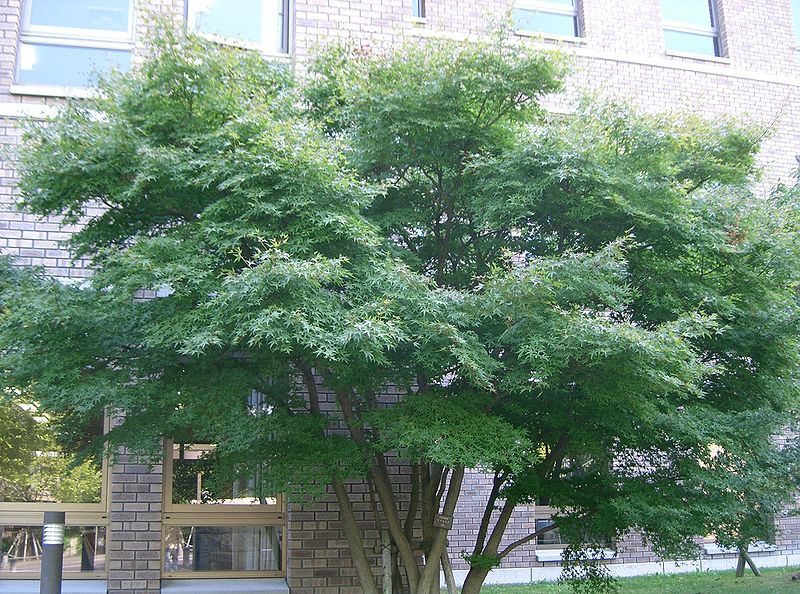
Acer atropurpureum — ornamental Japanese maple seeds for burgundy foliage, graceful branching, and brilliant seasonal color.


Purple Leaf Japanese Maple Acer atropurpureum with burgundy foliage and graceful ornamental branching
ACER92 Purple Leaf Japanese Maple (Acer atropurpureum)

Purple Leaf Japanese Maple (Acer palmatum var. atropurpureum) is one of the most admired ornamental trees in the world. Renowned for its finely cut burgundy foliage, graceful branching habit, and brilliant seasonal color changes, this elegant small tree has become a centerpiece of landscapes, Japanese gardens, and collector plantings for generations.

Throughout spring and summer, the deeply lobed leaves display rich shades of burgundy, wine-red, or deep purple that provide striking contrast against green landscapes. In autumn, the foliage often intensifies into brilliant crimson, scarlet, and fiery red tones, creating one of the most spectacular fall displays available in any ornamental tree.

Its delicate appearance, manageable size, and four-season beauty make Purple Leaf Japanese Maple one of the finest specimen trees for residential landscapes.

⭐⭐⭐⭐⭐ Landscape Tree Rating: 5 out of 5 Stars Plant Characteristics
  • Botanical Name: Acer palmatum var. atropurpureum
  • Common Names: Purple Leaf Japanese Maple, Red Japanese Maple
  • Plant Type: Deciduous Ornamental Tree
  • Mature Height: 15 to 25 feet
  • Mature Spread: 15 to 20 feet
  • Growth Rate: Slow to Moderate
  • Sun Exposure: Full Sun to Partial Shade
  • USDA Zones: 5-8
Landscape Uses

Purple Leaf Japanese Maple is among the most versatile ornamental trees available and can serve as a focal point in virtually any garden design.

  • Specimen lawn tree
  • Japanese gardens
  • Entryway accent tree
  • Courtyard gardens
  • Patio landscapes
  • Water garden plantings
  • Asian-themed gardens
  • Collector landscapes
Important Landscape Note

In hotter climates, afternoon shade helps preserve the richest foliage color and prevents leaf scorch during periods of extreme summer heat. Protection from strong drying winds is also beneficial.

Germination Information

Japanese Maple seeds require cold stratification before planting.

  • Soak seeds in water for 24 hours.
  • Place in moist peat moss or vermiculite.
  • Cold stratify for 90 to 120 days at 34-40°F.
  • Sow ½ inch deep in well-drained soil.
  • Maintain temperatures of 65-75°F after sowing.
  • Germination typically occurs within several weeks after stratification.
Growing Information

Purple Leaf Japanese Maple thrives in fertile, well-drained soil rich in organic matter. Consistent moisture promotes healthy growth, though established trees tolerate moderate drought.

  • Prefers slightly acidic soil
  • Excellent ornamental value
  • Moderate drought tolerance
  • Low maintenance
  • Long-lived landscape specimen

Minimal pruning is required, as the tree naturally develops an attractive layered branching structure.

Container Growing

Purple Leaf Japanese Maple is one of the finest trees for large decorative containers. Its slow growth and graceful habit make it suitable for patios, courtyards, and entry gardens for many years.

Pollinator Value

Small spring flowers attract a variety of beneficial insects and pollinators.

  • Native bees
  • Honeybees
  • Beneficial insects
  • Early-season pollinators
Wildlife Benefits

Although primarily grown for ornamental beauty, Japanese Maples provide valuable habitat for birds and beneficial insects.

  • Nesting sites for songbirds
  • Shelter for beneficial insects
  • Seasonal wildlife cover
  • Supports garden biodiversity
Historical and Cultural Significance

Japanese Maples have been cultivated in Japan for hundreds of years and are deeply associated with traditional Japanese garden design. They symbolize elegance, peace, balance, and the changing seasons.

Many ancient Japanese gardens feature maples as focal points, where their brilliant autumn color is celebrated much like cherry blossoms are celebrated in spring.

Botanical Facts
  • Native to Japan, Korea, and parts of China.
  • "Atropurpureum" means "dark purple."
  • One of the most widely planted ornamental maples in the world.
  • Highly valued for its exceptional fall color.
  • Often used in bonsai cultivation.
Seedman Growing Tip

Plant Purple Leaf Japanese Maple where it can be viewed from windows, patios, or walkways. Its intricate branching structure and changing seasonal colors deserve a prominent location where they can be appreciated year-round.

Seedman Note

Few ornamental trees offer the elegance and beauty of Purple Leaf Japanese Maple. Its rich burgundy foliage, graceful architecture, and dazzling autumn display make it a true living work of art. Whether used as a lawn specimen, patio accent, or focal point in a Japanese garden, Acer palmatum atropurpureum brings sophistication and year-round interest to virtually any landscape.

Historical Seedman Fact: In Japan, viewing autumn maple foliage—known as "Momijigari" or "maple hunting"—has been a cherished tradition for centuries, much like spring cherry blossom viewing. Purple-leaved Japanese Maples are among the most prized trees for this seasonal celebration.

Package of 10 seeds $3.95

For over a thousand more unique seed varieties, all in stock and ready to ship, visit our Seed Catalog Index Page.

All seed packets listed on this page are in stock and ready for shipment.