
Tartar Maple Seeds
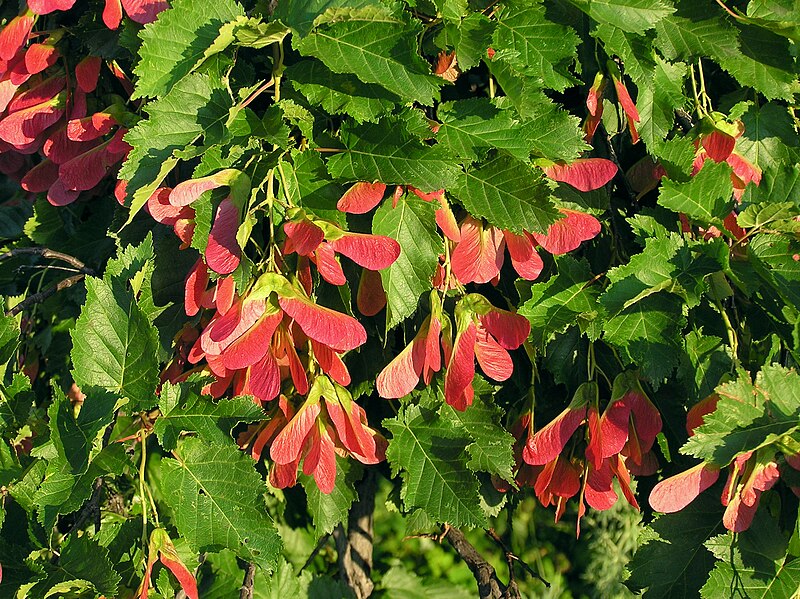
Tartar Maple (Acer tataricum) is a charming small ornamental tree prized for its adaptability, attractive foliage, colorful seed clusters, and brilliant autumn display. Native to southeastern Europe and western Asia, this hardy maple has become a favorite landscape tree due to its manageable size, drought tolerance, and ability to thrive in a wide range of growing conditions.
Unlike many larger maples, Tartar Maple fits comfortably into smaller residential landscapes while still providing year-round interest. Spring brings clusters of creamy white flowers, followed by showy red samaras (winged seeds) that often persist into summer. In autumn, the foliage transforms into vibrant shades of scarlet, orange, and crimson, creating one of the finest fall displays among small ornamental trees.
⭐⭐⭐⭐⭐ Landscape Tree Rating: 5 out of 5 Stars Plant Characteristics- Botanical Name: Acer tataricum
- Common Names: Tartar Maple, Tatarian Maple
- Plant Type: Small Deciduous Tree or Large Shrub
- Mature Height: 15 to 25 feet
- Mature Spread: 15 to 20 feet
- Growth Rate: Moderate
- Sun Exposure: Full Sun to Partial Shade
- USDA Zones: 3-8
Tartar Maple's compact size and outstanding seasonal interest make it ideal for modern landscapes where space may be limited.
- Specimen lawn tree
- Small yard shade tree
- Foundation planting
- Street tree
- Patio tree
- Wildlife gardens
- Mixed borders
- Urban landscapes
Tartar Maple is highly adaptable and tolerates urban conditions better than many ornamental trees. It performs well in areas with heat, drought, wind, and occasional poor soils, making it an excellent low-maintenance landscape choice.
Germination InformationTartar Maple seeds require cold stratification for successful germination.
- Soak seeds in water for 24 hours.
- Place in moist peat moss or vermiculite.
- Cold stratify for 90 to 120 days at 34-40°F.
- Sow ½ inch deep in well-drained soil.
- Maintain temperatures of 65-75°F after planting.
- Germination generally occurs within several weeks after stratification.
Tartar Maple thrives in a wide variety of soils and growing conditions. It tolerates drought better than many maple species once established and requires relatively little maintenance.
- Adaptable to most soil types
- Excellent cold hardiness
- Good drought tolerance
- Tolerates urban pollution
- Low maintenance tree
Although adaptable, the brightest fall color typically develops when planted in full sun.
Container GrowingYoung Tartar Maples can be successfully grown in large containers for several years. Their naturally compact growth habit makes them more suitable for container culture than many larger maple species.
Pollinator ValueThe clusters of creamy white spring flowers attract numerous beneficial insects.
- Native bees
- Honeybees
- Butterflies
- Beneficial pollinators
The flowers are an excellent early-season nectar source.
Wildlife BenefitsThe tree provides both food and shelter for various wildlife species.
- Seeds consumed by birds
- Nesting habitat
- Shelter for small wildlife
- Supports pollinator populations
- Provides seasonal cover
Native to regions stretching from southeastern Europe into western Asia, Tartar Maple has been cultivated in ornamental landscapes for centuries. Its adaptability and ornamental value helped it become widely planted throughout Europe and North America.
The species has also contributed to the development of several popular ornamental maple cultivars prized for exceptional fall color.
Botanical Facts- Member of the Sapindaceae family.
- Produces distinctive red winged seed clusters.
- Often develops outstanding scarlet fall color.
- More drought tolerant than many maple species.
- Can be grown as either a multi-stem shrub or single-trunk tree.
Plant Tartar Maple in full sun whenever possible to maximize flowering, seed color, and fall foliage intensity. Occasional deep watering during extended droughts will help maintain vigor and appearance.
Seedman NoteTartar Maple offers the beauty and seasonal interest of larger maples in a size that fits comfortably into almost any landscape. Its attractive flowers, colorful seed clusters, brilliant autumn foliage, and rugged adaptability make it one of the finest small ornamental trees available for homeowners seeking year-round landscape value.
Historical Seedman Fact: The bright red samaras of Tartar Maple are often so colorful that many gardeners mistake them for flowers. These ornamental seed clusters can remain attractive for weeks and add an extra season of beauty between spring flowering and autumn color.
For over a thousand more unique seed varieties, all in stock and ready to ship, visit our Seed Catalog Index Page .

Contact Us | Privacy Policy | About Us
Serving gardeners since 1992
State of Mississippi Seedmen's Permit #C-391, Ohio 90152, Minnesota 20086777