
African Wisteria Tree Seeds
Landscape Rating: ⭐⭐⭐⭐⭐ (5/5 Stars)
Plant CharacteristicsAfrican Wisteria Tree is one of the most beautiful small flowering trees from southern Africa, admired for its graceful form, delicate foliage, and breathtaking cascades of lavender-blue flowers. Native to South Africa, Botswana, Zimbabwe, and nearby regions, this ornamental tree creates the look of wisteria blooms on a true tree rather than a climbing vine.
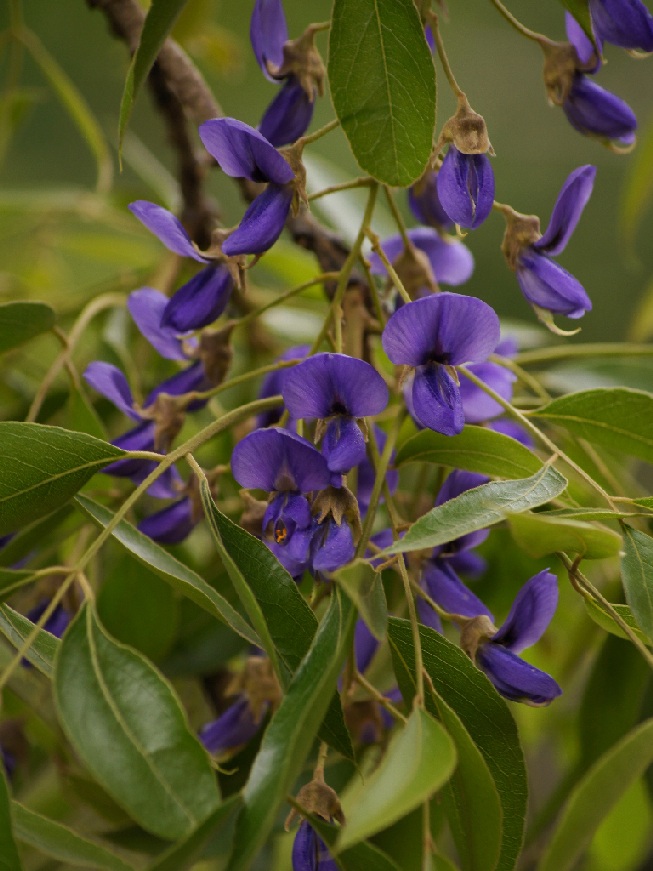
Mature specimens typically grow 20 to 35 feet tall, forming a rounded to spreading canopy with finely divided, fern-like foliage. During bloom season, the branches become decorated with hanging clusters of violet, lilac, lavender, or bluish-purple flowers that resemble miniature wisteria racemes.
The flowers often appear before or with new foliage, allowing the soft purple color to stand out beautifully against the branching structure. Following bloom, slender seed pods develop, adding another botanical feature typical of its legume family heritage.
Its refined size, elegant flowers, and unusual character make African Wisteria Tree an outstanding specimen for warm-climate lawns and collector landscapes.
Landscape Uses- Specimen lawn tree
- Flowering focal point
- Tropical and subtropical gardens
- Courtyard landscapes
- Patio shade tree
- Pollinator gardens
- Collector tree plantings
- Dry-climate ornamental landscapes
When planted as a standalone specimen, African Wisteria Tree provides a delicate, artistic appearance while delivering one of the most charming purple-flowered displays among small trees.
Important Landscape NoteAfrican Wisteria Tree performs best in warm climates with full sun and excellent drainage. It should be protected from hard freezes, especially while young, and planted where its graceful branching and hanging flower clusters can be easily admired.
Germination Information- Scarify the hard seed coat before sowing.
- Soak seeds in warm water for 12-24 hours.
- Sow approximately ¼ to ½ inch deep in a well-drained seed-starting mix.
- Maintain temperatures between 70-85°F.
- Keep lightly moist but never waterlogged.
- Germination generally occurs within 2-6 weeks.
- Botanical Name: Bolusanthus speciosus
- Plant Type: Deciduous Flowering Tree
- USDA Zones: 9-11
- Sun Exposure: Full Sun
- Mature Height: 20-35 Feet
- Mature Spread: 15-30 Feet
- Growth Rate: Moderate
- Soil Preference: Well-drained soils
- Water Requirements: Low to Moderate once established
African Wisteria Tree thrives in sunny, well-drained locations and tolerates heat and seasonal dryness once established. It performs best in soils that do not remain soggy, making it well suited to warm regions where good drainage is available.
Container GrowingYoung trees can be grown in large containers for several years and make attractive patio or conservatory specimens. Container-grown plants should be given excellent drainage, full sun, and protection from freezing temperatures in colder climates.
Pollinator & Wildlife ValueThe lavender-blue flowers attract bees, butterflies, and other beneficial pollinators. During bloom, the tree becomes an elegant nectar source and brings movement and color to the garden.
Birds may use the branching canopy for shelter and perching, while the flowers help support warm-season pollinator activity.
Historical & Cultural SignificanceAfrican Wisteria Tree has long been admired in southern Africa for its beauty, fine-grained wood, and ornamental value. In its native range, it is often associated with savanna woodlands and warm, open landscapes where seasonal flowering trees create dramatic displays after dry periods.
The genus name honors Harry Bolus, a noted South African botanist and plant collector whose work helped document many of the region's remarkable native plants. The species name speciosus means showy or beautiful, a fitting description for this elegant flowering tree.
Botanical Facts- Member of the Legume Family (Fabaceae).
- Native to southern Africa.
- Produces hanging clusters of lavender-blue, wisteria-like flowers.
- Develops slender seed pods after bloom.
- Features attractive finely divided foliage.
- Can fix nitrogen through its association with soil bacteria.
African Wisteria Tree is an excellent choice for gardeners who want something rare, graceful, and memorable. Its cascading purple flowers create a romantic wisteria-like effect without needing a trellis, arbor, or heavy vine support.
Additional Seedman NoteFew small trees create the same sense of surprise as African Wisteria Tree in bloom. Visitors often assume the flowers belong to a climbing wisteria vine until they realize the display is coming from a true tree. That unusual combination of tree form and hanging lavender blossoms makes Bolusanthus speciosus a standout for collectors and warm-climate landscapes.
For additional growing details, see our African Wisteria Tree Seeds AI fact sheet.
For over a thousand more unique seed varieties, all in stock and ready to ship, visit our Seed Catalog Index Page .

Contact Us | Privacy Policy | About Us
Serving gardeners since 1992
State of Mississippi Seedmen's Permit #C-391, Ohio 90152, Minnesota 20086777