
Cape Aloe Seeds
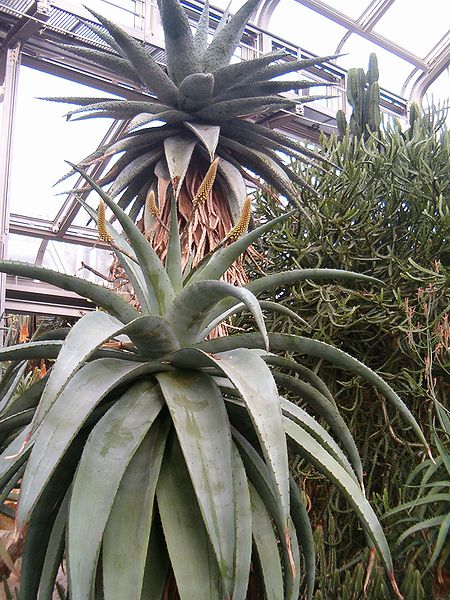

Cape Aloe is one of the most famous and historically important aloe species in the world. Native to South Africa, this magnificent tree-form succulent is admired for its towering stature, massive rosettes of spiny blue-green leaves, and spectacular displays of brilliant orange-red flowers.
For centuries, Cape Aloe has been valued not only for its ornamental beauty but also for its traditional medicinal uses. Long before the modern popularity of Aloe vera, Aloe ferox was harvested and traded extensively for its beneficial leaf compounds, earning a reputation as one of Africa's most valuable medicinal plants.
Today, it remains one of the finest ornamental aloes available, combining dramatic architectural form, exceptional drought tolerance, and breathtaking floral displays.
Plant Characteristics- Botanical Name: Aloe ferox
- Common Names: Cape Aloe, Bitter Aloe, Red Aloe
- Plant Type: Tree-form succulent
- Mature Height: 8 to 15 feet
- Mature Width: 4 to 8 feet
- Growth Rate: Moderate
- USDA Zones: 9 to 11
- Foliage Color: Gray-green to blue-green
- Flower Color: Orange-red, scarlet, or yellow-orange
Cape Aloe is ideal for xeriscape gardens, Mediterranean landscapes, succulent collections, desert gardens, coastal landscapes, and dramatic specimen plantings.
Its impressive size and bold form make it a natural focal point in the landscape.
Mature specimens provide year-round architectural interest.
Germination InformationSeeds germinate readily when warmth and moisture are provided.
- Sow seeds on the surface of a well-drained cactus mix.
- Lightly cover with fine sand.
- Maintain temperatures between 70 and 85°F.
- Keep evenly moist but not saturated.
- Provide bright indirect light.
- Germination generally occurs within 2 to 6 weeks.
Cape Aloe thrives in full sun and exceptionally well-drained soil.
Once established, plants are highly drought tolerant and require very little supplemental irrigation.
Good drainage is critical for long-term success.
The species performs particularly well in hot, sunny climates where many other ornamentals struggle.
Container GrowingYoung plants can be successfully grown in containers for several years.
Mature specimens eventually require landscape planting due to their substantial size.
Use a fast-draining cactus mix and avoid excessive watering.
Pollinator ValueThe abundant nectar-rich flowers attract hummingbirds, bees, butterflies, and numerous beneficial pollinators.
Blooming typically occurs during winter when nectar sources are often limited.
The flowers provide valuable food resources for wildlife.
Wildlife ValueLarge flowering plants become important nectar sources for birds and pollinating insects.
The dense flower spikes support biodiversity and help sustain pollinator populations.
Mature specimens often attract wildlife from considerable distances.
Historical and Cultural FactsCape Aloe has been harvested and traded for medicinal purposes for hundreds of years.
During the eighteenth and nineteenth centuries, Aloe ferox products became an important export from South Africa.
The species remains one of the most economically important aloes in cultivation.
Traditional communities have long valued the plant for a variety of practical and medicinal applications.
Botanical Facts- Member of the Asphodelaceae family.
- One of the largest aloe species in cultivation.
- Leaves are armed with reddish-brown spines on both margins and surfaces.
- Develops a stout trunk with age.
- Flower stalks may carry thousands of blossoms.
- Closely related to Aloe vera but considerably larger.
Mature plants produce multiple upright flower spikes that rise dramatically above the foliage.
The dense flower clusters create spectacular displays of orange-red color during winter and early spring.
Large specimens in bloom are among the most impressive sights in the succulent world.
Drought ToleranceOnce established, Cape Aloe exhibits exceptional drought tolerance.
Its thick succulent leaves efficiently store water, allowing it to thrive in arid and semi-arid climates.
It is an outstanding choice for water-wise landscapes and xeriscape gardens.
Medicinal HistoryAloe ferox has a long history of traditional medicinal use and remains commercially important today.
The leaf sap contains compounds that have been harvested and utilized for generations.
Many herbal preparations marketed as Cape Aloe originate from this species.
Seedman's NoteCape Aloe combines everything gardeners love about aloes—dramatic form, spectacular flowers, drought tolerance, and fascinating history. It is truly one of the giants of the aloe world.
Additional Seedman's NoteIf you're searching for a large specimen aloe with outstanding ornamental value and a rich historical legacy, Cape Aloe is an exceptional choice. Its towering flower spikes and majestic form make it one of the most rewarding succulent trees available from seed.
For over a thousand more unique seed varieties, all in stock and ready to ship, visit our Seed Catalog Index Page .

Contact Us | Privacy Policy | About Us
Serving gardeners since 1992
State of Mississippi Seedmen's Permit #C-391, Ohio 90152, Minnesota 20086777