
Tree Fern Asparagus Seeds
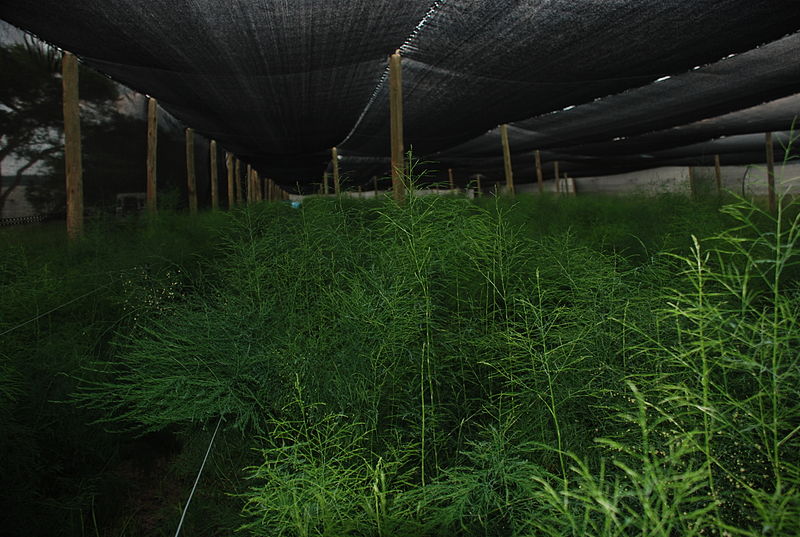
Tree Fern Asparagus is a graceful and unusual foliage plant prized for its airy, fern-like appearance and elegant upright growth habit. Although commonly called a "Tree Fern," Asparagus virgatus is not a true fern at all. Instead, it belongs to the asparagus family and combines the delicate beauty of a fern with the durability and adaptability of a hardy tropical houseplant.
Its finely textured foliage creates a soft, feathery appearance that adds elegance and movement to indoor plant collections. The plant's unique structure and architectural form make it an excellent specimen for homes, offices, conservatories, and bright indoor spaces.
Why Grow Tree Fern Asparagus?- Beautiful feathery foliage creates a soft, elegant appearance.
- Unique tree-like growth habit.
- Excellent specimen plant for indoor growing.
- Adds texture and contrast to tropical displays.
- Long-lived and relatively easy to maintain.
- Outstanding collector's foliage plant.
Despite its common name, Tree Fern Asparagus is actually a member of the asparagus family. The delicate green structures that resemble fern fronds are specialized stems known as cladodes, which perform the work of leaves while giving the plant its characteristic feathery appearance.
This unusual adaptation helps create the plant's distinctive texture while allowing it to tolerate conditions that would challenge many true ferns.
Native OriginsAsparagus virgatus is native to southern Africa, where it grows in warm climates among grasslands, woodland edges, and lightly shaded habitats. Its natural environment has equipped it to handle a variety of growing conditions while maintaining its graceful appearance.
These origins help explain why the plant adapts so readily to container culture and indoor growing.
Historical and Botanical InterestThe genus Asparagus contains hundreds of species ranging from ornamental foliage plants to the familiar edible garden asparagus. Several ornamental members of the genus have become highly valued as houseplants because of their attractive foliage and dependable performance.
Tree Fern Asparagus is one of the most elegant members of this fascinating group.
Growing as a Houseplant- Light: Bright indirect light is ideal.
- Water: Keep soil evenly moist but not saturated.
- Soil: Rich, well-drained potting mix.
- Humidity: Appreciates moderate humidity.
- Temperature: Prefers warm indoor conditions.
- Fertilizer: Feed lightly during active growth.
Tree Fern Asparagus performs exceptionally well in decorative containers where its graceful form can be appreciated. As plants mature, they may develop a more upright, almost miniature tree-like structure that enhances their ornamental value.
The fine-textured foliage softens indoor spaces and creates an attractive contrast with broad-leaved tropical plants.
Indoor Decorating ValueFew houseplants offer the same degree of texture and delicacy. The airy foliage helps create a relaxed, natural atmosphere and blends beautifully with palms, philodendrons, monsteras, and flowering houseplants.
Its light, feathery appearance makes it especially valuable in mixed plant displays where contrast is desired.
Flowers and BerriesMature plants may occasionally produce small white flowers followed by decorative berries. While the flowers are subtle, they add another layer of interest to an already attractive foliage plant.
The berries often attract attention because they contrast nicely with the delicate green foliage.
Seed GerminationSow seeds in a moist, well-drained growing medium and provide warmth and bright indirect light. Keep evenly moist during germination. Young seedlings establish steadily and gradually develop the finely textured foliage characteristic of mature plants.
Ratings
Houseplant Appeal: ★★★★★
Foliage Texture: ★★★★★
Ease of Growing: ★★★★☆
Collector Interest: ★★★★☆
Conversation Value: ★★★★☆
Many people mistake Tree Fern Asparagus for a true fern, but it is actually more closely related to edible asparagus than to any fern species. Its delicate appearance hides a surprisingly resilient nature that allows it to thrive where many true ferns would struggle.
Tree Fern Asparagus combines feathery elegance, tropical charm, and dependable performance, making it one of the most graceful foliage plants available for indoor gardeners.
For additional growing details, see our Tree Fern Asparagus Seeds AI fact sheet.
For over a thousand more unique seed varieties, all in stock and ready to ship, visit our Seed Catalog Index Page .

Contact Us | Privacy Policy | About Us
Serving gardeners since 1992
State of Mississippi Seedmen's Permit #C-391, Ohio 90152, Minnesota 20086777