
Boabab Monkeybread Tree Seeds
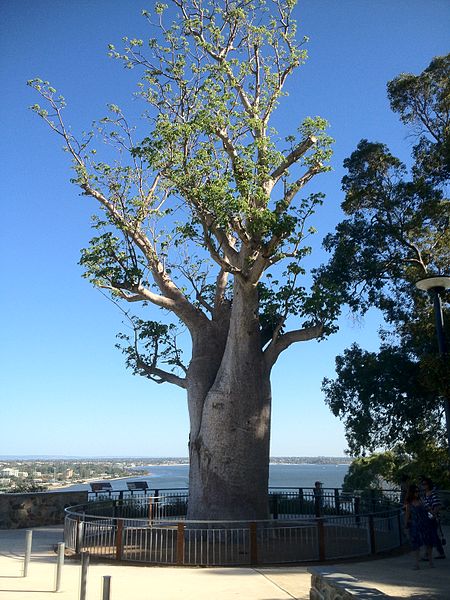
★★★★★ Legendary Tree Rating: 5 out of 5 Stars
The Baobab Tree is one of the most famous and recognizable trees on Earth. Often called the "Tree of Life," this remarkable African giant is renowned for its enormous water-storing trunk, extraordinary longevity, nutritious fruit, and cultural importance. Few trees inspire as much awe as a mature Baobab, whose massive swollen trunk and spreading branches create a silhouette unlike any other tree in the world.
Known as the Lemonade Tree because of the tangy flavor of its fruit pulp and Monkeybread Tree because monkeys and wildlife eagerly consume its fruits, Adansonia digitata has supported both wildlife and human communities across Africa for thousands of years.
Plant Characteristics- Botanical Name: Adansonia digitata
- Common Names: Baobab Tree, Monkeybread Tree, Lemonade Tree, Tree of Life
- Plant Type: Deciduous tropical tree
- Mature Height: 40 to 80 feet
- Mature Spread: 30 to 80 feet
- Growth Rate: Moderate
- USDA Zones: 10 to 12
- Flower Color: Large white flowers
- Foliage: Palmately divided green leaves
Baobab serves as one of the world's ultimate specimen trees. It is ideal for botanical gardens, tropical landscapes, xeriscapes, collector's gardens, and large properties where its unique trunk and architecture can be fully appreciated.
Even young trees quickly become conversation pieces and develop the distinctive swollen trunk that makes Baobabs famous worldwide.
Germination InformationBaobab seeds benefit from scarification to improve germination.
- Nick or lightly sand the hard seed coat.
- Soak seeds in warm water for 24 to 48 hours.
- Sow approximately 1/2 inch deep.
- Use a well-drained sandy germination mix.
- Maintain temperatures between 75 and 95°F.
- Keep lightly moist but never saturated.
- Germination typically occurs within 2 to 8 weeks.
Baobabs thrive in full sun and well-drained soils. Once established, they are highly drought tolerant and capable of surviving extended dry periods by storing water within their enormous trunks.
Young plants grow best with regular moisture during the growing season, but mature trees prefer dry conditions and excellent drainage. Overwatering is one of the few things that can seriously harm a Baobab.
In cooler climates, trees may become dormant during winter and lose their leaves.
Container GrowingBaobabs are surprisingly well-suited for container culture while young and are often grown as bonsai specimens. Their naturally swollen trunks and sculptural appearance make them highly desirable container plants.
Use a very well-drained soil mix and allow the soil to dry between waterings. Container-grown specimens can remain attractive for many years.
Pollinator ValueThe large white flowers open primarily at night and are pollinated by bats, moths, and other nocturnal pollinators. The flowers produce abundant nectar and play an important ecological role within their native habitat.
Wildlife ValueFew trees support wildlife as extensively as the Baobab. Birds nest in hollow trunks, monkeys and other mammals consume the fruit, while countless insects, reptiles, and small animals utilize the tree for shelter.
Ancient Baobabs often function as miniature ecosystems supporting entire communities of wildlife.
Historical and Cultural FactsBaobabs have been revered throughout Africa for centuries and are deeply woven into local folklore, traditions, and daily life.
Many trees are believed to be over 1,000 years old, while some specimens may exceed 2,000 years in age.
African legends often describe the Baobab as the "upside-down tree" because its branches resemble roots reaching toward the sky.
Entire communities have historically used hollow Baobab trunks as shelters, water reservoirs, meeting places, storage buildings, and even chapels.
Botanical Facts- Member of the Malvaceae family.
- Native throughout much of sub-Saharan Africa.
- Trunks can exceed 30 feet in diameter.
- Capable of storing thousands of gallons of water.
- Produces large velvety fruits rich in Vitamin C, antioxidants, calcium, and fiber.
- Leaves, fruit, seeds, bark, and roots all have traditional uses.
The Baobab is not simply a tree—it is a living monument. Few plants on Earth possess such a combination of beauty, history, usefulness, and sheer presence. Every Baobab planted today has the potential to become a treasured legacy for future generations.
Additional Seedman's NoteIf you enjoy growing unusual plants, Baobab should be near the top of your list. Whether cultivated as a container specimen, bonsai subject, or landscape tree in suitable climates, its distinctive swollen trunk and fascinating history make it one of the most rewarding trees a gardener can grow.
For additional growing details, see our Boabab Monkeybread Tree Seeds AI fact sheet.
For over a thousand more unique seed varieties, all in stock and ready to ship, visit our Seed Catalog Index Page .

Contact Us | Privacy Policy | About Us
Serving gardeners since 1992
State of Mississippi Seedmen's Permit #C-391, Ohio 90152, Minnesota 20086777