
Sugar Beet Seeds
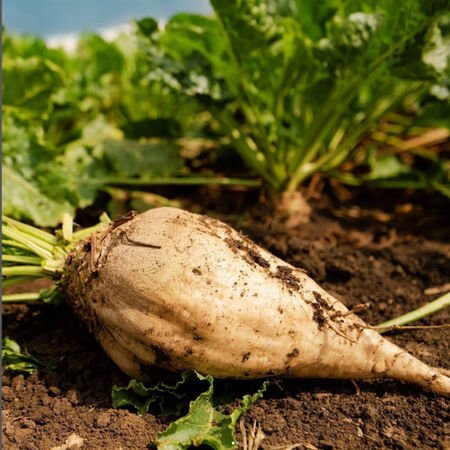
Sugar Beet is one of the world's most important agricultural crops, supplying roughly one-fifth of the global sugar production while also serving as an outstanding dual-purpose garden vegetable. Developed specifically for its exceptionally high natural sugar content, Sugar Beets produce large white to cream-colored roots packed with sucrose that can be processed into table sugar, syrups, and sweeteners. In addition to their historical importance, the roots are edible, the leafy greens are nutritious, and the plants provide excellent livestock feed, making Sugar Beet one of the most versatile crops a gardener can grow.
Flavor Profile
Fresh Sugar Beet roots have a surprisingly mild, sweet flavor with a crisp texture. Young roots may be roasted, boiled, or added to soups, while mature roots contain high concentrations of natural sucrose. The greens have a pleasant flavor similar to Swiss chard and are excellent when steamed or sautéed.
Growing Information
Sow seeds directly outdoors in early spring after the soil becomes workable. Plant seeds ½ inch deep and 2 inches apart in rows spaced 18–24 inches apart. Thin seedlings to 8–10 inches apart to allow the large roots to develop fully. Consistent moisture and deep, stone-free soil encourage maximum root size and the highest sugar content.
Harvest & Storage
Harvest roots after cool autumn temperatures have increased their natural sugar concentration. Remove the leafy tops, leaving about 1 inch of stem attached, and store roots in a cool, humid location where they will remain fresh for several months. The greens are best harvested while young and tender.
Quick Facts
| Botanical Name | Beta vulgaris |
| Plant Type | Cool-season root vegetable |
| Root Shape | Large Tapered Root |
| Root Color | White to Cream |
| Days to Harvest | 90–110 days |
| Sun Requirements | Full Sun |
| Harvest Uses | Roots and Greens |
| Difficulty | Easy |
For over a thousand more unique seed varieties, all in stock and ready to ship, visit our Seed Catalog Index Page .

Contact Us | Privacy Policy | About Us
Serving gardeners since 1992
State of Mississippi Seedmen's Permit #C-391, Ohio 90152, Minnesota 20086777