
Ole Southern Black Mustard Seeds
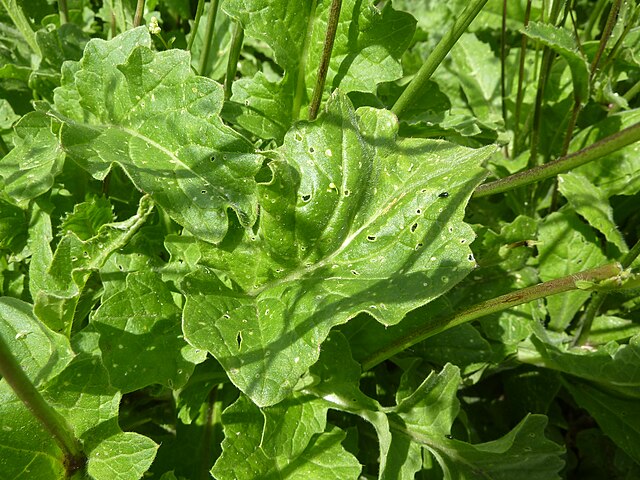
In the palm of His hand rested one of the smallest seeds in the garden.
As Jesus stood before the crowds gathered on the hillsides of Galilee, He pointed to something every farmer recognized—a tiny black mustard seed. So small it could easily be lost between one's fingertips, the seed seemed almost insignificant. Yet everyone listening knew what would happen when it was planted. Within a single growing season, that tiny seed would develop into a towering mustard plant, rising high above neighboring herbs and filling the countryside with bright yellow blossoms. From one of nature's smallest seeds, Jesus illustrated one of His greatest lessons about faith and the Kingdom of God.
Black Mustard grew naturally throughout the Mediterranean region and was a familiar sight in the fields and villages of ancient Israel. Farmers valued it as both a culinary and medicinal herb, harvesting its leaves for fresh greens and its tiny seeds for seasoning and preserving foods. Its astonishing growth made it one of the most recognizable plants in the countryside, transforming from an almost invisible seed into a large, branching plant that provided shelter for small birds among its sturdy stems. This remarkable transformation perfectly illustrated the growth of God's Kingdom from humble beginnings.
Today, Southern Black Mustard remains one of the easiest and most rewarding annual herbs to grow. Its vigorous plants produce masses of cheerful golden flowers that attract honeybees, butterflies, hoverflies, and numerous beneficial insects throughout the growing season. The young leaves can be harvested as flavorful mustard greens, while mature seeds provide the familiar spicy seasoning enjoyed around the world. Easy to grow in sunny gardens, Black Mustard offers beauty, usefulness, and remarkable historical significance in one versatile plant.
Few herbs connect modern gardeners more directly to the teachings of Jesus than Black Mustard. Every tiny seed planted becomes a living reminder that greatness often begins in the smallest and most unexpected ways. Whether grown for its edible greens, flavorful seeds, abundant pollinator activity, or profound Biblical symbolism, Black Mustard remains one of the most meaningful plants in any Bible Garden.
Specifications
- Botanical Name: Brassica nigra
- Common Name: Southern Black Mustard
- Plant Type: Annual herb
- Height: 4–10 feet under favorable growing conditions
- Spread: 18–36 inches
- Growth Rate: Fast
- Sun Requirements: Full sun
- Soil Preference: Well-drained, fertile soil
- Water Requirements: Moderate
- USDA Zones: Grown as an annual in all climates
- Uses: Culinary herb, mustard greens, spice production, pollinator gardens, Biblical gardens, wildlife gardens
- Wildlife Value: Flowers attract honeybees, native bees, butterflies, hoverflies, and many other beneficial pollinating insects.
Biblical Significance
Black Mustard is widely regarded by Biblical scholars as the most likely species referred to in Christ's famous Parable of the Mustard Seed. Jesus used the extraordinary contrast between its tiny seed and its impressive mature size to illustrate the remarkable growth of God's Kingdom from the smallest beginnings. The familiar plant served as a perfect teaching example because everyone listening had watched mustard spring from a nearly invisible seed into one of the tallest herbs growing in the countryside.
Selected Bible References
- Matthew 13:31–32 — The Parable of the Mustard Seed.
- Mark 4:30–32 — Jesus compares the Kingdom of God to a mustard seed.
- Luke 13:18–19 — The mustard seed grows into a large plant where birds find shelter.
- Matthew 17:20 — Faith compared to a mustard seed.
- Luke 17:6 — Even faith as small as a mustard seed can accomplish great things.
Life in Biblical Times
Imagine walking beside the fields surrounding Capernaum during the spring growing season. Bright yellow mustard blossoms stretched across the landscape while bees moved busily from flower to flower collecting nectar. Farmers harvested tender young leaves for the family table while allowing other plants to mature for their valuable seeds. Children recognized the tiny black seeds that seemed almost too small to notice, yet everyone understood how astonishingly large the plants would become before summer's end. It was this familiar transformation that Jesus used to teach one of His most enduring lessons about faith, hope, and God's Kingdom.
Did You Know?
A Black Mustard seed measures only about one to two millimeters across, yet under favorable growing conditions the plant may reach heights of eight to ten feet in a single season. This dramatic contrast between tiny seed and towering plant made it the perfect illustration for one of Christ's best-loved parables.
Seedman Notes
Southern Black Mustard stands among the most meaningful plants in the entire Bible Garden collection. Its tiny seed inspired some of the greatest teachings recorded in the Gospels, while its usefulness as both a culinary herb and flowering garden plant has endured for thousands of years. We are especially pleased to offer Brassica nigra, the species most widely recognized by Biblical scholars as the traditional mustard of Scripture, allowing gardeners to grow a living reminder that even the smallest beginnings can produce extraordinary results.
For over a thousand more unique seed varieties, all in stock and ready to ship, visit our Seed Catalog Index Page .

Contact Us | Privacy Policy | About Us
Serving gardeners since 1992
State of Mississippi Seedmen's Permit #C-391, Ohio 90152, Minnesota 20086777