
Cedar of Lebanon Seeds
The sound of bronze axes echoed through the mountains of Lebanon.
High upon the rugged slopes of ancient Lebanon stood forests unlike any in the known world. Their towering cedars, some reaching heights of more than one hundred feet, were prized for their strength, fragrance, and remarkable resistance to decay. When King Solomon prepared to build the Temple in Jerusalem, he sent messengers north to King Hiram of Tyre, requesting these magnificent trees for one of history's greatest building projects. Carefully cut by skilled woodsmen, the massive cedar logs were floated along the Mediterranean coast before beginning their final journey to Jerusalem, where they became part of the Temple that would stand as the spiritual heart of Israel. Few trees have ever been associated with such majesty, craftsmanship, and reverence as the Cedar of Lebanon.
Throughout the Bible, the Cedar of Lebanon became the ultimate symbol of strength, permanence, dignity, and greatness. Prophets, kings, and poets repeatedly used the mighty cedar to illustrate God's power, the prosperity of nations, and the character of righteous people. Its rich aroma filled palaces and temples, while its durable timber became the finest construction wood of the ancient world. To own cedar was a mark of wealth; to build with cedar was considered an honor reserved for the greatest works.
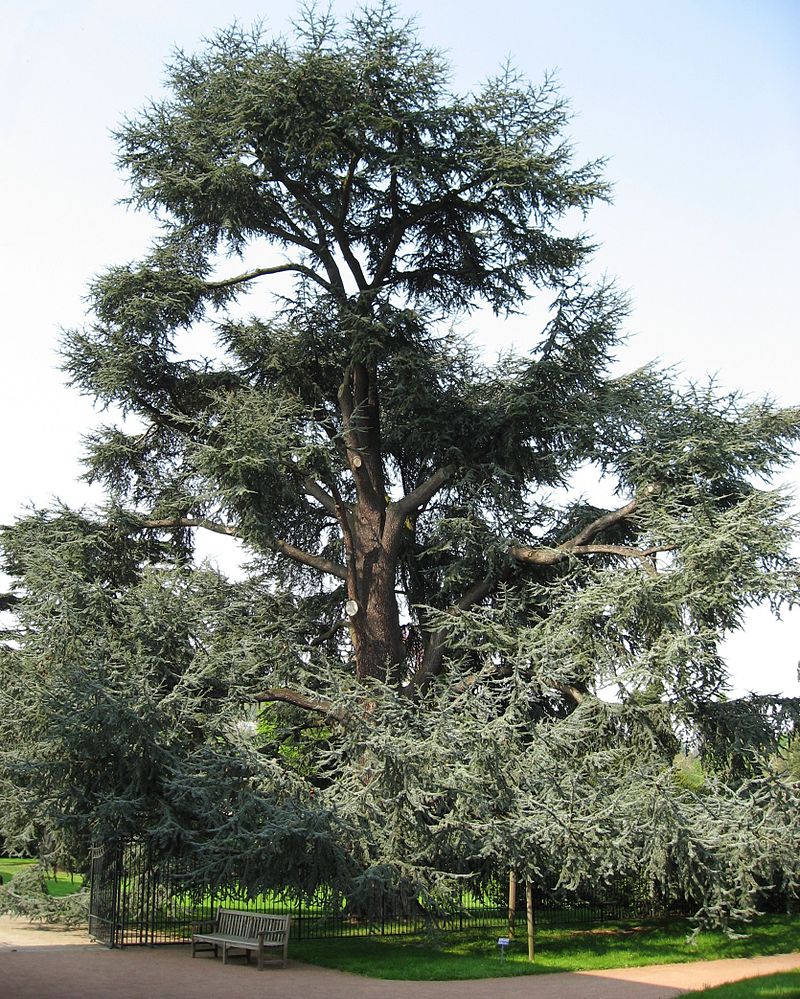
Today, the Cedar of Lebanon continues to inspire gardeners with the same timeless qualities that captivated ancient civilizations. Its broad, majestic crown, layered horizontal branches, and deep green evergreen needles create one of the most impressive specimen trees available. Slow-growing yet extraordinarily long-lived, Cedrus libani eventually develops into a magnificent landscape centerpiece capable of providing beauty for centuries. Once established, it tolerates drought remarkably well and withstands heat, cold, wind, and poor soils with impressive resilience.
Beyond its historic significance, the Cedar of Lebanon is simply one of the world's finest ornamental conifers. The graceful architecture becomes increasingly dramatic with age as wide-spreading branches form picturesque horizontal tiers. Its dense evergreen canopy provides valuable shelter for birds and wildlife while offering year-round beauty in parks, estates, and large home landscapes. Few trees combine such extraordinary beauty, remarkable longevity, and historical importance quite like the legendary Cedar of Lebanon.
Specifications
- Botanical Name: Cedrus libani
- Common Name: Cedar of Lebanon
- Plant Type: Evergreen conifer
- Height: 40–80 feet (occasionally larger with great age)
- Spread: 35–60 feet
- Growth Rate: Slow to moderate
- Sun Requirements: Full sun
- Soil Preference: Well-drained soil; adaptable to rocky, alkaline, and poor soils
- Water Requirements: Moderate during establishment; drought tolerant once mature
- USDA Zones: 5–9
- Uses: Specimen tree, estate landscapes, parks, Biblical gardens, evergreen screening, historic gardens
- Wildlife Value: Provides nesting habitat and year-round shelter for birds and other wildlife.
Biblical Significance
No tree is mentioned more often in connection with majesty and greatness than the Cedar of Lebanon. King Solomon selected its magnificent timber for constructing both the Temple and his royal palace, recognizing it as the finest building material available. Throughout Scripture, the cedar became a symbol of strength, stability, honor, righteousness, and the greatness of God's creation. Prophets frequently compared mighty kingdoms to towering cedars, while the Psalms describe the righteous flourishing like the cedars of Lebanon. The tree remains one of the most recognizable botanical symbols found throughout the Bible.
Selected Bible References
- 1 Kings 5 — Solomon requests cedar timber from Lebanon for the Temple.
- 1 Kings 6 — Cedar used throughout the construction of the Temple.
- 2 Chronicles 2 — King Hiram supplies cedar logs.
- Psalm 92:12 — "The righteous... shall grow like a cedar in Lebanon."
- Psalm 104:16 — "The trees of the Lord are full of sap; the cedars of Lebanon..."
- Isaiah 2:13 — The lofty cedars symbolize greatness.
- Ezekiel 31 — The cedar used as a symbol of power and magnificence.
- Hosea 14:5–6 — Israel compared to the beauty of Lebanon.
Life in Biblical Times
Harvesting cedar timber was among the greatest engineering projects of the ancient world. Skilled lumbermen carefully selected enormous trees growing high in the mountains before felling them with bronze and iron tools. The massive logs were dragged downhill, assembled into floating rafts, and transported along the Mediterranean coast before continuing overland to Jerusalem. Their fragrant wood lined the walls of Solomon's Temple and royal palace, where its beauty and durability became lasting symbols of excellence. For generations, the scent of cedar greeted worshippers entering one of the most magnificent buildings of the ancient world.
Did You Know?
Some Cedar of Lebanon trees living today are estimated to be more than 1,500 years old. Although the vast forests that once covered Lebanon have greatly diminished, a number of ancient groves remain protected, preserving one of the world's oldest and most historically celebrated tree species.
Seedman Notes
Few trees inspire the imagination quite like the Cedar of Lebanon. For thousands of years it has symbolized strength, wisdom, permanence, and faith, while standing among the most beautiful evergreen trees ever cultivated. Planting a Cedar of Lebanon is more than adding another tree to the landscape—it is growing a living descendant of the forests that supplied Solomon's Temple and became one of Scripture's greatest symbols of majesty. Properly planted, this magnificent evergreen may become a treasured landmark for generations yet to come.
Germination: 30-50%.
For over a thousand more unique seed varieties, all in stock and ready to ship, visit our Seed Catalog Index Page .

Contact Us | Privacy Policy | About Us
Serving gardeners since 1992
State of Mississippi Seedmen's Permit #C-391, Ohio 90152, Minnesota 20086777