
Chairmaker's Rush Seeds
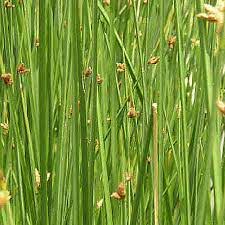
Long before furniture factories existed, skilled hands transformed humble rushes into everyday necessities.
Along the marshes, riverbanks, and wetlands of the ancient Near East, dense stands of rushes swayed gently in the breeze. To many people they appeared to be simple reeds, yet to craftsmen they were one of nature's most valuable resources. Families gathered armfuls of sturdy stems, dried them beneath the warm sun, and carefully wove them into chairs, baskets, floor mats, sleeping mats, storage containers, and countless household items. Every village depended upon plants like these, quietly turning the wetlands into workshops that supplied the practical necessities of daily life.
Throughout the Bible, rushes, reeds, and bulrushes appear wherever water brought life to an otherwise dry landscape. Moses was placed in a basket among the reeds along the Nile River, while prophets frequently used reeds as familiar illustrations because everyone understood their appearance and usefulness. Although humble in appearance, these remarkable wetland plants supported entire communities by providing renewable building materials harvested year after year without exhausting the land.
Chairmaker's Rush continues this ancient tradition today with its handsome upright stems and exceptional adaptability to moist landscapes. Naturally thriving around ponds, streams, rain gardens, and wetlands, it provides strong vertical texture while helping stabilize soil and reduce erosion. The dense clumps create valuable habitat for birds, amphibians, beneficial insects, and countless other forms of wildlife while adding graceful movement whenever the wind passes through the stems.
Beyond its ornamental beauty, Chairmaker's Rush remains a reminder of humanity's long relationship with the natural world. Long before plastics, manufactured fabrics, or modern building materials, plants like these supplied the raw materials for everyday living. Today they continue to bring beauty, ecological value, and historical interest to water gardens and natural landscapes while preserving one of mankind's oldest craft traditions.
Specifications
- Botanical Name: Scirpus pungens
- Common Name: Chairmaker's Rush
- Plant Type: Perennial wetland plant
- Height: 24–48 inches
- Spread: 24–36 inches
- Growth Rate: Moderate
- Sun Requirements: Full sun to partial shade
- Soil Preference: Moist to wet soils; tolerates shallow standing water
- Water Requirements: High
- USDA Zones: 4–9
- Uses: Pond margins, rain gardens, wetlands, stream banks, erosion control, wildlife habitat, Biblical gardens
- Wildlife Value: Provides nesting habitat and shelter for birds while supporting beneficial insects and wetland wildlife.
Biblical Significance
Rushes, reeds, and bulrushes were familiar sights throughout Biblical lands wherever water was present. Although Scripture often refers generally to these wetland plants rather than individual species, they played an essential role in everyday life. Their strong, flexible stems were harvested to weave baskets, mats, ropes, and household furnishings, while marshes filled with reeds became settings for several memorable Biblical events. Chairmaker's Rush represents this important group of useful wetland plants that quietly supported ancient civilizations.
Selected Bible References
- Exodus 2:3–5 — Moses placed among the reeds along the Nile River.
- Isaiah 35:7 — Reeds flourishing where water brings new life.
- Isaiah 58:5 — The bending reed used as an illustration.
- Job 40:21 — Reeds providing shelter near marshes.
- Matthew 11:7 — "A reed shaken by the wind."
Life in Biblical Times
Imagine walking through a village marketplace nearly three thousand years ago. Skilled craftsmen sat beneath shaded shelters weaving freshly harvested rushes into sturdy baskets, woven chairs, sleeping mats, and storage containers. Children gathered bundles of stems from nearby marshes while older family members prepared them for weaving by drying and sorting each stalk according to size and flexibility. Almost every home contained useful items made from plants like these, making the wetlands an important source of renewable materials for everyday life throughout the Biblical world.
Did You Know?
For thousands of years, skilled artisans throughout Europe, the Middle East, and North Africa have woven rushes into durable chair seats—a craft that is still practiced today. Properly prepared rush can remain attractive and functional for decades, making it one of humanity's oldest sustainable building materials.
Seedman Notes
Chairmaker's Rush reminds us that many of the most important plants in the Bible were valued not for colorful flowers or delicious fruit, but for the practical ways they served everyday life. This handsome wetland perennial brings graceful beauty to ponds and rain gardens while preserving a living connection to one of mankind's oldest traditions of weaving and craftsmanship. It is an outstanding addition to any Biblical garden, especially when planted near water where its historical roots can be fully appreciated.
For over a thousand more unique seed varieties, all in stock and ready to ship, visit our Seed Catalog Index Page .

Contact Us | Privacy Policy | About Us
Serving gardeners since 1992
State of Mississippi Seedmen's Permit #C-391, Ohio 90152, Minnesota 20086777