
Common Dill Seeds
Every tiny seed was carefully counted.
In the gardens surrounding homes throughout ancient Judea, neat rows of fragrant herbs filled the warm air with their unmistakable aroma. Among them grew delicate stands of dill, their feathery foliage dancing gently in the breeze as tiny yellow flower clusters matured into valuable seed. Though humble in appearance, dill was so highly valued that faithful families carefully measured even the smallest harvests for tithing. Its importance became so well known that Jesus Himself used the herb to illustrate one of His most memorable lessons about true righteousness.
For centuries, dill flavored the daily meals of the Biblical world. Its aromatic leaves seasoned fresh foods while the seeds enhanced bread, vegetables, fish, and savory dishes throughout the Mediterranean and Middle East. More than simply a culinary herb, dill represented the careful attention that many people devoted to observing God's law. When Jesus spoke of those who meticulously tithed their "mint, dill, and cumin," He reminded His listeners that outward religious observance should never overshadow justice, mercy, and faithfulness.
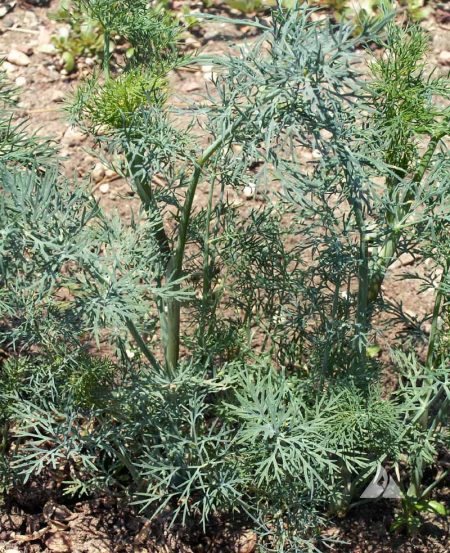
Today, Common Dill remains one of the easiest and most rewarding herbs to grow from seed. Its graceful blue-green foliage, airy yellow flower umbels, and distinctive fragrance bring beauty as well as usefulness to herb gardens and vegetable plots. The flowers attract an impressive variety of bees, butterflies, hoverflies, and other beneficial insects, making dill one of the finest companion plants for encouraging pollinators and natural predators throughout the garden.
Whether harvested fresh for its flavorful foliage or allowed to mature for its aromatic seeds, Common Dill continues a gardening tradition that stretches back thousands of years. Few herbs connect the modern gardener so directly with the kitchens, gardens, and teachings of the Biblical world while providing outstanding culinary and ecological value.
Specifications
- Botanical Name: Anethum graveolens
- Common Name: Common Dill
- Plant Type: Annual herb
- Height: 24–48 inches
- Spread: 12–18 inches
- Growth Rate: Fast
- Sun Requirements: Full sun
- Soil Preference: Well-drained, fertile soil
- Water Requirements: Moderate
- USDA Zones: Grown as an annual in all climates
- Uses: Culinary herb, pickling, herb gardens, companion planting, Biblical gardens, pollinator gardens
- Wildlife Value: Flowers attract honeybees, native bees, butterflies, hoverflies, parasitic wasps, and numerous other beneficial insects.
Biblical Significance
Although older English translations such as the King James Version use the word "anise," modern Biblical scholarship identifies the original Greek word in Matthew 23:23 as referring to dill. Jesus mentioned dill alongside mint and cumin while teaching that careful religious observance should never replace justice, mercy, and faithfulness. The passage illustrates how even the smallest herbs growing in household gardens were considered valuable enough to tithe under Jewish law.
Selected Bible References
- Matthew 23:23 — Jesus refers to "mint, dill, and cumin" while teaching about justice, mercy, and faithfulness. (Older English translations render dill as "anise.")
Life in Biblical Times
Imagine walking through the herb garden beside a modest home in first-century Judea. Fragrant dill grew alongside mint, cumin, and other useful herbs that flavored everyday meals and supplied household remedies. At harvest time, careful hands gathered the delicate seed heads before measuring a portion for the Temple tithe. Even these small bundles of herbs reflected a family's desire to faithfully observe God's commandments. The familiar sight and fragrance of dill became so much a part of daily life that Jesus used it to illustrate one of His most enduring teachings.
Did You Know?
For more than four hundred years, many English readers believed Jesus referred to "anise" because that is how the King James Bible translated Matthew 23:23. Today, nearly all Biblical scholars agree that the original Greek word actually identifies dill, one of the common culinary herbs grown throughout ancient Israel.
Seedman Notes
Common Dill is much more than a flavorful kitchen herb—it is a living reminder of the everyday gardens that surrounded homes throughout the Biblical world. Its delicate beauty, outstanding culinary value, remarkable ability to attract beneficial insects, and direct connection to the teachings of Jesus make it one of the most meaningful herbs in our Bible Garden collection. Whether grown for fresh leaves, aromatic seeds, or its fascinating place in Biblical history, Dill remains one of the most rewarding herbs a gardener can cultivate.
For over a thousand more unique seed varieties, all in stock and ready to ship, visit our Seed Catalog Index Page .