
Common Fig Seeds
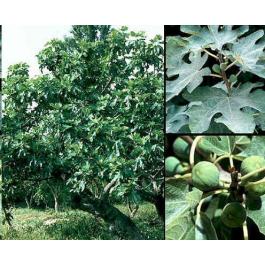
Beneath the broad leaves of a fig tree, generations found shade, food, and peace.
Few trees appear more often in the pages of Scripture than the Common Fig. From the very beginning of the Bible, fig leaves became the first clothing fashioned by Adam and Eve after the Fall. As the centuries passed, the fig tree came to symbolize prosperity, security, and God's blessing, its broad canopy offering welcome shade while its sweet fruit nourished families throughout the land of Israel. To sit beneath one's own vine and fig tree became one of the Bible's most enduring images of peace and contentment.
Throughout the Old and New Testaments, the fig tree appears as both a practical source of food and a powerful spiritual symbol. The prophets spoke of fruitful fig trees as signs of God's favor and barren trees as warnings of coming judgment. Jesus often taught using the familiar fig tree, encouraging His followers to observe its budding branches as a sign of changing seasons. One of His most memorable miracles involved the barren fig tree, using it as a living lesson about genuine faith and spiritual fruitfulness. Nathaniel was called while sitting beneath a fig tree, a quiet detail that reflects how common these beloved trees were throughout Judea.
Today, the Common Fig remains one of the world's finest fruit trees for home gardens. Its handsome lobed foliage creates dense summer shade, while the delicious fruits are prized fresh, dried, or preserved. Exceptionally drought tolerant once established and remarkably long-lived, fig trees thrive in warm climates with minimal care, rewarding gardeners with abundant harvests year after year. Their sculptural branching habit and attractive foliage make them beautiful landscape specimens as well as productive orchard trees.
Planting a fig tree today connects the gardener with more than four thousand years of history. From the gardens of Eden to the hillsides of Galilee, few plants have witnessed so much of the Biblical story. Whether grown for its outstanding fruit, handsome appearance, or extraordinary place in Scripture, the Common Fig remains one of the cornerstone plants of every Bible Garden.
Specifications
- Botanical Name: Ficus carica
- Common Name: Common Fig
- Plant Type: Deciduous fruit tree
- Height: 15–30 feet
- Spread: 15–30 feet
- Growth Rate: Moderate to fast
- Sun Requirements: Full sun
- Soil Preference: Well-drained fertile soil
- Water Requirements: Moderate; drought tolerant once established
- USDA Zones: 7–10
- Uses: Fresh fruit, dried fruit, Biblical gardens, orchards, edible landscapes, shade tree
- Wildlife Value: Fruits provide food for birds and wildlife, while the tree offers shelter and nesting habitat.
Biblical Significance
The Common Fig is one of the most frequently mentioned fruit trees in the Bible and serves as a powerful symbol of abundance, peace, repentance, and spiritual fruitfulness. Fig leaves appear in Genesis immediately after the Fall, while the fruit itself sustained generations throughout Biblical history. Jesus frequently referred to the fig tree in His teachings, using its seasonal growth, fruitfulness, and even its barrenness to illustrate profound spiritual truths. Throughout Scripture, the familiar expression of sitting beneath one's own vine and fig tree became a picture of God's blessing, security, and peace.
Selected Bible References
- Genesis 3:7 — Adam and Eve sew together fig leaves.
- 1 Kings 4:25 — Every man sits under his own vine and fig tree in peace.
- Micah 4:4 — The fig tree symbolizes peace and security.
- Joel 1:7 — The destruction of fig trees symbolizes national judgment.
- Matthew 21:18–22 — Jesus curses the barren fig tree.
- Matthew 24:32–33 — The budding fig tree teaches about recognizing the seasons.
- Mark 11:12–14, 20–25 — The lesson of the barren fig tree.
- Luke 13:6–9 — The Parable of the Barren Fig Tree.
- John 1:48 — Jesus sees Nathanael beneath the fig tree.
Life in Biblical Times
Imagine a warm afternoon in the hill country of Judea. Children played beneath the cool shade of spreading fig trees while families gathered ripe fruit for drying and winter storage. Travelers rested beneath their broad branches during the heat of the day, and village elders often met nearby to talk and teach. Throughout Israel, a healthy fig tree represented more than food—it symbolized stability, prosperity, and the quiet blessings of everyday life. Its familiar presence made it one of Jesus' favorite living illustrations when teaching about faith, discernment, and the coming Kingdom of God.
Did You Know?
Many healthy fig trees can continue producing fruit for well over a century. Some ancient specimens in the Mediterranean are believed to be several hundred years old, making the fig one of the longest-lived fruit trees cultivated by mankind.
Seedman Notes
Few plants capture the spirit of the Bible more completely than the Common Fig. It appears at the beginning of Genesis, throughout the history of Israel, in the teachings of the prophets, and repeatedly in the ministry of Jesus. Its delicious fruit, beautiful foliage, remarkable longevity, and rich Biblical symbolism make it one of the finest trees we offer for Bible Gardens. If only a handful of plants could represent the botanical world of Scripture, the Common Fig would unquestionably be among them.