
Cumin Seeds
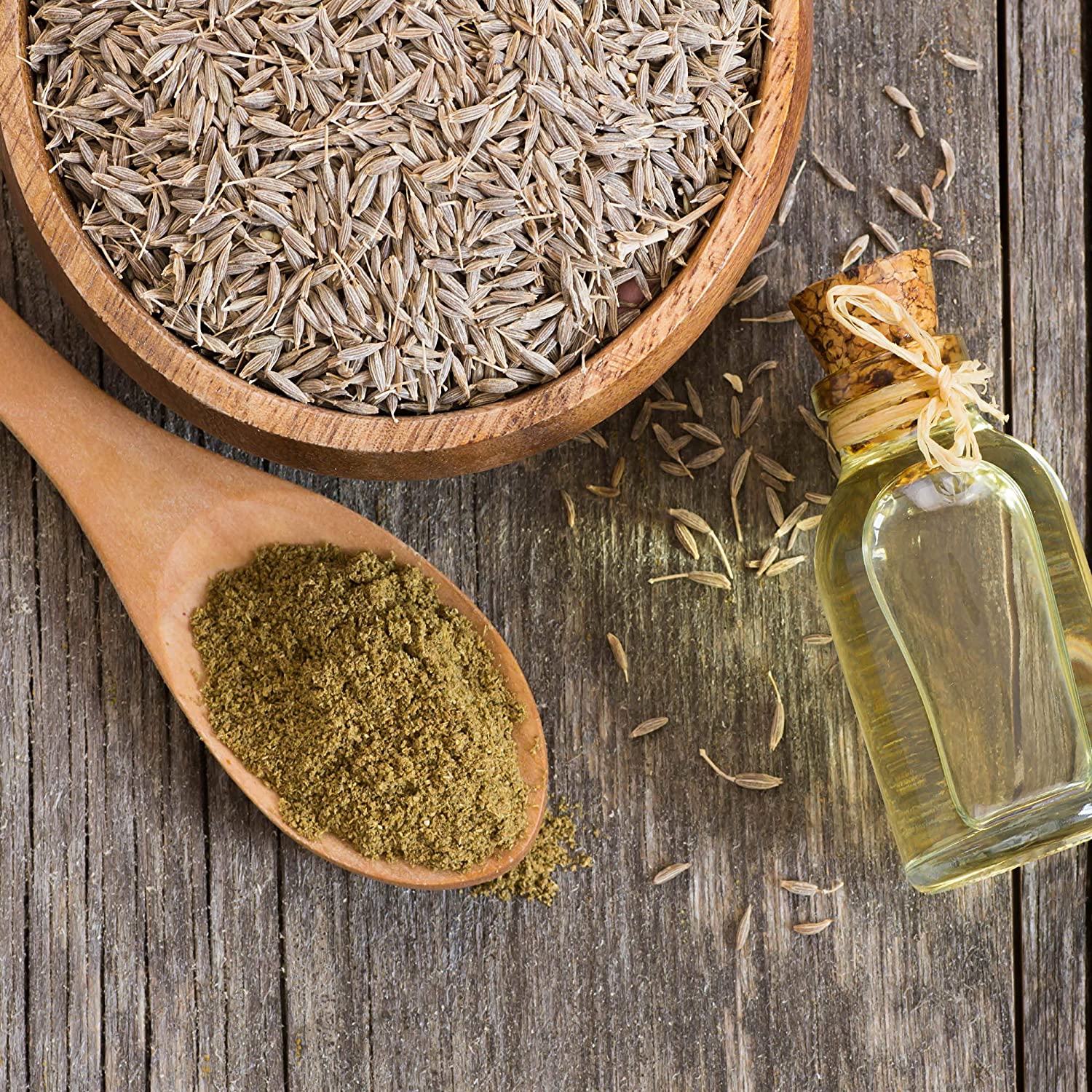
A careful farmer never treated cumin like wheat.
As the summer harvest drew to a close in ancient Israel, experienced farmers knew that every crop required its own careful handling. Wheat and barley could be separated beneath heavy threshing sledges, but the tiny, delicate seeds of cumin demanded a gentler touch. Rather than crushing the fragile seed heads, farmers carefully beat them with light rods, preserving the valuable spice hidden within. The prophet Isaiah used this familiar practice to illustrate God's wisdom, reminding His listeners that every crop—and every person—required thoughtful care according to its purpose.
Though small in size, cumin held an important place in Biblical life. Its warm, earthy flavor seasoned bread, stews, vegetables, and other everyday meals throughout the ancient Near East. So valuable was this humble spice that Jesus later referred to it while teaching about true righteousness, noting how carefully the Pharisees measured even their smallest herbs for tithing while overlooking the greater matters of justice, mercy, and faithfulness. Few plants demonstrate more clearly how even the simplest garden herbs became woven into the daily life and spiritual lessons of Scripture.
Today, Cumin remains one of the world's most widely cultivated culinary herbs. Its delicate fern-like foliage and attractive white to pale pink flower clusters are followed by aromatic seed heads that have flavored kitchens for thousands of years. Easy to grow in warm, sunny locations, cumin thrives in well-drained soil and rewards gardeners with a harvest of one of history's oldest and most treasured spices. It remains an essential ingredient in cuisines spanning the Middle East, India, North Africa, Mexico, and much of the Mediterranean.
Beyond its culinary value, Cumin offers gardeners a living connection to the agricultural world of the Bible. Every harvest recalls the careful methods described by Isaiah and the lessons taught by Jesus centuries later. Few herbs allow modern gardeners to experience so directly the sights, aromas, and traditions that filled the fields and kitchens of ancient Israel.
Specifications
- Botanical Name: Cuminum cyminum
- Common Name: Cumin
- Plant Type: Annual herb
- Height: 12–24 inches
- Spread: 8–12 inches
- Growth Rate: Fast
- Sun Requirements: Full sun
- Soil Preference: Well-drained, fertile soil
- Water Requirements: Moderate
- USDA Zones: Grown as an annual in most climates
- Uses: Culinary spice, herb gardens, Biblical gardens, pollinator gardens, historical gardens
- Wildlife Value: The flowers attract honeybees, native bees, and other beneficial pollinating insects.
Biblical Significance
Cumin is one of the few culinary herbs mentioned specifically in both the Old and New Testaments. Isaiah used its careful harvesting methods as an illustration of God's wisdom, emphasizing that each crop required different treatment. Centuries later, Jesus referred to cumin when teaching that religious devotion should extend beyond carefully tithing herbs to include justice, mercy, and faithfulness. These references demonstrate how common and valuable cumin had become in everyday Jewish life.
Selected Bible References
- Isaiah 28:25–27 — Farmers sow and thresh cumin using gentle methods appropriate for the delicate seed.
- Matthew 23:23 — Jesus speaks of tithing "mint, dill, and cumin" while teaching about justice, mercy, and faithfulness.
Life in Biblical Times
Imagine entering the courtyard of a family home in first-century Judea as the day's cooking begins. Clay ovens warmed fresh bread while the fragrance of herbs and spices drifted through the air. Small baskets of cumin, dill, mint, and other seasonings rested nearby, carefully measured for both cooking and religious tithes. During harvest, farmers handled cumin with remarkable care, gently beating the seed heads by hand rather than using the heavy threshing sledges reserved for grain. These simple daily tasks became so familiar that both Isaiah and Jesus used them to teach timeless spiritual truths.
Did You Know?
Isaiah records one of the earliest agricultural lessons in history by explaining that cumin should not be crushed beneath a threshing wheel. Instead, the delicate seed heads were gently beaten with a rod, preserving the valuable spice within. This practical farming advice remains accurate even today.
Seedman Notes
Cumin reminds us that some of Scripture's greatest lessons came not from towering trees or dramatic landscapes, but from the simple herbs growing in ordinary gardens. This ancient spice has seasoned meals, supported families, and illustrated God's wisdom for thousands of years. Whether planted for its flavorful harvest, historical importance, or deep Biblical connections, Cumin offers gardeners a unique opportunity to grow one of the very herbs that helped shape daily life in the world of the Bible.
For over a thousand more unique seed varieties, all in stock and ready to ship, visit our Seed Catalog Index Page .

Contact Us | Privacy Policy | About Us
Serving gardeners since 1992
State of Mississippi Seedmen's Permit #C-391, Ohio 90152, Minnesota 20086777