
Edible Date Palm Seeds
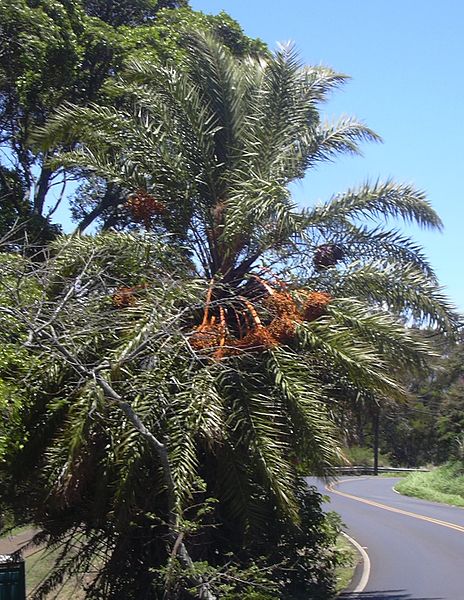

Across the desert, towering palms signaled life.
After days of traveling beneath the blazing Middle Eastern sun, few sights brought greater relief than the graceful silhouette of a Date Palm rising above the horizon. Its feathery crown marked the presence of precious water, fertile soil, and welcome shade. For thousands of years, travelers, shepherds, merchants, and entire communities depended upon the Date Palm for survival. In Biblical lands, these magnificent trees transformed barren oases into flourishing settlements, earning their reputation as one of God's greatest provisions for life in the wilderness.
Throughout Scripture, the Date Palm became a powerful symbol of victory, righteousness, peace, and abundance. Palm branches were waved in celebration as Jesus entered Jerusalem during His triumphal entry, while the Psalmist declared that "The righteous shall flourish like the palm tree." Every part of the tree served a purpose. Its sweet fruit nourished families, the leaves provided roofing and woven baskets, the trunk supplied building materials, and the welcome shade offered relief from the relentless desert heat. Few plants contributed more completely to everyday life in Biblical times.
The same remarkable qualities that sustained civilizations for thousands of years continue to make the Edible Date Palm one of the world's most beautiful landscape trees. Its elegant arching fronds, stately trunk, and tropical appearance instantly create an atmosphere of warmth and timeless beauty. Once established, the Date Palm thrives in intense heat, tolerates prolonged drought, and rewards gardeners with clusters of delicious fruit under favorable growing conditions. Few trees combine such striking ornamental beauty with practical usefulness.
Beyond its graceful appearance, the Edible Date Palm remains one of the world's oldest cultivated fruit trees. Individual trees can continue producing abundant harvests for generations while becoming increasingly majestic with age. Whether planted as a meaningful Biblical specimen, an impressive ornamental, or a productive fruit tree, the Date Palm stands as one of history's greatest gifts to both ancient and modern gardens.
Specifications
- Botanical Name: Phoenix dactylifera
- Common Name: Edible Date Palm
- Plant Type: Evergreen fruit palm
- Height: 50–75 feet
- Spread: 20–35 feet
- Growth Rate: Moderate
- Sun Requirements: Full sun
- Soil Preference: Well-drained soil; highly adaptable to sandy and alkaline soils
- Water Requirements: Moderate during establishment; highly drought tolerant once mature
- USDA Zones: 9–11
- Uses: Fruit production, specimen tree, Biblical gardens, Mediterranean landscapes, oasis plantings, tropical landscapes
- Wildlife Value: Flowers attract bees while mature trees provide nesting sites for birds.
Biblical Significance
The Date Palm appears throughout the Bible as a symbol of righteousness, prosperity, peace, and joyful celebration. Palm branches were carried during festive occasions and became especially significant during Jesus' triumphal entry into Jerusalem when crowds welcomed Him by spreading palm branches along His path. Palm trees also decorated Solomon's Temple, symbolizing beauty, life, and God's abundant provision. Throughout Scripture, flourishing palms represented faithful lives firmly rooted in God's blessings.
Selected Bible References
- Exodus 15:27 — Israel camps at Elim where twelve springs and seventy palm trees provided refreshment.
- Leviticus 23:40 — Palm branches used during the Feast of Tabernacles.
- Deuteronomy 34:3 — Jericho called the "City of Palm Trees."
- Psalm 92:12 — "The righteous shall flourish like the palm tree."
- Song of Solomon 7:7–8 — The palm tree used as a symbol of beauty.
- Ezekiel 40–41 — Palm tree carvings decorate the Temple.
- John 12:12–13 — Crowds welcome Jesus with palm branches during His triumphal entry.
- Revelation 7:9 — Palm branches carried before the throne in celebration and worship.
Life in Biblical Times
An oasis filled with Date Palms meant life itself. Travelers crossing harsh deserts eagerly searched for their distinctive crowns rising above the landscape, knowing that palms almost always indicated water nearby. Entire communities were built around productive palm groves, where the sweet fruit became a staple food that could be eaten fresh, dried for storage, or traded throughout the region. Palm fronds shaded homes, covered roofs, and were woven into baskets, mats, and shelters. For many families, the Date Palm was not simply another tree—it was the foundation of daily life and economic prosperity.
Did You Know?
The Date Palm has been cultivated for more than 5,000 years and is considered one of humanity's oldest fruit crops. A healthy mature tree can produce well over 100 pounds of dates each year, while some palms continue bearing fruit for more than a century, making them among the longest-producing fruit trees in the world.
Seedman Notes
Few trees capture the spirit of the Biblical landscape more beautifully than the Edible Date Palm. Its graceful silhouette has welcomed travelers, nourished civilizations, and symbolized God's provision for thousands of years. Whether planted for its delicious fruit, dramatic tropical appearance, or deep historical significance, the Date Palm becomes far more than an ornamental tree—it becomes a living connection to the landscapes walked by prophets, kings, and Jesus Himself. It is one of the most meaningful and rewarding trees any gardener can grow.
For over a thousand more unique seed varieties, all in stock and ready to ship, visit our Seed Catalog Index Page .

Contact Us | Privacy Policy | About Us
Serving gardeners since 1992
State of Mississippi Seedmen's Permit #C-391, Ohio 90152, Minnesota 20086777