
Omega Flax Seeds
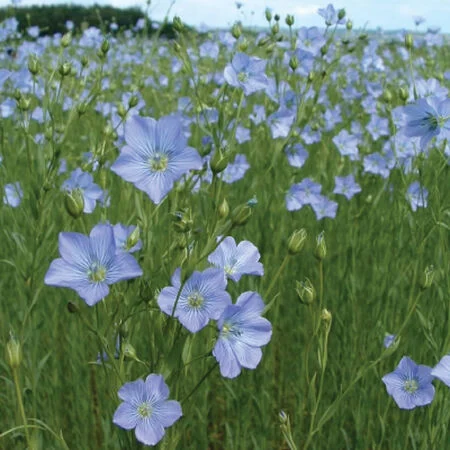
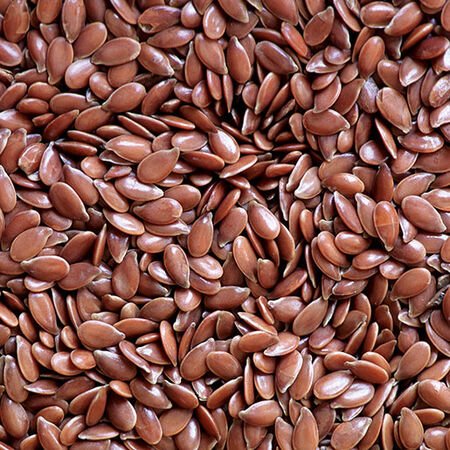
Before there was cotton, there was flax—the plant that clothed the Biblical world.
As the morning sun rose over the villages of ancient Israel, rooftops became busy places filled with bundles of freshly harvested flax drying in the warm air. Skilled hands patiently transformed the slender stems into fine linen, one of the most valuable fabrics of the ancient world. From the garments of priests and kings to household clothing, fishing nets, sails, ropes, and burial cloths, flax quietly supported nearly every aspect of daily life. Few plants were more essential to the people of the Bible than this humble blue-flowered annual.
One of the Bible's most memorable scenes involving flax occurs in the Book of Joshua, when Rahab courageously hid the Israelite spies beneath stalks of flax spread across her rooftop to dry in the sun. This simple detail provides a fascinating glimpse into everyday life in Biblical Jericho, where families routinely harvested, dried, and processed flax into linen thread. Throughout Scripture, linen became a symbol of purity, dignity, and faithful service. Priests ministered in finely woven linen garments, while the virtuous woman of Proverbs was praised for seeking wool and flax to provide for her household.
Today, Common Flax remains both beautiful and remarkably useful. Its graceful stems, delicate sky-blue flowers, and slender foliage create an elegant display in the garden before producing the valuable fibers and nutritious seeds that have benefited mankind for thousands of years. Flaxseed continues to be prized for its nutritional value, while linen remains one of the world's finest natural fabrics, admired for its strength, comfort, and timeless beauty.
Growing flax today offers far more than an attractive flowering plant. It provides a living connection to one of humanity's oldest agricultural achievements and to the daily lives of countless men and women whose stories fill the pages of Scripture. Few plants illustrate the relationship between faith, family, craftsmanship, and God's provision more beautifully than the remarkable flax plant.
Specifications
- Botanical Name: Linum usitatissimum
- Common Name: Common Flax
- Plant Type: Annual
- Height: 24–36 inches
- Spread: 8–12 inches
- Growth Rate: Fast
- Sun Requirements: Full sun
- Soil Preference: Well-drained, fertile soil
- Water Requirements: Moderate
- USDA Zones: Grown as an annual in all climates
- Uses: Linen fiber, flaxseed, ornamental flowers, Biblical gardens, historical gardens, pollinator gardens
- Wildlife Value: The flowers attract bees and other beneficial pollinating insects.
Biblical Significance
Flax was one of the most important agricultural crops of the Biblical world. Its fibers were spun into linen, the fabric used for priestly garments, household clothing, curtains, and many sacred furnishings associated with the Tabernacle and Temple. Scripture frequently mentions flax and linen, reflecting their central role in the economy and daily life of ancient Israel. The account of Rahab hiding the Israelite spies beneath drying flax provides one of the Bible's clearest glimpses into everyday agricultural life, while the "virtuous woman" of Proverbs is praised for working willingly with wool and flax.
Selected Bible References
- Exodus 9:31 — The flax crop of Egypt is mentioned during the plagues.
- Joshua 2:6 — Rahab hides the Israelite spies beneath stalks of drying flax.
- Proverbs 31:13 — The virtuous woman seeks wool and flax.
- Isaiah 19:9 — Workers processing flax are described.
- Ezekiel 44:17–18 — Priests wear linen garments while ministering.
- Revelation 19:8 — Fine linen symbolizes the righteous acts of God's people.
Life in Biblical Times
Imagine walking through the narrow streets of Jericho during harvest season. Across the flat rooftops, bundles of freshly cut flax lay drying beneath the brilliant desert sun while families prepared the fibers for spinning. Inside nearby homes, women twisted fine linen thread that would become garments, household cloth, ropes, fishing nets, and sails. The gentle tapping of looms echoed through the village as generation after generation practiced one of humanity's oldest textile arts. In this familiar setting, Rahab hid the Israelite spies beneath her drying flax, preserving one of the Bible's most remarkable stories of courage and faith.
Did You Know?
The botanical name Linum usitatissimum means "most useful flax." Few scientific names describe a plant more accurately. For thousands of years flax has supplied both nutritious seeds and strong natural fibers, making it one of the oldest and most valuable cultivated crops in human history.
Seedman Notes
Common Flax stands among the foundation plants of Biblical civilization. Long before cotton became widespread, flax clothed families, equipped fishermen, supplied the priesthood, and supported entire communities through the production of fine linen. Its delicate blue flowers hide a remarkable history that stretches from the rooftops of Jericho to the sacred garments of the Temple. We proudly include Common Flax in our Bible Garden collection because few plants tell the story of everyday life in Scripture more completely or more beautifully.
For over a thousand more unique seed varieties, all in stock and ready to ship, visit our Seed Catalog Index Page .

Contact Us | Privacy Policy | About Us
Serving gardeners since 1992
State of Mississippi Seedmen's Permit #C-391, Ohio 90152, Minnesota 20086777