
Gum Arabic Seeds
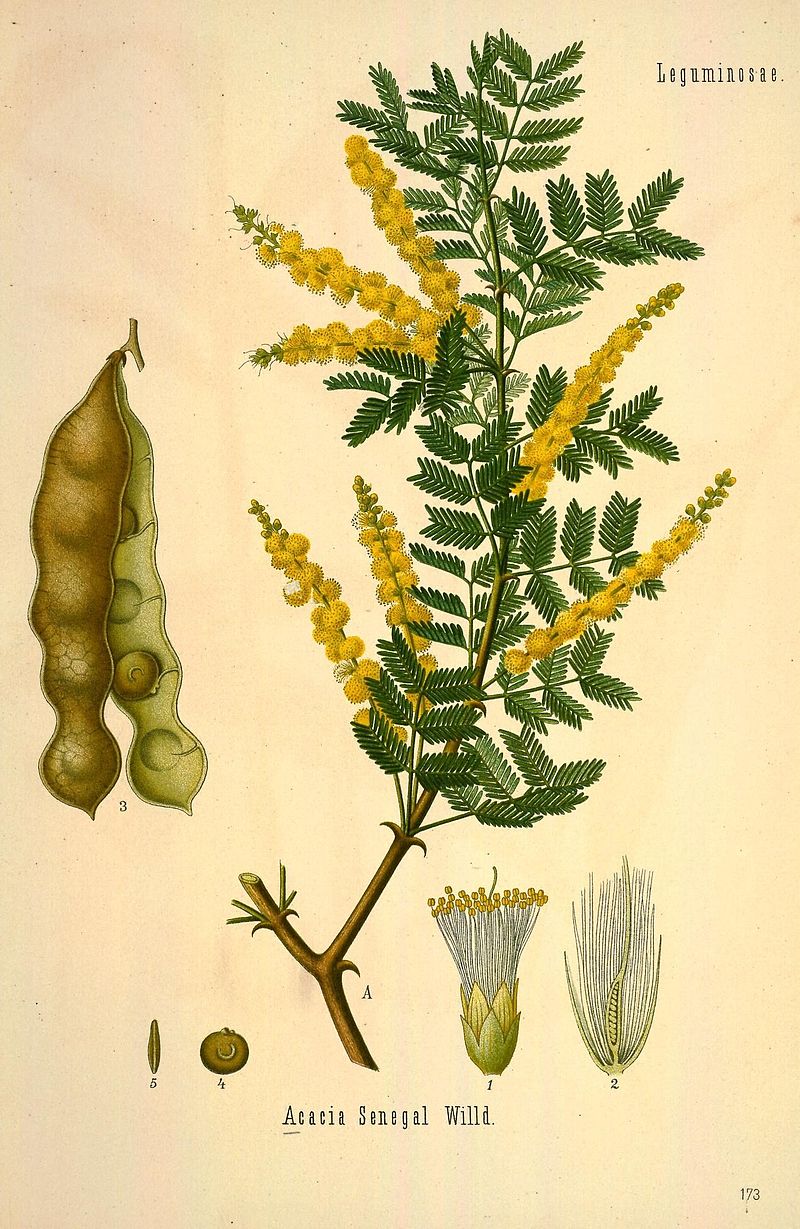
In the barren wilderness, one remarkable tree stood where few others could survive.
As the Israelites journeyed across the deserts of Sinai, the landscape appeared harsh and unforgiving. Yet scattered among the rocky valleys and dry riverbeds grew resilient acacia trees, their deep roots reaching hidden sources of moisture far beneath the desert floor. Though surrounded by heat and drought, these hardy trees flourished where little else could grow. Their dense, durable wood would become one of the most important building materials in Biblical history, chosen by God Himself for the construction of the Tabernacle and the Ark of the Covenant.
Acacia wood, known in Scripture as shittim wood, was prized for its remarkable strength, resistance to decay, and ability to endure the harsh desert climate. Under God's direction, Moses instructed the craftsmen of Israel to fashion the Ark of the Covenant, the Table of Showbread, the altar, and numerous sacred furnishings from this extraordinary timber before covering them with pure gold. Through these sacred objects, the humble desert acacia became forever linked with God's covenant, His presence among His people, and the worship of ancient Israel.
Today, Acacia senegal, commonly known as Gum Arabic Acacia, remains one of the world's most valuable desert trees. In addition to its graceful form and delicate cream-colored blossoms, it produces the natural resin known as gum arabic, a substance that has been treasured for thousands of years in foods, medicines, inks, artists' paints, and countless other products. Exceptionally drought tolerant and perfectly adapted to arid climates, this beautiful tree continues to demonstrate the remarkable resilience that has allowed acacias to flourish across Africa and the Middle East since Biblical times.
Few trees better symbolize God's provision in difficult places than the desert acacia. Growing where survival seems impossible, it provided shade for travelers, nourishment for wildlife, valuable resin for commerce, and the durable wood from which some of Israel's most sacred treasures were fashioned. Whether admired for its graceful beauty, historical importance, or profound Biblical associations, Gum Arabic Acacia stands among the most meaningful trees in the entire Bible Garden.
Specifications
- Botanical Name: Acacia senegal
- Common Name: Gum Arabic Acacia
- Plant Type: Deciduous desert tree
- Height: 15–30 feet
- Spread: 15–25 feet
- Growth Rate: Moderate
- Sun Requirements: Full sun
- Soil Preference: Well-drained sandy, rocky, or gravelly soils
- Water Requirements: Low once established; exceptionally drought tolerant
- USDA Zones: 9–11
- Uses: Bible gardens, xeriscapes, desert landscapes, gum arabic production, wildlife habitat, historical gardens
- Wildlife Value: Flowers attract bees and other pollinating insects, while the tree provides shelter and browse for desert wildlife.
Biblical Significance
The acacia is widely accepted by Biblical scholars as the source of the "shittim wood" mentioned throughout Exodus. Although several closely related Acacia species have been proposed, Acacia senegal is among the strongest modern representatives because of its native distribution across northeastern Africa and the Arabian region. Its exceptionally durable wood made it an ideal material for constructing the Ark of the Covenant, the Tabernacle furnishings, and other sacred objects that accompanied the Israelites during their wilderness journey.
Selected Bible References
- Exodus 25:10 — The Ark of the Covenant constructed from shittim wood.
- Exodus 25:23 — The Table of Showbread made from shittim wood.
- Exodus 26:15 — Boards of the Tabernacle fashioned from shittim wood.
- Exodus 27:1 — The altar built of shittim wood.
- Deuteronomy 10:3 — Moses makes an ark of shittim wood.
- Isaiah 41:19 — God promises to plant trees, including the acacia, in the wilderness.
Life in Biblical Times
Imagine standing with the Israelites as skilled craftsmen shaped dense acacia timbers beneath the desert sun. Every board, pole, and sacred furnishing had to withstand years of travel through the wilderness while carrying immense spiritual significance. Nearby, hardy acacia trees offered precious shade to weary travelers and grazing animals, their thorny branches standing as symbols of life where little else survived. In an unforgiving landscape, these remarkable trees quietly supplied one of the most important natural resources in all of Biblical history.
Did You Know?
Gum arabic, harvested naturally from Acacia senegal, is still one of the world's most valuable natural plant resins. It has been used for thousands of years in foods, medicines, watercolor paints, printing inks, cosmetics, and even postage stamps because of its remarkable purity and stability.
Seedman Notes
Gum Arabic Acacia beautifully illustrates how God often chose humble things to accomplish extraordinary purposes. From a thorny desert tree came the wood that formed the framework of Israel's holiest objects, while its valuable resin has served civilizations for thousands of years. We proudly include Acacia senegal in our Bible Garden collection as one of the finest living representatives of the Biblical acacias, allowing modern gardeners to grow a tree that speaks of endurance, provision, craftsmanship, and the enduring presence of God in the wilderness.
For over a thousand more unique seed varieties, all in stock and ready to ship, visit our Seed Catalog Index Page .

Contact Us | Privacy Policy | About Us
Serving gardeners since 1992
State of Mississippi Seedmen's Permit #C-391, Ohio 90152, Minnesota 20086777