
Hyssop Seeds
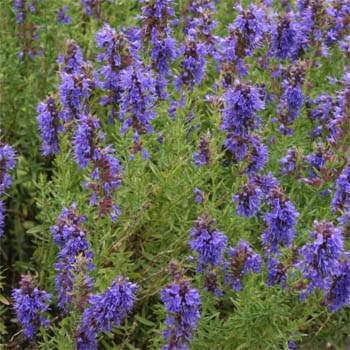
A simple bundle of fragrant branches became one of the Bible's greatest symbols of cleansing.
On the first Passover night, as darkness settled over Egypt, Israelite families gathered in quiet obedience to God's instructions. A small bundle of hyssop was dipped into the blood of the Passover lamb and carefully brushed across the doorposts and lintels of each home. That simple act of faith marked the houses that would be spared as judgment passed over the land. From that unforgettable night forward, hyssop became one of Scripture's enduring symbols of purification, protection, and God's saving grace.
Throughout the Old Testament, hyssop was closely associated with ceremonial cleansing and restoration. Priests used it in purification rituals for those healed of disease, in the preparation of the water of cleansing, and in other sacred ceremonies that emphasized renewal and holiness. King David later cried out in heartfelt repentance, "Purge me with hyssop, and I shall be clean," using the familiar plant as a powerful image of spiritual cleansing and forgiveness. Even at the crucifixion of Jesus, John's Gospel records that a sponge soaked with sour wine was lifted on a stalk of hyssop, connecting one of the Bible's earliest symbols of redemption with its ultimate fulfillment.
Today, Hyssopus officinalis remains a beautiful and highly aromatic perennial herb valued for its upright spikes of rich blue flowers and pleasantly fragrant foliage. The nectar-rich blossoms attract honeybees, butterflies, hummingbirds, and numerous beneficial pollinators throughout the summer months, making it one of the finest additions to herb gardens, cottage gardens, and wildlife landscapes. Easy to grow and wonderfully drought tolerant once established, hyssop combines ornamental beauty with centuries of herbal tradition.
Beyond its garden value, Hyssopus officinalis offers a meaningful connection to one of the Bible's most enduring themes—cleansing, renewal, and faithful obedience. Whether planted for its colorful flowers, fragrant foliage, pollinator value, or its rich Biblical associations, hyssop continues to remind gardeners of a story that has inspired believers for thousands of years.
Specifications
- Botanical Name: Hyssopus officinalis
- Common Name: Hyssop
- Plant Type: Perennial herb
- Height: 18–30 inches
- Spread: 18–24 inches
- Growth Rate: Moderate
- Sun Requirements: Full sun
- Soil Preference: Well-drained soil; thrives in sandy and rocky locations
- Water Requirements: Low once established; drought tolerant
- USDA Zones: 4–9
- Uses: Herb gardens, pollinator gardens, Biblical gardens, cottage gardens, borders, medicinal herb plantings
- Wildlife Value: Excellent nectar source for honeybees, native bees, butterflies, hummingbirds, and other beneficial pollinators.
Biblical Significance
Hyssop occupies a unique place in Scripture as the plant most closely associated with purification, consecration, and redemption. It appears during the first Passover, in the ceremonial cleansing laws of Leviticus and Numbers, in David's prayer of repentance, and again at the crucifixion of Christ. The exact botanical identity of the Biblical hyssop (Hebrew ezov) has been discussed by Biblical scholars for centuries. While many researchers believe it may have referred to one of several aromatic plants native to the Holy Land, Hyssopus officinalis has long been accepted in Christian tradition as the representative Biblical Hyssop and remains the species most commonly grown in Bible Gardens throughout the world.
Selected Bible References
- Exodus 12:22 — Hyssop used to apply the Passover lamb's blood to the doorposts.
- Leviticus 14:4–7 — Used in the ceremonial cleansing of a healed leper.
- Numbers 19:6, 18 — Included in the purification rites involving the red heifer.
- Psalm 51:7 — "Purge me with hyssop, and I shall be clean."
- 1 Kings 4:33 — Solomon speaks of plants "from the cedar... unto the hyssop."
- John 19:29 — A sponge of sour wine lifted to Jesus on a stalk of hyssop.
- Hebrews 9:19 — Hyssop recalled in describing the covenant rituals.
Life in Biblical Times
Imagine standing beside the Tabernacle as a priest prepared for one of Israel's sacred purification ceremonies. Nearby lay a simple bundle of aromatic hyssop, ready to be dipped into water or sacrificial blood according to God's instructions. Though small and easily overlooked, this humble herb became an essential part of ceremonies symbolizing cleansing, forgiveness, and restored fellowship with God. Its familiar fragrance would have been recognized by generations of Israelites whenever these sacred rites were performed.
Did You Know?
The exact plant called "hyssop" in the Bible has been debated for centuries. Many modern scholars believe the ancient Hebrew word may have referred to a native Middle Eastern aromatic herb rather than Hyssopus officinalis. Nevertheless, for hundreds of years this traditional hyssop has been cultivated in churches, monasteries, and Bible Gardens around the world as the representative Biblical Hyssop.
Seedman Notes
Few herbs carry deeper spiritual symbolism than Hyssop. Its association with the Passover, ceremonial cleansing, repentance, and ultimately the crucifixion gives this beautiful perennial a place unlike any other plant in the Bible Garden. We proudly offer Hyssopus officinalis as the traditional Biblical Hyssop, allowing modern gardeners to cultivate a living reminder of one of Scripture's most enduring symbols of purification, faith, and God's redeeming grace.
For over a thousand more unique seed varieties, all in stock and ready to ship, visit our Seed Catalog Index Page .

Contact Us | Privacy Policy | About Us
Serving gardeners since 1992
State of Mississippi Seedmen's Permit #C-391, Ohio 90152, Minnesota 20086777