
Narrow Leaf Cattail Seeds
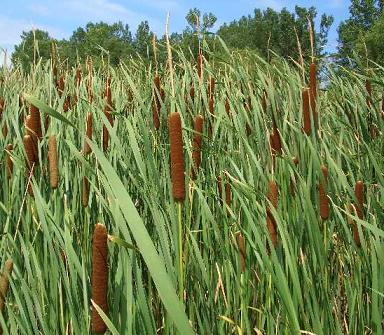
Where reeds whispered in the breeze, life flourished.
Along the quiet edges of rivers, ponds, and marshes throughout the Biblical world, dense stands of cattails and reeds swayed gently with every passing breeze. To travelers, these wetlands signaled the presence of precious water. To families, they provided food, weaving materials, shelter for wildlife, and an abundant supply of useful plants harvested throughout the year. In landscapes where water meant survival, the humble cattail became one of nature's greatest gifts, quietly supporting daily life along the fertile banks of the Jordan River, the Nile, and countless smaller streams.
Throughout Scripture, reeds and marsh plants appear as familiar features of the landscape. Moses was hidden safely among the reeds of the Nile as an infant, while prophets frequently used reeds to illustrate humility, weakness, and restoration because every listener understood their appearance. These flourishing wetlands also sheltered birds, fish, and countless forms of wildlife, transforming otherwise barren regions into thriving ecosystems that supported entire communities.
Today, Narrow Leaf Cattail remains one of the finest native wetland plants for naturalizing ponds, lakeshores, rain gardens, and marshy landscapes. Its graceful upright foliage, distinctive brown seed heads, and elegant form provide year-round beauty while stabilizing shorelines and improving water quality. The dense stands create valuable nesting habitat for birds, shelter for amphibians, and refuge for beneficial insects, making it one of the most ecologically important plants found in freshwater environments.
Beyond its ornamental beauty, Narrow Leaf Cattail has served people for thousands of years. Young shoots and pollen have traditionally been used as food, while the leaves were woven into mats, baskets, chair seats, and thatching materials. Even the fluffy seed fibers found practical uses as natural insulation and stuffing. Few wetland plants have contributed so completely to both human civilization and wildlife as the remarkable cattail.
Specifications
- Botanical Name: Typha angustifolia
- Common Name: Narrow Leaf Cattail
- Plant Type: Perennial aquatic plant
- Height: 4–8 feet
- Spread: Forms expanding colonies by rhizomes
- Growth Rate: Moderate to fast
- Sun Requirements: Full sun
- Soil Preference: Wet soils, shallow water, pond margins, marshes
- Water Requirements: Constant moisture or shallow standing water
- USDA Zones: 3–10
- Uses: Pond margins, wetlands, rain gardens, erosion control, wildlife habitat, Biblical gardens
- Wildlife Value: Excellent habitat for birds, amphibians, beneficial insects, and aquatic wildlife.
Biblical Significance
Throughout the Bible, reeds, rushes, and marsh plants are closely associated with rivers, wetlands, and the sustaining presence of water. Although Scripture generally refers to these plants collectively rather than identifying individual species, cattails represent the abundant wetland vegetation that lined the rivers and marshes of the ancient Near East. They remind us of the life-giving environments where many important Biblical events unfolded and where families gathered valuable natural resources for everyday living.
Selected Bible References
- Exodus 2:3–5 — Moses hidden among the reeds along the Nile River.
- Job 8:11 — "Can the rush grow up without mire?"
- Job 40:21 — Marsh plants providing shelter along the water.
- Isaiah 19:6–7 — Reeds and rushes along the Nile.
- Isaiah 35:7 — Marshes and reeds flourishing in restored lands.
- Matthew 11:7 — "A reed shaken by the wind."
Life in Biblical Times
Imagine standing beside the Jordan River at sunrise. Birds called from dense stands of reeds while fishermen prepared their nets along the shoreline. Nearby, families harvested wetland plants to weave baskets, floor mats, and household furnishings. Children gathered seed heads for stuffing bedding, while livestock found water and shelter among the marshes. These wetlands were far more than scenic landscapes—they were living storehouses that supplied food, building materials, and wildlife, quietly sustaining daily life throughout the Biblical world.
Did You Know?
Cattails are sometimes called the "supermarket of the marsh" because nearly every part of the plant has been used by people. Young shoots, roots, pollen, leaves, and seed fibers have served as food, weaving material, insulation, bedding, and even emergency survival supplies for thousands of years.
Seedman Notes
Narrow Leaf Cattail reminds us that some of the Bible's most important landscapes were found not on mountaintops or inside great cities, but quietly along rivers and wetlands where life depended upon the dependable presence of water. This graceful native plant brings beauty, wildlife, and remarkable historical significance to ponds and rain gardens while preserving one of nature's oldest relationships with mankind. It is an outstanding addition to any Biblical garden, especially when planted beside water where its timeless character can be fully appreciated.
For over a thousand more unique seed varieties, all in stock and ready to ship, visit our Seed Catalog Index Page .

Contact Us | Privacy Policy | About Us
Serving gardeners since 1992
State of Mississippi Seedmen's Permit #C-391, Ohio 90152, Minnesota 20086777