
Umbrella Thorn Seeds
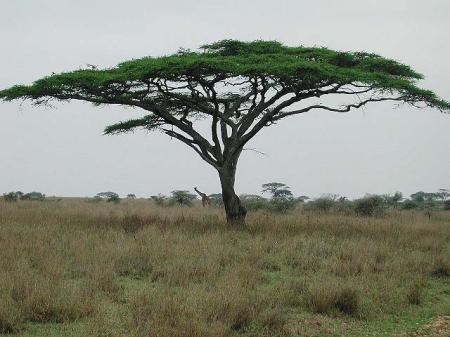
Across the wilderness, its flat crown spread like a sheltering hand.
In the dry valleys and rocky deserts of Sinai, the Umbrella Thorn Acacia stands as one of the most recognizable trees of the Biblical wilderness. Its broad, flattened crown casts precious shade across sun-baked ground, while its deep roots search for hidden moisture far beneath the surface. To travelers crossing harsh desert landscapes, a mature acacia meant shelter, fuel, browse for animals, and one of the few dependable sources of strong timber. In a land where trees were scarce, the acacia was a gift of survival.
The Bible repeatedly refers to shittim wood, widely understood by scholars to mean acacia wood, as the material chosen for many of Israel's most sacred objects. The Ark of the Covenant, the Table of Showbread, the altar, and the boards of the Tabernacle were all made from this durable desert timber before being overlaid with gold. While the exact species cannot be identified with absolute certainty, Acacia tortilis is one of the strongest candidates because of its native range and its presence in the very wilderness regions associated with the Exodus.
Today, Umbrella Thorn remains one of the great trees of arid landscapes. Its graceful silhouette, distinctive umbrella-shaped canopy, and extreme drought tolerance make it an outstanding choice for desert gardens, xeriscapes, wildlife plantings, and Biblical gardens. The tree provides food and shelter for birds, pollinators, and desert animals, while its tough wood and thorny branches reflect the rugged conditions under which it thrives.
Few trees better capture the atmosphere of the wilderness journey than Umbrella Thorn Acacia. It speaks of endurance, provision, craftsmanship, and life in dry places. Whether grown for its historic significance, dramatic form, or remarkable drought tolerance, this ancient desert tree offers gardeners a living connection to the landscapes where Israel camped, worshiped, and carried the Tabernacle through the wilderness.
Specifications
- Botanical Name: Acacia tortilis
- Common Name: Umbrella Thorn Acacia
- Plant Type: Desert tree
- Height: 15–40 feet
- Spread: 20–40 feet
- Growth Rate: Moderate
- Sun Requirements: Full sun
- Soil Preference: Well-drained sandy, rocky, or gravelly soil
- Water Requirements: Very low once established; exceptionally drought tolerant
- USDA Zones: 9–11
- Uses: Biblical gardens, desert landscapes, xeriscapes, wildlife habitat, shade tree, historical gardens
- Wildlife Value: Flowers attract pollinators, while pods, foliage, and shelter support desert wildlife.
Biblical Significance
Umbrella Thorn Acacia is one of the strongest living representatives of the acacia trees associated with the Biblical wilderness. Scripture repeatedly mentions shittim wood in connection with the Tabernacle, the Ark of the Covenant, and other sacred furnishings. Most Biblical scholars understand shittim wood to refer to acacia wood, though the exact species remains debated. Because Acacia tortilis grows naturally in Sinai, Arabia, and nearby desert regions, it is considered one of the most historically appropriate species for representing the acacias of the Exodus account.
Selected Bible References
- Exodus 25:10 — The Ark of the Covenant made from shittim wood.
- Exodus 25:23 — The Table of Showbread made from shittim wood.
- Exodus 26:15 — The boards of the Tabernacle made from shittim wood.
- Exodus 27:1 — The altar constructed from shittim wood.
- Deuteronomy 10:3 — Moses makes an ark of shittim wood.
- Isaiah 41:19 — God promises to plant the acacia in the wilderness.
Life in Biblical Times
Imagine a camp of travelers in the Sinai wilderness pausing beneath the sparse shade of an acacia tree. Nearby, craftsmen shaped dense, hard timber into poles, boards, and sacred furnishings that would accompany Israel throughout the wilderness journey. In a region where large trees were rare, every piece of acacia wood was valuable. Its strength, durability, and resistance to decay made it ideal for objects that had to endure years of travel while carrying deep spiritual meaning.
Did You Know?
The flattened, umbrella-like crown of Acacia tortilis is an adaptation to intense desert sunlight and browsing animals. Its canopy provides valuable shade in open desert landscapes, while its deep root system allows the tree to survive in regions where rainfall is scarce and unpredictable.
Seedman Notes
Umbrella Thorn Acacia is one of the finest trees for representing the wilderness landscapes of the Bible. Its dramatic form, extraordinary drought tolerance, and strong connection to the acacia wood of Scripture make it a meaningful addition to any Bible Garden. We especially recommend Acacia tortilis for gardeners who want to grow a plant that reflects the endurance, provision, and sacred craftsmanship of the Exodus journey.
For over a thousand more unique seed varieties, all in stock and ready to ship, visit our Seed Catalog Index Page .

Contact Us | Privacy Policy | About Us
Serving gardeners since 1992
State of Mississippi Seedmen's Permit #C-391, Ohio 90152, Minnesota 20086777