
Chia Seeds
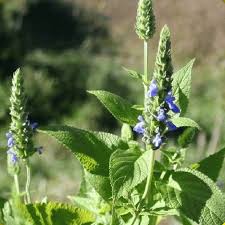
Chia Seed (Salvia hispanica) is a fast-growing annual herb that has nourished both people and wildlife for centuries. Best known today for its highly nutritious seeds, Chia also produces attractive spikes of soft blue to lavender flowers that bring bees, butterflies, and other pollinating insects into the garden throughout the summer. As the blossoms mature into seed, the plants become an excellent late-season food source for many small songbirds while adding beauty and movement to wildlife plantings.
The tiny, oil-rich seeds are especially attractive to American Goldfinches, House Finches, Purple Finches, native sparrows, Juncos, and other small seed-eating birds. During flowering, the nectar-rich blooms attract honeybees, native bees, butterflies, and numerous beneficial pollinators, making Chia valuable throughout much of the growing season. Like many members of the sage family, Chia supports wildlife long before the seeds are ready for harvest, providing both nectar and nutritious seed from a single planting.
Easy to grow in full sun with well-drained soil, Chia develops into handsome plants 3 to 5 feet tall that require little maintenance once established. The attractive flower spikes continue blooming over an extended period before gradually ripening into abundant seed heads. Rather than removing the plants immediately after flowering, leave them standing as long as possible so birds can harvest the mature seeds naturally while enjoying the shelter provided by the sturdy stems.
Harvesting for Bird Food: Allow the flower spikes to dry naturally on the plants until the seeds are fully mature. The seed heads may then be cut and dried before gently rubbing out the tiny seeds for winter bird feeding, or left standing outdoors where Goldfinches and other small birds can gather the seeds themselves. Properly dried Chia seeds store exceptionally well and remain nutritious for months.
Favorite Birds
- ★★★★★ American Goldfinch
- ★★★★★ House & Purple Finches
- ★★★★☆ Native Sparrows
- ★★★★☆ Dark-eyed Junco
- ★★★★☆ Mourning Dove (fallen seed)
Seedman Notes
Most gardeners recognize Chia for its remarkable nutritional value, but we think it deserves equal recognition as a bird-friendly garden plant. The long-lasting flowers provide an abundance of nectar for pollinators throughout the summer, while the tiny, energy-rich seeds become a welcome food source for Goldfinches and other small songbirds as autumn approaches. It's another excellent example of a plant that benefits wildlife from its very first bloom until the last seed has been harvested.
For over a thousand more unique seed varieties, all in stock and ready to ship, visit our Seed Catalog Index Page .

Contact Us | Privacy Policy | About Us
Serving gardeners since 1992
State of Mississippi Seedmen's Permit #C-391, Ohio 90152, Minnesota 20086777