
European Bird Cherry Seeds
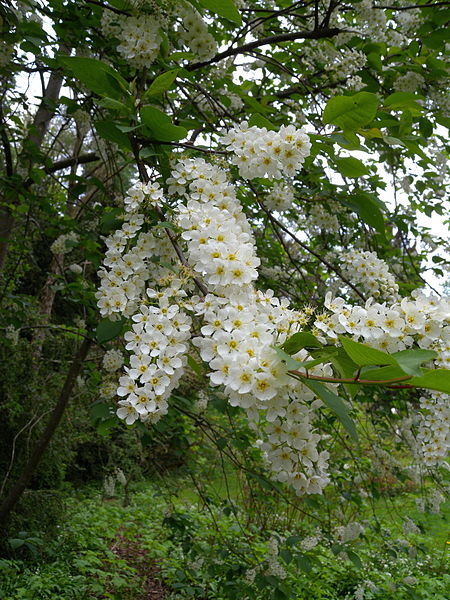
European Bird Cherry (Prunus padus) is one of the finest ornamental trees for attracting fruit-eating birds. In spring, graceful branches are covered with long, fragrant clusters of creamy white blossoms that attract bees and other early pollinators. By midsummer, the flowers give way to abundant hanging clusters of small glossy black cherries that become an irresistible banquet for a remarkable variety of songbirds. Beautiful in every season, this hardy tree combines ornamental elegance with exceptional wildlife value.
The plentiful fruits are eagerly consumed by American Robins, Cedar Waxwings, Gray Catbirds, Eastern Bluebirds, Thrushes, Orioles, Northern Mockingbirds, Grosbeaks, and many other fruit-loving birds. The berries typically ripen in generous clusters, allowing flocks of birds to feed naturally while dispersing the seeds throughout the surrounding landscape. During nesting season and late summer, these nutritious fruits provide an important source of energy when many birds are raising young or preparing for migration.
European Bird Cherry thrives in full sun to partial shade and adapts well to a wide range of fertile, well-drained soils. Growing into a handsome medium-sized tree, it offers year-round ornamental interest with fragrant spring flowers, attractive summer fruit, lush green foliage, and beautiful yellow autumn color. Its reliable flowering and heavy fruit production have made it a favorite choice for wildlife plantings, parks, shelterbelts, and naturalized landscapes throughout cooler climates.
Growing for Wildlife: Allow the fruit to ripen naturally on the tree where birds can harvest it at peak maturity. Unlike many garden crops, Bird Cherry is best enjoyed as a living wildlife tree rather than as a harvested fruit crop. By planting several fruiting trees with different ripening seasons, gardeners can provide birds with a dependable succession of natural food throughout much of the growing season.
Favorite Birds
- ★★★★★ Cedar Waxwing
- ★★★★★ American Robin
- ★★★★★ Gray Catbird
- ★★★★★ Eastern Bluebird
- ★★★★☆ Baltimore & Orchard Orioles
- ★★★★☆ Northern Mockingbird
- ★★★★☆ Grosbeaks
- ★★★★☆ Thrushes
Seedman Notes
European Bird Cherry may be one of the most appropriately named trees in the garden. When the fruit begins to ripen, it often seems as though every fruit-loving bird in the neighborhood knows exactly where to find it. We especially enjoy watching Cedar Waxwings arrive in small flocks to feed among the hanging clusters of glossy black fruit. Combined with flowering plants, seed-producing annuals, and other fruiting trees, European Bird Cherry helps create a garden that supports birds through multiple seasons rather than for just a few weeks each year.
We recommend using the Seedman's Cold Stratification Kits for cold stratification.
For over a thousand more unique seed varieties, all in stock and ready to ship, visit our Seed Catalog Index Page .