
Black Locust Seeds
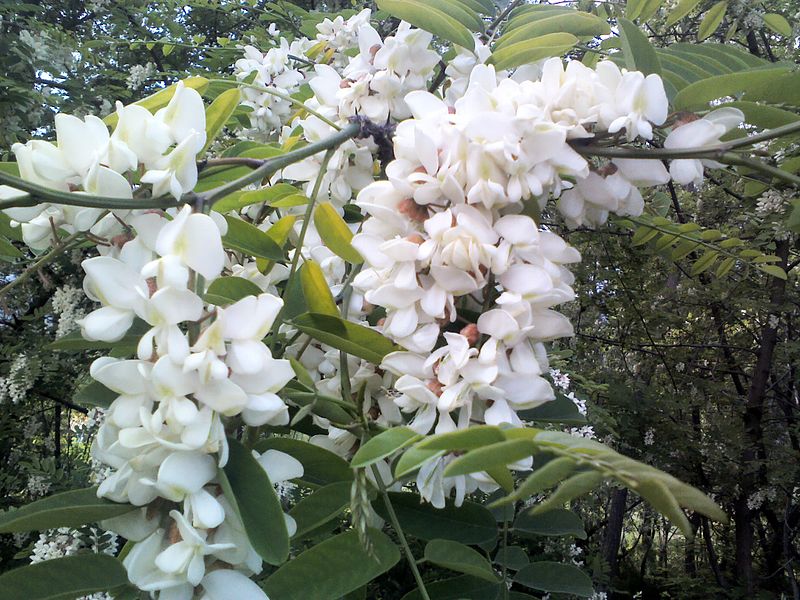
Landscape Rating: ⭐⭐⭐⭐⭐ (5/5 Stars)
Plant CharacteristicsBlack Locust, also known as False Acacia, is one of North America's most valuable and historically important native trees. Native to the Appalachian and Ozark regions of the United States, this fast-growing deciduous tree is admired for its fragrant white flowers, attractive foliage, exceptional durability, and remarkable adaptability.
Mature trees typically reach 40 to 80 feet in height with an open, irregular crown that provides filtered shade. The pinnate leaves consist of numerous small leaflets that create a delicate, almost tropical appearance despite the tree's rugged nature.
During late spring, long drooping clusters of fragrant white flowers cover the tree. Resembling Wisteria blossoms, these flowers produce a sweet perfume that can be detected from considerable distances and attract large numbers of pollinators.
The combination of graceful flowers and durable character makes Black Locust one of the most unique native landscape trees available.
Landscape Uses- Specimen lawn tree
- Shade tree
- Pollinator landscapes
- Wildlife plantings
- Reforestation projects
- Windbreaks
- Erosion control plantings
- Historic landscapes
When planted as a specimen tree, Black Locust provides fragrant spring blooms, attractive foliage, and a strong architectural presence throughout the year.
Important Landscape NoteBlack Locust is one of the fastest-growing native hardwood trees and thrives in difficult conditions where many other species struggle. Its nitrogen-fixing ability also helps improve soil quality over time.
Germination Information- Scarify seeds by nicking or lightly sanding the seed coat.
- Soak seeds in warm water for 24 hours before planting.
- Sow approximately ¼ to ½ inch deep.
- Maintain temperatures between 70-85°F.
- Keep evenly moist.
- Germination typically occurs within 1-3 weeks.
- Botanical Name: Robinia pseudoacacia
- Plant Type: Deciduous Shade Tree
- USDA Zones: 4-8
- Sun Exposure: Full Sun
- Mature Height: 40-80 Feet
- Mature Spread: 25-50 Feet
- Growth Rate: Fast
- Soil Preference: Adaptable to poor soils
- Water Requirements: Low to Moderate
Black Locust tolerates drought, poor soils, rocky ground, urban conditions, and challenging sites. Once established, it requires very little supplemental care.
Container GrowingYoung seedlings can be grown in large containers for a limited time. Due to the tree's rapid growth and extensive root system, landscape planting is recommended as soon as practical.
Pollinator & Wildlife ValueThe fragrant flowers are among the finest nectar sources available to honeybees and native pollinators. Black Locust honey is highly prized for its light color and delicate flavor.
Birds utilize the canopy for nesting and shelter, while numerous wildlife species benefit from the habitat provided by mature trees.
Historical & Cultural SignificanceBlack Locust played a major role in early American history. The wood is among the strongest and most rot-resistant native timbers in North America and was widely used for fence posts, shipbuilding, railroad ties, and structural timbers.
George Washington reportedly planted Black Locust at Mount Vernon, and Thomas Jefferson admired the tree's usefulness and beauty.
Its remarkable durability made it one of the most valuable trees of colonial America.
Botanical Facts- Member of the Legume Family (Fabaceae).
- Native to the United States.
- Produces fragrant white flower clusters.
- Fixes atmospheric nitrogen.
- Wood is exceptionally rot resistant.
- One of the most important honey-producing trees in North America.
Black Locust offers a rare combination of beauty and toughness. Its fragrant spring flowers rival many ornamental trees, while its durability, rapid growth, and adaptability make it one of the most practical native shade trees available.
Additional Seedman NoteSome fence posts made from Black Locust wood have remained in service for over 100 years without treatment. This incredible natural resistance to decay has earned the tree a legendary reputation among farmers, homesteaders, and woodworkers, making it one of the most durable native hardwoods ever grown in North America.
For over a thousand more unique seed varieties, all in stock and ready to ship, visit our Seed Catalog Index Page .

Contact Us | Privacy Policy | About Us
Serving gardeners since 1992
State of Mississippi Seedmen's Permit #C-391, Ohio 90152, Minnesota 20086777