
Black Pepper Seeds
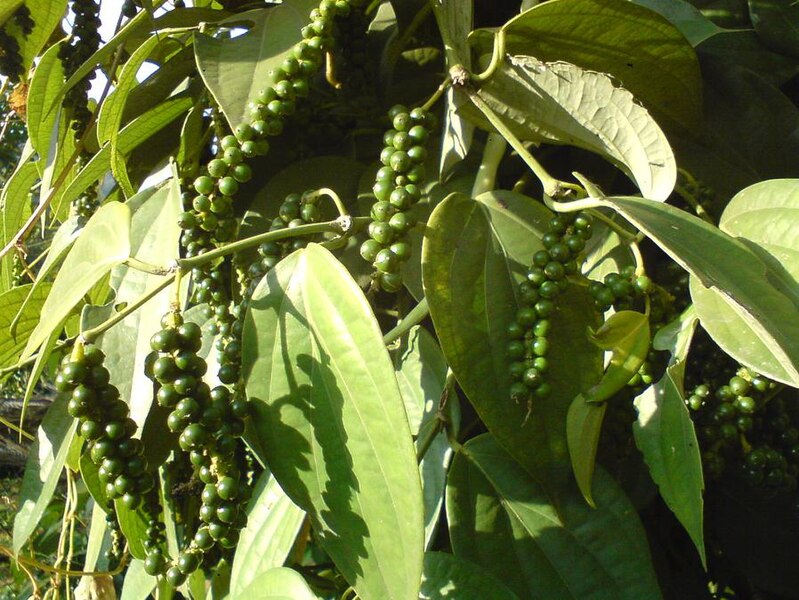
Black Pepper Vine is one of the world's most famous and historically important spice plants. Native to the tropical forests of southern India, this evergreen climbing vine produces the peppercorns that have flavored foods and shaped global trade for thousands of years.
Today, black pepper remains the world's most widely traded spice, but few people realize that the familiar pepper shaker on the dining table begins as clusters of small berries hanging from a beautiful tropical vine. With its glossy foliage, ornamental fruit spikes, and rich history, Black Pepper Vine is both a fascinating collector plant and an important food crop.
Plant Characteristics- Botanical Name: Piper nigrum
- Common Names: Black Pepper, Pepper Vine, Black Pepper Vine
- Plant Type: Tropical evergreen fruiting vine
- USDA Zones: 10-12
- Height: 10-30 feet with support
- Spread: Variable depending upon support structure
- Sun Requirements: Bright filtered light to partial sun
- Flower Color: Small creamy white flowers
- Bloom Time: Warm season
- Fruit: Clusters of round peppercorn berries
The familiar black, white, green, and red peppercorns all originate from the same plant. The differences result from harvest timing and processing methods rather than different species.
- Black peppercorns
- White peppercorns
- Green peppercorns
- Red peppercorns
- Seasonings and spice blends
- Pickling
- Traditional cuisine
- Gourmet cooking
Fresh peppercorn clusters are highly ornamental and gradually change color as they mature.
Interesting Pepper FactBlack, white, green, and red peppercorns can all come from the same vine. Black pepper is made from immature berries that are dried, white pepper from mature berries with the outer skin removed, green pepper from young preserved berries, and red pepper from fully ripe fruits.
Germination Instructions- Soak seeds in warm water for 24 hours.
- Sow approximately 1/4 inch deep in a rich, well-drained growing medium.
- Maintain temperatures between 75-90°F.
- Keep soil consistently moist.
- Provide high humidity.
- Place in bright indirect light.
- Germination may require several weeks to several months.
- Transplant carefully once seedlings become established.
Black Pepper Vine thrives in warm, humid tropical conditions similar to those found in rainforest environments. Plants prefer fertile soil, regular moisture, and protection from cold temperatures.
In nature, the vine climbs trees using aerial roots and can reach impressive heights. In cultivation, it is commonly trained on poles, trellises, fences, or greenhouse supports.
Consistent warmth and humidity encourage the most vigorous growth and fruit production.
Container GrowingBlack Pepper Vine adapts exceptionally well to container culture.
- Use containers of at least 10-20 gallons.
- Provide a sturdy trellis, pole, or support.
- Use rich, well-drained potting soil.
- Maintain consistent moisture.
- Increase humidity whenever possible.
- Protect from temperatures below 50°F.
Container culture allows gardeners in cooler climates to grow this remarkable spice plant in greenhouses, sunrooms, or protected patios.
Pollinator ValueThe small flowers attract tiny beneficial insects and pollinators in tropical environments. Although not particularly showy, the flowers support local insect populations and contribute to rainforest biodiversity.
Wildlife ValueIn its native habitat, Black Pepper Vine contributes to forest ecosystems by providing shelter and food resources for insects and other small wildlife.
The dense evergreen foliage creates cover while the climbing habit adds vertical habitat diversity.
Historical and Cultural SignificanceFew plants have influenced human history more profoundly than Black Pepper. For centuries, pepper was so valuable that it was often used as currency, tribute, and a measure of wealth.
Ancient Roman merchants imported pepper from India at enormous expense, and medieval European demand for pepper helped establish vast trade networks across Asia, the Middle East, and Europe.
The search for direct access to pepper-producing regions helped inspire the great Age of Exploration. Voyages by Portuguese, Spanish, Dutch, and English traders were motivated in part by the lucrative spice trade.
Interesting Botanical Facts- Black pepper is technically a fruit, not a seed.
- The same vine produces black, white, green, and red peppercorns.
- Pepper has been cultivated for over 2,000 years.
- The vine climbs using aerial roots.
- Black pepper remains the world's most traded spice.
If there were a Hall of Fame for useful plants, Black Pepper would deserve a place near the top. Entire empires sought control of the pepper trade, and fortunes were built transporting peppercorns across continents and oceans. During the Middle Ages, pepper was valuable enough to be used as currency and was often referred to as "Black Gold." Yet behind this extraordinary history is a surprisingly attractive tropical vine that can be grown by collectors and adventurous gardeners. Few plants offer such a direct connection to world history, global commerce, and everyday life.
For over a thousand more unique seed varieties, all in stock and ready to ship, visit our Seed Catalog Index Page .