
White Flesh Dragon Fruit Seeds
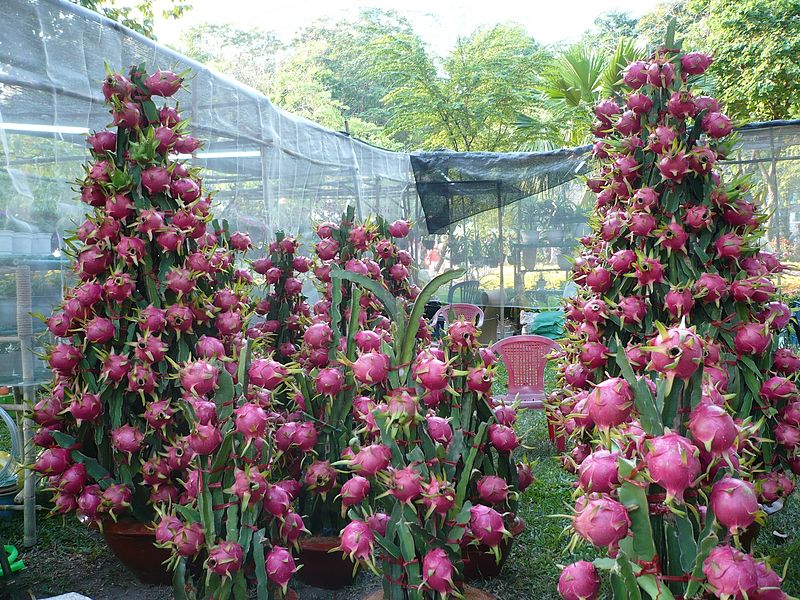

White Flesh Dragon Fruit, also known as Pitaya or Strawberry Pear, is one of the world's most unusual and beautiful fruits. Native to Central America and now cultivated throughout tropical and subtropical regions worldwide, this climbing cactus produces spectacular night-blooming flowers followed by striking pink-red fruits with white, sweet flesh speckled with tiny black seeds. The fruit is refreshing, mildly sweet, and often compared to a blend of kiwi, pear, and melon.
Unlike desert cacti, Dragon Fruit is a tropical climbing cactus that thrives in warm climates and can be grown on trellises, fences, arbors, or even in large containers. Its dramatic flowers, edible fruit, and exotic appearance make it both a productive fruit crop and an attractive ornamental plant.
Plant Characteristics- Botanical Name: Hylocereus undatus
- Common Names: White Flesh Dragon Fruit, Pitaya, Pitahaya, Strawberry Pear
- Plant Type: Tropical climbing cactus
- USDA Zones: 9-11
- Height: 15-25 feet with support
- Spread: 6-10 feet
- Sun Requirements: Full sun to partial shade
- Flower Color: Large fragrant white blooms
- Bloom Time: Summer through fall
- Fruit Size: 4-12 ounces or larger
The bright pink fruits contain juicy white flesh dotted with edible black seeds. The flavor is mildly sweet, refreshing, and less intense than many tropical fruits, making it excellent for fresh eating. Dragon Fruit is rich in antioxidants, vitamin C, fiber, and beneficial plant compounds.
Popular uses include:
- Fresh eating directly from the fruit
- Fruit salads and tropical fruit platters
- Smoothies and juices
- Desserts and sorbets
- Jams and preserves
- Cocktails and beverages
- Decorative culinary presentations
- Soak seeds in warm water for 12-24 hours before planting.
- Fill seed trays or pots with a well-drained cactus or seed-starting mix.
- Sow seeds on the surface and lightly cover with 1/8 inch of soil.
- Maintain temperatures between 75-85°F (24-29°C).
- Keep soil consistently moist but never waterlogged.
- Provide bright indirect light during germination.
- Seeds typically germinate in 2-6 weeks.
- Transplant seedlings when several inches tall.
Dragon Fruit prefers well-drained soil and benefits from support structures as it grows. Unlike many cacti, it appreciates regular moisture during active growth but should not be allowed to remain in wet soil. Mature plants can become surprisingly productive, yielding multiple harvests per year under favorable conditions.
Plants typically begin flowering within 2-5 years from seed. The spectacular flowers may reach 12 inches across and are often referred to as "Queen of the Night" blooms due to their nighttime opening and short lifespan.
In cooler climates, Dragon Fruit can be grown in containers and moved indoors during freezing weather.
Container GrowingDragon Fruit adapts exceptionally well to container culture.
- Use a container at least 15-25 gallons in size.
- Provide sturdy support such as a post, trellis, or arbor.
- Use a fast-draining cactus mix amended with compost.
- Place in full sun or bright light.
- Water when the top inch of soil becomes dry.
- Protect from temperatures below 32°F.
- Prune as needed to maintain shape and productivity.
Container-grown plants often fruit successfully and are popular in patios, sunrooms, and greenhouses.
Pollinator ValueThe enormous fragrant flowers attract a variety of pollinators including moths, bees, and other beneficial insects. In its native range, bats are important pollinators. The blooms are among the largest produced by any fruiting cactus and create a spectacular nighttime display.
Wildlife ValueBirds and small animals are attracted to ripe fruits. The flowers provide nectar resources for nighttime pollinators, while the dense stems offer shelter for beneficial wildlife.
Historical and Cultural SignificanceDragon Fruit originated in Central America and was cultivated by indigenous peoples long before European contact. French colonists later introduced it to Southeast Asia, where it became widely grown and commercially important. Today Vietnam, Thailand, Malaysia, Israel, and numerous tropical countries cultivate Dragon Fruit extensively for export markets.
The fruit's dramatic appearance has helped it become one of the most recognizable exotic fruits in the world. Its name comes from the bright scales on the fruit's skin, which resemble the scales depicted on mythical dragons.
Seedman NoteOne of the most fascinating aspects of Dragon Fruit is its spectacular flowers. Each bloom opens for only a single night, often reaching dinner-plate size and filling the air with fragrance. Early morning visitors are often surprised to discover that the magnificent blossoms have already begun to fade by sunrise. Fortunately, successful pollination is rewarded with some of the most striking and unusual fruits found anywhere in the plant kingdom.
For over a thousand more unique seed varieties, all in stock and ready to ship, visit our Seed Catalog Index Page .

Contact Us | Privacy Policy | About Us
Serving gardeners since 1992
State of Mississippi Seedmen's Permit #C-391, Ohio 90152, Minnesota 20086777