
Camellia Tea Plant Seeds
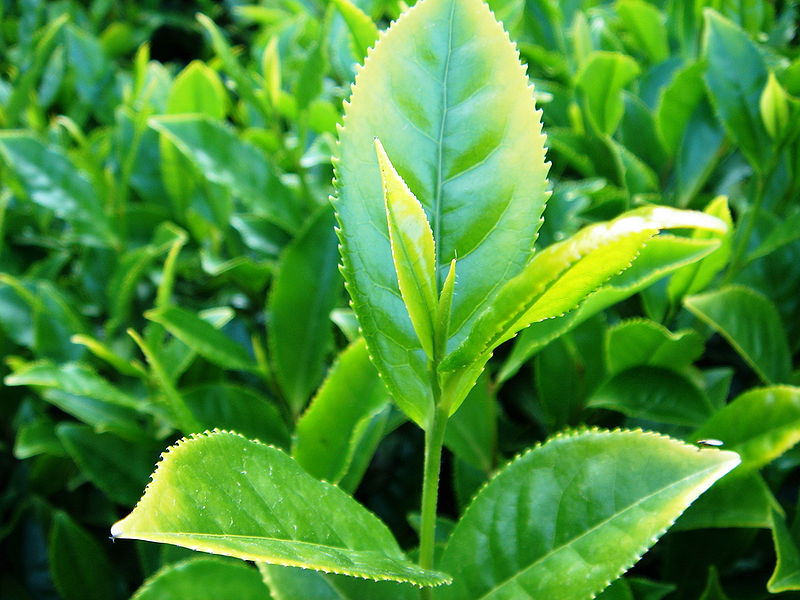
The Camellia Tea Plant is one of the most important cultivated plants in human history and the source of all true teas, including green tea, black tea, white tea, oolong tea, and pu-erh tea. Native to Asia and cultivated for thousands of years, Camellia sinensis is an attractive evergreen shrub prized for its glossy foliage, fragrant white flowers, and the flavorful young leaves used to produce the world's most popular beverage after water.
In addition to its historical and culinary significance, the Tea Plant is a beautiful ornamental shrub that can be grown in gardens, containers, greenhouses, and even as a houseplant in bright locations. Mature plants develop attractive dark green foliage and produce charming white flowers with golden-yellow centers during the cooler months.
For gardeners, growing your own tea offers the unique opportunity to harvest fresh leaves and experiment with producing different tea styles at home. Few plants offer such a fascinating combination of beauty, history, and usefulness.
Uses- Home tea production.
- Green tea.
- Black tea.
- White tea.
- Oolong tea.
- Herbal tea blends.
- Container gardening.
- Ornamental evergreen shrub.
One of the most fascinating aspects of the Tea Plant is that all traditional teas come from the same species. The difference between green tea, black tea, white tea, and oolong tea comes from how the harvested leaves are processed.
- White Tea: Young buds and leaves are harvested and simply dried with minimal processing.
- Green Tea: Fresh leaves are quickly heated after harvest to prevent oxidation, preserving their green color and fresh flavor.
- Oolong Tea: Leaves are partially oxidized, producing flavors between green and black tea.
- Black Tea: Leaves are fully oxidized, creating the rich color and robust flavor most people associate with traditional tea.
- Pu-erh Tea: Leaves undergo fermentation and aging, developing complex flavors over time.
Home gardeners can experiment with these methods using freshly harvested leaves, creating a truly unique tea-growing experience.
Germination Instructions- Soak seeds in warm water for 24 hours before planting.
- Discard any seeds that float for extended periods.
- Sow seeds approximately 1 inch deep in a well-drained acidic seed-starting mix.
- Maintain temperatures between 70-80°F (21-27°C).
- Keep soil consistently moist but never waterlogged.
- Provide bright indirect light.
- Germination may take several weeks to several months.
- Botanical Name: Camellia sinensis
- Plant Type: Evergreen shrub
- USDA Zones: 7-10
- Sun Exposure: Full sun to partial shade
- Soil: Acidic, rich, well-drained soil
- Water: Consistent moisture
- Height: 6-15 feet if unpruned
- Growth Rate: Moderate
- Flower Color: White with yellow centers
Tea plants prefer conditions similar to those enjoyed by azaleas and other acid-loving plants. Regular moisture, organic matter, and protection from extreme drought help maintain healthy growth and productive foliage.
Container GrowingCamellia Tea Plants are excellent candidates for container culture. Use a high-quality acidic potting mix and a container with excellent drainage. Regular pruning can maintain a compact size and encourage fresh new growth, which is the preferred material for tea production.
Special Features- Source of all true teas.
- Evergreen ornamental shrub.
- Fragrant white flowers.
- Suitable for container growing.
- Long-lived and productive.
- Excellent conversation piece.
- Can be harvested for homemade tea.
- Attractive glossy foliage year-round.
Tea plants prefer acidic soil conditions similar to blueberries, azaleas, and gardenias. If grown in alkaline soils, plants may benefit from soil amendments designed for acid-loving plants. Regular harvesting of young shoot tips encourages branching and helps create the dense growth habit traditionally maintained in commercial tea gardens.
Many gardeners are surprised to learn that a home-grown tea plant can provide leaves for many years. Even a single mature shrub can yield enough foliage for occasional homemade tea while remaining an attractive ornamental plant.
Camellia Tea Plant (Camellia sinensis) offers the rare opportunity to grow one of the world's most important beverage crops in your own garden. Beautiful, useful, and steeped in history, it is a rewarding plant for gardeners, tea enthusiasts, and collectors alike.
For over a thousand more unique seed varieties, all in stock and ready to ship, visit our Seed Catalog Index Page .

Contact Us | Privacy Policy | About Us
Serving gardeners since 1992
State of Mississippi Seedmen's Permit #C-391, Ohio 90152, Minnesota 20086777