
Catalpa Worm Tree Seeds
Grow a beautiful lawn tree and have all the fishing bait you and your family and friends will ever need!
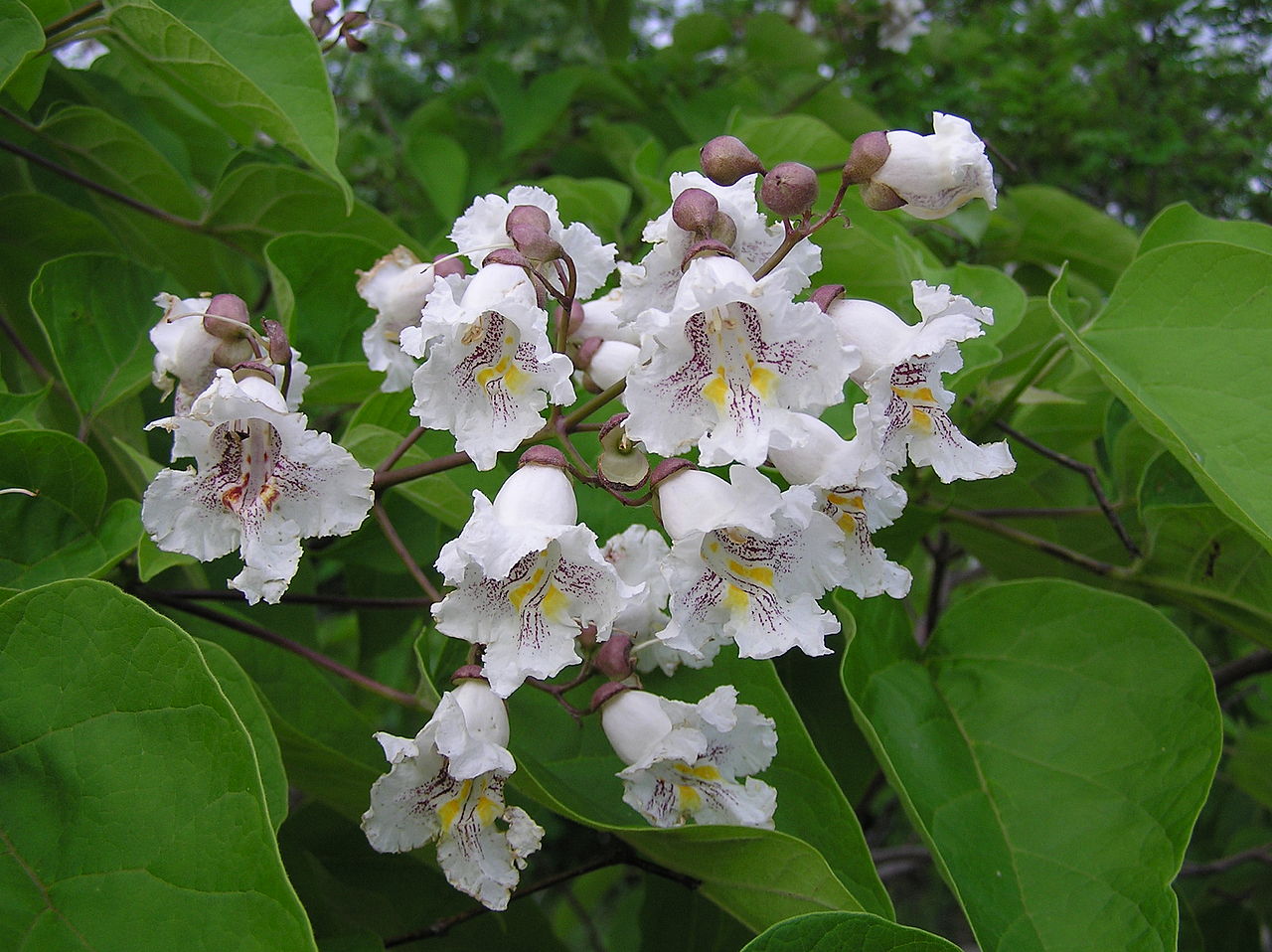
Southern Catalpa, often affectionately known as the Catalpa Worm Tree, is one of the most distinctive and beloved native shade trees of the American South. Famous for its enormous heart-shaped leaves, spectacular orchid-like flowers, and long bean-like seed pods, this fast-growing tree creates a bold statement in the landscape.
Mature specimens typically reach 30 to 60 feet in height with a broad, rounded crown that provides generous shade. During late spring and early summer, large clusters of white flowers decorated with purple and yellow markings cover the canopy. These showy blossoms resemble miniature orchids and attract attention from considerable distances.
Following flowering, the tree produces long, slender seed pods often called "Indian cigars" that may persist well into winter, adding unique ornamental interest.
Landscape Uses- Specimen lawn tree
- Shade tree
- Wildlife gardens
- Fishing properties
- Rural landscapes
- Large yard focal point
- Native plant collections
- Historic landscapes
Its broad canopy, dramatic foliage, and unusual seed pods make Southern Catalpa a memorable specimen tree for spacious landscapes.
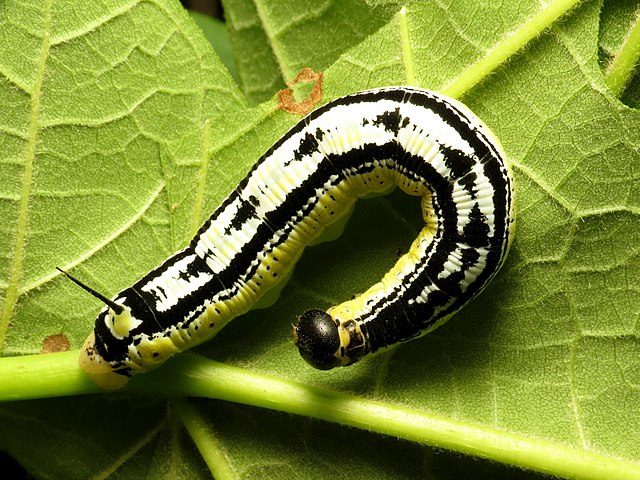
Important Landscape NoteSouthern Catalpa is famous among fishermen because it serves as the host plant for the Catalpa Sphinx Moth caterpillar, commonly called the Catalpa Worm. These caterpillars are considered one of the finest live fishing baits available and have inspired generations of anglers to plant Catalpa trees near ponds and fishing camps.
Germination Information- Seeds generally require no stratification.
- Sow seeds lightly on the soil surface or cover very lightly.
- Maintain temperatures between 65-80°F.
- Keep evenly moist.
- Provide bright light.
- Germination usually occurs within 1-3 weeks.
- Botanical Name: Catalpa bignonioides
- Plant Type: Deciduous Shade Tree
- USDA Zones: 5-9
- Sun Exposure: Full Sun
- Mature Height: 30-60 Feet
- Mature Spread: 25-50 Feet
- Growth Rate: Fast
- Soil Preference: Adaptable to most soils
- Water Requirements: Moderate
Southern Catalpa tolerates clay, loam, sandy soils, heat, humidity, and occasional drought once established. Its adaptability has made it a favorite throughout much of the eastern United States.
Container GrowingSeedlings may be grown in large containers for several years, but the rapid growth and eventual size of Southern Catalpa make landscape planting necessary for long-term success.
In many rural communities, Catalpa trees were planted specifically to produce Catalpa Worms for fishing bait. Entire family traditions developed around harvesting and preserving the caterpillars for use during fishing season.
Southern Catalpa is one of those trees that always sparks conversation. Between its giant leaves, beautiful flowers, dangling seed pods, and legendary fishing worms, it offers far more character than the average shade tree while providing excellent wildlife value and cooling shade.
Many Southern fishermen consider Catalpa Worms the ultimate bait for catfish, bream, and bass. Some anglers have maintained family Catalpa trees for generations, not for their flowers or shade, but for the annual harvest of the famous worms. Few landscape trees possess such a unique connection to American outdoor traditions.
For over a thousand more unique seed varieties, all in stock and ready to ship, visit our Seed Catalog Index Page .

Contact Us | Privacy Policy | About Us
Serving gardeners since 1992
State of Mississippi Seedmen's Permit #C-391, Ohio 90152, Minnesota 20086777