
Eastern Red Cedar Seeds
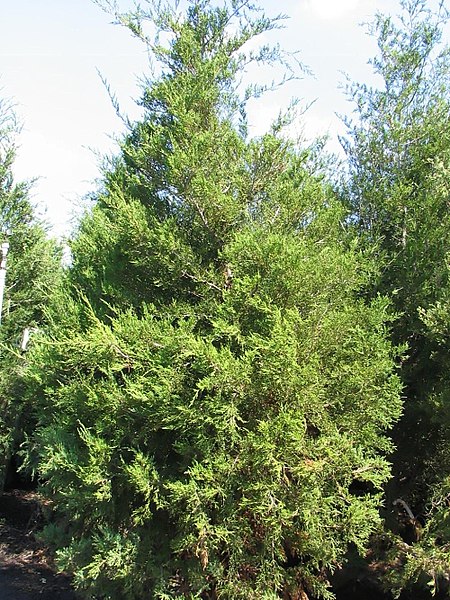
Eastern Red Cedar (Juniperus virginiana) is one of the most useful and adaptable native evergreen trees in North America. Found growing naturally from Canada to the Gulf Coast, this rugged conifer is prized for its year-round beauty, wildlife value, fragrant wood, drought tolerance, and remarkable ability to thrive in difficult conditions. Despite its common name, Eastern Red Cedar is actually a juniper and belongs to the cypress family.
Its dense evergreen foliage ranges from rich green to blue-green, often taking on attractive bronze or purplish tones during winter. Mature female trees produce decorative blue berry-like cones that provide an important food source for birds and wildlife. With its pyramidal form, durability, and low maintenance requirements, Eastern Red Cedar remains one of the finest native landscape trees available.
⭐⭐⭐⭐⭐ Landscape Tree Rating: 5 out of 5 Stars ⭐⭐⭐⭐⭐ Wildlife Value Rating: 5 out of 5 Stars Plant Characteristics- Botanical Name: Juniperus virginiana
- Common Names: Eastern Red Cedar, Red Juniper, Virginia Juniper
- Plant Type: Evergreen Conifer
- Mature Height: 30 to 60 feet
- Mature Spread: 10 to 25 feet
- Growth Rate: Moderate
- Sun Exposure: Full Sun
- USDA Zones: 2-9
Eastern Red Cedar is exceptionally versatile and adapts to a wide variety of landscape situations.
- Specimen lawn tree
- Windbreaks
- Privacy screens
- Wildlife plantings
- Naturalized landscapes
- Farm and ranch wind protection
- Erosion control projects
- Native tree collections
Eastern Red Cedar thrives where many other trees struggle. It tolerates drought, poor soils, rocky conditions, heat, cold, and wind, making it one of the most dependable native evergreens available.
Germination InformationEastern Red Cedar seeds naturally possess dormancy and benefit from stratification.
- Remove seeds from ripe berries.
- Warm stratify for 60-90 days.
- Follow with cold stratification for 90-120 days.
- Sow in well-drained growing medium.
- Keep evenly moist.
- Germination may occur gradually over several months.
Eastern Red Cedar grows best in full sun and well-drained soils but is highly adaptable to a wide range of conditions.
- Excellent drought tolerance
- Cold hardy
- Heat tolerant
- Tolerates poor soils
- Low maintenance
Once established, the tree typically requires little supplemental watering and performs reliably for decades.
Container GrowingYoung trees may be grown in large containers for several years. The species is also widely used in bonsai due to its attractive bark, evergreen foliage, and adaptability to shaping.
Pollinator ValueAlthough wind pollinated, Eastern Red Cedar contributes greatly to local ecosystems by providing year-round habitat and shelter.
- Supports beneficial insects
- Provides nesting habitat
- Enhances biodiversity
Few native trees rival Eastern Red Cedar for wildlife value.
- Blue berries feed over 50 bird species
- Excellent nesting cover
- Winter shelter for wildlife
- Protection from predators
- Supports native ecosystems
Cedar Waxwings, Robins, Bluebirds, and many other species eagerly consume the berry-like cones during winter.
Historical and Cultural SignificanceEastern Red Cedar has played an important role throughout American history. Native American tribes utilized the wood, bark, and foliage for tools, medicines, shelter materials, and ceremonial purposes.
Early settlers prized the fragrant wood for fence posts, chests, closets, and furniture because of its exceptional resistance to decay and insects.
Botanical Facts- Actually a juniper, not a true cedar.
- Produces aromatic red heartwood.
- Female trees produce blue berry-like cones.
- Can live for several hundred years.
- One of the most widely distributed native conifers in eastern North America.
The fragrant wood is naturally resistant to insects and decay. It has long been used for cedar chests, closet linings, fence posts, pencils, furniture, and specialty woodworking projects.
Seedman Growing TipPlant Eastern Red Cedar in full sun and avoid heavily shaded locations. The tree's naturally dense form and excellent drought tolerance make it an outstanding choice for low-maintenance landscapes.
Seedman NoteEastern Red Cedar is one of North America's most valuable native evergreens. Its combination of beauty, toughness, wildlife value, and fragrant wood make it a true multipurpose landscape tree. Whether planted as a specimen, windbreak, privacy screen, or wildlife habitat tree, Juniperus virginiana delivers dependable performance for generations.
Historical Seedman Fact: The aromatic wood of Eastern Red Cedar was once one of the primary woods used in the manufacture of cedar chests and wooden pencils. Its natural insect-repelling properties made it highly prized for protecting clothing, blankets, and heirlooms from moth damage.
For over a thousand more unique seed varieties, all in stock and ready to ship, visit our Seed Catalog Index Page .

Contact Us | Privacy Policy | About Us
Serving gardeners since 1992
State of Mississippi Seedmen's Permit #C-391, Ohio 90152, Minnesota 20086777