
Incense Cedar Tree Seeds
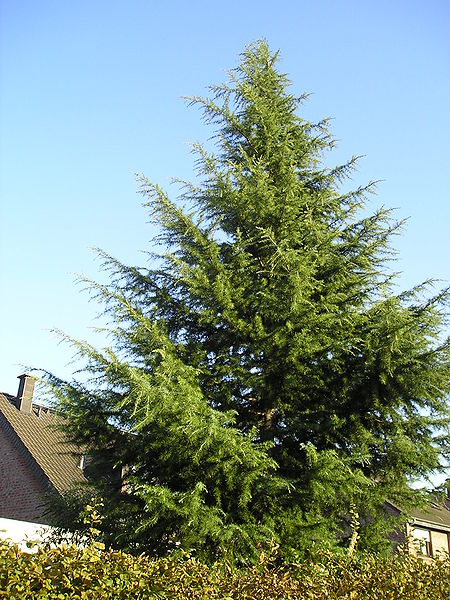
Incense Cedar (Calocedrus decurrens) is one of the most elegant and long-lived evergreen trees of western North America. Native to the mountains of California, Oregon, Nevada, and Baja California, this stately conifer is prized for its graceful pyramidal form, rich green foliage, aromatic wood, and remarkable durability. Despite its common name, Incense Cedar is not a true cedar but belongs to the cypress family, where it stands among the most beautiful ornamental evergreens available.
The tree's soft, drooping sprays of foliage create a refined texture that distinguishes it from many other conifers. As it matures, Incense Cedar develops a majestic, narrow crown and deeply furrowed reddish-brown bark, becoming an impressive specimen capable of enhancing landscapes for generations.
⭐⭐⭐⭐⭐ Landscape Tree Rating: 5 out of 5 Stars ⭐⭐⭐⭐⭐ Longevity Rating: 5 out of 5 Stars Plant Characteristics- Botanical Name: Calocedrus decurrens
- Common Names: Incense Cedar, California Incense Cedar
- Plant Type: Evergreen Conifer
- Mature Height: 50 to 100 feet
- Mature Spread: 15 to 30 feet
- Growth Rate: Moderate
- Sun Exposure: Full Sun to Partial Shade
- USDA Zones: 5-8
Incense Cedar makes a magnificent specimen tree and is especially effective where a tall, narrow evergreen is desired.
- Specimen lawn tree
- Estate landscapes
- Windbreak plantings
- Privacy screens
- Conifer collections
- Park landscapes
- Mountain-themed gardens
- Long-term legacy tree plantings
Incense Cedar develops a naturally symmetrical form and generally requires little pruning. Its narrow habit allows it to fit into landscapes where broader evergreen species may become too large.
Germination InformationSeeds germinate best after a period of cold stratification.
- Soak seeds in water for 24 hours.
- Cold stratify for 30 to 60 days at 34-40°F.
- Sow lightly on the soil surface or cover very lightly.
- Maintain even moisture.
- Provide temperatures of 60-70°F.
- Germination typically occurs within several weeks.
Incense Cedar prefers well-drained soils and performs exceptionally well in areas with cool winters and dry summers. Once established, it demonstrates excellent drought tolerance.
- Excellent drought tolerance
- Cold hardy
- Adaptable to various soil types
- Low maintenance
- Extremely long-lived
Young trees benefit from regular watering during establishment but become increasingly resilient with age.
Container GrowingSeedlings may be grown in containers during their early years. Due to its eventual size, Incense Cedar is best planted into the landscape while young to allow unrestricted root development.
Pollinator ValueIncense Cedar is wind pollinated and does not produce nectar-rich flowers. However, it contributes to ecological diversity by providing valuable evergreen habitat.
- Year-round habitat value
- Supports beneficial insects
- Provides shelter for wildlife
The dense evergreen canopy provides excellent cover throughout the year.
- Nesting sites for birds
- Winter shelter for wildlife
- Protective cover from predators
- Habitat for numerous woodland species
- Excellent evergreen refuge
Incense Cedar has played an important role in western North American forests for centuries. Native American tribes utilized the wood and bark for a variety of practical and ceremonial purposes. The fragrant wood was highly valued for its resistance to decay and insect damage.
In modern times, Incense Cedar became famous as one of the primary woods used in the manufacture of quality wooden pencils. Its straight grain, pleasant aroma, and workability made it highly desirable for this purpose.
Botanical Facts- Not a true cedar despite its common name.
- Belongs to the cypress family.
- Produces distinctive duck-bill-shaped cones.
- The foliage emits a pleasant fragrance when crushed.
- Some specimens may live for 500 years or more.
The aromatic wood is naturally resistant to insects and decay. Historically, it has been used for pencils, chests, closets, fencing, and specialty woodworking projects where durability and fragrance were valued.
Seedman Growing TipPlant Incense Cedar where its naturally elegant form can be appreciated. It performs especially well in sunny locations with good drainage and benefits from deep but infrequent watering once established.
Seedman NoteIncense Cedar combines beauty, toughness, and longevity in a way few landscape trees can match. Its graceful form, aromatic foliage, and rich history make it one of the finest evergreen specimen trees available. For homeowners seeking a conifer that will provide beauty for generations, Calocedrus decurrens is an outstanding choice.
Historical Seedman Fact: For much of the twentieth century, Incense Cedar was considered the premier wood for manufacturing high-quality wooden pencils. Millions of pencils worldwide were produced from the fragrant, straight-grained wood of this remarkable tree.
For over a thousand more unique seed varieties, all in stock and ready to ship, visit our Seed Catalog Index Page .

Contact Us | Privacy Policy | About Us
Serving gardeners since 1992
State of Mississippi Seedmen's Permit #C-391, Ohio 90152, Minnesota 20086777