
Cedar of Lebanon Seeds
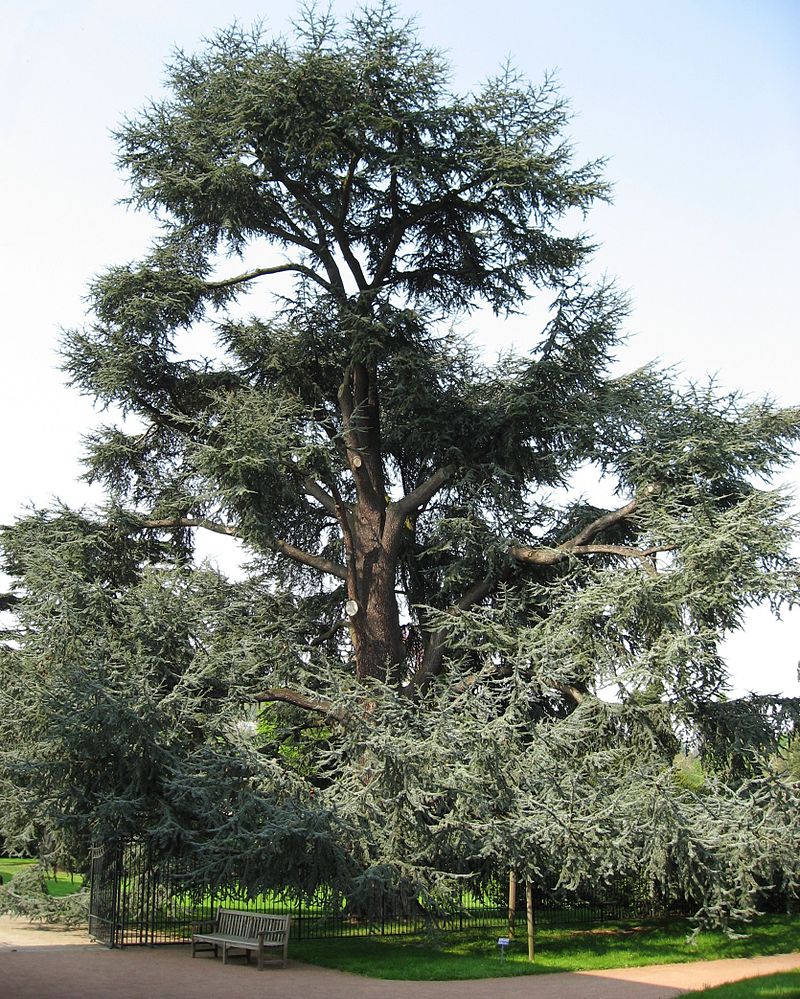
Landscape Rating: ⭐⭐⭐⭐⭐ (5/5 Stars)
Plant CharacteristicsCedar of Lebanon is one of the most famous and historically significant trees in the world. Native to the mountains of Lebanon, Syria, and parts of Turkey, this majestic evergreen has been admired for thousands of years for its immense size, broad layered branches, fragrant wood, and remarkable longevity.
Young trees develop a handsome pyramidal shape, but with age they transform into one of the most distinctive silhouettes in the plant kingdom. Mature specimens develop massive horizontal branches that spread outward in broad tiers, creating an architectural appearance unlike any other conifer.
In ideal conditions, Cedar of Lebanon may reach heights of 60 to 100 feet and spread equally wide. The rich green to blue-green needles remain attractive year-round, while the rugged bark and massive trunk contribute to its commanding presence.
Few specimen trees convey a greater sense of permanence, dignity, and grandeur than a mature Cedar of Lebanon.
Landscape Uses- Specimen lawn tree
- Estate landscapes
- Historic gardens
- Park plantings
- Memorial plantings
- Large shade tree
- Collector conifer gardens
- Legacy tree plantings
Cedar of Lebanon is best utilized where its mature form can be fully appreciated. Given adequate space, it becomes one of the most impressive landscape trees in existence.
Important Landscape NoteThis species requires significant room for its eventual spread. While growth is moderate during youth, mature trees develop enormous horizontal branches that can extend many feet from the trunk.
Germination Information- Cold stratify seeds for 30-60 days.
- Sow seeds approximately ¼ inch deep.
- Maintain temperatures between 60-75°F.
- Keep evenly moist but not saturated.
- Provide bright indirect light.
- Germination typically occurs within 2-8 weeks.
- Botanical Name: Cedrus libani
- Plant Type: Evergreen Conifer Tree
- USDA Zones: 5-9
- Sun Exposure: Full Sun
- Mature Height: 60-100 Feet
- Mature Spread: 40-80 Feet
- Growth Rate: Moderate
- Soil Preference: Well-drained soils
- Water Requirements: Moderate
Cedar of Lebanon prefers deep, well-drained soils and adapts to a wide variety of conditions once established. Mature trees demonstrate excellent drought tolerance and longevity.
Container GrowingYoung seedlings can be maintained in containers for several years. Due to the tree's eventual size and extensive root system, permanent landscape planting is strongly recommended.
Pollinator & Wildlife ValueAs a wind-pollinated conifer, Cedar of Lebanon does not rely on insects for pollination. However, its dense evergreen canopy provides valuable shelter, nesting sites, and year-round cover for birds and wildlife.
Mature specimens become important habitat trees that contribute significantly to landscape biodiversity.
Historical & Cultural SignificanceFew trees possess a richer history than Cedar of Lebanon. References to this species appear throughout ancient writings and historical records dating back thousands of years.
The fragrant, decay-resistant wood was highly prized by ancient civilizations including the Phoenicians, Egyptians, Assyrians, Babylonians, Persians, Greeks, and Romans. Cedar timber was used in temples, palaces, ships, and monumental structures throughout the ancient world.
Today, the Cedar of Lebanon remains the national symbol of Lebanon and appears prominently on the country's flag.
Botanical Facts- Member of the Pine Family (Pinaceae).
- Native to the mountains of the Middle East.
- Can live for more than 1,000 years.
- Develops a distinctive flat-topped crown with age.
- Produces upright barrel-shaped cones.
- One of the world's most historically important trees.
Cedar of Lebanon is more than simply a tree—it is a living monument. Its majestic form, incredible longevity, and historical significance make it one of the finest specimen conifers available for large landscapes.
Additional Seedman NoteSome Cedar of Lebanon groves in the mountains of Lebanon contain trees believed to be many centuries old, with a few specimens estimated to approach or exceed a thousand years in age. These ancient giants were already mature when medieval castles were being built and continue to stand today as living witnesses to human history. Planting a Cedar of Lebanon is truly planting a tree for future generations.
For over a thousand more unique seed varieties, all in stock and ready to ship, visit our Seed Catalog Index Page .

Contact Us | Privacy Policy | About Us
Serving gardeners since 1992
State of Mississippi Seedmen's Permit #C-391, Ohio 90152, Minnesota 20086777