
Chairmaker's Rush Seeds
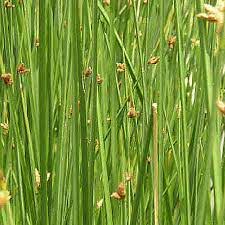
Chairmaker's Rush is a fascinating wetland plant that combines ornamental beauty with a rich history of practical human use. Native to marshes, lake shores, wetlands, and coastal habitats across much of North America, Europe, and Asia, this distinctive rush forms dense clumps of upright green stems that add strong architectural interest to gardens and water features.
For centuries, its durable stems were harvested and woven into chair seats, baskets, mats, and household items, earning the plant its memorable common name. Today, gardeners appreciate Chairmaker's Rush for its unique appearance, wildlife value, and adaptability to water gardens and decorative containers.
Plant Characteristics- Botanical Name: Scirpus pungens
- Common Names: Chairmaker's Rush, Three-Square Bulrush, Common Three-Square
- Plant Type: Perennial Rush
- Mature Height: 2 to 4 feet
- Mature Spread: 2 to 4 feet
- Growth Rate: Moderate
- USDA Zones: 4 to 10
- Sun Exposure: Full Sun to Partial Shade
- Soil Requirements: Moist to Wet Soil
Unlike many ornamental grasses, Chairmaker's Rush thrives in consistently moist conditions and is exceptionally well suited for water-garden containers, pond margins, and decorative aquatic plantings.
- Use large containers without drainage holes when possible.
- Keep soil consistently moist or shallowly submerged.
- Use heavy loam-based planting mixes.
- Position in full sun for best growth.
- Excellent for patio water features and aquatic displays.
A decorative container placed near a pond or water garden can showcase the plant's distinctive upright stems beautifully.
Landscape Uses- Water gardens
- Pond margins
- Rain gardens
- Wetland restoration projects
- Wildlife gardens
- Naturalized landscapes
- Large aquatic containers
Its vertical structure provides excellent contrast against broad-leaved aquatic plants and flowering marsh species.
Germination Information- Sow seed on the soil surface.
- Do not deeply cover seeds.
- Maintain temperatures between 65°F and 80°F.
- Keep constantly moist.
- Germination generally occurs within 14 to 30 days.
Young seedlings appreciate consistently wet conditions during establishment.
Growing Information- Plant in moist to wet soils.
- Tolerates shallow standing water.
- Requires little maintenance.
- Remove old stems in late winter if desired.
- Spreads gradually by underground rhizomes.
Once established, Chairmaker's Rush becomes a durable and long-lived feature of wetland gardens.
Pollinator and Wildlife ValueThis species provides valuable habitat for waterfowl, amphibians, beneficial insects, and numerous wetland creatures. Dense clumps offer shelter and nesting sites while helping stabilize shorelines and reduce erosion.
Its ecological importance makes it a valuable addition to wildlife-friendly landscapes.
Deer ResistanceChairmaker's Rush is generally considered deer resistant due to its tough, fibrous stems.
Water ToleranceUnlike many ornamental grasses, Chairmaker's Rush thrives in wet soils and shallow standing water. It is an excellent choice for difficult sites where excess moisture limits the use of traditional landscape plants.
Historical and Cultural TidbitsFor hundreds of years, the tough stems of Chairmaker's Rush were harvested and woven into chair bottoms, basketry, floor mats, and household goods. Before modern synthetic materials became available, rush weaving was a valuable practical skill throughout many rural communities.
Indigenous peoples across North America utilized bulrushes and rushes for weaving, construction materials, and various household purposes long before European settlement.
The tradition of rush-bottom chairs became especially popular in Europe and colonial America, giving rise to the common name "Chairmaker's Rush."
Botanical Facts- The stems are distinctly triangular when viewed in cross-section.
- The plant belongs to the sedge family rather than the true grass family.
- Underground rhizomes help stabilize wet soils and shorelines.
- The species occurs naturally across multiple continents.
- The flower clusters form near the upper portions of the stems.
If you gently roll a stem between your fingers, you can feel its unique triangular shape. This three-sided stem structure is one of the easiest ways to distinguish Chairmaker's Rush from many other wetland plants.
Seedman NoteChairmaker's Rush offers a fascinating combination of ornamental beauty, wildlife value, and historical significance. Its architectural form makes it an excellent accent for water gardens, while its rich cultural heritage provides a wonderful story that many visitors will find just as interesting as the plant itself.
Ornamental Grass Rating: ★★★★★A distinctive wetland ornamental prized for its upright architectural form, wildlife value, water-garden adaptability, and centuries-long history as a weaving material.
For additional growing details, see our Chairmaker's Rush Seeds AI fact sheet.
For over a thousand more unique seed varieties, all in stock and ready to ship, visit our Seed Catalog Index Page .

Contact Us | Privacy Policy | About Us
Serving gardeners since 1992
State of Mississippi Seedmen's Permit #C-391, Ohio 90152, Minnesota 20086777