
Scotch Gypsy Broom Seeds
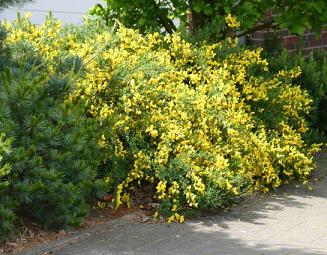
Scotch Gypsy Broom is a fast-growing flowering shrub renowned for its brilliant display of golden-yellow blossoms that can nearly cover the entire plant during spring. Native to Europe and widely cultivated around the world, it has become a favorite for informal hedges, sunny borders, erosion control, and wildlife plantings.
Its upright, arching branches create a naturally dense shrub that is especially attractive when planted in groups or hedgerows. During bloom, the plant transforms into a mass of bright color that can be seen from considerable distances.
For gardeners seeking a hedge that offers both privacy and spectacular seasonal beauty, Scotch Gypsy Broom is an excellent choice.
Plant Characteristics- Botanical Name: Cytisus scoparius
- Common Names: Scotch Broom, Scotch Gypsy Broom, Common Broom
- Plant Type: Deciduous flowering shrub
- USDA Zones: 5-8
- Height: 4-10 feet
- Spread: 4-8 feet
- Sun Requirements: Full sun
- Growth Rate: Fast
- Flower Color: Bright yellow
- Bloom Time: Spring to early summer
Scotch Gypsy Broom is especially useful in difficult sites where other hedge plants may struggle.
- Flowering hedges
- Property boundaries
- Wildlife screens
- Erosion control plantings
- Roadside plantings
- Sunny borders
- Drought-tolerant landscapes
- Naturalized hedgerows
When planted in rows, the shrubs create a colorful and highly attractive informal hedge.
Important Hedge NoteUnlike Yew or Arborvitae, Scotch Gypsy Broom is best used as a natural hedge rather than a tightly clipped formal hedge. Its graceful branching habit and seasonal flowers are best displayed when allowed to retain their natural shape.
Germination Instructions- Scarify seeds by lightly nicking the seed coat or soaking in hot water for 12-24 hours.
- Sow approximately 1/4 inch deep.
- Maintain temperatures of 65-75°F.
- Keep soil lightly moist.
- Provide bright light.
- Germination typically occurs within 2-6 weeks.
- Transplant seedlings when well established.
- Avoid excessive fertilization.
Scotch Gypsy Broom thrives in full sun and well-drained soil. It performs exceptionally well in poor, sandy, rocky, and drought-prone sites where many other shrubs struggle.
Once established, plants require little maintenance and often perform best when left relatively undisturbed.
The species is particularly useful for challenging sites where attractive screening is desired.
Container GrowingYoung plants can be grown in containers but perform best when eventually planted in the landscape.
- Use well-drained soil.
- Avoid overwatering.
- Provide full sun.
- Use moderate fertilization.
- Transplant before roots become crowded.
Landscape planting is recommended for mature specimens.
Pollinator ValueThe abundant yellow flowers attract honeybees, bumblebees, butterflies, and numerous beneficial insects. During bloom, plants often become highly active pollinator destinations.
Its nectar-rich flowers make it one of the more valuable flowering hedge plants for pollinator support.
Wildlife ValueDense branching provides nesting sites and shelter for birds and small mammals. The hedge structure offers excellent cover while flowering plants contribute seasonal food resources for insects.
Mature plantings can become valuable wildlife habitat.
Historical and Cultural SignificanceScotch Broom has a long history throughout Europe. During medieval times, its branches were used to make household brooms, which gave rise to its common name.
The shrub became closely associated with the Plantagenet dynasty of England, whose symbol incorporated broom sprigs.
Over time it spread throughout much of the world as both an ornamental and practical landscape plant.
Interesting Botanical Facts- The species name scoparius means "used for making brooms."
- The shrub belongs to the pea family.
- Its flowers can almost completely cover the plant during bloom.
- It fixes nitrogen in the soil, helping improve poor sites.
- Mature seed pods can burst open with an audible popping sound on hot days.
Scotch Gypsy Broom may be one of the best hedge plants for difficult locations. While many shrubs require rich soil and frequent care, this tough species thrives in poor ground, dry conditions, and exposed sites. Add a spectacular annual display of golden flowers, and you have a hedge that combines beauty with remarkable toughness.
For gardeners seeking a flowering hedge that performs where others fail, Scotch Gypsy Broom deserves serious consideration.
Additional Seedman NoteOne of the most unusual characteristics of Scotch Broom occurs after flowering. As the seed pods mature and dry, they can suddenly split open with a sharp cracking sound, launching seeds several feet away. On hot summer afternoons, large plantings sometimes sound like a bowl of popcorn quietly popping throughout the landscape.
Hedge Plant Rating- Privacy Screen: ★★★☆☆
- Flower Display: ★★★★★
- Drought Tolerance: ★★★★★
- Poor Soil Adaptability: ★★★★★
- Pollinator Value: ★★★★★
- Wildlife Shelter: ★★★★☆
- Ease of Maintenance: ★★★★★
- Formal Hedge Potential: ★★☆☆☆
Overall Hedge Rating: One of the finest flowering hedges for sunny, low-maintenance landscapes.