
Dawn Redwood Seeds
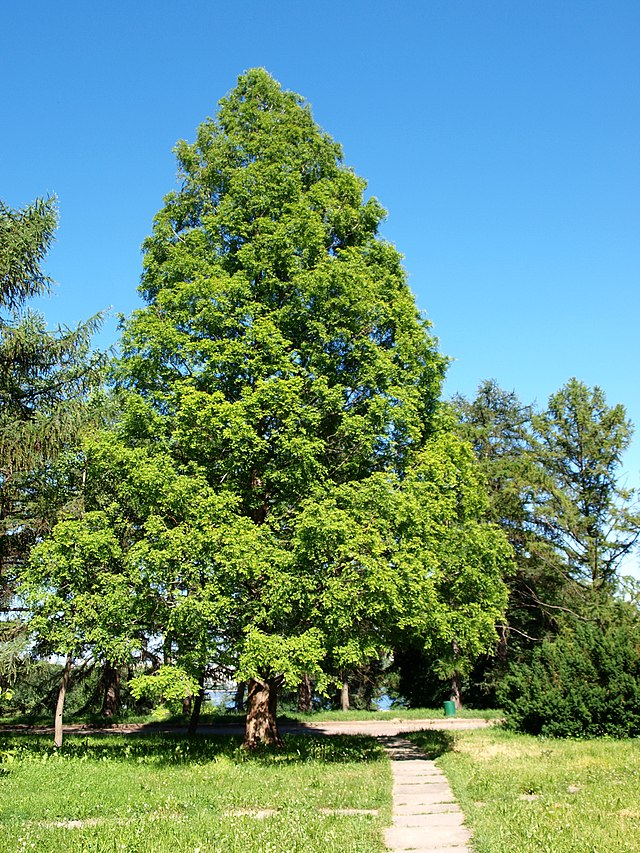
Landscape Rating: ⭐⭐⭐⭐⭐ (5/5 Stars)
Plant CharacteristicsDawn Redwood is one of the most remarkable trees ever discovered. Once believed to have been extinct for millions of years and known only through fossils, this ancient species was rediscovered alive in a remote valley of central China during the 1940s. Its discovery is considered one of the greatest botanical finds of the twentieth century.
Unlike most conifers, Dawn Redwood is deciduous, shedding its soft needle-like foliage each autumn. During spring and summer, the tree develops feathery, bright green foliage arranged in delicate sprays along gracefully arching branches. In autumn, the foliage transforms into beautiful shades of bronze, copper, orange, and cinnamon before falling.
Mature trees commonly reach 70 to 100 feet in cultivation and develop a straight trunk with a broad pyramidal crown. The reddish-brown bark becomes increasingly attractive with age, often exfoliating in vertical strips.
Its unique combination of redwood ancestry, soft foliage, rapid growth, and seasonal color makes it one of the most impressive specimen trees available.
Landscape Uses- Specimen lawn tree
- Large shade tree
- Estate landscapes
- Park plantings
- Arboretum collections
- Water feature landscapes
- Historic and legacy plantings
- Collector tree gardens
As a specimen lawn tree, Dawn Redwood quickly becomes a focal point and often generates conversation due to its fascinating history and unique appearance.
Important Landscape NoteDawn Redwood is a fast-growing tree and should be planted where its mature size can be accommodated. Given adequate room, it develops into a magnificent landscape specimen capable of living for generations.
Germination Information- Cold stratify seeds for 30-60 days.
- Sow seeds on the surface or cover very lightly.
- Provide bright light during germination.
- Maintain temperatures between 60-75°F.
- Keep evenly moist.
- Germination generally occurs within 2-6 weeks.
- Botanical Name: Metasequoia glyptostroboides
- Plant Type: Deciduous Conifer Tree
- USDA Zones: 4-8
- Sun Exposure: Full Sun
- Mature Height: 70-100+ Feet
- Mature Spread: 20-35 Feet
- Growth Rate: Fast
- Soil Preference: Moist, well-drained soils
- Water Requirements: Moderate
Dawn Redwood thrives in fertile soils with consistent moisture and performs particularly well near ponds, streams, and low areas where adequate water is available. It adapts surprisingly well to a variety of landscape conditions.
Container GrowingYoung seedlings can be grown in containers for several years, but their rapid growth eventually requires permanent landscape planting. Large containers may be used temporarily for patio specimens while plants are young.
Pollinator & Wildlife ValueAlthough wind-pollinated, Dawn Redwood provides valuable wildlife habitat. Birds utilize the branches for nesting and shelter, while mature trees create cooling shade and contribute to ecosystem diversity.
The tree's seasonal foliage and branching structure offer year-round habitat benefits for numerous species.
Historical & Cultural SignificanceDawn Redwood's rediscovery in China shocked the scientific community. Prior to 1941, Metasequoia was known only through fossil records dating back millions of years. Botanists believed the species had vanished long before humans appeared.
After living specimens were identified, seeds were distributed to botanical gardens and universities around the world. Today, many of the mature Dawn Redwoods growing in North America and Europe trace their lineage directly to those original seed collections.
The species is often called a "living fossil" because it survived largely unchanged from prehistoric times.
Botanical Facts- Member of the Cypress Family (Cupressaceae).
- Known as a living fossil.
- Rediscovered in China in the 1940s.
- One of only a few deciduous conifers.
- Produces beautiful copper-orange fall color.
- Closely related to Coast Redwood and Giant Sequoia.
Few trees offer the combination of beauty, history, and horticultural significance found in Dawn Redwood. Its soft foliage, rapid growth, stunning fall color, and extraordinary story make it one of the finest specimen trees available for large landscapes.
Additional Seedman NoteIf a botanist had traveled back in time 10 million years, they would have recognized Dawn Redwood forests immediately. The fact that this prehistoric tree survived undetected into modern times is one of the greatest mysteries and success stories in botany. Planting a Dawn Redwood is like planting a living piece of Earth's ancient history right in your own landscape.
For additional growing details, see our Dawn Redwood Seeds AI fact sheet.
For over a thousand more unique seed varieties, all in stock and ready to ship, visit our Seed Catalog Index Page .

Contact Us | Privacy Policy | About Us
Serving gardeners since 1992
State of Mississippi Seedmen's Permit #C-391, Ohio 90152, Minnesota 20086777