
Desert Spoon Seeds
★★★★★ Xeriscape Landscape Rating: 5 out of 5 Stars
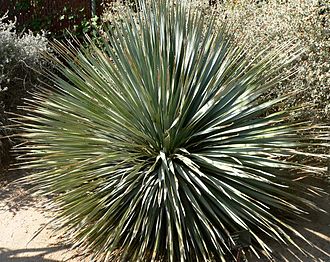
Desert Spoon is one of the most distinctive and architecturally striking plants of the American Southwest. Native to the deserts and rocky slopes of Arizona, New Mexico, Texas, and northern Mexico, this rugged evergreen species forms a dramatic spherical rosette of narrow blue-gray leaves that radiate outward in near-perfect symmetry.
Its sculptural appearance, exceptional drought tolerance, and low maintenance requirements have made Desert Spoon a favorite among landscape architects and xeriscape designers. Whether planted as a solitary specimen or incorporated into a desert-themed landscape, it provides year-round beauty and texture with very little care.
Plant Characteristics- Botanical Name: Dasylirion wheeleri
- Common Names: Desert Spoon, Common Sotol, Blue Sotol
- Plant Type: Evergreen desert succulent
- Mature Height: 3 to 6 feet
- Mature Spread: 4 to 8 feet
- Flower Stalk Height: 8 to 15 feet
- Growth Rate: Slow to moderate
- USDA Zones: 7 to 11
- Flower Color: Cream, tan, or greenish-white
- Foliage: Narrow blue-gray leaves with finely toothed margins
Desert Spoon is ideal for xeriscapes, rock gardens, desert landscapes, Mediterranean-style gardens, modern landscapes, and drought-tolerant plantings. Its bold form creates an outstanding focal point among boulders, gravel beds, agaves, yuccas, cacti, and ornamental grasses.
The plant's symmetrical shape provides year-round structure and visual interest even when not flowering.
Germination InformationSeeds are generally easy to germinate when provided warmth and proper drainage.
- Soak seeds in warm water for 24 hours.
- Sow approximately 1/4 inch deep.
- Use a fast-draining cactus or succulent mix.
- Maintain temperatures between 70 and 85°F.
- Keep lightly moist during germination.
- Germination typically occurs within 2 to 6 weeks.
Desert Spoon thrives in full sun and well-drained soils. It tolerates rocky, sandy, alkaline, and nutrient-poor soils with ease.
Once established, it requires very little supplemental irrigation and is highly resistant to drought, heat, wind, and reflected sunlight.
Overwatering is one of the few conditions that can cause problems, particularly in heavy soils with poor drainage.
Container GrowingYoung Desert Spoons perform very well in containers and decorative planters. Their symmetrical form and attractive blue-gray foliage make them excellent patio specimens.
Use a gritty, well-drained soil mix and allow soil to dry between waterings. Container-grown specimens can remain attractive for many years.
Pollinator ValueMature plants occasionally produce spectacular flowering stalks that may reach over 10 feet tall. These towering flower spikes attract bees, butterflies, and numerous beneficial pollinating insects.
Flowering events often create a seasonal focal point within the landscape.
Wildlife ValueThe flowers provide nectar for pollinators, while mature plants offer shelter for small wildlife. The plant contributes valuable habitat diversity in arid and semi-arid environments.
Historical and Cultural FactsFor centuries, indigenous peoples of the Southwest utilized Desert Spoon for food, fiber, and various practical purposes.
The central growing crown was sometimes roasted and consumed, while the leaves were used for weaving and cordage.
Today, the plant is perhaps best known as the source of "Sotol," a traditional distilled spirit produced in northern Mexico.
Botanical Facts- Member of the Asparagaceae family.
- Related to agaves, yuccas, and other desert-adapted plants.
- Not a true spoon, but the base of the leaves forms a spoon-like shape.
- Can live for many decades in suitable conditions.
- Produces massive flowering stalks only when mature.
- Extremely drought and heat tolerant.
Desert Spoon is one of the finest architectural plants available for xeriscaping. Its nearly perfect symmetry, beautiful blue-gray foliage, and exceptional durability make it a standout specimen in any dry-climate landscape.
Additional Seedman's NoteIf you appreciate plants that combine rugged toughness with refined beauty, Desert Spoon deserves a place in your garden. Whether nestled among boulders in a rock garden or showcased as a standalone specimen, it delivers year-round interest with minimal maintenance.
For over a thousand more unique seed varieties, all in stock and ready to ship, visit our Seed Catalog Index Page .

Contact Us | Privacy Policy | About Us
Serving gardeners since 1992
State of Mississippi Seedmen's Permit #C-391, Ohio 90152, Minnesota 20086777